Is All's Swell That Ends Swell Worth Watching Today?
Is 'All's Swell That Ends Swell' worth watching today? Short answer: yes, but with a significant caveat. This twelfth and final entry in the 'Fighting Hearts' series offers a fascinating glimpse into the kinetic energy of silent-era serials, perfect for cinephiles interested in the foundational mechanics of action cinema and the evolution of the plucky heroine. However, those seeking deep character arcs or nuanced storytelling will find its two-reel, cliffhanger-driven structure somewhat limiting, a relic of its time rather than a timeless masterpiece.
This film is best for viewers who appreciate the raw, unrefined charm of early cinema, particularly those drawn to fast-paced adventure and the silent film era's unique storytelling conventions. It's a historical artifact that still manages to entertain on its own terms, provided you approach it with the right mindset.
Conversely, it is not for audiences accustomed to modern narrative complexity, character development, or high-fidelity production values. Its rapid-fire plot and broad characterizations might feel simplistic or even farcical to those unfamiliar with the conventions of 1920s serials.
The Core Strengths and Weaknesses of the Film
Early in the film, the central mechanics become clear, and they are both its greatest asset and its most significant limitation. Understanding these aspects is key to appreciating 'All's Swell That Ends Swell' for what it is.
This film works because of its relentless pacing, the sheer audacity of its plot twists, and Alberta Vaughn's spirited performance as Sally Tracy, who consistently defies damsel-in-distress tropes with a refreshing tenacity.
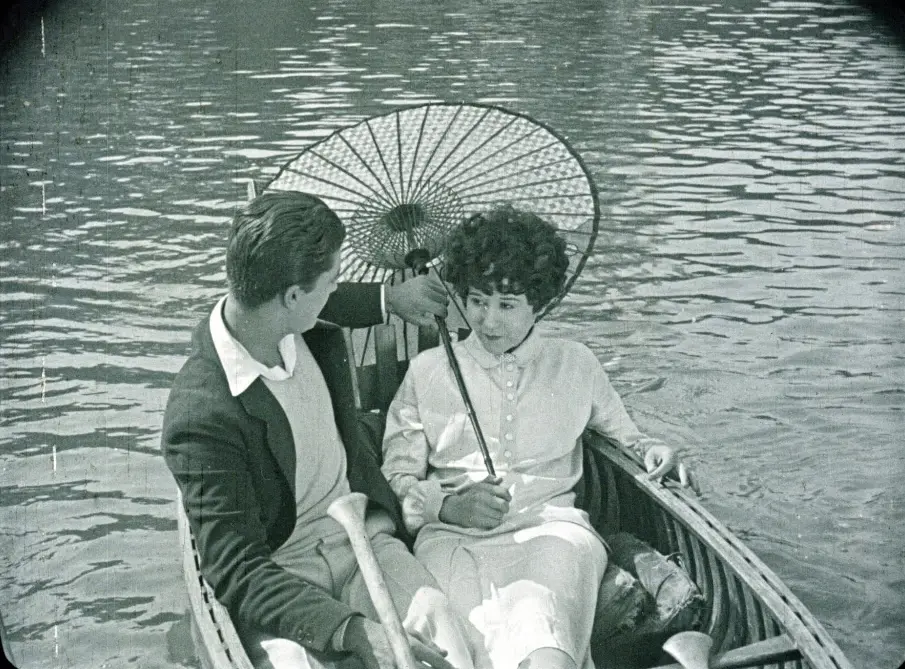
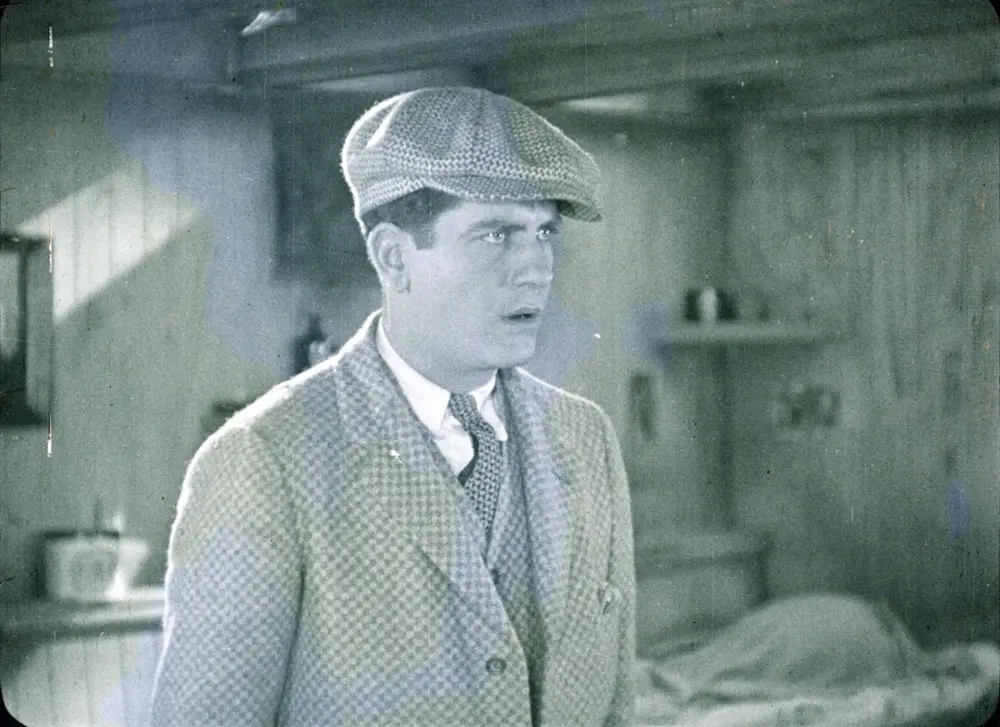
Scene from All's Swell That Ends Swell
Cinematic perspective: Exploring the visual vocabulary of All's Swell That Ends Swell (1926) through its definitive frames.
This film fails because its characters are archetypes rather than individuals, its resolutions are often abrupt, and the narrative, while exciting, prioritizes incident over emotional resonance, a common but forgivable pitfall of its serial format.
You should watch it if you appreciate silent cinema's raw energy, enjoy early action-adventure, or are keen to see how foundational cinematic tropes were established before the advent of sound changed everything.
A Whirlwind of Misadventure: Plot and Pacing
The plot of 'All's Swell That Ends Swell' is, by design, a dizzying succession of escalating predicaments. As the final installment in a two-reel series, it doesn't waste a single frame. From the moment Sally and Harry set out with the newspaper's borrowed funds, the narrative becomes a masterclass in relentless forward momentum. There’s no time for subtlety; every scene is a direct propulsion into the next crisis.
The initial ambush by Tod Raleigh and Grogan is swift and brutal, immediately establishing high stakes. Harry is knocked out cold, a surprisingly vulnerable moment for a male lead of the era, while Sally and the money are spirited away. This rapid-fire opening sets a tone of urgency that never truly subsides. The film understands the inherent limitations and strengths of its short runtime, choosing to maximize thrills over intricate world-building.
What follows is a delightful series of double-crosses that keeps the audience guessing, if only for a moment. Raleigh and Grogan's triumph is short-lived, as the tramp steamer captain, a character whose motivations are purely opportunistic, immediately turns the tables on them. This layered villainy adds a surprising twist, elevating the conflict beyond a simple hero-vs-villain dynamic to a more chaotic free-for-all. It's a clever way to inject more action into a confined space.
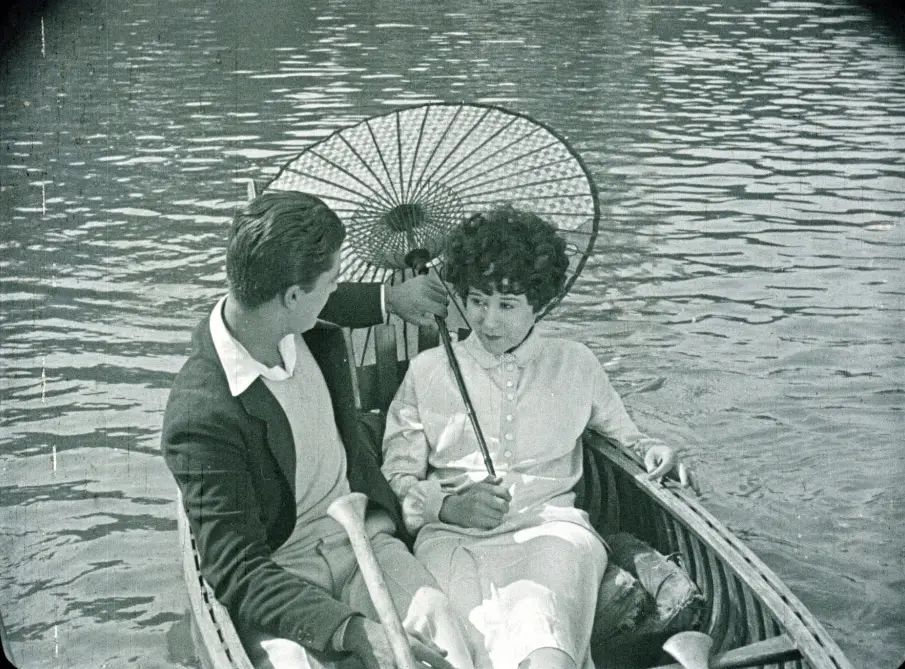
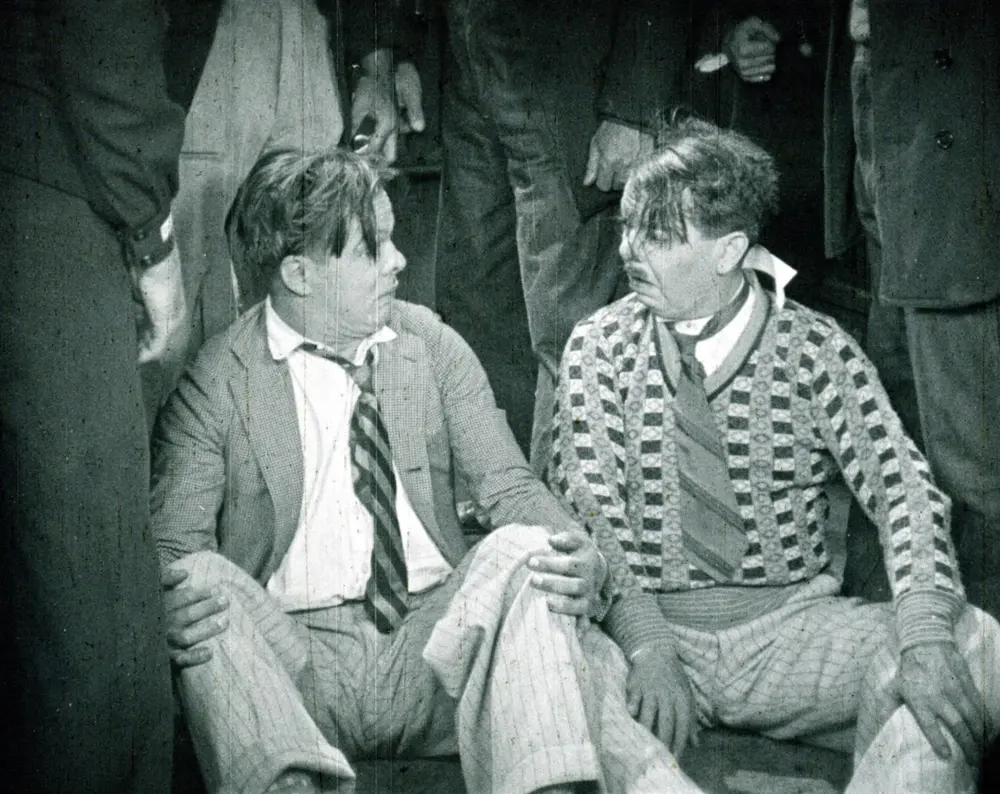
Scene from All's Swell That Ends Swell
Cinematic perspective: Exploring the visual vocabulary of All's Swell That Ends Swell (1926) through its definitive frames.
The arrival of Tom and Jerry, the Journal's printers, is almost comically ill-fated. Their attempt to rescue Sally only results in their own shanghaiing, a darkly humorous beat that underscores the pervasive danger and the captain's ruthless efficiency. This moment, while brief, adds an unexpected layer of slapstick to the unfolding drama, reminding us that even in peril, there's room for a chuckle. It also highlights the casual brutality that could be depicted in silent films, often softened in later eras.
Harry's eventual pursuit with the Oceanville police is the cavalry charge one expects, but the real surprise comes in the climax. Instead of finding a helpless Sally, he discovers her in the thick of a spirited battle, more than holding her own against the captain and his crew. This subversion of the 'damsel in distress' trope is arguably the film's most progressive element and a testament to the enduring appeal of Alberta Vaughn’s portrayal.
Performances and Character Archetypes
Alberta Vaughn as Sally Tracy
Alberta Vaughn's portrayal of Sally Tracy is, without question, the film's beating heart. In an era often characterized by passive female characters, Sally is a vibrant, proactive force. Vaughn injects Sally with a palpable energy that transcends the lack of dialogue. Her facial expressions are animated, her movements decisive, and her overall demeanor communicates a woman who is not merely reacting to events but actively participating in her own survival.
The film's climax, where Sally is found battling the crew, is a powerful statement. It's a moment that could easily have been a passive rescue, but Vaughn's performance, guided by the script, ensures Sally is an active agent in her own liberation. This makes her a compelling figure, even if the film's runtime limits deeper exploration of her backstory or internal thoughts. She's a blueprint for the feisty heroines that would populate adventure films for decades to come.
Grant Withers as Harry Grayson
Grant Withers, as editor Harry Grayson, embodies the stalwart, heroic male lead. While initially sidelined by the ambush, his determination to rescue Sally drives the latter half of the narrative. Withers plays Harry with a straightforward earnestness, his concern for Sally evident in his expressions and actions. He's the traditional hero, the one who brings the official force to bear, but his role never overshadows Sally's agency in the final confrontation.
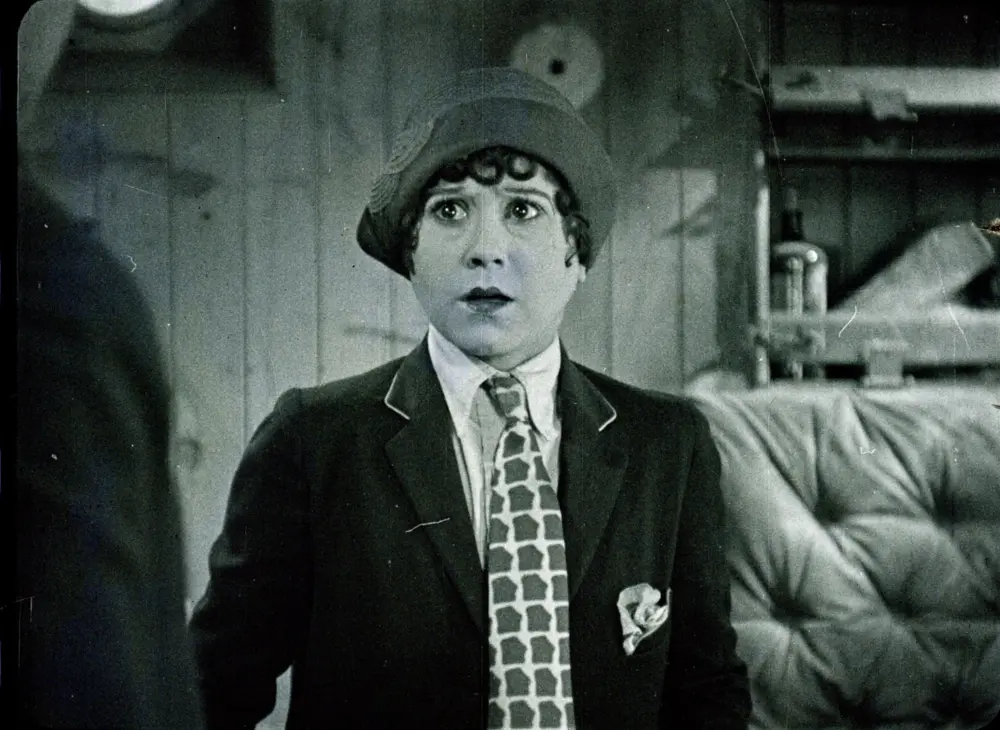
Scene from All's Swell That Ends Swell
Cinematic perspective: Exploring the visual vocabulary of All's Swell That Ends Swell (1926) through its definitive frames.
Their chemistry, though largely unspoken, is conveyed through shared glances and the implied history of their working relationship. The culminating promise of marriage feels like a natural extension of their partnership, a reward for their shared ordeal. It's a classic Hollywood ending, efficiently delivered.
The Rogues' Gallery
The villains, Tod Raleigh (Larry Kent), Grogan (Al Cooke), and the unnamed ship's captain (Kit Guard), are painted with broad strokes, serving their primary purpose: to create obstacles and generate action. Larry Kent's Raleigh is suitably menacing, while Al Cooke's Grogan provides a more brutish foil. Kit Guard's captain, however, stands out for his sheer opportunism. He's not loyal to anyone, making him an unpredictable and effective antagonist.
Guard's performance, though brief, captures the essence of a man driven by greed and a disregard for others. His sudden betrayal of Raleigh and Grogan is a highlight, demonstrating a pragmatic villainy that's surprisingly effective for a two-reel short. These performances, while not nuanced, are perfectly suited to the film's fast-paced, action-oriented needs.
Direction and Cinematography: Silent Era Efficiency
The direction in 'All's Swell That Ends Swell' prioritizes clarity and pace, essential for a silent serial. The filmmakers (Doris Anderson, Paul Gangelin, Sam Hellman are credited as writers, but directorial credit is often less clear for shorts of this era) employ straightforward camera work, focusing on wide shots to establish settings and capture action, interspersed with closer shots to emphasize reactions or key plot points. There's a pragmatic efficiency to the visual storytelling.
For example, the initial ambush scene is staged with clear blocking, allowing the audience to understand the suddenness of the attack without relying on dialogue. The chaos aboard the tramp steamer, with its multiple players and shifting loyalties, is handled with a commendable clarity, ensuring that the audience can follow who is doing what to whom, even amidst the flurry of activity.
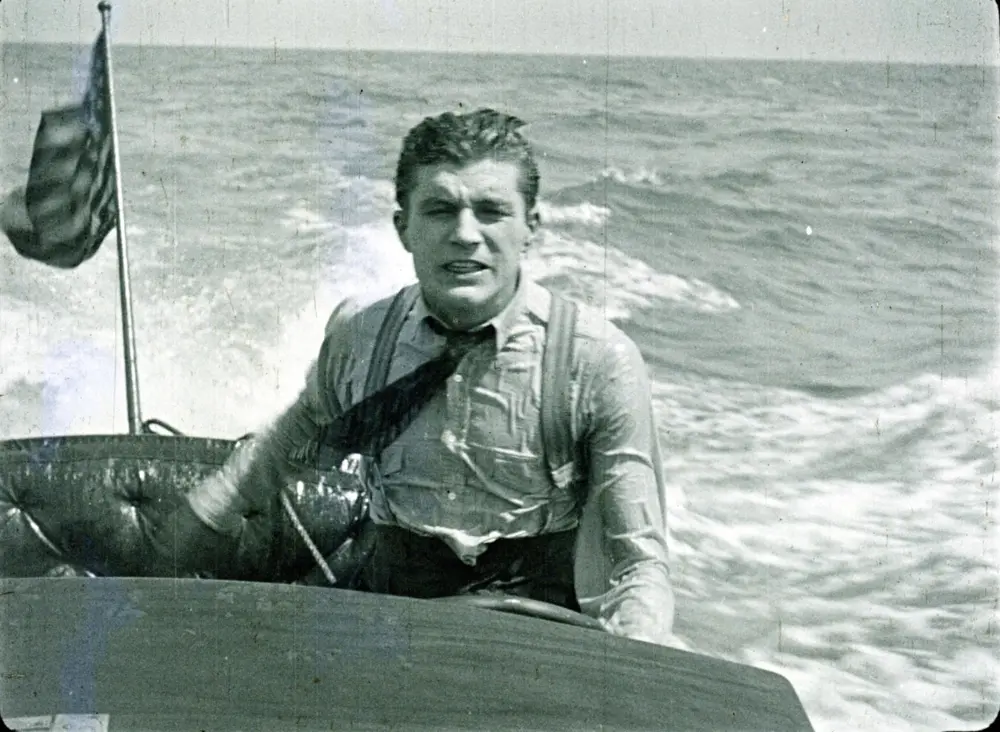
Scene from All's Swell That Ends Swell
Cinematic perspective: Exploring the visual vocabulary of All's Swell That Ends Swell (1926) through its definitive frames.
The cinematography, while not groundbreaking, is effective. Lighting is functional, ensuring visibility, and the framing is generally conventional. There are no elaborate tracking shots or complex compositions, but this simplicity serves the narrative well. It's a film that gets the job done visually, without drawing undue attention to its technical prowess. This approach, common in serials like The Lightning Raider, ensures the story remains the primary focus.
The editing is brisk, cutting between scenes rapidly to maintain the high energy. This is particularly evident during the various chases and fights, where quick cuts enhance the sense of urgency and impact. It’s a testament to the editor's skill that the film never feels sluggish, despite its age.
Tone and Themes: Adventure with a Romantic Undercurrent
The film's tone is primarily one of thrilling adventure, punctuated by moments of lightheartedness and an overarching romantic subplot. The stakes are consistently high – the loss of money, the abduction of Sally – yet the film never descends into overly dark territory. There's an inherent optimism, a sense that despite the odds, our heroes will prevail.
The theme of resilience is strong, particularly embodied by Sally. She is not a passive victim but an active participant in her own fate, a refreshing take for a film of this period. The idea of partnership, both professional and personal, between Sally and Harry, is also central. Their journey to repay the loan and their subsequent engagement ties the professional and romantic narratives together seamlessly.
There's also a subtle exploration of loyalty and betrayal. The initial ambush, the captain's double-cross, and the printers' ill-fated loyalty to Sally all contribute to a dynamic interplay of allegiances. It’s a simple exploration, but effective within the confines of a short film.
Scene from All's Swell That Ends Swell
Cinematic perspective: Exploring the visual vocabulary of All's Swell That Ends Swell (1926) through its definitive frames.
Compared to other silent action shorts, like Bare Fists, 'All's Swell That Ends Swell' manages to weave a more complex (if still rudimentary) web of betrayals, giving it a slight edge in narrative sophistication, even if the primary goal remains pure entertainment.
Is This Film Worth Watching Today? A Deeper Dive
Absolutely, but with specific expectations. 'All's Swell That Ends Swell' is a valuable piece of cinematic history. It showcases the vitality and narrative economy of the silent serial format. For students of film, it's a perfect example of how foundational storytelling techniques were honed before the arrival of sound. For casual viewers, it offers a brisk, unpretentious dose of early action-adventure.
The film's primary appeal lies in its unadulterated escapism. It's a direct, no-frills narrative designed to entertain and thrill. While it lacks the psychological depth or complex artistry of some of its more celebrated contemporaries, its charm lies in its straightforward execution. It works. But it’s flawed.
One might argue that the film, despite Sally's spirited performance, ultimately reinforces conventional gender roles by having Harry and the police as the ultimate saviors. While Sally fights valiantly, the final resolution still comes from external male intervention. This is a common criticism of films from this era and a debatable point regarding its overall progressive messaging.
However, to view it solely through a modern lens would be unfair. Within its historical context, Sally's active resistance is notable. She's not merely waiting to be saved; she's actively fighting. This nuance is crucial when assessing its value today. It's a stepping stone, not a final destination, in the evolution of female characters in cinema.
Key Takeaways
Best for: Silent film enthusiasts, fans of early adventure serials, and those interested in the history of action cinema.
Not for: Viewers seeking modern pacing, deep character development, or high production values.
Standout element: Alberta Vaughn's energetic and proactive portrayal of Sally Tracy, who defies typical damsel-in-distress tropes.
Biggest flaw: The episodic nature and rapid resolutions often sacrifice character depth and emotional resonance for plot momentum.
Pros and Cons
Pros:
Engaging, fast-paced plot that never drags.
Strong, spirited lead performance by Alberta Vaughn.
Clever use of double-crosses to keep the narrative dynamic.
A valuable historical document showcasing early serial filmmaking.
Provides genuine thrills and a sense of adventure.
Cons:
Characters are largely archetypes, lacking deep development.
Resolutions can feel abrupt, typical of the serial format.
Technical limitations of the era are evident.
The humor, while present, is broad and occasionally dark.
Reliance on external male rescue, despite the heroine's agency.
Verdict
'All's Swell That Ends Swell' is a spirited, if unpolished, gem from the silent era. As the conclusion to the 'Fighting Hearts' series, it delivers exactly what its audience expected: a high-octane adventure filled with peril, daring escapes, and a satisfying resolution. It's a film that exemplifies the raw, unadulterated energy of early cinema, driven by a relentless plot and a truly memorable performance from Alberta Vaughn.
While it won't challenge your perceptions of storytelling or offer profound emotional insights, it will transport you back to a time when cinema was still finding its voice, thrilling audiences with pure spectacle and kinetic energy. It's a delightful historical curiosity that, for the right viewer, still provides a thoroughly entertaining experience. If you’re willing to meet it on its own terms, you’ll find that indeed, all’s swell that ends swell.