DbcultAccessing Vault...
7.1/10
Senior Film Conservator
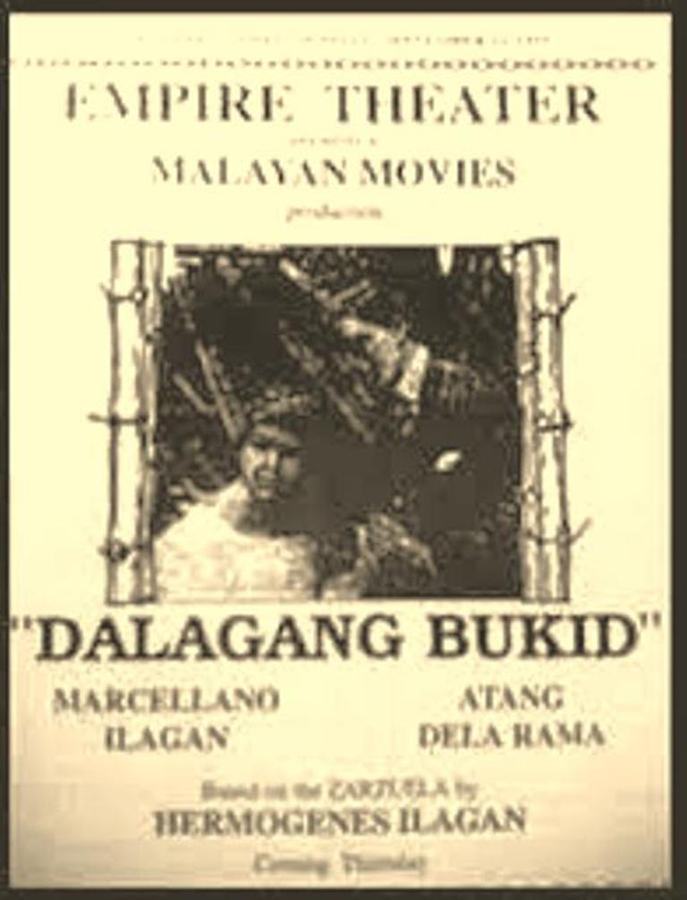
A definitive 7.1/10 rating for a film that redefined the boundaries of cult cinema. Dalagang bukid remains a cornerstone of transgressive art.
Stepping back in time to the nascent days of Philippine cinema, Dalagang Bukid emerges not merely as a film, but as a cultural artifact, a vibrant tapestry woven with the threads of early 20th-century Filipino societal mores and the timeless human drama of love and sacrifice. This cinematic gem, brought to life through the collaborative genius of writers Leon Ignacio and Hermogenes Ilagan, and featuring the incandescent talent of Atang Dela Rama, stands as a foundational pillar in the country's filmic heritage. It’s a work that, even a century later, continues to resonate with an emotional sincerity that transcends its historical context, speaking volumes about the enduring struggles against societal pressures and the poignant pursuit of individual happiness. Viewing Dalagang Bukid today is akin to unearthing a treasured relic, its narrative power undiminished by the passage of time, its characters' plights still capable of stirring the deepest empathy.
At the core of Dalagang Bukid lies the heart-wrenching predicament of Angelita, a flower vendor whose youthful innocence and burgeoning affections are cruelly pitted against the unyielding demands of an arranged marriage. Angelita, portrayed with breathtaking vulnerability and strength by the legendary Atang Dela Rama, is not just a character; she is an archetype, embodying the countless women throughout history and across cultures who have found their destinies dictated by forces beyond their control. Her love for Cipriano, a diligent law student brought to life by Mar I. Esmeralda, represents a beacon of genuine connection, a testament to the idea that true affection should supersede material gain or social standing. This central conflict—the clash between the purity of young love and the pragmatic, often callous, realities of economic necessity—forms the emotional bedrock of the film, echoing sentiments found in classic literary works like Thomas Hardy's Far from the Madding Crowd, where societal expectations frequently complicate the path to true romance. The screenplay meticulously charts Angelita's emotional journey, from hopeful anticipation to crushing despair, making her struggle universally comprehensible.
Don Silvestre, the wealthy old man to whom Angelita is betrothed, serves as the narrative's primary antagonist, yet his character is more complex than a simple villain. He embodies the entrenched power structures of the era, where financial clout often translated into social control and the ability to dictate the lives of those less fortunate. His desire for Angelita, while perhaps rooted in a genuine, albeit misguided, affection, is ultimately an act of possession, a transaction facilitated by her parents' desperation. This portrayal critiques the societal norms that allowed such imbalances to persist, where human lives could be bartered and sold under the guise of familial duty or economic security. The film's examination of this dynamic draws parallels with other early cinematic critiques of class and power, such as the social commentary often embedded in melodramas like The Master of the House, where patriarchal control dictates the fates of those within the family unit. The writers, Ignacio and Ilagan, skillfully craft Don Silvestre not as a caricature, but as a product of his time, making his actions all the more chillingly realistic.
No discussion of Dalagang Bukid can be complete without a profound appreciation for the performance of Atang Dela Rama. Already a celebrated stage actress, her transition to the nascent medium of film was nothing short of revolutionary. Her portrayal of Angelita is a masterclass in silent film acting, conveying a vast spectrum of emotions—from demure shyness to defiant resolve, from heart-wrenching sorrow to fleeting joy—through nuanced facial expressions and eloquent body language. Dela Rama doesn't merely act; she inhabits Angelita, making her struggles palpable and her spirit indomitable. Her ability to command the screen without uttering a single spoken word is a testament to her profound understanding of emotional storytelling and her innate charisma. In an era when cinema was still finding its voice, Dela Rama's presence was a powerful declaration of its potential. Her performance sets a benchmark, much like other iconic silent era performances in films such as The Good Bad-Man or Bucking Broadway, where the lead actor's magnetism was paramount to the narrative's success. Her legacy, cemented by roles like Angelita, continues to inspire generations of Filipino performers, underscoring her status as a true pioneer.
Mar I. Esmeralda's portrayal of Cipriano provides a crucial counterpoint to the oppressive forces at play. As the aspiring law student, Cipriano symbolizes not just romantic love, but also the dawning of a new era—one where intellect, justice, and individual rights begin to challenge entrenched traditions. His pursuit of Angelita is not merely a romantic endeavor; it is a fight for principle, a quiet rebellion against the transactional nature of marriage and the subjugation of the individual. Esmeralda imbues Cipriano with a quiet dignity and unwavering determination, making him a compelling figure of moral fortitude. His character represents the promise of a more equitable future, where the law might serve to protect the vulnerable rather than merely uphold the status quo. In this sense, Cipriano's struggle mirrors the thematic undercurrents found in legal dramas of the period, such as The Law That Failed or The Law of the North, where the intricacies of legal systems often intersect with personal ethics and justice. His presence in the film is a vital reminder that even in the face of overwhelming odds, the human spirit's quest for fairness and genuine connection persists.
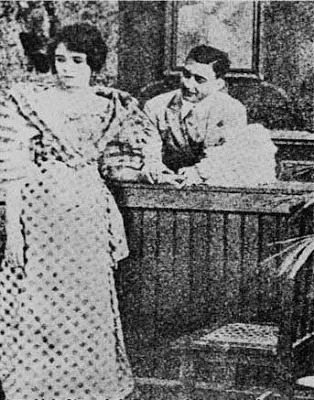
The brilliance of Dalagang Bukid is inextricably linked to the visionary writing of Hermogenes Ilagan and Leon Ignacio. Their screenplay, adapted from Ilagan's popular zarzuela, masterfully translates the theatricality of the stage to the cinematic canvas, retaining its emotional intensity while embracing the visual storytelling capabilities of the new medium. They craft a narrative that, while ostensibly a simple love story, delves into profound social commentary, critiquing the economic disparities that force families into desperate choices and the patriarchal systems that often stifle individual autonomy. The dialogue, even in its silent film form (conveyed through intertitles), is sharp and evocative, propelling the plot forward with a dramatic urgency. Their ability to create compelling, relatable characters whose struggles resonate universally is a testament to their enduring artistry. This film, much like other adaptations of successful stage productions such as Called Back, demonstrates the inherent power of a well-structured narrative, regardless of its medium. Ilagan and Ignacio understood the pulse of their audience, delivering a story that was both entertaining and thought-provoking, laying groundwork for future generations of Filipino filmmakers.
Beyond its narrative and performances, Dalagang Bukid offers a fascinating glimpse into the nascent techniques of early Filipino cinema. While specific directorial credits might be debated or lost to time, the film exhibits a nascent understanding of cinematic language. The use of close-ups to emphasize emotional states, wide shots to establish the rural setting, and the rhythmic pacing of its scenes all contribute to its effectiveness. The visual storytelling, reliant on exaggerated gestures and expressive glances, is a hallmark of the silent era, yet in Dalagang Bukid, these techniques feel organic and heartfelt, never merely theatrical. The film's aesthetic, though simple by today's standards, possesses a raw charm, a directness that connects with the viewer on an elemental level. It reminds one of the foundational efforts seen in other global silent films, where narrative clarity and emotional impact were paramount, often with a stark beauty, similar to the directness in films like The Clean-Up or even the dramatic flair of A Star Over Night. The film's surviving fragments, or its historical accounts, paint a picture of a burgeoning industry finding its unique voice, adapting global cinematic trends to local sensibilities and narratives.
Dalagang Bukid is more than just a historical curiosity; it is a powerful socio-political statement thinly veiled as a romantic melodrama. The film's critique of arranged marriages, class disparities, and the commodification of women remains alarmingly relevant even today, albeit in different guises. It challenges viewers to consider the true cost of societal expectations and the importance of individual agency. The narrative's unflinching look at the economic pressures that drive families to make heartbreaking decisions resonates deeply, making it a timeless commentary on human vulnerability and resilience. This profound social critique places it alongside other films that bravely tackled sensitive societal issues, such as Warning! The S.O.S. Call of Humanity, which also aimed to provoke thought and highlight injustices. The film's lasting impact lies not just in its pioneering status but in its ability to spark conversations about enduring human rights and the pursuit of genuine happiness against entrenched systems. It serves as a stark reminder that the struggles for love and autonomy are universal and perennial.
The cultural significance of Dalagang Bukid extends far beyond its cinematic qualities. It represents a pivotal moment in the formation of a distinct Filipino cultural identity in the performing arts. As an adaptation of a popular zarzuela, it bridges the gap between traditional theatrical forms and the emerging medium of film, demonstrating a continuity of artistic expression. The film's themes, characters, and even its aesthetic choices are deeply rooted in Filipino sensibilities, offering a mirror to the society from which it sprang. Its influence can be traced through subsequent generations of Filipino filmmakers and storytellers, who continue to grapple with similar questions of identity, love, and societal pressure. The film, in its very existence, is a testament to the resilience and creativity of Filipino artists, working with limited resources but boundless imagination. This cultural resonance is a shared characteristic with other films that are deeply embedded in their national identities, like perhaps The Scottish Covenanters or even Hell-to-Pay Austin, which captured a specific American frontier spirit. It’s a touchstone, a point of reference for understanding the evolution of Filipino narratives and the persistent power of local storytelling.
What truly elevates Dalagang Bukid from a mere historical document to a work of enduring art is its profound emotional resonance. The struggles of Angelita and Cipriano are not confined to their specific time and place; they are universal. The pain of thwarted love, the burden of familial expectation, the allure of wealth, and the yearning for freedom are emotions that transcend cultural and temporal boundaries. The film's ability to evoke such powerful feelings, even without spoken dialogue, is a testament to the fundamental human truths it explores. It speaks to the heart of anyone who has ever felt trapped by circumstances or yearned for a different path. This universal appeal connects it to other classic melodramas that explore similar themes of romantic struggle and societal constraint, such as Tangled Lives or The Wine Girl, where the emotional stakes are always incredibly high. Dalagang Bukid, therefore, is not just a film about a Filipino flower vendor; it is a film about the human condition, a timeless narrative that continues to move and inspire, reminding us of the enduring power of love and the perpetual quest for self-determination.
In conclusion, Dalagang Bukid stands as an indispensable artifact of early Philippine cinema, a testament to the power of storytelling and the enduring talent of its creators and performers. Its narrative, though set in a specific historical context, speaks to universal truths about love, sacrifice, and the relentless pursuit of happiness against societal odds. It is a film that demands to be seen, studied, and celebrated, not just for its historical significance, but for its profound emotional depth and its timeless message.

IMDb —
1930
Community
Log in to comment.