A definitive 6.1/10 rating for a film that redefined the boundaries of cult cinema. Almost a Lady remains a cornerstone of transgressive art.
Is Almost a Lady a forgotten gem that deserves a modern audience? Short answer: yes, but with significant caveats. This 1920s silent comedy offers a fascinating glimpse into the social anxieties and gender dynamics of its era, making it a compelling watch for cinephiles and cultural historians. However, its pacing and narrative conventions might test the patience of those accustomed to contemporary storytelling.
This film is absolutely for anyone with a keen interest in silent cinema, early Hollywood’s take on social satire, or fans of Marie Prevost's expressive performances. It is not for viewers who demand fast-paced plots, explicit dialogue, or stories with unequivocally modern sensibilities regarding gender roles and class structures.
This film works because of Marie Prevost’s understated yet powerful performance, which anchors the film's comedic and dramatic elements with genuine human emotion.
This film fails because its narrative contrivances occasionally stretch credulity, even for a silent-era comedy, and some of its social commentary feels less biting than it could have been.
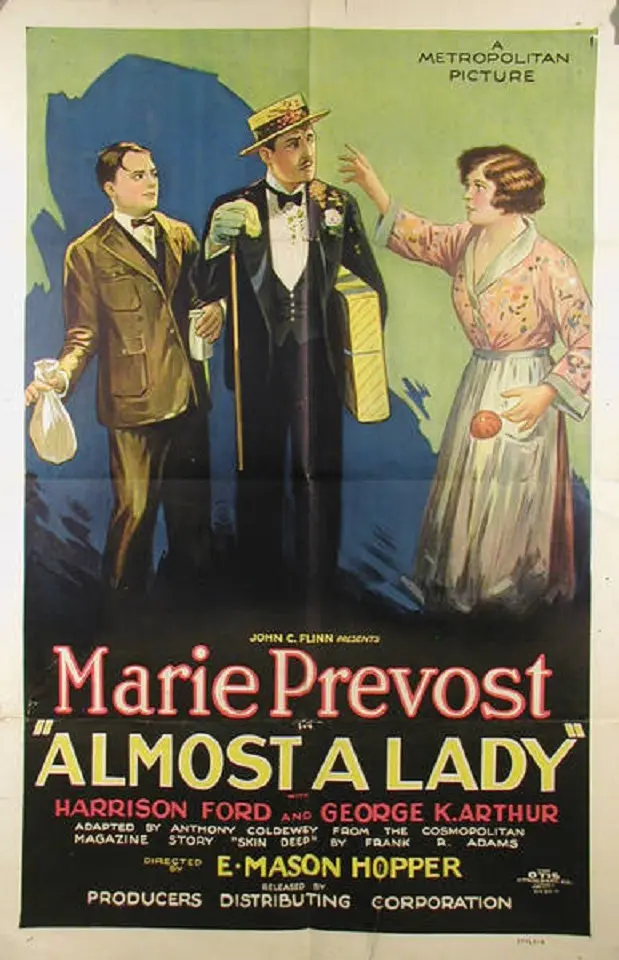
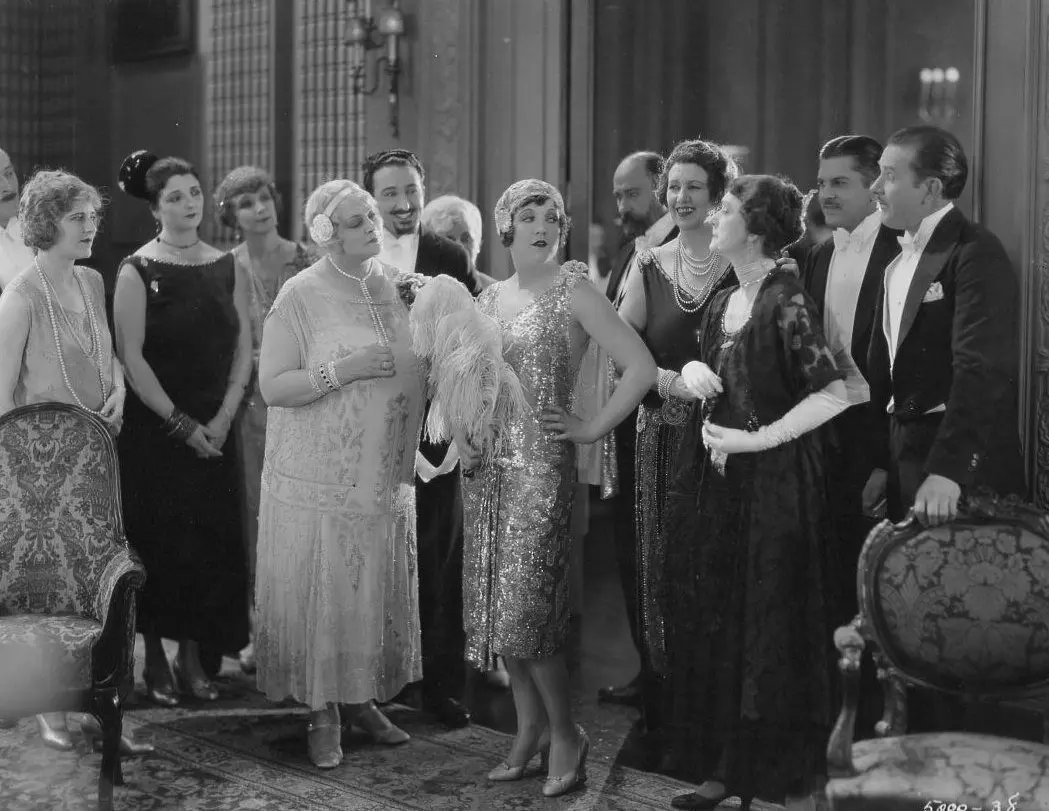
Scene from Almost a Lady
Cinematic perspective: Exploring the visual vocabulary of Almost a Lady (1926) through its definitive frames.
You should watch it if you appreciate the nuanced art of silent acting, enjoy period pieces that subtly critique societal norms, and are willing to engage with a film on its own historical terms.
The Lure of Illusion: Marcia's World
Almost a Lady plunges us into the morally ambiguous landscape of the Jazz Age, where appearances often trump reality. Marcia, portrayed with captivating grace by Marie Prevost, is introduced as a young woman of integrity, forced to navigate a world teeming with opportunism. Her initial employment as a model for a lecherous dress-shop owner immediately establishes the film's undercurrent of predatory male gaze and female vulnerability. Prevost’s performance here is crucial; she conveys Marcia’s quiet defiance through subtle expressions, never resorting to overt histrionics. It's a testament to her skill that we feel Marcia’s discomfort and resolve without a single spoken word.
The film then pivots into a satirical exploration of high society when Marcia is drawn into the orbit of Mrs. Reilly, a socialite desperate to impress. This transition from the gritty reality of the shop floor to the gilded cages of the elite is jarring by design, highlighting the vast chasm between social classes. Marcia's forced impersonation of a famous writer to charm a supposed "duke" becomes the central comedic engine, but beneath the farce lies a sharp critique of social climbing and the inherent phoniness of status symbols. The irony of everyone—including Mrs. Reilly—being taken in by a false duke, while simultaneously demanding Marcia maintain her own elaborate lie, is not lost on the discerning viewer.
What makes this plot particularly engaging is its commitment to showing the consequences of deception, even when born of necessity. Marcia is not a willing participant in this charade; she's a pawn. This positions her as a sympathetic figure, her moral compass remaining largely intact despite the swirling currents of deceit around her. The writers, Anthony Coldeway, Frank R. Adams, and F. McGrew Willis, craft a scenario that, while melodramatic, feels grounded in the anxieties of a rapidly changing society where old money met new opportunism.
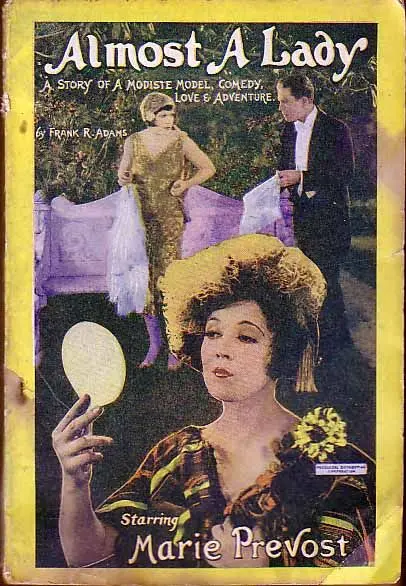
Scene from Almost a Lady
Cinematic perspective: Exploring the visual vocabulary of Almost a Lady (1926) through its definitive frames.
Marie Prevost: A Star's Unseen Spark
Marie Prevost is the undeniable heart and soul of Almost a Lady. Her portrayal of Marcia is a masterclass in silent film acting, showcasing a range that moves from quiet dignity to exasperated humor. In an era where exaggerated gestures were common, Prevost often opted for a more naturalistic approach, allowing her expressive eyes and subtle shifts in posture to convey volumes. Consider the scene where she receives expensive gifts from her employer; her discomfort is palpable, a silent rejection of his advances that speaks louder than any intertitle could.
Prevost’s comedic timing, too, is impeccable. During the party sequence, as she awkwardly attempts to embody the intellectual persona of a famous writer, her small, nervous glances and forced smiles elicit genuine laughter. She isn't just playing a character; she's inhabiting the very awkwardness of the situation. This ability to balance both the dramatic weight of Marcia's moral dilemma and the light touch required for the comedic elements is what elevates Almost a Lady beyond a mere period curiosity.
Her performance here stands in interesting contrast to some of her more overtly comedic roles, demonstrating her versatility. She brings a vulnerability to Marcia that makes her struggles feel real, even when surrounded by the most absurd of circumstances. Without Prevost, this film might easily have slipped into forgettable melodrama. With her, it becomes a compelling character study wrapped in a social satire. Her magnetism is a key reason this film resonates, even a century later. It’s a performance that reminds us of the profound talent that often goes uncelebrated in the annals of early cinema.
Crafting the Illusion: Direction and Visuals
The direction in Almost a Lady, while not groundbreaking, is effective in its storytelling. The film utilizes standard silent-era cinematic techniques to good effect, from clear framing to the strategic use of intertitles that punctuate the narrative without overwhelming it. The visual language is straightforward, focusing on character reactions and the mise-en-scène to establish atmosphere and class distinctions.
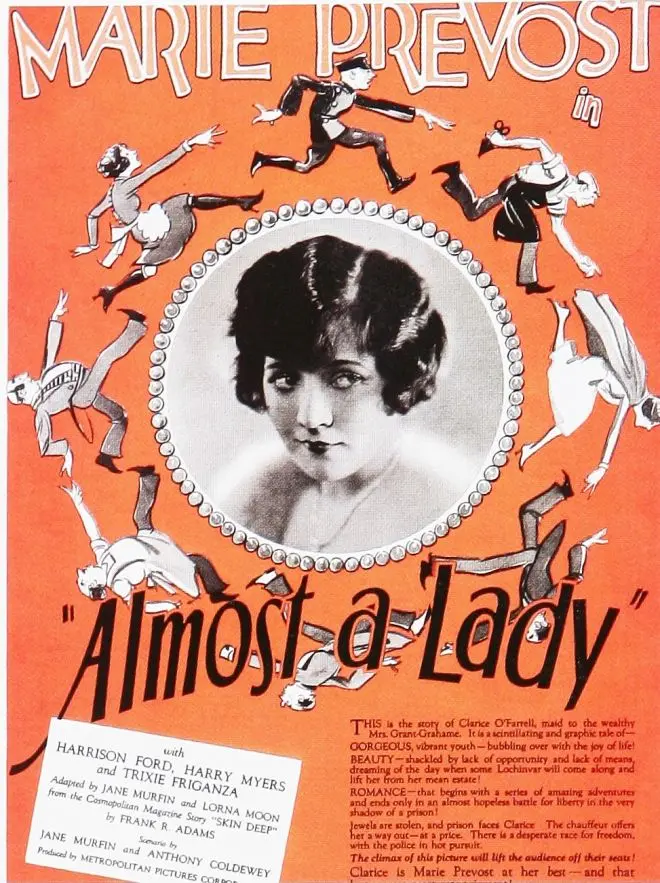
Scene from Almost a Lady
Cinematic perspective: Exploring the visual vocabulary of Almost a Lady (1926) through its definitive frames.
Cinematography, while uncredited in the provided details, plays a vital role in capturing the opulence of Mrs. Reilly's party and the more modest surroundings of Marcia's daily life. The lighting choices, particularly in the interior scenes, help to define the mood—from the somewhat shadowy, conspiratorial feel of the dress shop to the brighter, if still artificial, glow of the society gathering. There’s a particular shot during the party where Marcia, caught between her lie and her conscience, is framed against a backdrop of oblivious socialites, effectively conveying her isolation.
The film's visual style is a snapshot of 1920s filmmaking, leaning into dramatic close-ups to emphasize emotional states—a technique crucial in the absence of spoken dialogue. When Marcia's integrity is challenged, the camera often lingers on her face, allowing Prevost’s expressions to carry the narrative weight. This focus on facial performance is a hallmark of silent cinema, and Almost a Lady leverages it skillfully to draw the audience into Marcia’s internal conflict. It’s a clean, functional style that serves the story without unnecessary flourish.
Pacing the Jest: Rhythms of Deception
The pacing of Almost a Lady is characteristic of its era, which means it might feel deliberate to modern viewers. The film takes its time establishing characters and situations, building towards its central comedic deception rather than rushing into it. The initial scenes detailing Marcia's interactions with her employer, for instance, are allowed to breathe, ensuring that the audience understands her moral fortitude before she is thrust into the absurd world of socialites.
Once the party sequence begins, the pace quickens, driven by the escalating tension of Marcia's impersonation and the various near-misses that threaten to expose her. This shift in rhythm is effective, creating a sense of comedic urgency. However, there are moments, particularly in the exposition, where the film lingers a little too long, potentially losing the attention of those unaccustomed to silent film's narrative cadence. It's a balance of slow-burn character development and bursts of farcical energy.
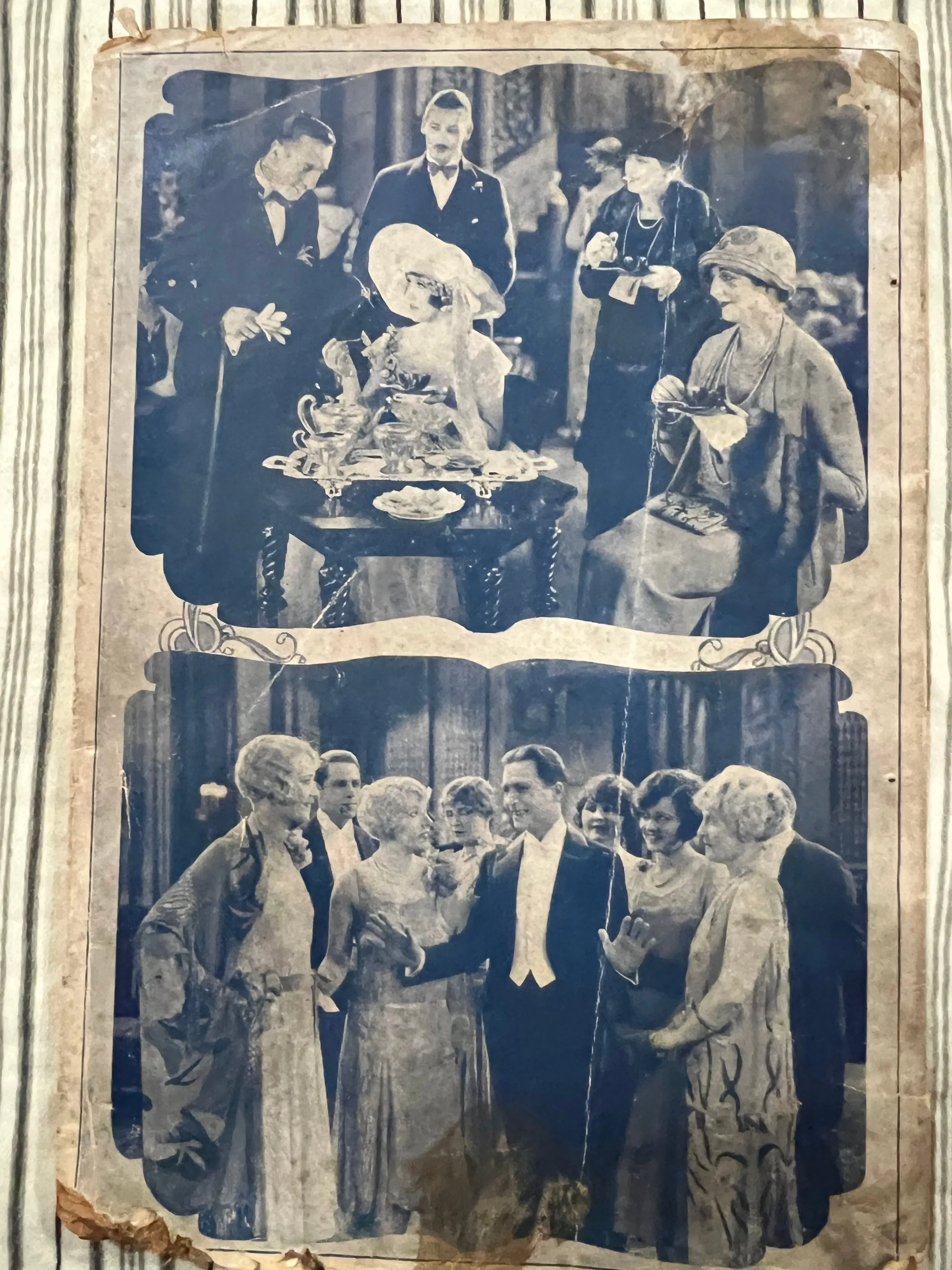
Scene from Almost a Lady
Cinematic perspective: Exploring the visual vocabulary of Almost a Lady (1926) through its definitive frames.
The tone is predominantly light-hearted, despite the underlying themes of exploitation and social pretense. The humor often arises from situational irony and the characters' obliviousness, rather than sharp wit. The film manages to maintain this delicate balance, never veering too far into outright melodrama, thanks largely to Prevost’s grounded performance. It works. But it’s flawed. The resolution, while satisfying, feels somewhat inevitable, lacking the surprising twists that might elevate it to a truly exceptional comedy. This predictability is a minor detractor, yet it doesn’t diminish the overall charm.
A Mirror to Society: Themes and Relevance
Almost a Lady is more than just a period comedy; it’s a subtle commentary on the social anxieties of the 1920s. The film explores themes of class mobility, the superficiality of social status, and the pressure to conform to societal expectations. Marcia's journey from a working-class model to an unwilling participant in high society's games highlights the precarious position of women trying to maintain their integrity in a world that often valued looks and connections over substance.
The film’s most potent commentary isn't about Marcia's personal integrity, but the pervasive societal desperation for appearances. The fact that Mrs. Reilly is so eager to believe in a 'duke'—and a fake one at that—underscores a deep-seated insecurity within the elite. This willingness to embrace illusion for social gain is a timeless theme. It makes Almost a Lady surprisingly relevant today, in an age where social media often blurs the lines between reality and curated personas. The film suggests that the desire for external validation often leads to internal compromise, a message that still resonates strongly.
While the film's take on gender roles is decidedly of its time, Marcia's quiet strength and her resistance to both the lecherous employer and the demands of social deception offer a glimpse of emerging female agency, however constrained. It’s not a feminist manifesto, but it does paint a portrait of a woman trying to navigate difficult circumstances with dignity. This nuanced portrayal is one of the film's understated strengths, offering more than just a simple good-vs-evil narrative. It’s a snapshot of an era, reflecting both its limitations and its burgeoning complexities.
Is this film worth watching?
Yes, Almost a Lady is worth watching for specific audiences. It offers a charming, if at times slow, journey into silent-era comedy and social critique. If you appreciate the artistry of silent film, particularly the nuanced performances, this movie will reward your time. It’s a good example of how early cinema tackled themes that remain relevant, even if the execution feels dated in parts. For those new to silent film, it could be a gentle introduction, provided you approach it with an open mind and an appreciation for historical context.
Key Takeaways
Best for: Enthusiasts of silent cinema, fans of Marie Prevost, and those interested in early 20th-century social satire.
Not for: Viewers seeking fast-paced plots, modern dialogue, or explicit social commentary.
Standout element: Marie Prevost's captivating and nuanced performance as Marcia, elevating the film's emotional core.
Biggest flaw: Some dated narrative conventions and a pacing that can feel sluggish compared to contemporary films.
Pros and Cons
Pros:
Marie Prevost delivers a standout, emotionally resonant performance.
Offers insightful social commentary on class, deception, and appearances.
Provides a valuable historical snapshot of 1920s American society and filmmaking.
The comedic elements, though subtle, are genuinely charming.
The film’s exploration of integrity versus social pressure remains relevant.
Cons:
Pacing can be slow, particularly in the first act, which might deter some viewers.
Some plot points rely on convenient contrivances common in the era.
The sexual politics and portrayal of female vulnerability are dated, though historically interesting.
Not as visually innovative or groundbreaking as some other silent films of its time.
The supporting cast, while competent, doesn't always match Prevost's intensity.
Verdict
Almost a Lady is far from a perfect film, but it is a compelling artifact of its time, largely redeemed by the compelling performance of Marie Prevost. It offers a window into the social anxieties and comedic sensibilities of the 1920s, wrapped in a narrative that, while occasionally slow, still manages to entertain and provoke thought. Its critique of superficiality and the pursuit of status feels surprisingly timeless, making it more than just a historical curiosity.
For those willing to engage with silent cinema on its own terms, Almost a Lady is a worthwhile rediscovery. It may not possess the grand scale of The Whip or the stark realism of The Salvation Hunters, but its intimate focus on character and social satire gives it a unique charm. It’s a film that quietly asserts its value, proving that even a century later, a strong performance and a relevant theme can transcend the limitations of time and technology. It’s recommended for the discerning viewer who appreciates the subtle art of early filmmaking and the enduring power of a human story.