DbcultAccessing Vault...
Cult Review
Senior Film Conservator
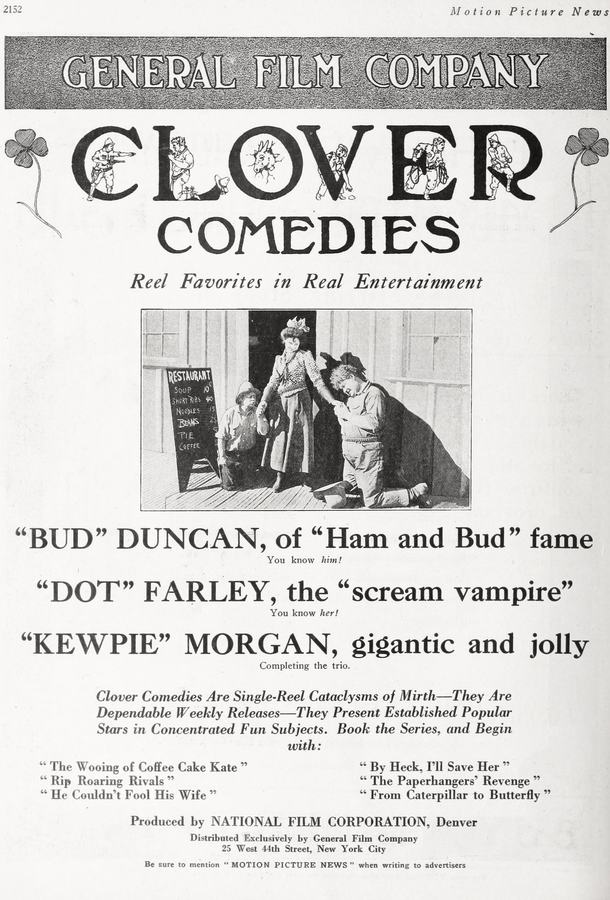
The annals of silent cinema are replete with tales of daring, drama, and the dramatic interplay of human foibles, but few capture the raw, unvarnished desperation of a man pushed to his limits quite like Rip Roaring Rivals. This cinematic relic, a fascinating glimpse into the early Western genre, transcends its seemingly simplistic premise to offer a surprisingly nuanced exploration of manipulation, survival, and the dark underbelly of frontier justice. It's a film that, despite its brevity and the technological constraints of its era, manages to etch a memorable, if morally ambiguous, narrative into the viewer's consciousness, proving that compelling storytelling needs no grand pronouncements, only clear intent.
At its core, Rip Roaring Rivals is a masterclass in tension building, a tightly wound spring of a plot that relies on character dynamics more than elaborate set pieces. The Lame Cow Saloon, far from being a vibrant hub of social activity, functions more as a pressure cooker, its owner (portrayed with a palpable sense of weariness and cunning desperation) finding his livelihood, if not his very life, imperiled by the persistent, menacing presence of two distinct forces of nature. On one hand, there's Three-Gun Perkins, a name that immediately conjures images of lethal efficiency and a quick trigger finger. On the other, the equally formidable Cold Steel Steve, whose chosen weapon – the knife – suggests a more intimate, perhaps more chilling, brand of violence. These aren't just patrons; they are existential threats, their volatile rivalry and unpredictable outbursts rendering the saloon an untenable environment for any semblance of peace or profit.
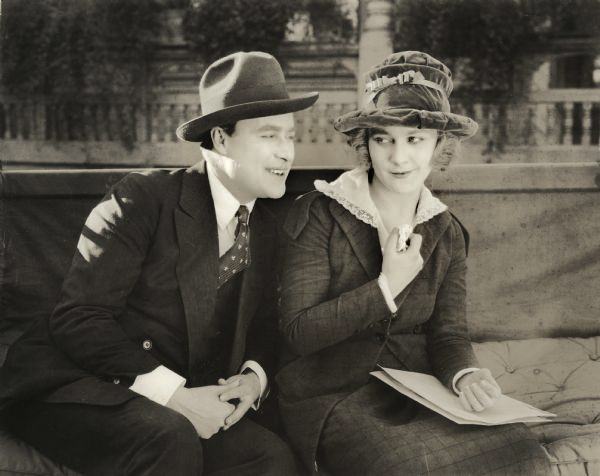
The genius, or perhaps the depravity, of the saloon owner’s plan lies in its audacious simplicity and its reliance on a classic trope: the femme fatale. Enter Nifty Nell, played with a captivating blend of charm and calculated resolve by Dot Farley. Nell is not merely a pawn in this deadly game; she is the catalyst, the agent provocateur whose mission is to weaponize desire itself. Her task is not just to flirt, but to actively woo both Perkins and Steve, to become the object of their competing affections, thereby fanning the embers of their existing animosity into a full-blown inferno. The ultimate goal is brutal in its clarity: to orchestrate a confrontation so explosive that at least one, if not both, of these troublesome figures are eliminated. It's a high-stakes gamble, a desperate roll of the dice in a world where law and order are often secondary to individual will and cunning. Farley’s performance as Nell is crucial here; she must convey both an innocent allure and a steely determination, a delicate balance that speaks volumes without a single spoken word, relying entirely on nuanced facial expressions and body language, a hallmark of the silent era’s finest performers.
The casting is particularly astute for a film of this vintage. Bud Duncan, often celebrated for his comedic timing, here brings a certain gravitas to one of the volatile antagonists, though it's the interplay between him and Kewpie Morgan as the other rival that truly ignites the screen. Morgan, with his distinctive screen presence, embodies the raw, untamed spirit of the frontier, a perfect foil to Duncan's perhaps more refined, yet equally dangerous, demeanor. Their silent exchanges, brimming with suspicion and burgeoning jealousy, are masterfully executed, relying on exaggerated gestures and intense gazes that were the lingua franca of early cinema. One can almost feel the tension crackle between them as Nell weaves her seductive web, each smile, each glance, a deliberate step towards the inevitable showdown. It’s a testament to their acting prowess that they can convey such complex emotions and motivations without the aid of dialogue, a skill that modern actors often struggle to replicate.
Beyond the immediate narrative, Rip Roaring Rivals serves as a fascinating artifact for understanding the nascent stages of the Western genre. Unlike the sprawling, epic narratives that would define later Westerns, such as the grand, often propagandistic sweep of The Birth of Patriotism or the ambitious scope of The Fall of a Nation, this film operates on a much more intimate, almost claustrophobic scale. The conflict is personal, the stakes immediate. There are no vast landscapes to conquer, no moral crusades to embark upon, only the gritty, desperate struggle for a small measure of peace in a chaotic world. This focus on individual survival and moral compromise sets it apart, offering a more cynical, perhaps more realistic, portrayal of frontier life than many of its contemporaries. It eschews the heroic archetypes for something far more human, more flawed.
The film's exploration of manipulation is particularly compelling. Nifty Nell, while seemingly an instrument, possesses a quiet agency. She is not merely an object of desire but an active participant, her actions dictating the flow of the plot. This subtle subversion of traditional gender roles, even within the confines of a silent short, is noteworthy. While not on the grand scale of a character-driven drama like The Courage of the Common Place, the film still manages to imbue Nell with a sense of purpose beyond her immediate function. Her performance, guided by the unseen hand of the director, transforms her from a simple plot device into a pivotal character whose choices, however guided, carry significant weight. This makes the film a precursor to later, more complex portrayals of women in cinema who wield their influence not through brute force, but through intellect and charm, much like the intriguing figures in The Vampires: Hypnotic Eyes or the enigmatic protagonist in The Masked Heart.
One cannot discuss silent film without acknowledging the unique demands placed upon its performers and its visual storytelling. In Rip Roaring Rivals, the reliance on visual cues, exaggerated expressions, and physical comedy (or drama, in this case) is paramount. The director skillfully uses close-ups to emphasize the shifting emotions on the characters' faces – the saloon owner’s furtive glances, Nell’s knowing smiles, Perkins’s and Steve’s narrowing eyes filled with suspicion and rage. Intertitles, sparingly used, provide crucial plot exposition and dialogue, but it is the visual narrative that truly drives the story forward. The blocking of the actors within the frame, the subtle shifts in their proximity, and the way they occupy space all contribute to the escalating tension. The film’s pacing, while brisk, allows sufficient time for these visual cues to register, creating a rhythm that pulls the audience deeper into the unfolding drama.
The thematic resonance of Rip Roaring Rivals extends beyond mere entertainment. It delves into the darker aspects of human nature: greed, desperation, and the lengths to which individuals will go to protect their interests. The saloon owner, while seemingly a victim, transforms into a ruthless strategist, willing to sacrifice others for his own survival. This moral ambiguity is a powerful thread throughout the narrative, challenging the audience to confront uncomfortable truths about human behavior. It’s a far cry from the straightforward morality plays often seen in early cinema, aligning more with the psychological intrigue of films like The Strangler's Cord or the complex machinations found in The Club of the Black Mask. The film doesn't offer easy answers; instead, it presents a scenario where survival dictates morality, a harsh lesson learned on the untamed frontier.
Moreover, the film implicitly critiques the very notion of 'justice' in such an environment. When traditional law enforcement is absent or ineffective, individuals resort to their own, often brutal, methods of problem-solving. The saloon owner's plan, while morally questionable, is presented as a logical, albeit extreme, solution to an intractable problem. This reflection on the societal structures, or lack thereof, in the Old West provides a sociological layer to the narrative, inviting viewers to ponder the conditions that breed such desperate measures. It’s a stark contrast to the often romanticized depictions of the West, offering a grittier, more pragmatic perspective that resonates even today. The raw survival instinct presented here is a universal theme, transcending time and genre, making the film's core message surprisingly enduring.
The enduring appeal of Rip Roaring Rivals lies in its ability to tell a complete, compelling story within a concise framework. It doesn't overstay its welcome, yet it leaves a lasting impression. The performances, particularly from Dot Farley, are a masterclass in silent screen acting, conveying a depth of character that belies the film's short runtime. The strategic interplay between the three main characters, driven by desire, fear, and desperation, creates a dramatic tension that is both palpable and profoundly engaging. The film’s uncredited writers crafted a narrative that is both archetypal and refreshingly cynical, a testament to the power of a well-conceived plot. While we may not know the specific hands that penned this tale, their understanding of human nature and dramatic conflict is undeniable, crafting a story as intricate as the emotional entanglements in Love's Pay Day or the moral quandaries of Satyavan Savitri.
In conclusion, Rip Roaring Rivals stands as a testament to the enduring power of silent cinema and the Western genre. It's a film that, despite its age, continues to captivate with its clever plot, memorable characters, and insightful exploration of human desperation. It's a reminder that even in the absence of spoken dialogue, a story can be told with profound impact, relying on the universal language of emotion and action. For enthusiasts of early film or those curious about the roots of the Western, this is a cinematic gem well worth seeking out, offering a window into a bygone era of filmmaking where ingenuity and expressive performance reigned supreme. Its legacy isn't in grand spectacle, but in its shrewd understanding of the human heart, particularly when it beats in the shadow of danger. It proves that a well-crafted narrative, regardless of its medium or era, possesses an indelible ability to resonate, making it a valuable piece of cinematic history that continues to 'rip and roar' through the decades.
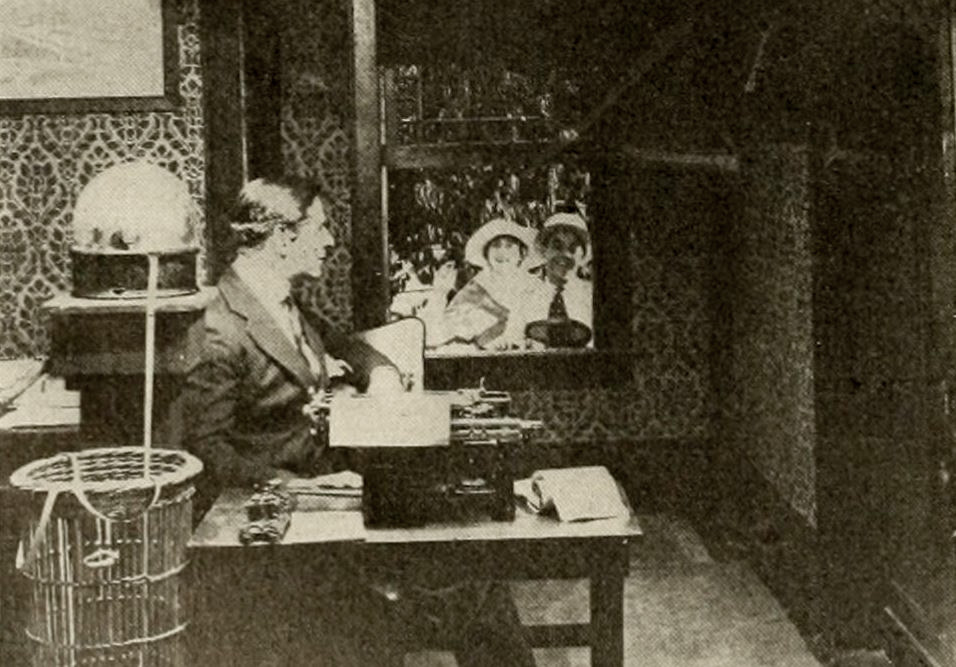
The visual aesthetic, characteristic of its time, is a study in stark contrasts and pragmatic framing. The interiors of the Lame Cow Saloon are functional, almost spartan, highlighting the grim reality of the owner's predicament. The camera is not afraid to linger on moments of quiet contemplation or simmering rage, allowing the audience to absorb the emotional weight of each scene. While perhaps lacking the intricate camera movements or elaborate mise-en-scène of later films like A fekete szivárvány, the film’s visual language is effective and direct. It’s a style that prioritizes clarity and emotional impact over stylistic flourishes, a pragmatic choice that serves the narrative well. The dark hues and often shadowy lighting, even in a silent film, contribute to the sense of foreboding and moral ambiguity that permeates the story, creating an atmosphere that is both tense and captivating. The reliance on strong visual cues for characterization and plot advancement is a testament to the silent era's unique storytelling prowess, where every gesture, every prop, and every composition had to convey meaning with utmost precision. This visual economy is a stark reminder of how much could be communicated without a single word, relying instead on the universal language of human expression and situational context. The film's overall production, while humble by today's standards, perfectly encapsulates the spirit of independent filmmaking of the era, where compelling stories were told with resourcefulness and artistic conviction.
IMDb 6
1914
Community
Log in to comment.