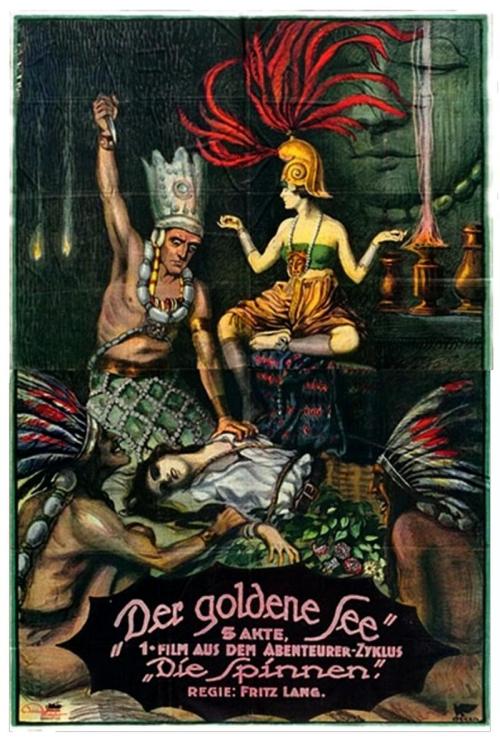
Silent Shadows and Golden Visions: Lang's Pioneering Adventure
Before Metropolis reshaped sci-fi or M revolutionized crime thrillers, a young Fritz Lang constructed The Golden Sea—a serialized adventure radiating primal cinematic energy. Released amidst Germany's post-war turmoil, this 1919 opener to The Spiders saga marries Jules Verne-esque escapism with Expressionist unease. Unlike the genteel exploits in contemporaneous fare like The Honorable Algy, Lang thrusts audiences into visceral global skirmishes where morality blurs like steam in a Chinatown alley. Here, treasure hunting isn't gentlemanly sport but a bloodsport orchestrated by shadowy powers.
The Protagonist as Privileged Predator
Carl de Vogt's Kay Hoog epitomizes early 20th-century colonial audacity—a wealthy sportsman treating global exploration as his private safari. His introduction, scaling treacherous cliffs for sport, instantly establishes him as a man intoxicated by risk. Yet Lang subtly undercuts this heroic framing. When Hoog coolly pockets the dying sailor's Inca map without notifying authorities, we witness entitlement masquerading as courage. De Vogt's physicality—all angular jawline and prowling gait—suggests a human cheetah stalking prey. Compare this to the comedic treasure hunters in Chase Me Charlie, and Hoog's dangerous glamour becomes starkly apparent.
Die Spinnen: Pulp Villainy as Corporate Enterprise
Opposing Hoog stands cinema's first truly modern antagonist organization. Led by the imperious Lio Sha (Ressel Orla), whose bejeweled fingers manipulate events from a high-tech lair, Die Spinnen operates with chilling corporatism. Lang visualizes their menace through geometric set design—spiderweb motifs echoing in everything from stained-glass windows to the patterned grille of an elevator. Their recruitment of disgraced sailor Terje (Georg John) via psychological coercion anticipates Bond villains by decades. In an era when screen criminals were often mustache-twirling individuals like those in The Kiss of Hate, Lang conceived villainy as an institutional force.
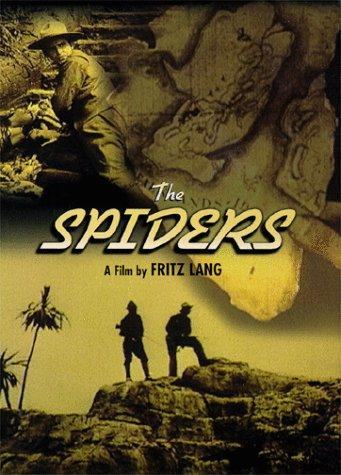
Archaeology of Influence: Unearthing Lang's Visual Grammar
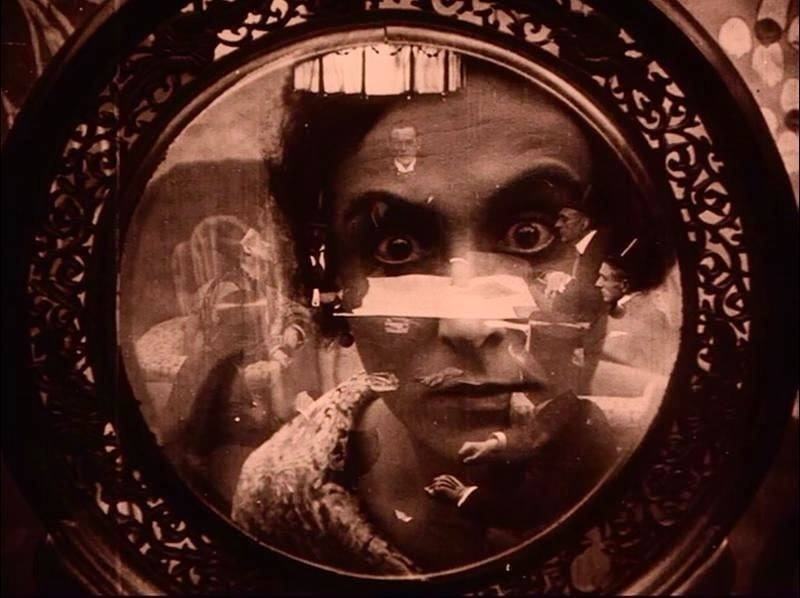
Lang's nascent genius crystallizes in the film's tectonic visuals. The Incan temple sequence remains staggering—a cavernous set drenched in chiaroscuro lighting where monolithic statues loom like petrified gods. Cinematographer Karl Freund (later of Dracula fame) employs canted angles during the opium den raid, transforming Chinatown into an expressionist nightmare of slanted doorways and looming shadows. This stands in stark contrast to the flat studio-bound aesthetics of comparable exotic adventures like Salome. Particularly revolutionary is the use of miniatures during Hoog's submarine journey—glimpsed through a porthole frame—creating palpable depth on minimal budgets.
Race, Representation, and Imperial Gaze
Modern eyes will wince at the portrayal of Incas as primitive mystics, though Lang complicates this exoticism. Lil Dagover's Naela transcends the 'doomed native' trope through subtle defiance—her eyes telegraphing contempt when Hoog pockets temple artifacts. The film's subtextual critique surfaces when Incan gold melts during the climax, symbolizing colonialism's destructive futility. Yet compared to the culturally nuanced (for its time) M'Liss, Lang's vision remains tethered to imperialist fantasies, revealing early cinema's pervasive blind spots.
"What electrifies isn't the treasure, but the hunt—Lang maps human avarice like a cartographer charting poisoned lands. Kay Hoog's moral corrosion parallels Germany's own post-war scramble for stability, making The Golden Sea a coded socio-political autopsy."
Thematic Currents: Gold as Spiritual Toxin
Beneath its pulp surface, Lang weaves a brutal critique of materialism. Gold's allure transforms characters into monsters: Terje murders his captain for the map, Lio Sha sacrifices underlings without hesitation, even Hoog abandons ethical codes. The mythical Golden Sea itself proves literally toxic—contact with its waters causes madness and death. This nihilism distinguishes it from contemporaneous capitalist satires like Business Is Business. Lang suggests treasure's true danger isn't losing it, but what becoming obsessed with it steals from your soul.
The Female Gaze in a Masculine World
In an era dominated by male adventurers, Lang grants unexpected agency to his women. Lio Sha commands boardrooms of male subordinates with glacial authority, while the Incan priestess Naela wields spiritual power that terrifies her captors. Their costuming speaks volumes—Lio Sha's razor-sharp tailoring versus Naela's ritualistic adornments—establishing distinct forms of matriarchal influence. Gilda Langer's cameo as club singer Sonya Drake provides sardonic commentary on the male power plays, presaging the complex heroines in A Doll's House adaptations.
Echoes Through Cinema: The Spiders' Unseen Legacy
Lang's serial planted seeds for genres yet unborn. The globetrotting structure directly influenced Indiana Jones, while Die Spinnen's organizational villainy became the template for SPECTRE in Bond films. The temple booby traps and ancient mechanisms anticipate adventure games like Tomb Raider. Even the morally ambiguous protagonist resonates in antiheroes from Casablanca's Rick Blaine to Breaking Bad's Walter White. Unlike the forgotten curiosities of The Soup and the Fish Ball, Lang's vision proved astonishingly fecund.
Restoration and Resonance: Why It Matters Now
Surviving in fragmented prints for decades, recent restorations reveal The Golden Sea as indispensable to understanding cinematic evolution. Its fusion of German Expressionism with American pulp pacing created a hybrid vigor that defined 20th-century spectacle. Watching Hoog navigate trap-laden temples today evokes video game logic before the medium existed. In our era of corporate syndicates and resource wars, the film's warning about avarice feels newly urgent. Like the mythical city it portrays, The Spiders lay buried for generations—but its excavated gold still gleams with prophetic power.
VISUAL INNOVATIONS
- Deep-focus shots in temple sequences creating layered depth
- Dynamic matte paintings expanding sets beyond physical limitations
- Subjective POV shots during opium haze sequence
- Mirror mise-en-scène contrasting characters' moral duality
CULTURAL CONTEXT
- Released during Weimar Republic hyperinflation crises
- Reflects German fascination with South American archaeology
- Influenced by postwar spy networks and corporate monopolies
- Preceded discovery of Machu Picchu by just eight years
The Verdict: A Fractured Relic Still Gleaming
The Golden Sea remains a beautifully flawed cornerstone—its narrative occasionally creaking under serialized demands, yet bursting with ideas that would define Lang's later masterworks. What it lacks in the psychological depth of The Mark of Cain, it compensates for with sheer imaginative bravura. See it not as a museum piece but as a lightning bolt from cinema's stormy adolescence—a reminder that genius often announces itself through messy, magnificent ambition. The spiders may spin their webs in monochrome, but the visions they trap are eternally golden.