DbcultAccessing Vault...
3.7/10
Senior Film Conservator
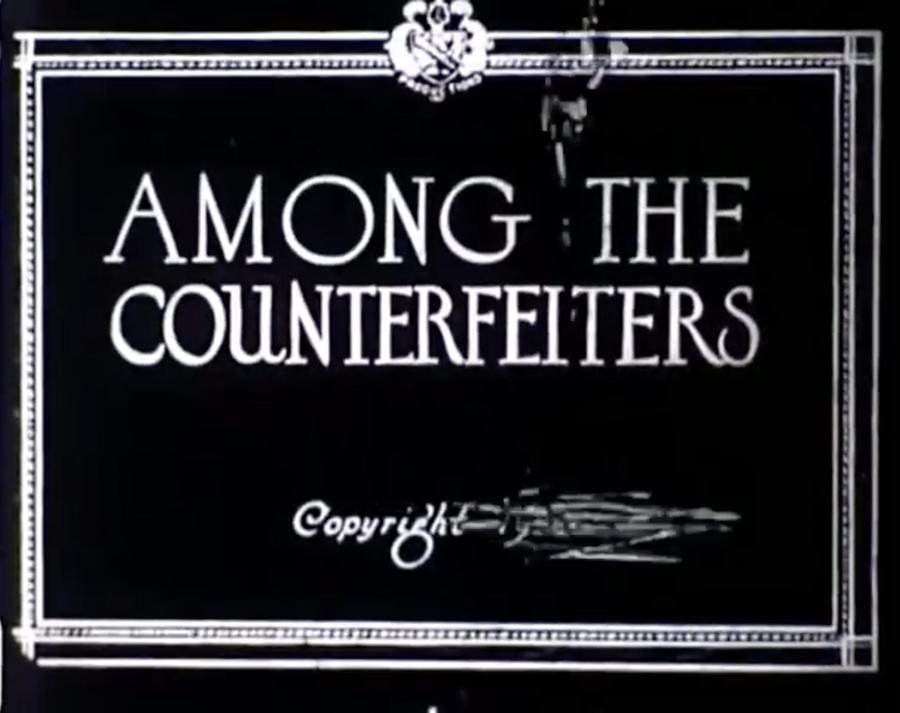
A definitive 3.7/10 rating for a film that redefined the boundaries of cult cinema. Among the Counterfeiters remains a cornerstone of transgressive art.
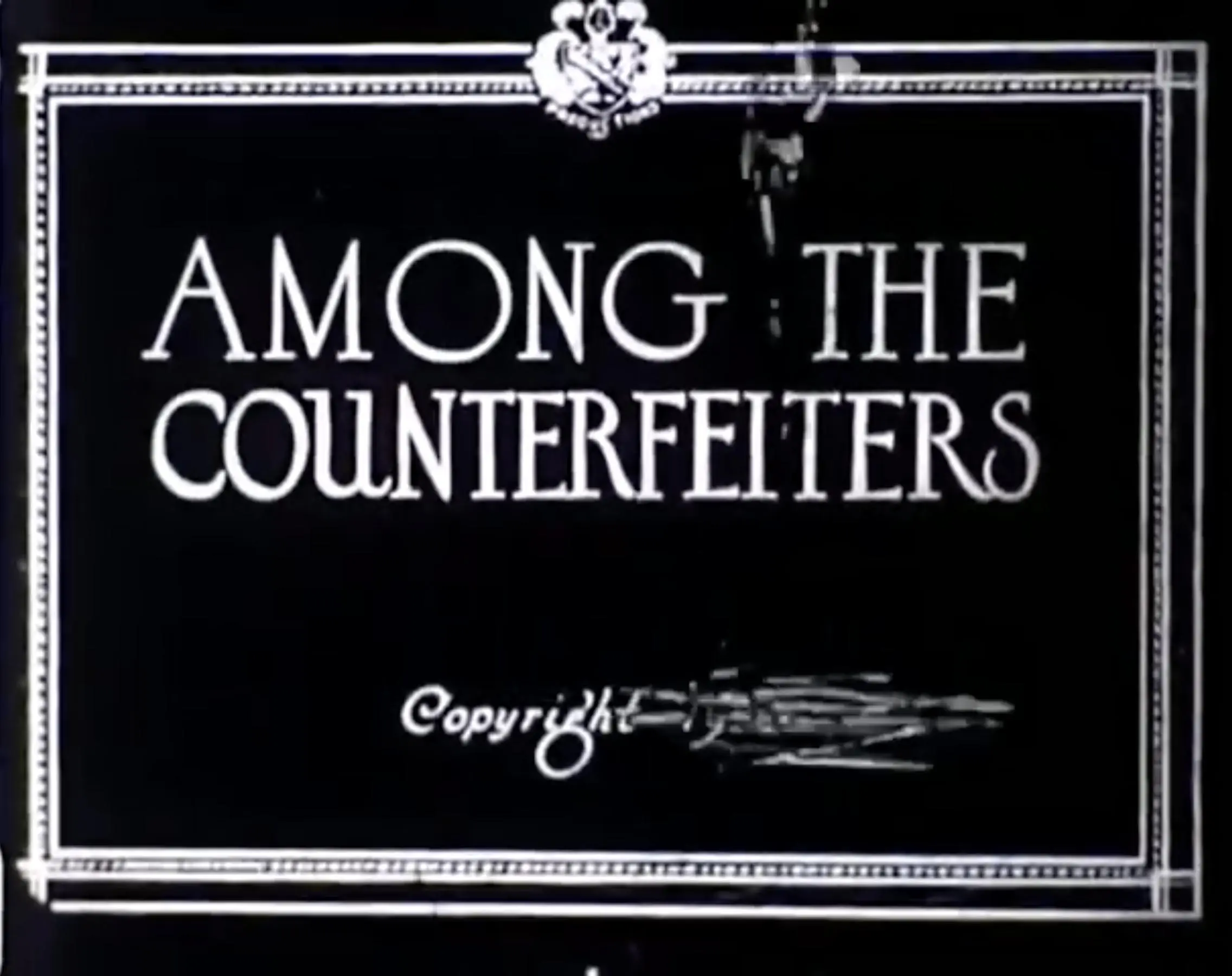
Stepping back into the flickering glow of early cinema, one finds a particular charm in the serialized adventures that captivated audiences week after week. Broadwell Productions' "Among the Counterfeiters," the third thrilling episode in the celebrated Nick Carter series, offers a quintessential slice of this bygone era. This particular installment, a veritable masterclass in silent-era crime drama, plunges viewers headfirst into a world where trust is a fragile commodity and the very foundation of commerce hangs precariously in the balance. It's a narrative that, despite its vintage, resonates with a timeless urgency, showcasing the enduring appeal of the lone detective battling forces of systemic deception. The film, a product of writers Tom Bret and George DuBois Proctor, demonstrates a keen understanding of pacing and suspense, weaving a complex tapestry of intrigue that keeps one utterly engrossed from its opening frames to its climactic resolution.
At its heart, "Among the Counterfeiters" is a meticulously crafted procedural, albeit one filtered through the dramatic lens of early 20th-century filmmaking. The plot, centered on Nick Carter's relentless pursuit of a sophisticated counterfeiting ring, eschews simplistic villainy for a more intricate portrayal of organized crime. We are not merely presented with a generic 'bad guy,' but rather a shadowy network whose operations are insidious, threatening to undermine the public's faith in the monetary system itself. This narrative choice elevates the stakes beyond individual theft, imbuing Carter's mission with a broader societal significance. The screenplay, penned by Tom Bret and George DuBois Proctor, navigates the complexities of such an undertaking with remarkable clarity, guiding the audience through the investigative process with a steady hand. Their collaborative vision ensures that each clue, each close call, feels earned, contributing to a cumulative sense of escalating tension.
The episode distinguishes itself by focusing on the intricate mechanics of detection rather than relying solely on high-octane action sequences, though those are certainly present. Carter's intellectual prowess is frequently foregrounded, allowing the audience to appreciate the cerebral aspect of his crime-fighting. This emphasis on deductive reasoning, a hallmark of the detective genre, is executed with a fluidity that belies the technical limitations of silent film. The progression of the plot feels organic, each discovery leading logically to the next, building a compelling case against the illicit operation. It’s a testament to the storytelling acumen of Bret and Proctor that they could maintain such narrative coherence within the episodic structure of a serial, ensuring that "Among the Counterfeiters" stands as a self-contained yet integral part of the larger Nick Carter saga.
The cast, though working within the expressive, often exaggerated conventions of the silent era, brings a palpable authenticity to their roles. Mae Gaston, a familiar face in the Broadwell repertoire, delivers a performance that is both nuanced and compelling. Her character, often a focal point for emotional resonance or plot advancement, is portrayed with a captivating blend of vulnerability and resilience. Gaston’s ability to convey complex emotions through gesture and facial expression is particularly noteworthy, allowing her to transcend the limitations of spoken dialogue. Her presence adds a vital human element to the often-gritty world of crime, providing a counterpoint to Carter’s stoic determination.
Colin Chase, presumably embodying the titular detective, brings a commanding presence to Nick Carter. His portrayal is one of quiet authority, a man whose intellect is matched only by his unwavering resolve. Chase avoids the trap of caricature, instead crafting a character who feels genuinely resourceful and intelligent. The subtle shifts in his demeanor, from intense concentration during an investigation to a determined intensity during a confrontation, speak volumes without the need for intertitles. His Nick Carter is not merely a hero; he is a symbol of steadfast justice, a beacon of order in a world threatened by chaos. This nuanced performance solidifies Carter's place as a compelling figure in early cinematic detective fiction. Thomas Carrigan, often cast in roles that demand a certain gravitas or menace, undoubtedly adds significant weight to the ensemble. His ability to project an aura of suspicion or villainy, even in the absence of dialogue, would have been invaluable in establishing the credible threat posed by the counterfeiters. The interplay between these performers, though silent, creates a dynamic tension that propels the narrative forward with considerable force.
The production values, typical of Broadwell Productions, are commendable. The sets, while perhaps not as sprawling as those seen in epic productions like The Glorious Adventure, are meticulously detailed, effectively establishing the grimy underbelly of urban crime and the clandestine nature of the counterfeiters' operations. The cinematography, a crucial element in silent film, skillfully uses lighting and framing to heighten suspense and convey mood. Shadows are not merely decorative; they become an integral part of the storytelling, obscuring villains, emphasizing hidden dangers, and creating an atmosphere of pervasive uncertainty. The editing, too, plays a pivotal role in maintaining the brisk pace characteristic of serials, ensuring that each scene contributes meaningfully to the unfolding mystery. There’s a deliberate rhythm to the cuts, designed to maximize dramatic impact and keep the audience perpetually on the edge of their seats.
Comparing "Among the Counterfeiters" to other contemporary works illuminates its particular strengths. While films like The Tree of Knowledge might delve into more psychological or societal dramas, the Nick Carter serial embraces a more direct, action-oriented approach to justice. The focus remains squarely on the external conflict and the intricate dance between detective and criminal. The stakes, while perhaps not as overtly dramatic as the life-or-death struggles in Fighting Odds, are nonetheless compelling, rooted in the very real threat to economic stability. This episode, in its commitment to a clear-cut good versus evil narrative, provides a distinct contrast to the moral ambiguities explored in works such as Betrayed, offering instead a reassuring sense of eventual justice.
Serials like Nick Carter were the television shows of their day, providing weekly doses of adventure and suspense that kept audiences returning. "Among the Counterfeiters" perfectly exemplifies the strengths of this format. Each episode needed to offer a satisfying, albeit often cliffhanger-laden, narrative arc while simultaneously advancing the overarching story. This particular installment manages to deliver a complete investigative journey, from the initial discovery of the counterfeit operation to its eventual dismantling, all while hinting at the broader criminal underworld that Carter continually confronts. This balancing act of episodic resolution and serial progression is a delicate one, and Bret and Proctor execute it with remarkable finesse. The anticipation generated by the serial structure is a powerful tool, drawing viewers into a prolonged engagement with the characters and their struggles.
The thematic undercurrents of the film, though presented within a crime narrative, touch upon societal anxieties regarding trust and deception. In an era of rapid industrialization and shifting social norms, the idea of counterfeit currency striking at the heart of economic stability would have resonated deeply with audiences. Carter, therefore, becomes more than just a detective; he is a guardian of societal order, an embodiment of the principle that truth and honesty will ultimately prevail against even the most cunning forms of deceit. This moral clarity, while perhaps viewed as simplistic by modern standards, was a comforting and powerful message for audiences of the time. The film's ability to tap into these collective concerns, much like the direct address of societal issues in A Man's Law, contributes significantly to its lasting impact.
"Among the Counterfeiters" contributes significantly to the legacy of the detective genre in early cinema. It demonstrates how effective silent films could be in crafting intricate mysteries and thrilling action
IMDb 5.2
1931
Community
Log in to comment.