DbcultAccessing Vault...
5.1/10
Senior Film Conservator
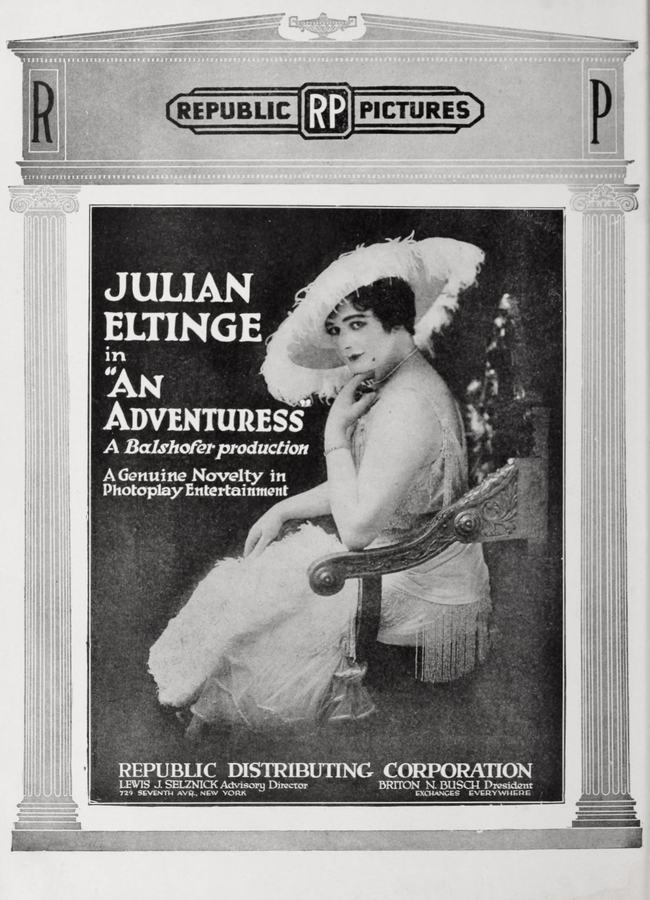
A definitive 5.1/10 rating for a film that redefined the boundaries of cult cinema. An Adventuress remains a cornerstone of transgressive art.
Alpania’s cobblestones still steam when the first reel unspools, as though the film itself were exhaled from a dragon’s mouth. Fred J. Balshofer’s camera—hungry, restless—licks palace balustrades, fish-market entrails, and the trembling décolletage of a continent unsure whether to crown a king or guillotine one. The resulting tableau vivant feels closer to a fevered lithograph than newsreel reality, every intertitle a shot of absinthe cut with gunpowder.
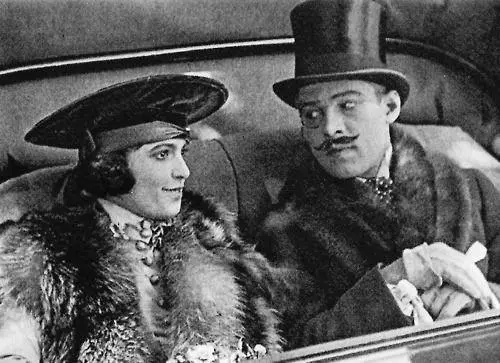
Cross-dressing in 1920 normally meant a fat man in a mop wig; An Adventuress dares something Christa Hartungen only flirted with—gender as both armor and Achilles heel. Valentino’s Fedora doesn’t wink at the audience; she seduces it. Hips sway to waltz time, eyes half-mast, cigarette holder tracing calligraphy of smoke. The illusion is so airtight that when Zana presses her lips to Fedora’s, the cut to a close-up feels like a slap delivered in silk glove. Desire ricochets off the screen, shatters any comfort of binary spectatorship.
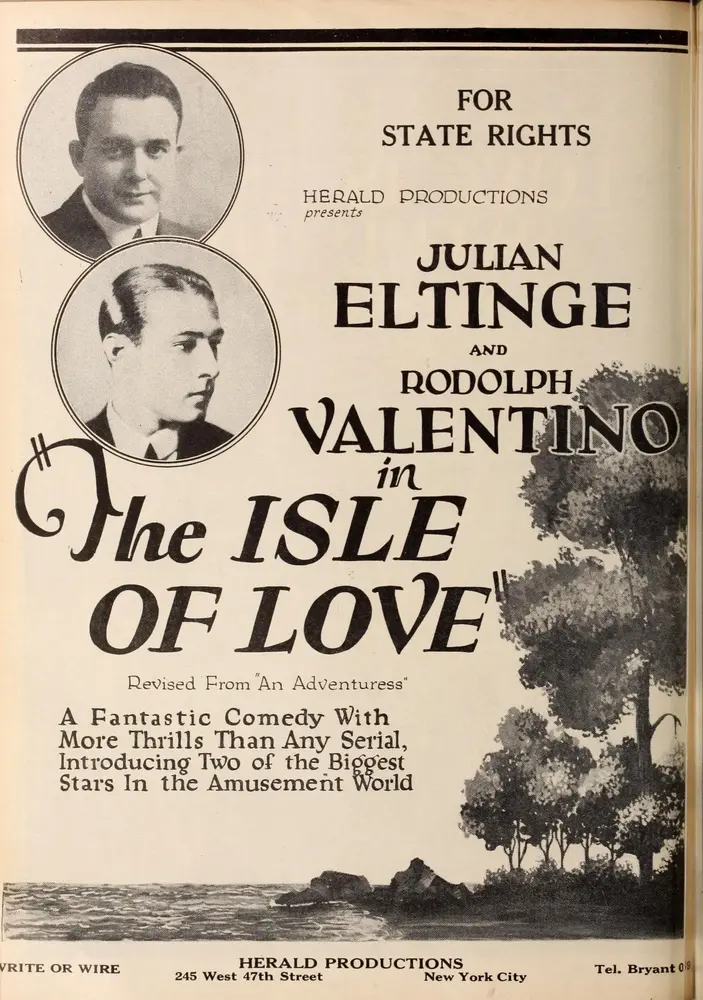
Alpania never existed, yet its factions throb with documentary fervor. The republicans sport crimson carnations and manifesto eyes; monarchists prefer obsidian capes, the fabric absorbing both moonlight and guilt. Geraghty’s script refuses to paint either side virtuous—every handshake hides a stiletto, every stiletto a poem. The resulting murk anticipates Journey’s End by a decade: war not as pageant but as a bureaucratic infection.
Brook’s rescue bombing is shot like a love scene: slow dissolve to the fuse, match-head blooming, cut to a cat arching its back, then the detonation—a white-hot exhalation that rattles sprocket holes. Critics yawn that early FX were crude; they never watched this print, where debris becomes confetti and blood turns molten gold. The sequence makes Set Free look like a sparkler in a drizzle.
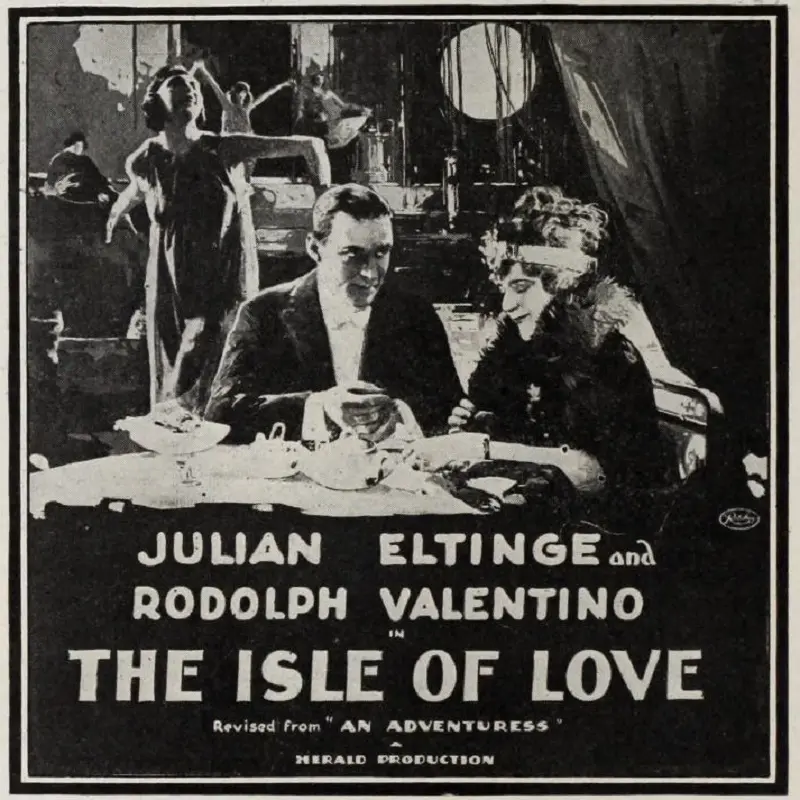
When Perry commandeers the biplane, Balshofer mounts the camera on the wing-strut, Valentino’s scarf snapping like a tricolor in torment. Clouds tear past, exposed by too-fast shutter, creating a stroboscopic hell. Below, Alpanian olive groves scroll like verdant circuitry; above, the sun burns a hole through nitrate, threatening combustion of both film stock and ideology. Pre-code cinema rarely attained such vertiginous metaphor—escape not just from captors but from the tyranny of fixed identity.
Virginia Rappe’s Zana deserves a monograph. She enters clutching a parasol shaped like a jellyfish, exits dragging a trunk of state secrets. Her chemistry with Valentino is less romantic than chemical: where he smolders, she detonates. Compare this to Alma Francis in The Slim Princess, whose charm is sugared; Rappe serves arsenic in lace.
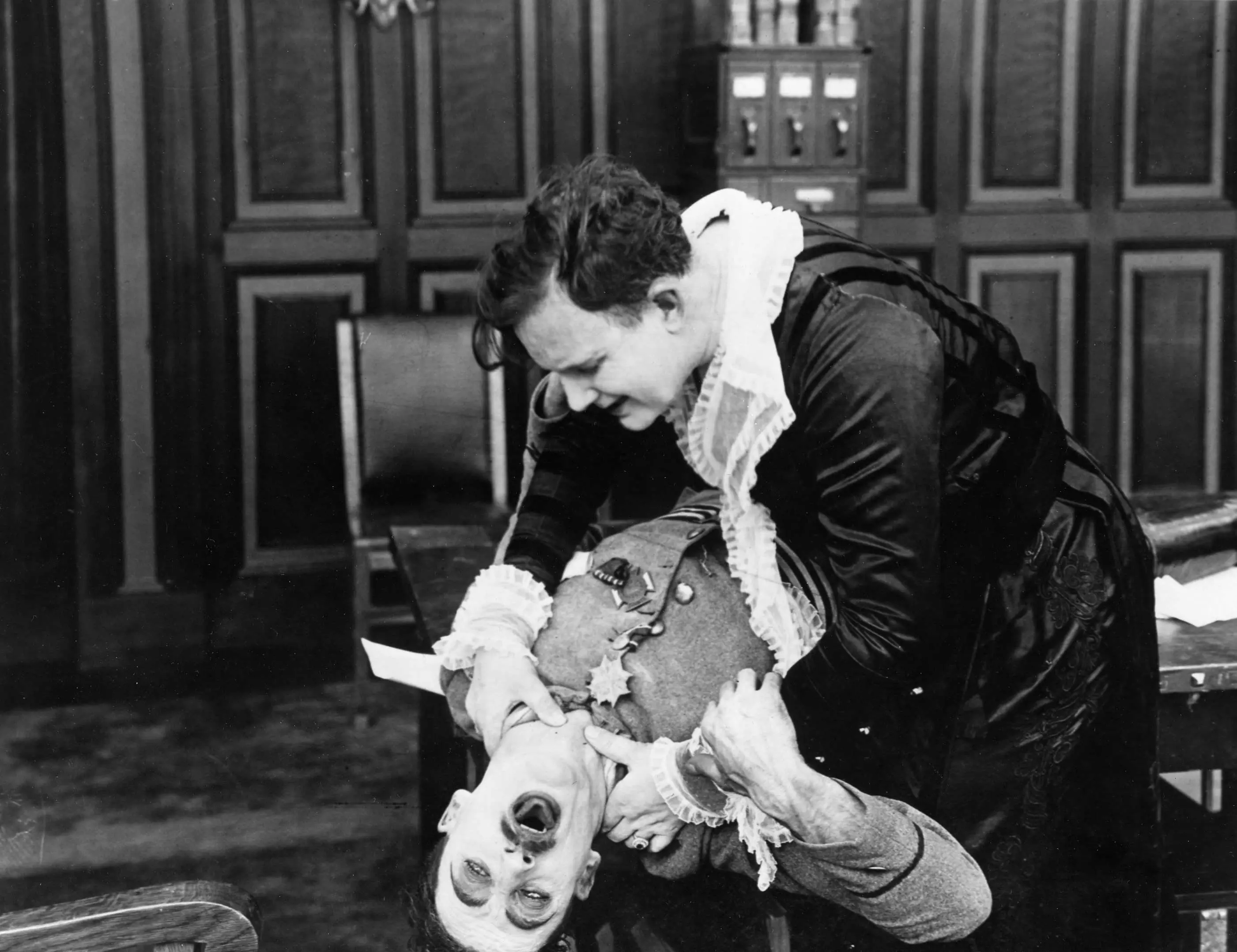
Stanton Heck’s Grand Duke Nebo is a sausage-fingered Nero, yet Balshofer gifts him a soliloquy—an iris-in on trembling jowl—revealing terror beneath bluster. It’s the inverse of Perry’s arc: the more lace Perry dons, the more potent he becomes; the more medals Nebo piles on, the more he deflates. A nation’s virility measured not in armies but in wardrobe choices—subversion so sly it slipped past censors wearing clown shoes.
Most prints circulate mute. Cinephiles at MoMA stitched a new score—cimbalom for Alpanian folk, saxophone for smoky boudoir, prop-plane engine for aerial climax—performed live with such vigor the parquet rattled. Suddenly intertitles sang; even the celluloid scratches looked pre-planned, like comet tails charting destiny.
Watch An Adventuress back-to-back with The Grey Parasol and you’ll see how parasols migrate from flirtation tool to semaphore of revolt. Pair it with Zakovannaya filmoi for a double bill on cinema’s obsession with imprisoning the gaze, then rinse your palate with La voix d’or to hear what the silents only dared imply.
Modern eyes will flinch at the colonial gaze—Americans swooping in to “save” Europe from itself. Yet the film cannily reverses the trope: Perry leaves not with treasure but with Zana, whose suitcase bulges with Alpanian archives. She becomes the diaspora, smuggling memory to Harlem speakeasies where the print still screens at 3 a.m., subtitles projected onto bed-sheets.
The surviving reel bears scorch marks from 1937 Fox vault fire—frames blister like burnt toast. Some call it sacrilege to screen damaged goods; I call it resurrection. Each missing frame is a phantom limb, inviting the viewer to graft their own flesh into the narrative wound. Ethical? Perhaps not. Electric? Inevitably.
By the time Perry and Zana vanish into Atlantic fog, you realize the film’s true coup: Alpania is not a country but a state of perpetual becoming—kingdom, republic, cinema, dream. We, the spectators, are its restless citizens, passports stamped in nitrate. To watch An Adventuress is to volunteer for exile from certainty, to trade binary for ballroom, to emerge powdered in dust yet drunk on ozone. And as the lights rise, you swear you smell gunpowder mingled with gardenias, the scent of a century refusing to behave.
IMDb 5.3
1933
Community
Log in to comment.