DbcultAccessing Vault...
6/10
Senior Film Conservator
A definitive 6/10 rating for a film that redefined the boundaries of cult cinema. Gow the Head Hunter remains a cornerstone of transgressive art.
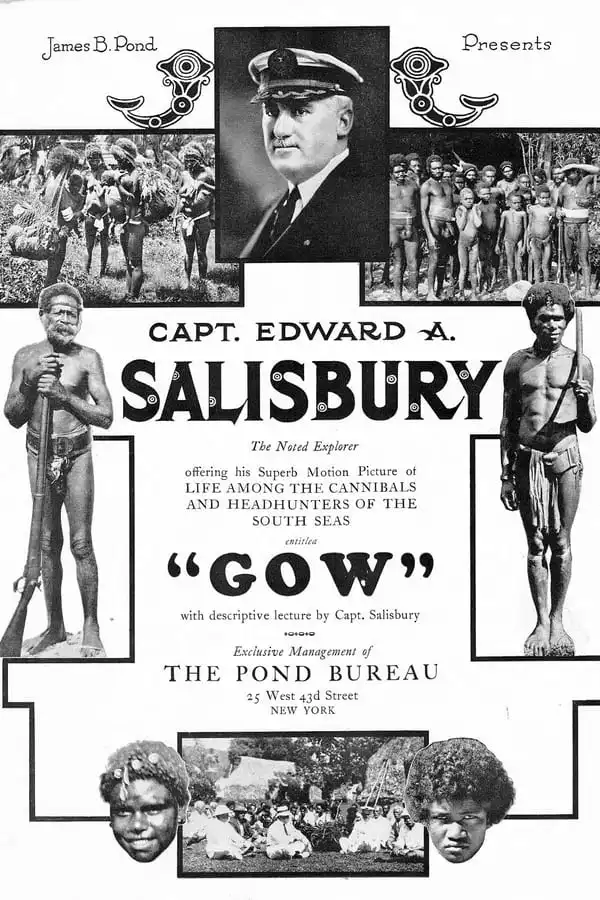
Gow the Head Hunter is less a film in the modern sense and more a flickering window into a very particular, very uncomfortable slice of history. Is it worth watching today? Mostly for the curious, the documentarians, or anyone with a deep interest in early 20th-century exploration and its often-problematic gaze. If you’re looking for a gripping plot or nuanced characters, you'll probably hate it. This is raw, often unsettling ethnographic footage from nearly a century ago, assembled by explorer Edward A. Salisbury. It's a relic.
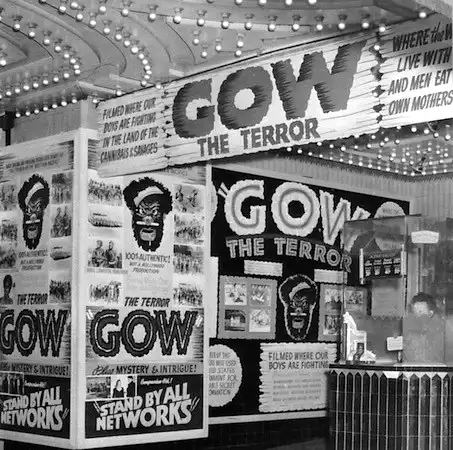
The film opens with a grand sense of adventure, Salisbury’s presence (via the intertitles) establishing him as the intrepid guide. He spent eighteen months in the New Hebrides, collecting these images, and you can feel that long stretch of time in the footage itself. Some shots are remarkably clear for their age, crisp even, capturing the dense jungle or the ocean with a surprising clarity. Then, abruptly, you get a stretch of grainy, almost abstract motion, like they were just trying to use up every last scrap of film stock.

What immediately stands out, beyond the visual quality, is the tone. Salisbury isn't just showing you things; he's telling you exactly what to think about them. The intertitles are less informative captions and more direct pronouncements, often sensationalizing or exoticizing the people he’s filming. It leaves very little room for the viewer to form their own impressions. You can almost feel the movie trying to convince you this moment matters, or that this custom is truly 'savage'.
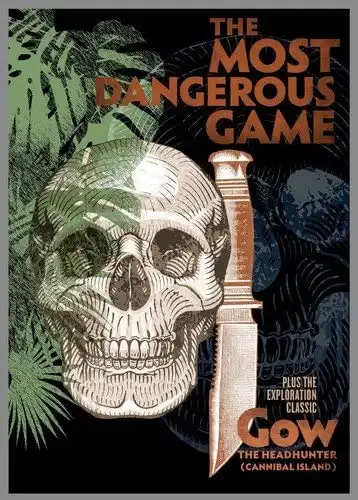
The pacing is… well, it’s a silent documentary from the 1920s. There’s a lot of lingering. A sequence showing a dance ritual goes on for what feels like five full minutes, the same movements repeated, the camera static. You start to wonder if the editor simply couldn't find a natural cut point or if the footage was just too precious to trim. It becomes less about the dance itself and more about the sheer endurance of watching it.
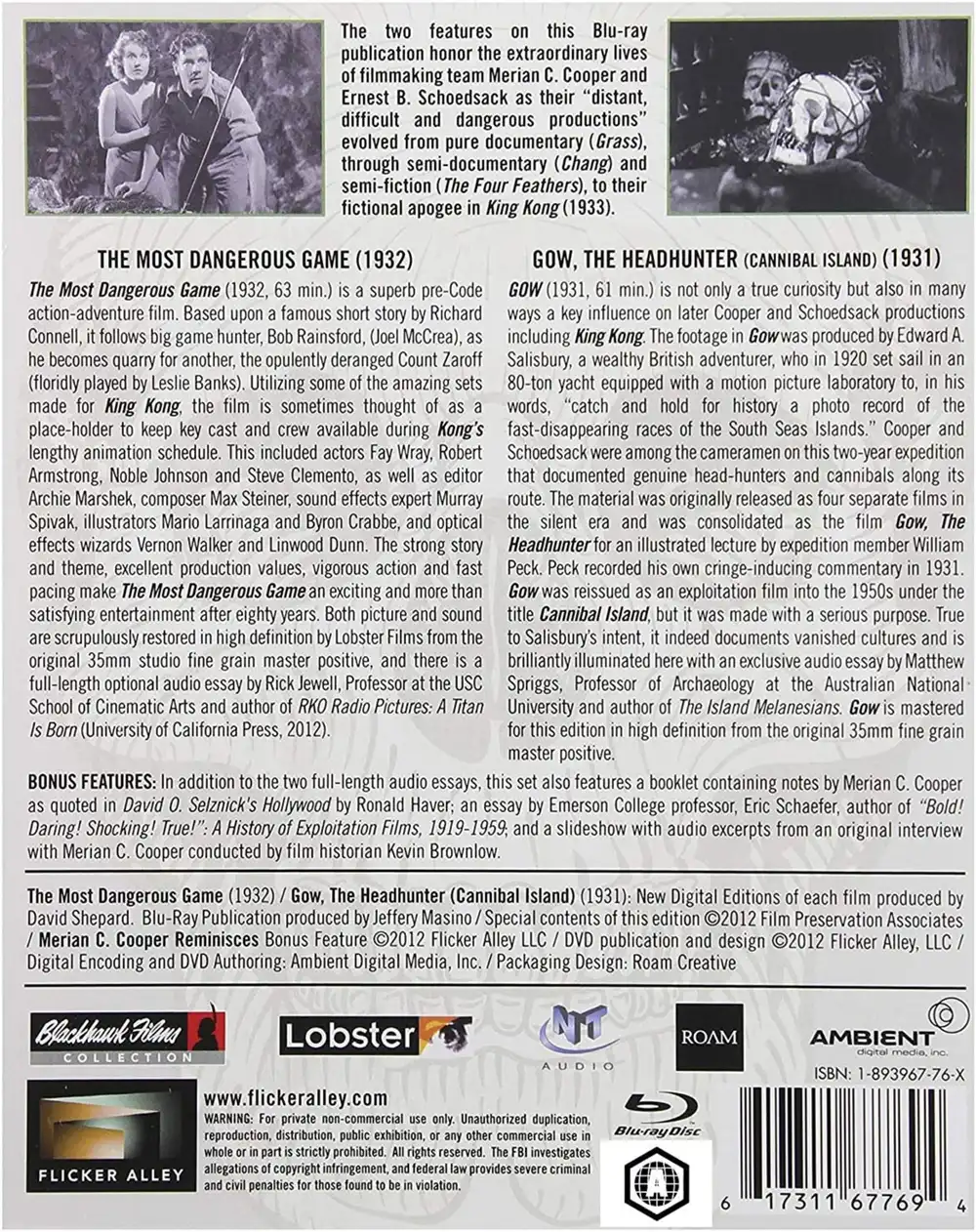
And then there are the people themselves. They are rarely presented as individuals. They are 'the natives,' a collective subject for Salisbury's lens. You see glimpses of daily life – women weaving, men fishing, children playing – and these are the moments that truly resonate, quiet and unforced. But then the film often snaps back to its central premise, the 'gow' of the title. Salisbury explains 'gow' is the practice of head-hunting, not a person, which is an important distinction, but the film still leans heavily into the sensationalism of it all.
The actual depiction of 'gow' is interesting in its restraint, or perhaps its evasiveness. It’s talked about, hinted at, shown through ceremonial objects rather than direct, graphic action. Which is probably for the best, ethically speaking, but it also means the film doesn't quite deliver on the lurid promise of its title. It feels a bit like a bait-and-switch, a sensational frame around what is often just observational footage.
One particular shot stuck with me: an older man, his face weathered, looking directly into the camera. No smile, no performance, just a direct gaze. For a brief moment, the layers of colonial observation fall away, and you see a human being, not a specimen. Those unexpected, unscripted moments are the film's true power, fleeting as they are.
It's hard to watch Gow the Head Hunter without feeling the weight of its historical context. It’s a document of a time when exploration often blurred into exploitation, and documentation into objectification. It's not an easy watch, nor is it particularly entertaining in the modern sense. But as a window into the past, as a study in early ethnographic filmmaking and its inherent biases, it offers something genuinely unique. It’s a film to be studied, perhaps, rather than simply enjoyed. Like The Slaver, it makes you think about the narratives we choose to preserve.
IMDb 6.4
1923
Community
Log in to comment.