DbcultAccessing Vault...
Cult Review
Senior Film Conservator
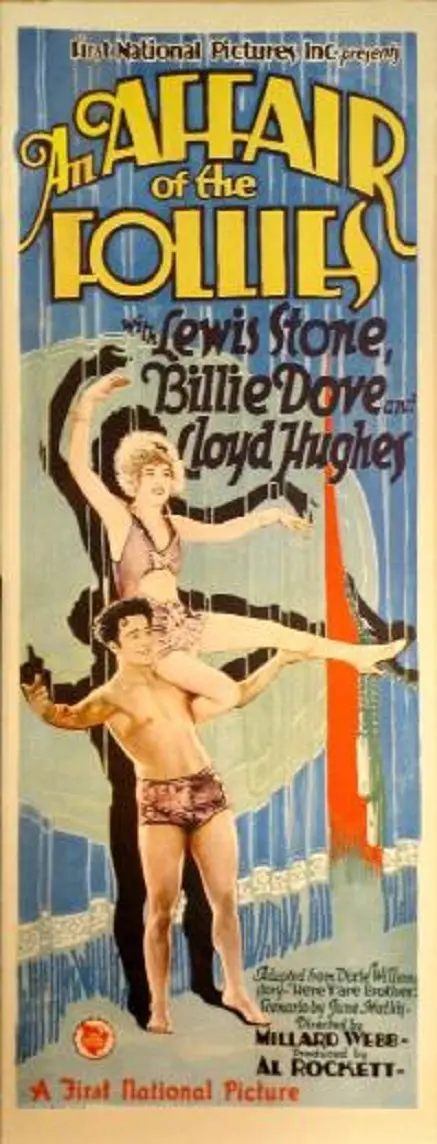
Is An Affair of the Follies a hidden gem of the silent era or merely a dusty relic of 1927? Short answer: It is a fascinating, if narratively strained, character study that perfectly captures the gendered anxieties of its time. This film is for viewers who enjoy high-stakes domestic drama and the visual opulence of the Jazz Age; it is decidedly not for those who demand logical plot progression or modern pacing.
The film works because the central conflict—the tension between a husband's pride and a wife's necessity—feels visceral and timeless. However, it fails because the second half relies on a series of coincidences so outrageous they threaten to derail the emotional groundedness of the first act. You should watch it if you want to see Billie Dove at the height of her screen power or if you are interested in how the 'New Woman' of the 1920s was portrayed in mainstream cinema.
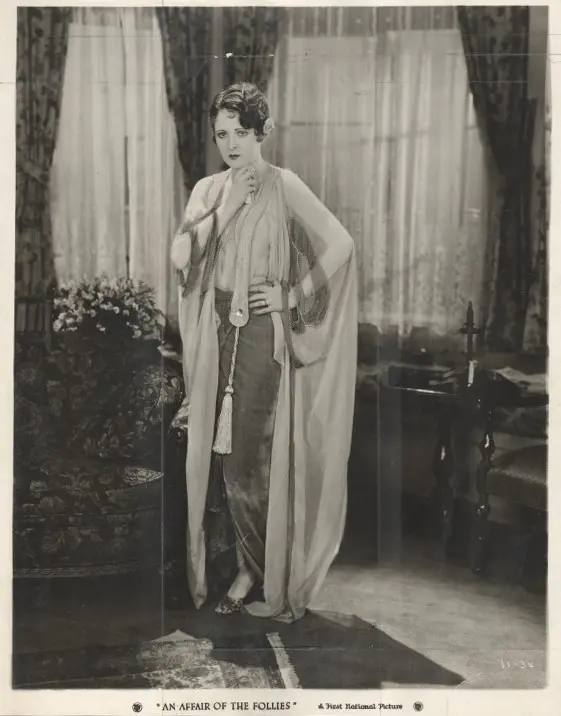
At its core, An Affair of the Follies is a story about the precariousness of the middle class. Lloyd Hughes plays Jerry with a nervous, twitchy energy that perfectly encapsulates the fear of the 1920s working man. When he loses his job, the camera lingers on his slumped shoulders and the way he avoids Tamara’s gaze. It is a quiet, devastating opening that sets the stage for everything to follow.
The film doesn't shy away from the harsh reality that, for many women of the era, the stage was the only place where they could earn a living wage that rivaled a man's. Tamara’s return to the Follies isn't portrayed as a flight of fancy, but as a calculated, necessary move. This puts the film in conversation with other contemporary works like Pretty Lady, which also explored the intersection of glamour and survival.
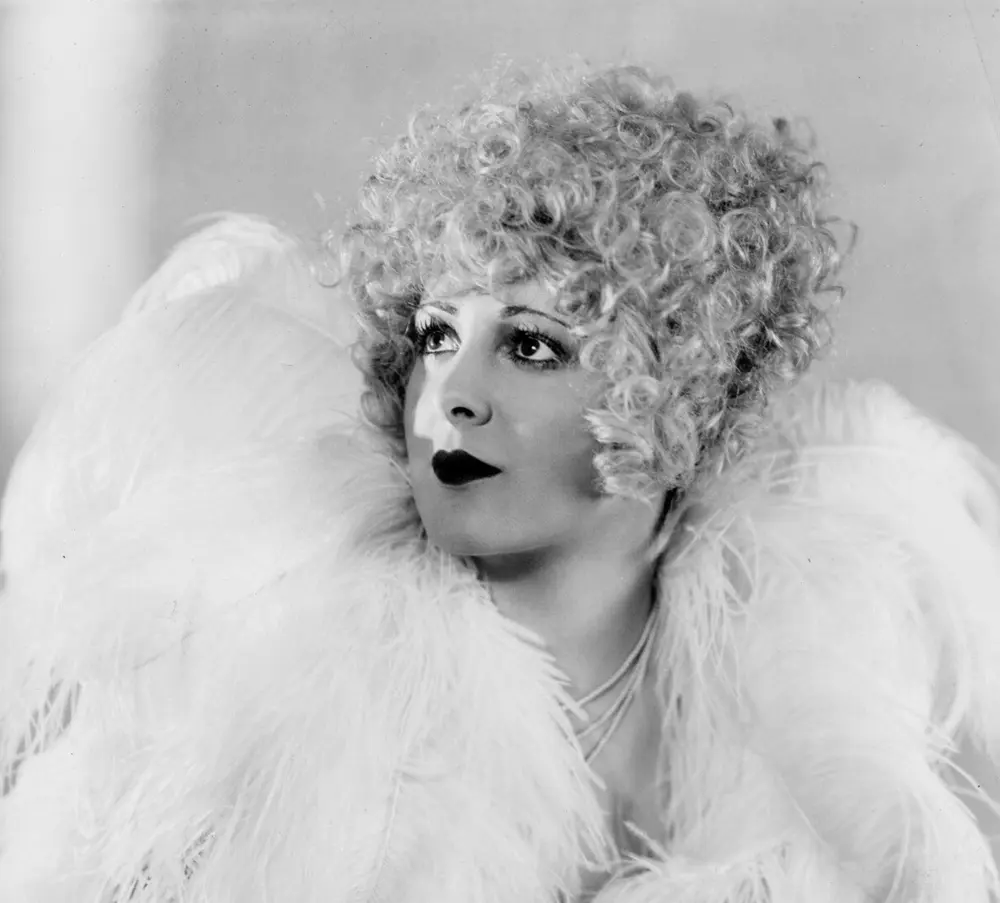
Yes, An Affair of the Follies is worth watching for anyone interested in the evolution of the domestic melodrama. While the plot beats may feel familiar to modern audiences, the execution—particularly the cinematography and the nuanced performances of the lead cast—elevates it above standard genre fare. It provides a window into a specific moment in American history when traditional roles were being challenged by economic shifts.
The visual contrast between the cramped, shadows-heavy apartment Jerry and Tamara share and the bright, expansive world of the Follies stage is striking. Director Millard Webb uses light to define the two worlds: the domestic sphere is one of limitation, while the stage is one of terrifying possibility. This visual storytelling is far more effective than the title cards themselves.
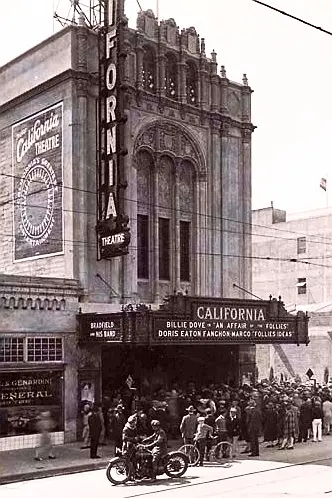
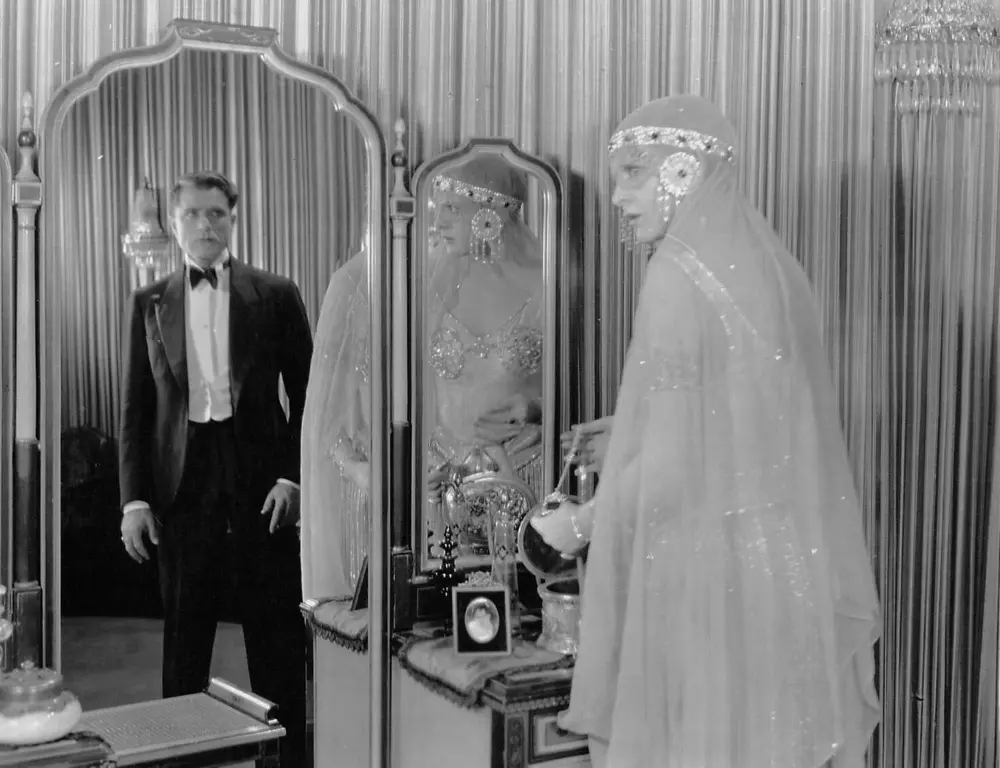
Billie Dove was often called 'The American Venus,' but that moniker does a disservice to her acting range. In this film, she manages to convey a complex mix of guilt, ambition, and lingering affection. There is a specific scene where she prepares for her first night back on stage, staring into the mirror with a look that is half-triumph and half-terror. It is a haunting moment that speaks volumes about the cost of independence.
Compared to her work in films like The Mystic, Dove here feels more grounded, less like a caricature of a 'damsel' and more like a woman making hard choices. Her chemistry with Lloyd Hughes is palpable, making their eventual separation feel like a genuine tragedy rather than a plot convenience. You feel the weight of their history in every shared frame.
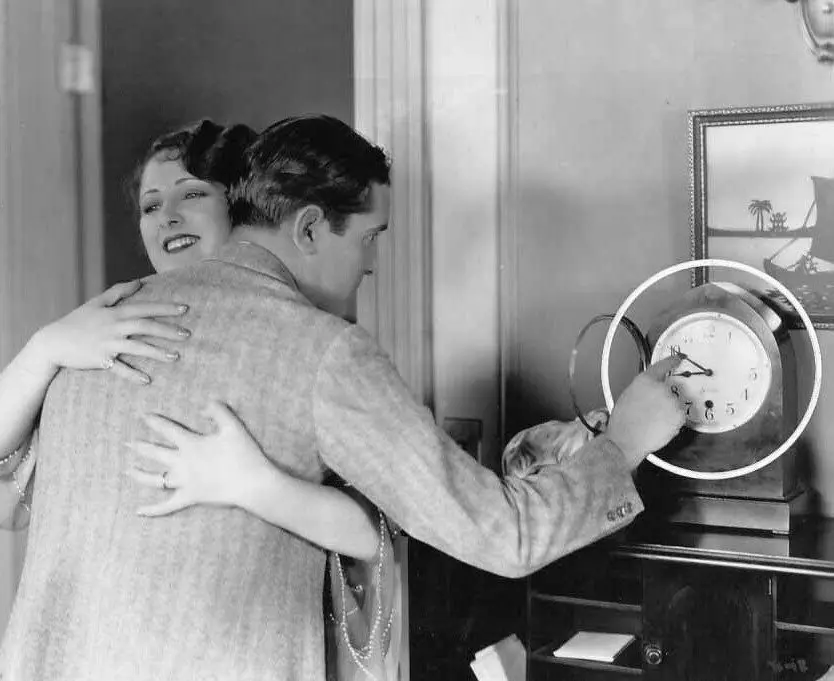
The introduction of Lewis Stone as Hammersley is where the film takes its most debatable turn. Stone is, as always, impeccable. He brings a weary sophistication to the role of the millionaire, but the way he is integrated into the plot is almost laughable. Jerry and his inventor friend just happen to be sitting next to him at a restaurant? It’s a bit much.
This reliance on chance is a common trope of the era, seen in other films like Nearly Married, but here it feels particularly jarring because the first act was so rooted in social realism. However, an unconventional observation: perhaps the coincidence is the point. In the world of the Follies, the film seems to argue, the distance between the gutter and the penthouse is only as thick as a restaurant partition.
Arthur Stone’s character, the inventor, provides much-needed levity, but his subplot feels like it belongs in a different movie. While his presence facilitates the meeting with Hammersley, his 'great invention' is never given the weight it needs to feel important. It works. But it’s flawed. The film would have been tighter if the connection to Hammersley had been forged through Tamara’s world rather than this tangential invention storyline.
June Mathis, one of the most powerful writers in Hollywood at the time, clearly had a hand in shaping the film’s thematic depth. The way the camera moves through the Follies dressing rooms feels voyeuristic yet respectful. We see the sweat behind the sequins. This isn't just a 'backstage' movie; it's a 'behind the curtain' look at the labor of beauty.
The pacing in the middle section drags slightly as the film tries to balance the three disparate storylines: Jerry’s struggle, Tamara’s rise, and the inventor’s antics. Yet, the third act brings it all together with a surprising amount of tension. The scene where Tamara goes to Hammersley’s house is filmed with a sense of dread that rivals any modern thriller. We are left wondering: is she there for love, for money, or for revenge against the husband who doubted her?
An Affair of the Follies is a striking example of late-silent cinema that manages to be both a product of its time and a critique of it. While the script by June Mathis and Carey Wilson occasionally leans too hard on the crutch of coincidence, the core emotional truth of the film remains intact. It is a story about the pride that destroys and the necessity that builds. Lewis Stone and Billie Dove are a formidable screen pairing, even if their characters are often at odds.
If you can look past the clunky 'inventor' subplot and the occasionally saccharine title cards, you will find a film that is deeply concerned with the human condition. It isn't a masterpiece, but it is a compelling, visually rich experience that deserves a place in the conversation about 1920s cinema. Like The Mysterious Mr. Tiller, it uses the trappings of genre to explore deeper social anxieties. It works. It’s flawed. It’s essential for the completionist.
"A poignant reminder that in the 1920s, as now, the line between success and failure was often as thin as a stage curtain."
IMDb 6.9
1932
Community
Log in to comment.