DbcultAccessing Vault...
Cult Review
Senior Film Conservator
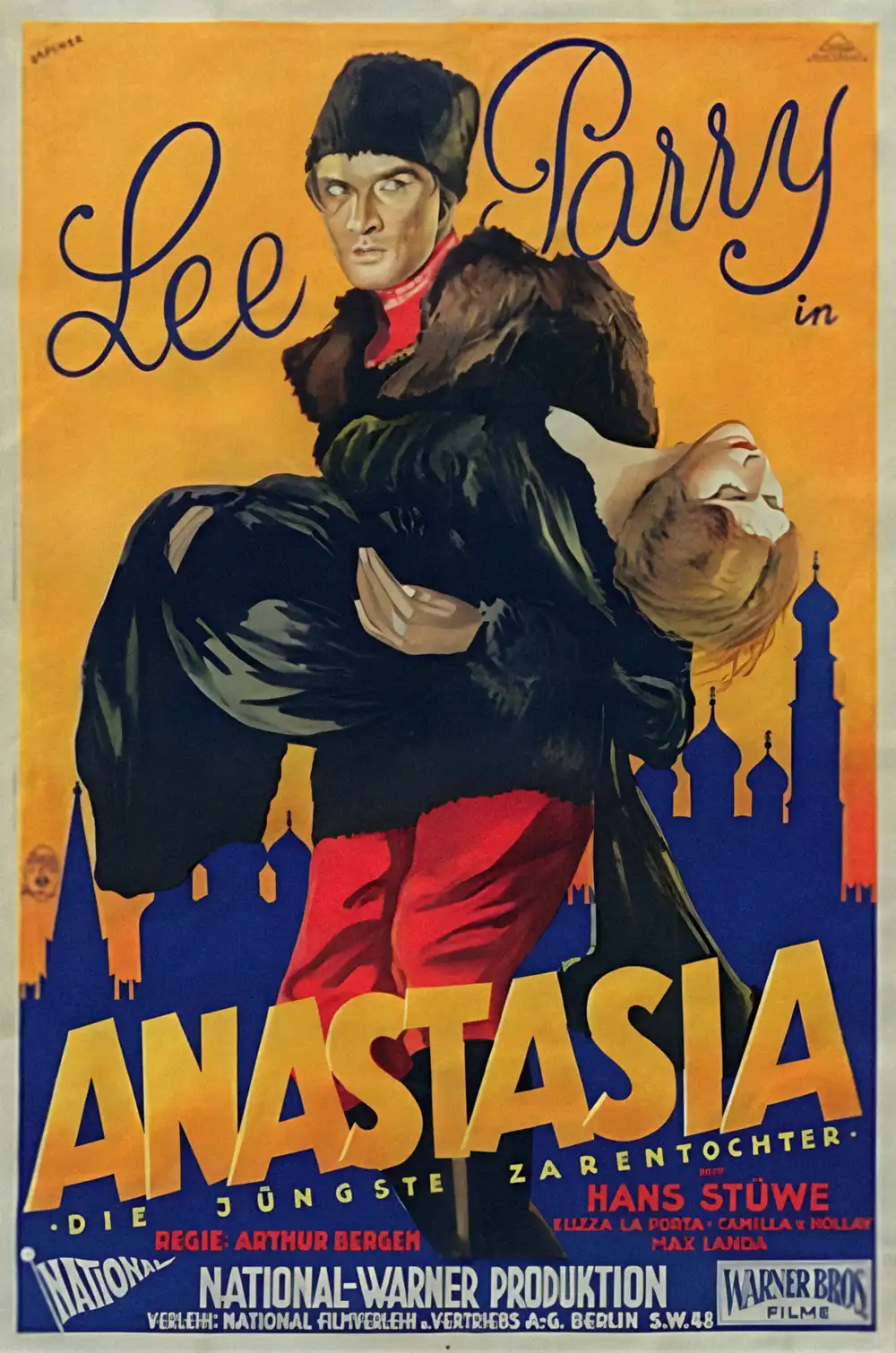
Alright, so Anastasia, die falsche Zarentochter is definitely one for a very specific crowd. If you’re into early cinema, silent films, or just obsessed with royal history and unsolved mysteries, then yeah, give it a shot. You might actually find some cool stuff in it. But if you’re hoping for a fast-paced drama with snappy dialogue or special effects, you’re going to be bored stiff. Like, really, really bored. So consider yourself warned. 🕰️
The whole Anna Anderson story, right? It’s just wild, even now. This film from 1928 takes us right into that whirlwind, trying to piece together the life of a woman claiming to be the lost Russian Grand Duchess. It’s less about explosions and more about the quiet intensity in someone’s eyes.
Lee Parry, playing Anna Anderson, carries so much of this film on her shoulders. Her face, in those close-ups, she’s got this incredible ability to look both completely utterly lost and utterly convinced all at once. You see her character just… existing, almost, in a world that doesn’t quite believe her. Or doesn't want to. It’s a subtle thing, but it hits.
There's this one scene, I think it’s early on, where she's just staring out a window. And the way the light catches her, it’s like you can almost feel the weight of the past pressing down. No words needed. That’s the power of silent film sometimes, isn't it? It forces you to actually *look* at faces. 👀
Other characters swirl around her, mostly defined by their reactions. Erwin Kalser’s character, I believe, he’s often seen with this deep skepticism, almost a weariness. Like, “here we go again, another one.” It makes you wonder how many similar stories people heard back then.
The pacing, well, it’s a silent film from the late 20s. Expect it to be… deliberate. There are moments that linger for what feels like ages. Sometimes it works, building a real sense of dread or quiet contemplation. Other times, you find yourself checking if the projector is stuck. But that's part of the charm, I guess, for those who appreciate it.
What I really liked was how it sort of captures the *feeling* of a historical moment. Not just the facts, but the atmosphere of doubt, of yearning for answers, and the tragedy that hung over Europe after the revolution. The sets and costumes, they’re simple but effective. You get a sense of the time without being overwhelmed by it.
There are some really great shots, too. The way they use shadows to emphasize inner turmoil, or how a quick cut to a newspaper headline gives you all the context you need. It’s not flashy, but it’s smart moviemaking for its era.
I found myself thinking about the idea of identity throughout. Like, what makes someone who they are? Is it memories? Is it what others believe? Parry's performance makes you really grapple with that. Is she *lying* or truly *believing* her own story? It’s hard to tell, even in the end. And maybe that's the point.
Don't go into this expecting a definitive answer. The film, like the real-life mystery, keeps things pretty ambiguous. It’s more interested in the human drama around the claim than in solving the historical puzzle outright. Which, frankly, is probably the best approach for a story like this. You can't just *solve* Anastasia in ninety minutes. 🤷♀️
If you've seen other silent dramas or historical biopics from that period, you’ll recognize the rhythm. It’s a slow burn, but it does get under your skin if you let it. I probably wouldn’t recommend it for a casual movie night with friends. Unless your friends are all silent film enthusiasts. Then, absolutely. Grab some popcorn, maybe a notepad.
It’s a curious piece of cinema history, a time capsule of how people processed current events through the lens of early film. And for that, it's pretty darn interesting. Just don't expect it to move at a modern pace. It’s a different beast entirely. It felt like watching history unfold, twice over: the story itself, and the way it was told.
IMDb 6.4
1931
Community
Log in to comment.