DbcultAccessing Vault...
6.1/10
Senior Film Conservator
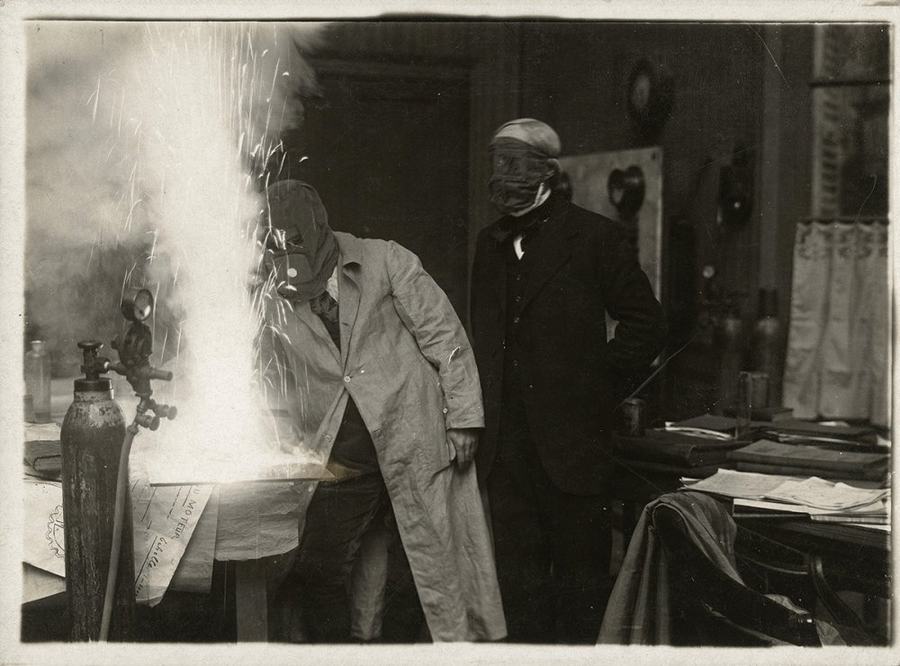
A definitive 6.1/10 rating for a film that redefined the boundaries of cult cinema. Les gaz mortels remains a cornerstone of transgressive art.
Abel Gance, a titan of early French cinema, often conjured narratives of epic scale and profound human struggle. While many rightly laud his later, more monumental works, it is in films like Les gaz mortels that we witness the nascent stages of his visionary power, an exploration of morality and the devastating impact of global conflict that resonates with startling clarity even today. Released amidst the maelstrom of the First World War, this film, though perhaps overshadowed by Gance's subsequent masterpieces, serves as a crucial artifact, a testament to the era's anxieties and the burgeoning potential of the cinematic medium to grapple with complex ethical quandaries. It presents a stark, almost allegorical, narrative that pits individual humanism against the inexorable, dehumanizing machinery of war, a theme Gance would revisit with even greater intensity in later productions.
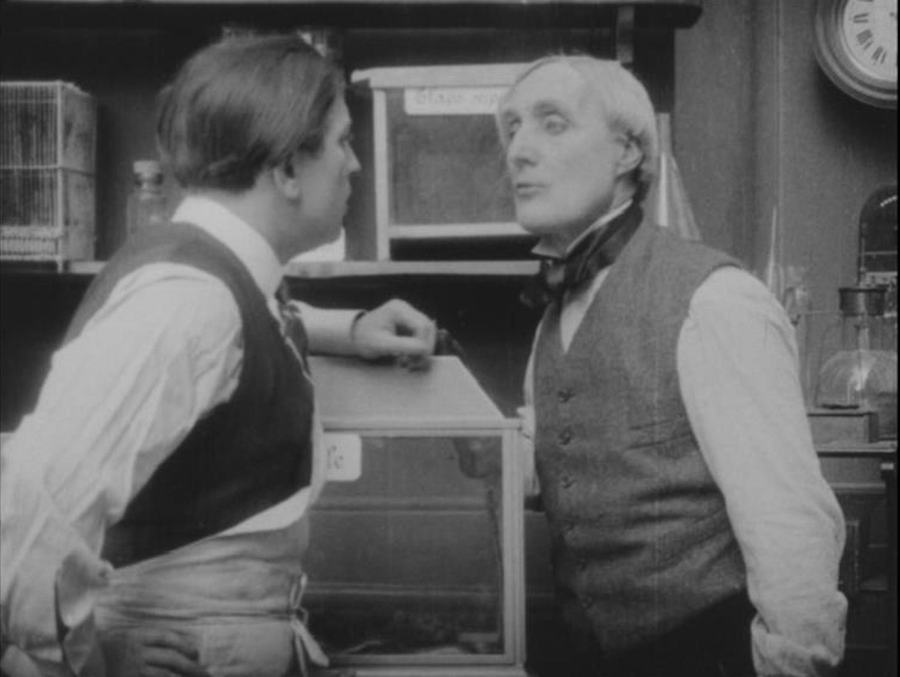
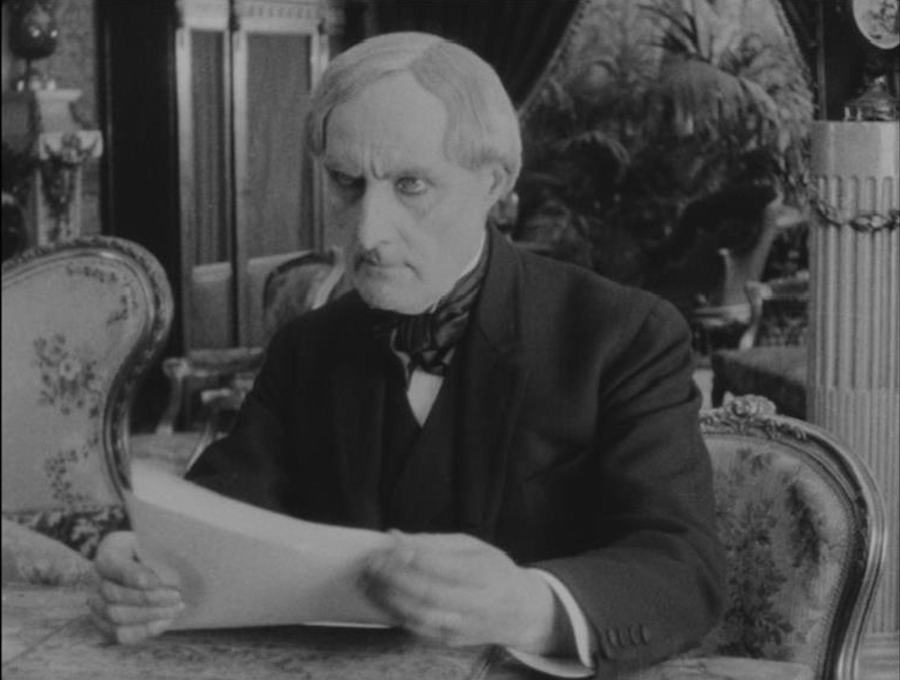
The core of Les gaz mortels lies in the character of Dr. Hobson, portrayed with a compelling blend of intellectual gravitas and inherent benevolence by Henri Maillard. Hobson is introduced not merely as a scientist, but as a humanist deeply immersed in the study of ophidians – a fascinating, almost paradoxical choice given the common perception of snakes. His laboratory, rather than a sterile chamber of cold reason, appears as a sanctuary, a place where life, even in its most feared forms, is understood and respected. This initial portrayal meticulously establishes Hobson's moral compass, a man whose scientific endeavors are rooted in a desire for knowledge and, by extension, a deeper understanding of existence. His gentle demeanor and dedication to his research paint a picture of an almost idyllic scholarly life, making the subsequent descent into moral compromise all the more jarring and tragic.
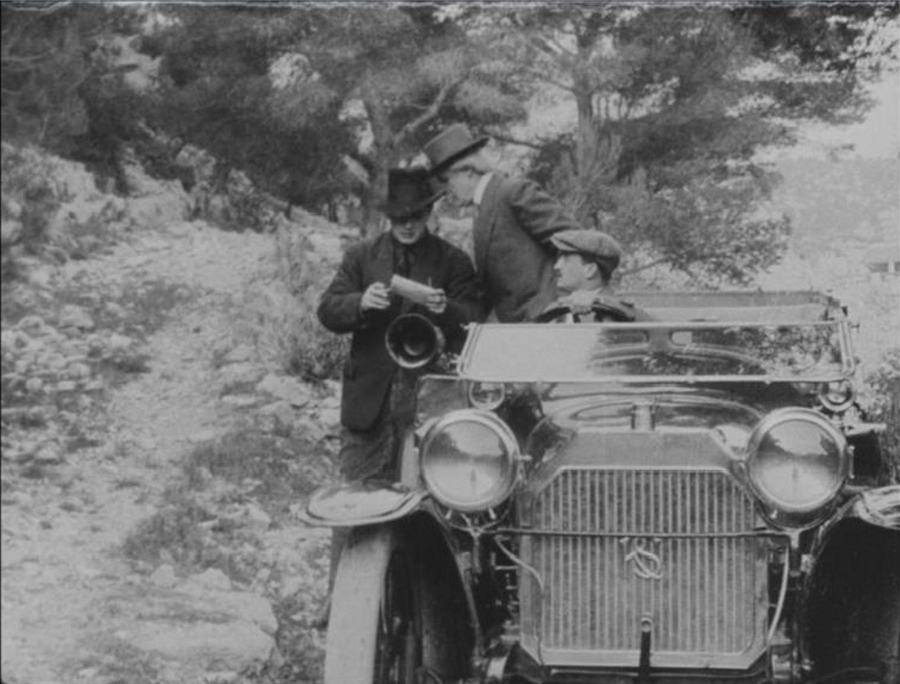
This serene existence is abruptly disrupted by the arrival of Maud, played by Germaine Pelisse, a young American woman whose vulnerability and suffering act as a crucial catalyst for Hobson's entry into the broader human drama. Maud is a victim, subjected to the cruelties of Ted, a snake hunter whose profession already marks him as a figure of raw, untamed instinct, a stark contrast to Hobson's refined intellect. Ted, brought to life by Léon Mathot, embodies a visceral, almost primal form of aggression, his violence against Maud a chilling prelude to the larger, institutionalized violence that will soon define the world. Hobson's decision to rescue Maud is not merely an act of chivalry but a profound affirmation of his humanist principles. It underscores his belief in the sanctity of life and his innate compulsion to protect the vulnerable, even at personal risk. This act of salvation, however, inadvertently pulls him from his academic ivory tower into the chaotic currents of human conflict, setting the stage for his ultimate moral dilemma. The contrast between Hobson's meticulous, life-affirming scientific work and Ted's brutal, exploitative approach to nature further highlights the film's central thematic tension.
The narrative’s genius lies in its ability to establish Hobson’s character so firmly before introducing the external pressures of war. We are shown a man who inherently seeks to preserve, to understand, to heal. His expertise with snakes, creatures often associated with danger and death, is ironically presented as a form of mastery over life’s potent forces, a skill he uses for study, not destruction. This meticulous character building ensures that when the call to arms arrives, demanding he weaponize his intellect, the audience fully comprehends the profound internal conflict he faces. It’s a classic Gance setup: a personal, intimate drama exploding onto a canvas of grand historical significance, a technique he would refine and amplify in future works.
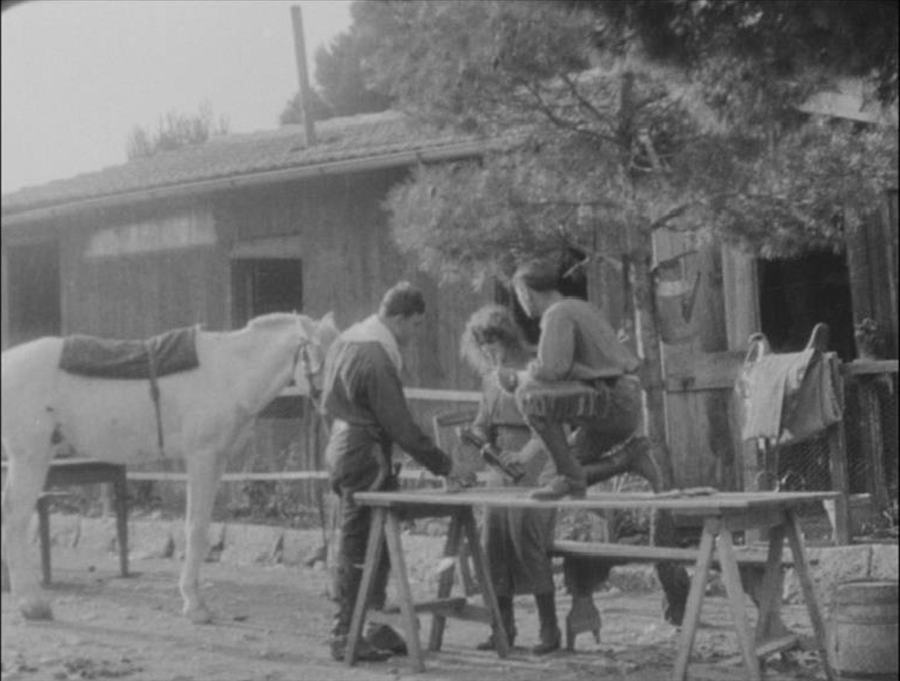
The declaration of the First World War shatters Hobson’s world with an almost brutal abruptness. The film masterfully conveys the sudden, overwhelming shift from individual concerns to national imperatives. Hobson, a man whose work is dedicated to understanding natural phenomena, is conscripted by the French army, not as a medic or a strategist, but as an inventor of deadly gases. This is the moral crucible of the film: a humanist, a life-preserver, forced to become an architect of death. The irony is excruciatingly palpable. His profound knowledge of chemistry, once used for benign research, is now twisted into a tool for mass destruction. This transformation is not presented as a willing surrender but as an agonizing capitulation to an irresistible force, a national duty that overrides personal ethics. The film does not shy away from the horrific implications of this mandate, forcing the audience to confront the ethical compromises demanded by total war.
Gance, even in this early work, demonstrates a keen understanding of the psychological toll of such a dilemma. Hobson is not a villain, nor is he a zealous patriot. He is a man caught in an impossible situation, his conscience warring with his obligations. The film subtly portrays the internal anguish of a scientist who must betray his own principles for what is deemed the greater good. This struggle echoes the broader societal shift during wartime, where the lines between right and wrong become blurred, and expediency often trumps morality. The very concept of science, often viewed as a pursuit of truth and betterment, is here depicted as tragically susceptible to the destructive impulses of humanity.
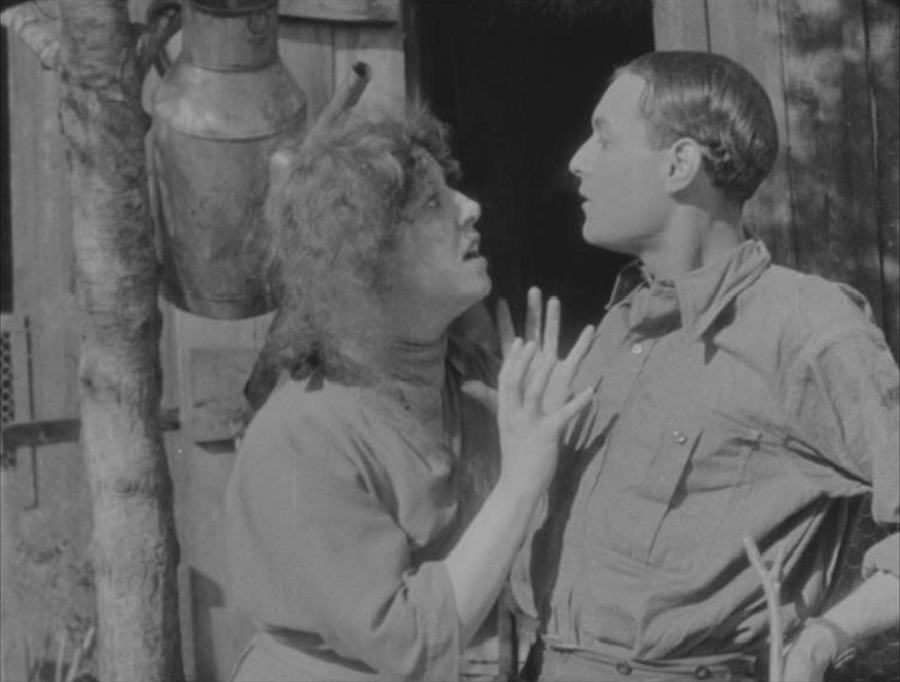
Even at this nascent stage of his career, Gance’s directorial signature is discernible. While not yet employing the grand multi-screen projections or rapid-fire editing of his later epics, Les gaz mortels exhibits a nascent mastery of visual storytelling. The performances, particularly by Henri Maillard as Hobson, convey deep emotion through nuanced facial expressions and gestures, typical of the silent era but imbued with a particular intensity under Gance’s direction. The film’s visual metaphors, such as the initial peaceful study of snakes contrasted with the eventual production of toxic gases, are powerfully rendered. The transition from the tranquil, almost pastoral setting of Hobson's laboratory to the grim, industrialized landscape of wartime invention is visually striking, emphasizing the profound shift in the protagonist's world and psyche.
The film’s thematic richness extends beyond the immediate moral quandary. It is a commentary on the inherent dangers of unchecked scientific advancement, particularly when divorced from ethical considerations. It probes the very nature of human compassion in the face of overwhelming societal pressure. The character of Maud, once rescued by Hobson's benevolence, represents the innocent lives caught in the crossfire, a stark reminder of the human cost of conflict. Her presence in Hobson's life, initially a beacon of his humanity, becomes a silent indictment of the destructive path he is forced to tread. The film doesn't offer easy answers; instead, it poses uncomfortable questions about responsibility, complicity, and the tragic inevitability of certain historical forces.
To understand Les gaz mortels fully, it is beneficial to place it within the broader context of silent cinema, particularly films grappling with social issues and the burgeoning impact of industrialization and war. While direct comparisons in plot may be tenuous, the film's exploration of moral compromise and societal pressure finds resonance in contemporary works. For instance, the stark portrayal of individual suffering under oppressive forces, as seen in Maud's abuse by Ted, might be loosely echoed in the dramatic intensity of films like The Two Orphans, where vulnerable characters navigate a world fraught with danger and exploitation. Both films, in their respective ways, highlight the fragility of innocence against a backdrop of cruelty.
The transformation of Hobson from a benevolent scientist to a creator of deadly weapons also aligns with a growing cinematic interest in the ethical dilemmas posed by modern society. While not a direct parallel, the dramatic exploration of a character grappling with profound moral choices, often dictated by external circumstances, can be seen in other silent dramas. The notion of a good person being compelled towards dark actions, a theme that resonates throughout human history, finds a particularly poignant expression here. It diverges from the more straightforward villainy often seen in thrillers of the era, such as the criminal underworld explored in works like Les Vampires, by focusing on the internal, rather than external, corruption.
The film’s portrayal of war, even indirectly through Hobson’s scientific contributions, positions it as an early entry into the vast cinematic canon addressing the Great War. While Gance would later deliver the monumental J'accuse! (not on the provided list, but a crucial contextual note for Gance’s WWI films), Les gaz mortels lays some groundwork for his unflinching examination of conflict's devastating human cost. The film's implicit critique of the dehumanizing aspects of warfare, where individuals are reduced to cogs in a destructive machine, resonates with the tragic narratives found in many war films across different eras. The very concept of a scientist, typically associated with progress and enlightenment, being forced to engineer instruments of death, speaks volumes about the perversion of human potential during conflict.
Les gaz mortels, therefore, transcends its historical context as a silent film about WWI. It remains a powerful meditation on the moral compromises individuals are forced to make under duress, particularly when societal imperatives clash with deeply held personal ethics. The film asks profound questions about the nature of responsibility in a world where scientific advancement can be so easily weaponized. It serves as a stark reminder of the fragile boundary between creation and destruction, and the tragic ease with which the former can be twisted into the latter, especially when the drums of war begin to beat. The performances, especially that of Henri Maillard, imbue the narrative with a gravitas that ensures Hobson's internal struggle is keenly felt by the audience, making his predicament profoundly human and universally resonant.
The film's exploration of these themes, presented through Gance's burgeoning cinematic vision, cements its place not just as a historical curiosity, but as a compelling piece of early filmmaking that dares to confront the darker aspects of human ingenuity. It is a somber testament to a time when the world grappled with unprecedented forms of warfare, and when the moral fabric of society was stretched to its breaking point. The narrative, stripped bare by the silent medium, relies heavily on visual storytelling and the emotive power of its actors, allowing the profound tragedy of Hobson's journey to unfold with an understated yet devastating impact. The quiet horror of a scientist creating instruments of mass death, a concept that would become terrifyingly real in the decades that followed, is rendered with an unsettling prescience in this remarkable early work by Abel Gance.
IMDb —
1914
Community
Log in to comment.