DbcultAccessing Vault...
6.8/10
Senior Film Conservator
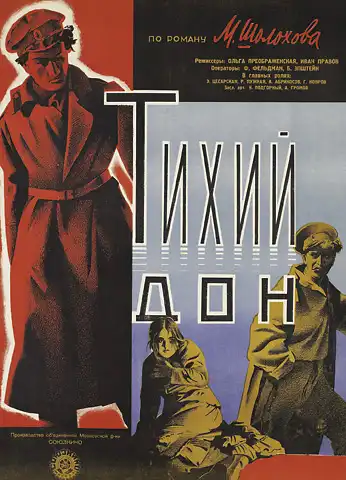
A definitive 6.8/10 rating for a film that redefined the boundaries of cult cinema. And Quiet Flows the Don remains a cornerstone of transgressive art.
So, And Quiet Flows the Don from 1930. Yeah, it’s old. But if you’ve got a real soft spot for early cinema that tried to wrestle with *huge* stories, or just want to see a powerful slice of Russian history, you should give this a look. It’s definitely not for folks who need fast edits or clean, modern storytelling; it takes its sweet time, often just watching people *exist*. If you’re into your Marvel movies or super-polished dramas, you’ll probably find it a slog. This one’s for the patient.
The film just plunges you into this Cossack village by the Don River. It’s all about these people, their traditions, and especially Grigori Melekhov. He's a character you can’t quite pin down. He’s impulsive, sometimes cruel, but also has these flashes of something else. A bit of a mess, honestly. 😅
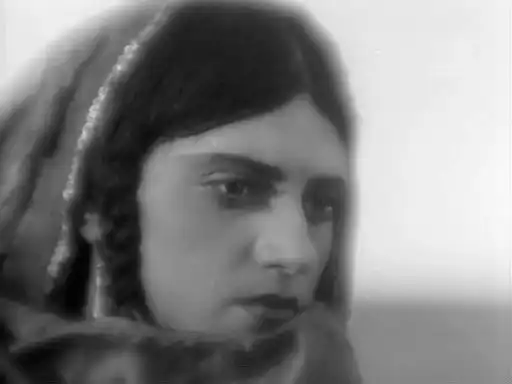
The Don itself is almost another character here. You see it constantly, wide and flowing. It feels like the **heartbeat** of everything they do, from fishing to just staring out at the horizon. It’s always *there*.
Village life before the war is depicted with this raw, almost documentary feel. Shots of daily chores, people just *being* in their environment. There's a scene with a simple harvest, and the way the light catches the wheat feels very real, not staged.
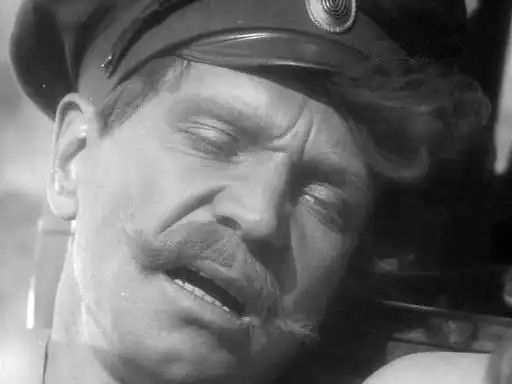
There’s this one sequence, very early on, where a child is just running through the village. It goes on a bit. You see the rough textures of the buildings, the dust. It feels less like a directed scene and more like someone just pointed a camera. And that’s actually kinda great.
When the war hits, it’s not some glorious charge. It’s messy. You see the confusion, the sudden, brutal change in people’s faces. One moment, they’re just villagers; the next, they're in uniform, looking completely lost. The contrast is really stark.
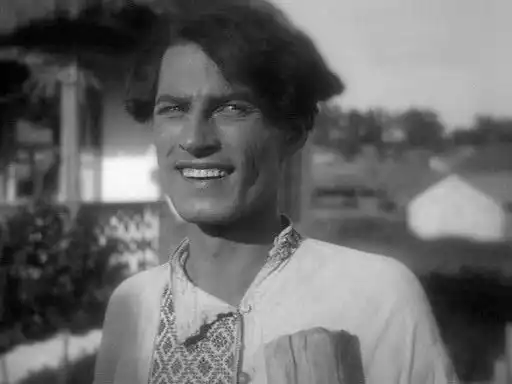
The shifts in allegiance during the Civil War are truly disorienting. One moment, they're fighting for the Reds; the next, it's the Whites. It really shows how messy and unpredictable that whole era was for ordinary people. It’s not a clean historical lesson, it’s *chaos*, and the film doesn't simplify that at all. Good luck keeping track of who’s on which side sometimes; the characters themselves don't always seem to know.
There’s a shot of a lone horse, just standing there, looking utterly exhausted in the snow. It says more about the war than any battle scene could. Small detail, but it sticks with you. **Bleak.**
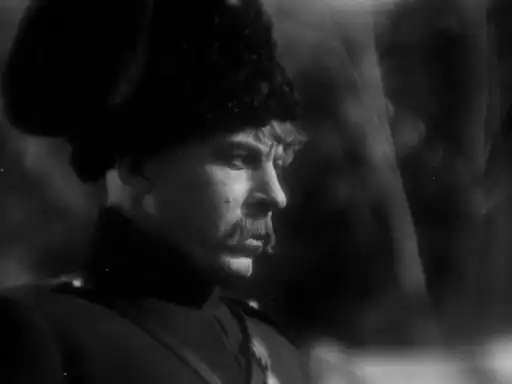
Melekhov's relationships are a real tangle. *Natalia* and *Aksinya* are central to his life, and the film doesn't shy away from how complicated and often painful that triangle is. He’s drawn to Aksinya, but tied to Natalia, and he makes some really bad choices.
One scene, where he just stares out at the river after a fight, feels really heavy. He doesn’t say anything. Just stands there. The camera holds on him for a while, and you feel the weight of his indecision, or maybe just his weariness. The silence is *loud* there.
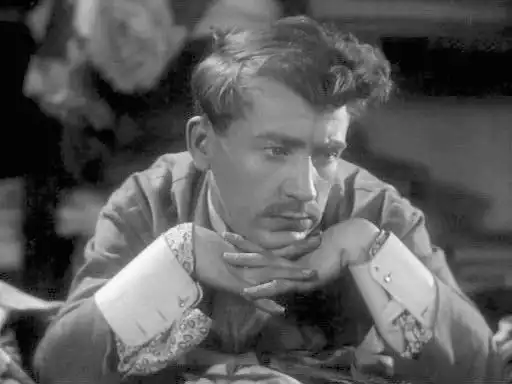
Some of the acting, especially the wider shots of crowds, feels a bit theatrical by today's standards. You can almost feel the director saying, "everyone, look worried!" But for 1930? It’s pretty compelling, a powerful statement in its own way.
The sheer scale of the novel, adapted here, is ambitious. They manage to give you a sense of vastness, both geographically and emotionally, even with older cameras. The wide shots of the steppe feel endless, making the human struggles seem tiny but *so* important.
You really get the feeling of how the landscape shapes these people. The harsh winters, the wide-open spaces. It’s all part of their struggle, a constant backdrop of indifference to human suffering.
The ending doesn't wrap things up neatly. It leaves you feeling the weight of everything that happened, the consequences of so much upheaval. It feels **unresolved**, much like real life often is. Not every story has a clean finish. And this film understands that.
It’s a tough watch sometimes, for sure, and definitely shows its age in parts. But it's also a powerful, almost *visceral* experience. If you let it, it really gets under your skin. A bold, raw piece of cinema history. Worth digging out.
IMDb 5.7
1934
Community
Log in to comment.