DbcultAccessing Vault...
4.4/10
Senior Film Conservator
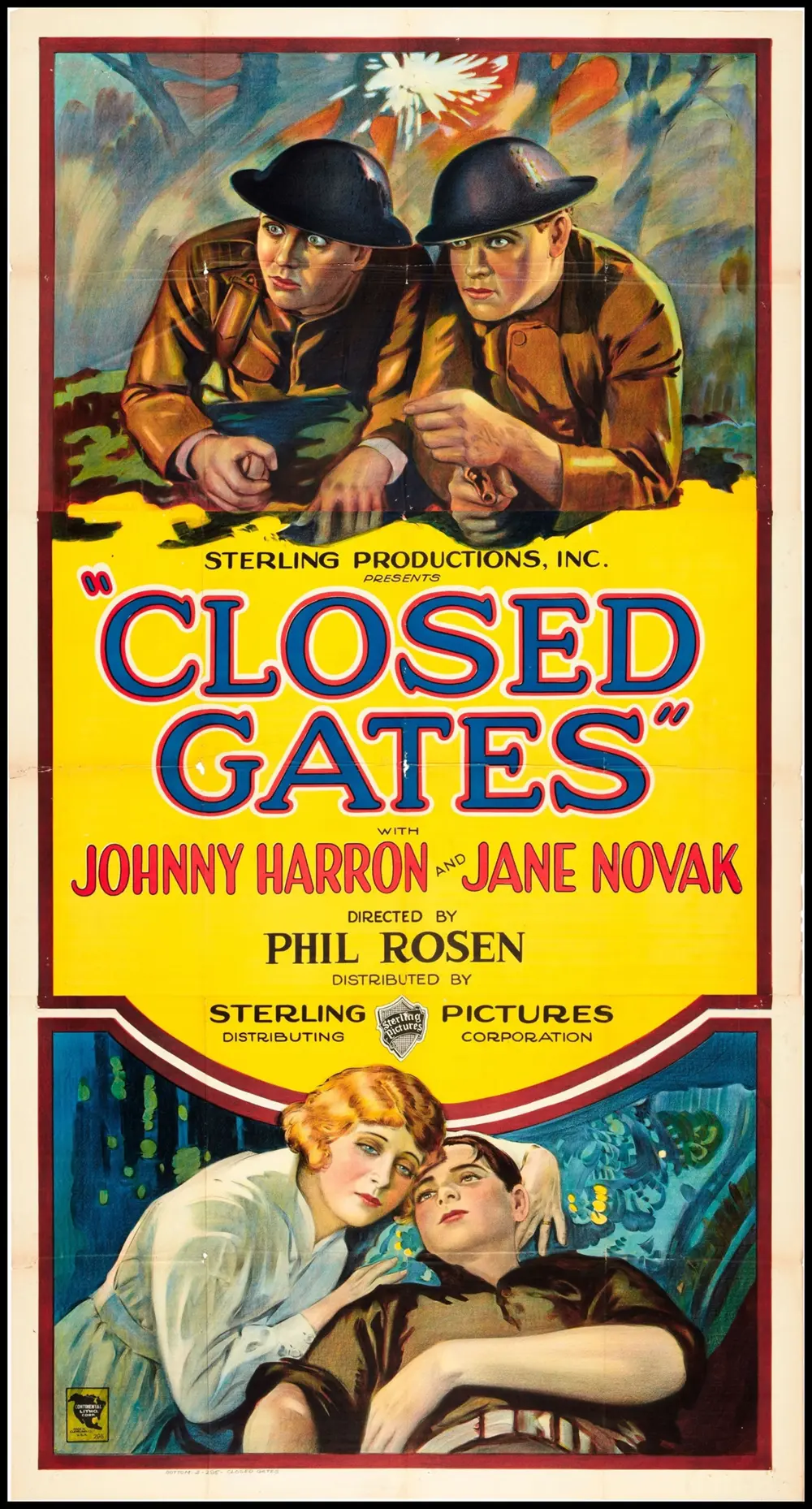
A definitive 4.4/10 rating for a film that redefined the boundaries of cult cinema. Closed Gates remains a cornerstone of transgressive art.
Is Closed Gates a film that warrants your attention in the current cinematic landscape? Short answer: yes, but with significant caveats. This brooding, melodramatic mystery from an earlier era offers a fascinating glimpse into period filmmaking and storytelling conventions, making it a valuable watch for specific audiences.
This film is best for those with a keen interest in early 20th-century cinema, fans of gothic mysteries, or anyone looking to study the evolution of narrative tension in film. It’s a masterclass in atmosphere, even if its pacing might test modern sensibilities.
Conversely, it is NOT for viewers seeking fast-paced action, clear-cut resolutions, or contemporary psychological depth. If you struggle with the deliberate rhythm of older films or prefer explicit exposition over subtle suggestion, Closed Gates might prove a frustrating experience.
"Closed Gates," a film whose very title evokes a sense of guarded mystery, plunges viewers into the insular world of the Beaumont family estate. Written by Manfred Lee and Frances Guihan, this picture, likely from the late silent or early sound era, thrives on a simmering tension that gradually reveals the rot beneath a polished surface. It’s a film that demands patience, rewarding those who lean into its deliberate pace and gothic sensibilities.
The plot, revolving around a young widow, Mary (Jane Novak), seeking answers after her estranged husband’s death, is a classic setup for a domestic drama tinged with suspense. Novak's performance is surprisingly nuanced for the period, conveying a quiet vulnerability that anchors the audience amidst the more theatrical performances surrounding her. Her wide, searching eyes become our proxy, navigating the labyrinthine corridors of the Beaumont mansion and the equally complex emotional landscape of its inhabitants.
The film works because it understands the power of suggestion. The 'closed gates' are not just a physical barrier but a metaphor for the emotional and social walls erected by the Beaumont family. The screenplay, while occasionally leaning into melodrama, effectively uses silence and visual cues to build suspense. The slow reveal of Arthur's true nature and the family's complicity in their own downfall is genuinely compelling.
This film fails because its resolution, while dramatic, feels somewhat rushed and reliant on a convenient plot device – a hidden will – that detracts from the psychological tension built throughout. The final act, while visually impactful, sacrifices some of the nuanced character work for a more overt, less satisfying climax.
You should watch it if you appreciate films that prioritize mood and atmosphere over plot mechanics, and if you’re willing to engage with a story that unfolds at its own measured pace.
The ensemble cast of Closed Gates delivers a range of performances, some of which stand out as remarkably effective, others as typical of the period's broader theatricality. Jane Novak, as Mary, provides the emotional core. Her portrayal of innocence besieged by deceit is both sympathetic and believable. There’s a particular scene where she discovers a hidden letter, her face a canvas of dawning horror, that is genuinely impactful.
Lucy Beaumont, as Mrs. Adelaide Beaumont, is the formidable matriarch, a character archetype that could easily become a caricature. Yet, Beaumont imbues Adelaide with a chilling authority, her every glance a judgment, her every pronouncement a decree. Her performance is less about overt villainy and more about the suffocating weight of social expectation and hidden guilt. The way she clutches her pearls in moments of stress, a subtle gesture, speaks volumes about her repressed anxieties.
John Harron’s Richard is a more ambiguous figure, oscillating between charming confidant and potential threat. Harron navigates this duality with a certain understated menace that keeps the audience guessing. His interactions with Novak’s Mary are charged with an uneasy chemistry, a compelling dance of suspicion and nascent attraction. The scene where he offers Mary a tour of the estate, his eyes lingering on her, creates a palpable sense of unease.
Bud Jamison, as the gruff groundskeeper Silas, and Ruth Handforth, as the stern housekeeper Martha, provide crucial supporting roles that solidify the estate's oppressive atmosphere. Jamison’s silent, watchful presence, often framed in doorways or lurking in shadows, adds to the pervading sense of surveillance and unspoken dread. Handforth’s Martha, with her rigid posture and pursed lips, embodies the rigid adherence to the estate’s unspoken rules, effectively becoming an extension of Adelaide’s control.
The performances, while varying in style, coalesce to create a believable, if heightened, world. They are the gears that turn the slow-grinding machinery of the plot, each actor contributing a distinct texture to the film’s rich, dark tapestry.
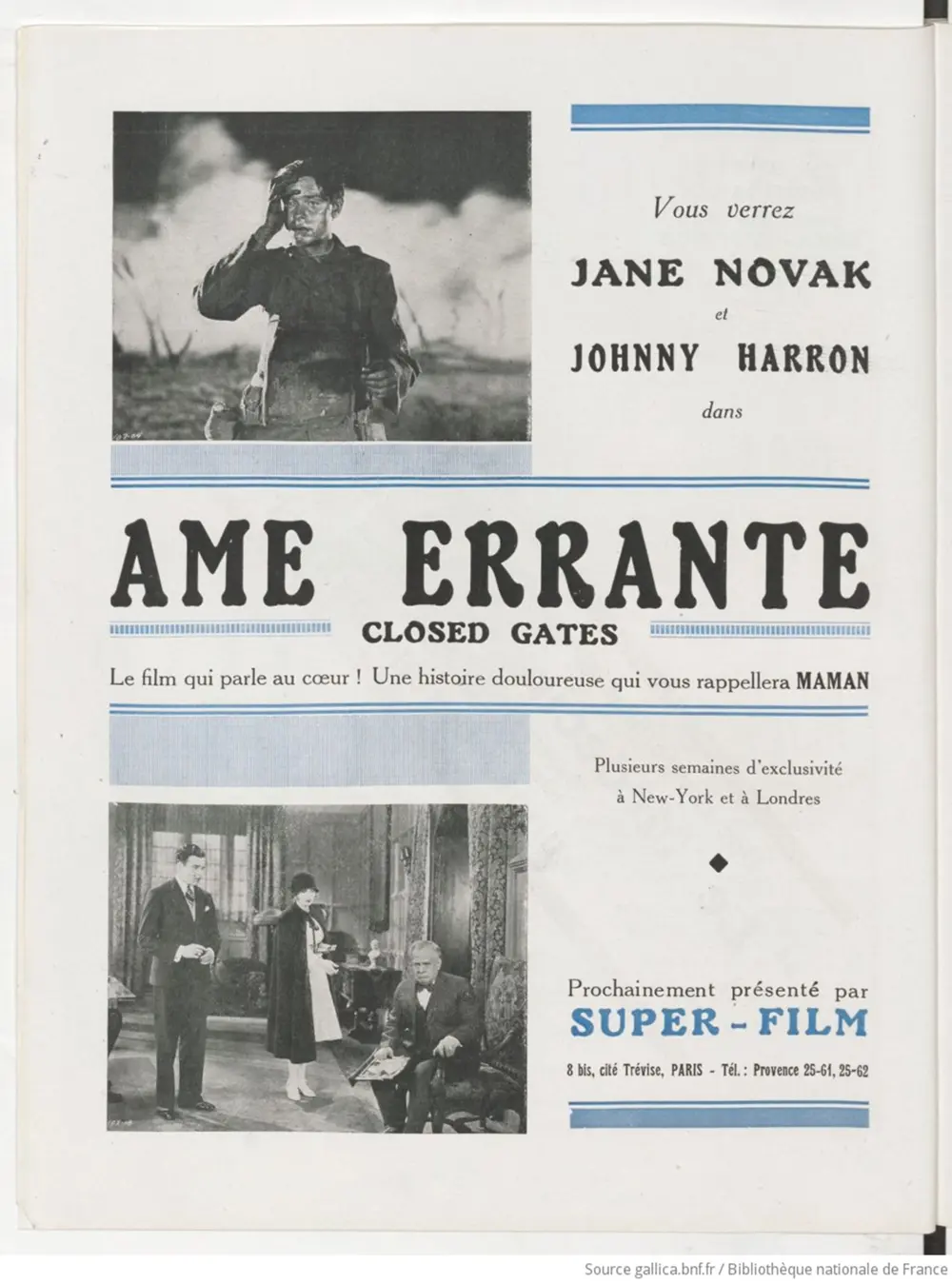
The uncredited director of Closed Gates demonstrates a remarkable understanding of visual storytelling, especially in establishing the film’s pervasive gothic tone. The Beaumont estate itself is a character, captured in sweeping shots that emphasize its isolation and decay. The cinematography uses deep shadows and stark contrasts, reminiscent of German Expressionism, to heighten the sense of unease. Chiaroscuro lighting is employed to great effect, particularly in interior scenes, where characters often emerge from or recede into darkness, symbolizing their hidden motives and the secrets they guard.
Consider the recurring motif of the gates themselves. They are not merely an entrance but a visual representation of confinement and exclusion. Shots of Mary gazing out from behind them, or of the gates clanging shut behind her, reinforce her entrapment. This simple, yet powerful, visual language is consistently maintained throughout the film, adding layers of meaning beyond mere plot progression.
The pacing of the film is deliberate, almost languid, allowing the atmosphere to seep into every frame. This slow burn is a directorial choice that pays dividends, fostering a sense of growing dread rather than relying on cheap jump scares. The camera lingers on objects—a portrait, a flickering candle, a forgotten locket—imbuing them with symbolic weight. This attention to detail is a hallmark of effective period filmmaking, where every visual element is carefully curated to advance the narrative and mood.
However, this deliberate pace is also where the film occasionally stumbles. There are moments in the second act where the narrative momentum flags, and the audience might find themselves wishing for a quicker reveal. While atmosphere is paramount, a slightly tighter edit in certain sequences could have amplified the tension without sacrificing the film's signature mood. It’s a fine line, and Closed Gates mostly walks it with grace, but not without a few stumbles.
The pacing of Closed Gates is undeniably slow, a characteristic that will either captivate or alienate viewers. It’s a film that asks you to settle in, to absorb its world rather than merely observe it. The narrative unfolds like a carefully unsealed letter, revealing its contents page by page, rather than in an immediate flood. This measured approach allows for the gradual accumulation of clues and suspicions, building a palpable sense of mystery.
The tone is consistently gothic and melodramatic, a blend that was highly popular in the era. There’s a pervasive sense of melancholy and foreboding, enhanced by the dim lighting and the characters’ often somber expressions. The score, even if largely an assumption for a silent film (or early sound), would likely have been rich with dramatic swells and ominous undertones, further cementing this atmosphere.
One might argue that the film’s commitment to its tone is its greatest strength. It never wavers, never attempts to inject levity where it doesn't belong. This unwavering focus creates a cohesive, immersive experience. The quiet, tense dinner scenes, for instance, where dialogue is sparse but glances are loaded with meaning, are far more effective than any overt confrontation might have been.
Yet, the very strength of its slow pacing can become a weakness for modern viewers accustomed to more immediate gratification. The film takes its time to establish character dynamics and the intricacies of the Beaumont family’s dark past. While this allows for deeper immersion, some audiences might find themselves disengaging before the true revelations begin to surface. It’s a delicate balance, and Closed Gates leans heavily into the 'slow burn' camp, for better or worse.
To fully appreciate Closed Gates, one must consider its historical context. It emerged during a period of significant transition in cinema, bridging the gap between silent storytelling and the advent of sound. Films like this were instrumental in defining narrative structures for psychological thrillers and domestic dramas that would follow.
The thematic exploration of class, inherited guilt, and the corrosive nature of secrets resonates even today. The idea that wealth and social standing can mask profound moral decay is a timeless one. While the specific plot devices might feel dated, the underlying human frailties and deceptions remain tragically relevant. The film’s portrayal of a powerful, matriarchal figure like Mrs. Beaumont, controlling her family through fear and manipulation, is a surprisingly potent commentary on patriarchal structures, even if unintended.
Comparing it to other films of its era, Closed Gates holds its own, perhaps even surpassing some contemporaries in its atmospheric consistency. It lacks the overt horror of Torgus, but compensates with a deeper, more psychological dread. Its domestic drama echoes elements of The Charming Mrs. Chase, but with a far darker undercurrent. It’s a film that, despite its age, continues to offer insights into the human condition and the enduring power of a good mystery.
Its enduring appeal lies in its commitment to mood and character. It doesn't rely on spectacle, but rather on the slow, creeping dread of uncovering uncomfortable truths. This makes it a compelling watch for those willing to engage with its unique rhythm and appreciate its historical significance.
"Closed Gates" is far from a perfect film, but its imperfections are often outweighed by its strengths. It’s a testament to the power of atmosphere and character in an era when cinema was still finding its voice. While the final act might stumble, the journey through the Beaumont estate's dark secrets is undeniably captivating for those with the patience to unlock its mysteries. It works. But it’s flawed. This film is a valuable piece of cinematic history and a compelling, if sometimes ponderous, mystery that deserves to be seen by those who appreciate the slower, more deliberate rhythms of classic filmmaking. It won't appeal to everyone, but for its target audience, it offers a rich and rewarding experience. Unconventional? Perhaps. But genuinely intriguing.
IMDb 5.6
1926
Community
Log in to comment.