DbcultAccessing Vault...
Cult Review
Senior Film Conservator
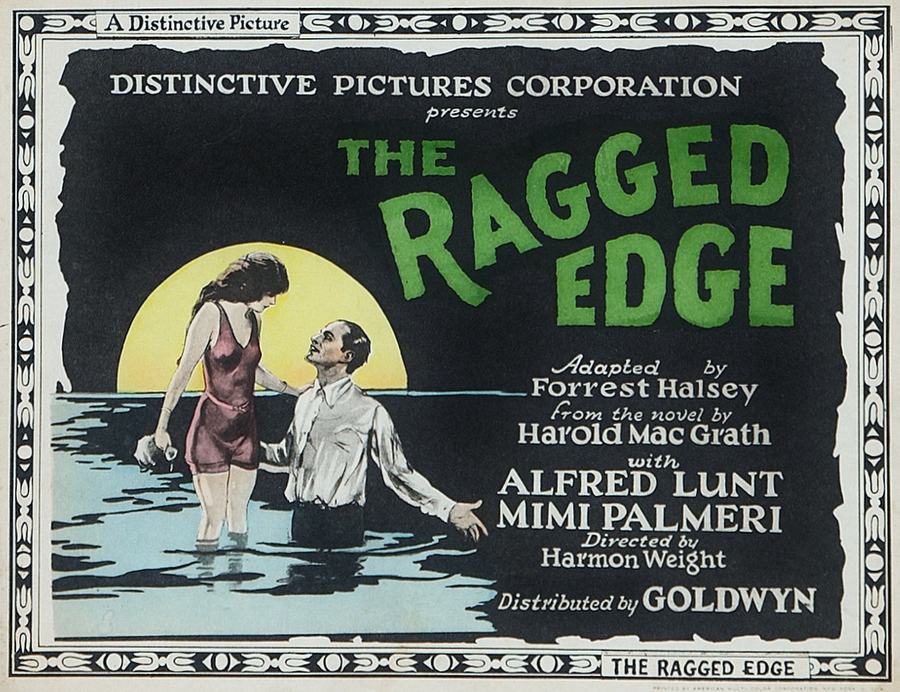
In the annals of early cinematic storytelling, certain narratives emerge with a profound resonance, transcending the limitations of their era to speak to universal human experiences. The Ragged Edge, a 1923 silent film directed by F. Harmon Weight and penned by the collaborative genius of Forrest Halsey and Harold McGrath, stands as one such poignant testament. It is not merely a tale of a man on the run, but a deeply introspective journey into the psychological toll of wrongful accusation, the solace found in unexpected love, and the enduring hope for vindication. The film meticulously charts the harrowing odyssey of Howard Spurlock, brought to life with compelling earnestness by Christian J. Frank, whose performance captures the quiet desperation of a man unjustly branded a criminal.
The narrative’s inception plunges us directly into Spurlock’s existential crisis. Accused of a theft he did not commit, he finds himself caught in the inexorable gears of a justice system seemingly determined to crush him. The film masterfully conveys the suffocating paranoia that grips a man who, despite his innocence, believes the entire apparatus of law enforcement is closing in. This state of being, teetering precariously on 'the ragged edge,' is a powerful thematic anchor. It speaks to the fragility of reputation and the devastating impact of societal judgment. Frank’s portrayal eschews overt histrionics, opting instead for a portrayal steeped in a weary resignation that occasionally flares into desperate defiance. One cannot help but draw parallels to other tales of the wrongly accused, such as the intense psychological drama found in The Third Degree, another film that explores the devastating consequences of mistaken identity and the relentless pursuit of truth. However, The Ragged Edge distinguishes itself by immediately thrusting its protagonist into a global flight, rather than a contained legal battle.
Driven by an instinct for self-preservation, Spurlock flees, seeking anonymity and sanctuary in the exotic, unfamiliar landscape of China. This geographical shift is more than a mere plot device; it represents a profound psychological dislocation. He exchanges the structured, albeit unjust, world he knew for one utterly alien, where his past can, theoretically, be shed like an old skin. The film leverages the visual potential of its setting, painting a picture of bustling foreign streets and ancient customs, offering a vivid contrast to the stark, unforgiving environment he left behind. It’s here, amidst the vibrant tapestry of Chinese culture, that his physical and emotional reserves are replenished, not by design, but through serendipitous encounter. The narrative avoids the simplistic 'fish out of water' trope, instead focusing on Spurlock’s internal struggle to reconcile his past with the possibility of a new beginning.

It is in China that Spurlock encounters Ruth Endicott, portrayed with serene grace by Marie L. Day. As the daughter of a missionary, Ruth embodies compassion and unwavering faith, qualities that become a balm for Spurlock’s tormented soul. Their initial interactions are marked by her gentle care as she nurses him back to health, a period of vulnerability that strips away his hardened exterior and allows for a genuine human connection to form. Day’s performance is understated yet powerful, conveying a deep well of empathy that draws the audience into her character’s quiet strength. This burgeoning relationship is the emotional core of the film, a testament to love’s ability to bloom even in the most desolate circumstances. The romance avoids saccharine sentimentality, grounding itself in mutual respect and a shared sense of otherness in a foreign land. Their union, born of necessity and nurtured by genuine affection, provides Spurlock with an anchor he desperately needs.
Following their marriage, the couple seeks further remove from the world, choosing a secluded island in the South Seas as their new home. This move symbolizes a deeper commitment to their shared future, a deliberate act of carving out a paradise untainted by the shadows of Spurlock’s past. The film’s visual language here shifts, embracing the lush, idyllic beauty of the tropical setting, juxtaposing it with the earlier tension and urban grit. This segment of the film allows for a period of relative peace, a chance for the characters, and the audience, to breathe and witness the quiet unfolding of their domestic life. It is a cinematic pause, a moment for introspection and the deepening of their bond before the inevitable return of past troubles. While other films like A Bit of Jade might have explored exotic locales, The Ragged Edge uses its setting not just for spectacle, but as an integral part of the protagonist's psychological and emotional healing process.
The narrative’s ultimate trajectory is one of hope and the eventual triumph of truth. It is on this remote island, far removed from the machinations of the modern world, that the gears of justice, though slow, finally turn. Spurlock’s innocence is eventually proven, a revelation that provides a powerful emotional release. This vindication is not merely a legal formality; it is a profound restoration of his dignity and identity. The film understands that true justice extends beyond legal pronouncements, encompassing the healing of a wounded spirit and the rebuilding of a shattered life. The final act, while delivering the expected resolution, manages to do so with a sense of earned relief, rather than a simplistic happy ending. It acknowledges the scars left by his ordeal but celebrates the resilience of the human spirit and the redemptive power of love.
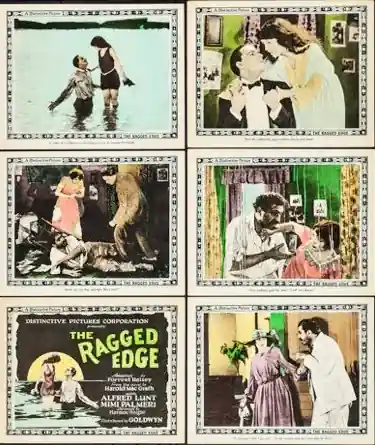
The strength of The Ragged Edge lies not only in its compelling plot but also in the nuanced performances of its cast. Christian J. Frank, as Howard Spurlock, carries the emotional weight of the film with remarkable gravitas. His expressions, though silent, convey a spectrum of emotions from despair to newfound hope, making his journey palpable to the audience. Marie L. Day’s Ruth Endicott is the perfect foil – a beacon of calm and compassion whose presence grounds Spurlock and offers him a path to redemption. The supporting cast, including the likes of Charles Slattery, Percy Carr, Charles Fang, and Charles Kent, contribute significantly to the film’s rich tapestry, even in roles that might seem brief. Hattie Delaro, Grace Griswold, Alice May, Mona Palma, Wallace Erskine, George MacQuarrie, and the formidable Alfred Lunt, each add layers of authenticity and dramatic texture to the various locales and situations Spurlock encounters. Their collective efforts ensure that the world of The Ragged Edge feels lived-in and believable, enhancing the audience's immersion in this silent epic. The subtleties in their gestures and facial expressions, crucial in the silent era, demonstrate a profound understanding of their craft, elevating the narrative beyond mere spectacle.
From a technical perspective, The Ragged Edge exemplifies the sophisticated storytelling techniques prevalent in the early 1920s. The cinematography, while perhaps lacking the kinetic dynamism of later eras, employs thoughtful framing and evocative lighting to establish mood and advance the plot. Intertitles, a vital component of silent cinema, are used judiciously, providing necessary exposition without overwhelming the visual narrative. The direction by F. Harmon Weight demonstrates a clear vision, guiding the audience through complex emotional landscapes and diverse geographical settings with a steady hand. The pacing, a critical element in silent films, is expertly managed, allowing moments of tension to build organically and moments of intimacy to unfold with delicate grace. The film's ability to transport viewers from the grim reality of Spurlock's initial predicament to the bustling streets of China and finally to the serene beauty of the South Seas speaks volumes about the meticulous attention to detail in set design and location scouting (or clever studio recreation). The narrative structure, crafted by Forrest Halsey and Harold McGrath, is surprisingly modern in its psychological depth, prefiguring later character-driven dramas. Their script avoids simplistic good-versus-evil dichotomies, instead focusing on the human cost of injustice and the profound journey towards self-discovery and redemption. The film's rich texture is a testament to the collaborative artistry of its creators, from the writers who conceived the intricate plot to the actors who imbued their roles with genuine emotion, and the director who orchestrated it all into a cohesive, moving experience. It is this synergy that allows The Ragged Edge to endure as a compelling piece of cinematic history.
Looking back, The Ragged Edge serves as a fascinating snapshot of early 20th-century cinema, showcasing its capacity for intricate storytelling and emotional depth even without spoken dialogue. It's a film that, despite its age, resonates with contemporary audiences due to its timeless themes. The struggle against injustice, the search for identity, the solace of human connection, and the persistent hope for truth are narratives that remain eternally relevant. While not as widely discussed as some of its more flamboyant contemporaries, its quiet power and narrative integrity firmly establish its place within the canon of significant silent films. It reminds us that compelling drama isn't solely reliant on cutting-edge technology or grand spectacle, but rather on the fundamental truths of the human condition. The film’s ability to evoke such strong emotions through visual storytelling alone is a masterclass in the art form. It encourages a deeper appreciation for the foundational works of cinema, urging viewers to look beyond the absence of sound and embrace the rich visual language that defined an entire era of filmmaking. In an age where cinematic narratives often prioritize immediate gratification, The Ragged Edge offers a refreshing reminder of the power of a slow burn, a meticulously crafted story that allows its emotional impact to unfurl gradually. The journey of Spurlock, from a man on the run to one who finds peace and vindication, is a powerful metaphor for life's unpredictable turns and the enduring strength of the human spirit when faced with adversity. It stands as a testament to the enduring power of cinema to capture and reflect the complexities of the world, offering both escapism and profound insight into the human experience. The film’s exploration of themes like moral ambiguity and the pursuit of a just resolution makes it a compelling companion piece to films like Everything But the Truth, which might also grapple with the concept of truth and perception, albeit perhaps with a different genre lens. However, The Ragged Edge maintains a unique blend of adventure and deeply personal drama that sets it apart. It’s a film that rewards patient viewing, revealing its layers of meaning and emotional depth with each passing frame. Its narrative arc, culminating in a well-earned resolution, provides a cathartic experience for anyone invested in Spurlock's plight. The film's ability to maintain suspense while simultaneously developing a tender romance is a testament to the skillful writing and direction. It’s a compelling argument for the artistic merits of silent cinema and its lasting impact on storytelling.
The Ragged Edge is more than a historical artifact; it is a vibrant piece of cinematic art that continues to speak to the human condition. It’s a narrative that explores the depths of despair and the heights of human resilience, all framed within a compelling adventure across continents. For those willing to engage with the unique artistry of silent film, it offers a rich and rewarding experience, a powerful reminder of love's enduring strength and the eventual triumph of truth. The film's quiet intensity and profound emotional arc solidify its position as a noteworthy contribution to early cinema, a story that, much like its protagonist, finds its ultimate vindication in the timeless power of its narrative. It stands as a testament to the craft of its creators and the enduring appeal of stories that delve into the core of human experience, leaving an indelible mark on the viewer long after the final frame has faded. The thoughtful construction of the plot, combined with compelling performances, ensures that The Ragged Edge remains a captivating watch, proving that some stories, even without spoken words, can resonate across generations with remarkable clarity and emotional force. It is a quiet triumph, a film that deserves to be rediscovered and celebrated for its timeless themes and masterful execution.

IMDb —
1926
Community
Log in to comment.