DbcultAccessing Vault...
Cult Review
Senior Film Conservator
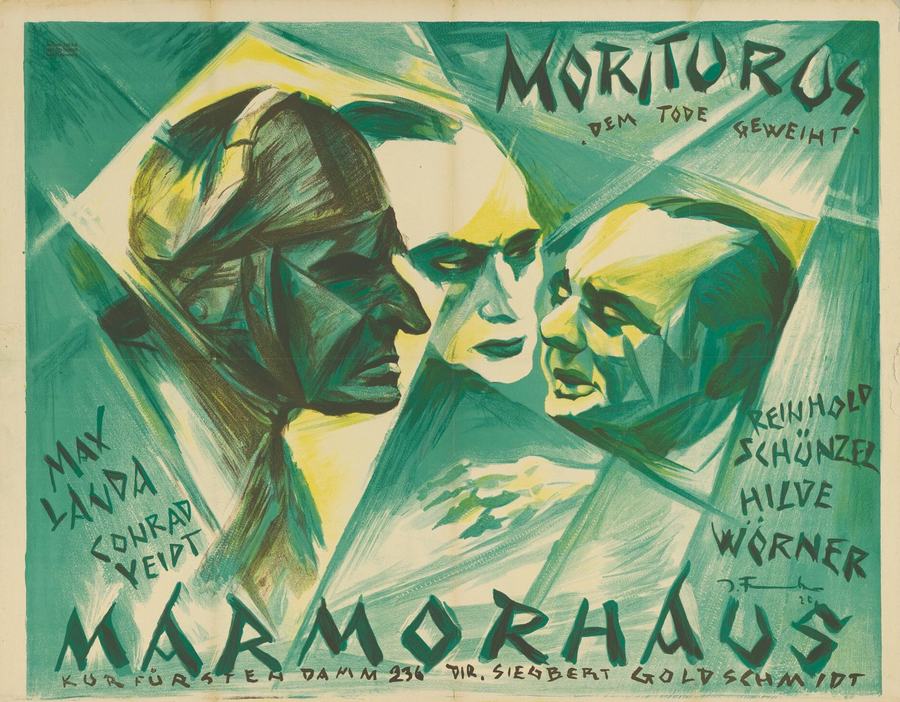
Stepping back into the hallowed halls of silent cinema, one occasionally unearths a gem whose thematic resonance and emotional depth transcend the decades, proving its enduring power. "Moriturus", a stark and potent drama from the early 20th century, is precisely such a discovery. It is not merely a film; it is a profound exploration of human frailty, the insidious nature of injustice, and the relentless pursuit of truth against the backdrop of a society grappling with its own moral compass. The title itself, Latin for "about to die," sets an immediate, somber tone, promising a narrative steeped in existential dread and a ticking clock, themes expertly woven into its very fabric.
At its core, "Moriturus" is a character study, a vehicle for the incomparable Conrad Veidt, whose mastery of subtle expression and profound emotional conveyance made him a titan of the silent screen. Here, he embodies Baron von Falkenburg, a man of refined sensibilities and artistic talent, yet tragically ensnared in a judicial nightmare. Veidt's performance is a masterclass in understated suffering; his eyes, often pools of melancholic resignation, convey more than any intertitle could articulate. He paints a portrait of a man unjustly condemned, his stoicism a shield against a world determined to see him fall. It's a portrayal that resonates with the quiet despair found in other profound character studies of the era, though Veidt brings a unique, almost ethereal quality to his character's plight.
The plot, conceived by the astute Ferdinand Runkel, is a meticulously constructed edifice of suspense and moral quandary. Baron von Falkenburg finds himself accused of the heinous poisoning of his estranged cousin, the industrialist Karl Richter. The evidence, though circumstantial, is damning, seemingly orchestrated with chilling precision by Herr Gruber (Reinhold Schünzel), a prosecutor whose ambition is matched only by his deep-seated animosity towards the Baron's family. Schünzel's portrayal of Gruber is chillingly effective, a study in calculated villainy, making him a formidable antagonist whose presence casts a long, dark shadow over the proceedings. His cold, calculating demeanor is a stark contrast to Veidt's quiet agony, creating a palpable tension that drives the narrative forward with an inexorable force.
As the Baron's fate seems sealed, his fiancée, Anna (Hilde Woerner), emerges as a figure of indomitable spirit and unwavering belief. Woerner imbues Anna with a desperate urgency, her frantic search for truth providing the emotional anchor for the audience. Her performance is a testament to the power of love and loyalty in the face of insurmountable odds, reminding us of the human capacity for resilience even when hope seems to dwindle. Her partnership in the quest for justice with the initially cynical journalist, Franz Meier (Max Landa), forms an unlikely but compelling alliance. Landa, known for his nuanced portrayals, gives Meier a transformation arc that is both believable and deeply satisfying, shifting from detached observer to fervent advocate as he uncovers the layers of deceit. His initial skepticism gives way to a moral imperative, making him a relatable conduit for the audience's own growing suspicions.
The film's visual language is quintessential silent era artistry, utilizing dramatic lighting, stark contrasts, and expressive close-ups to convey mood and internal conflict. The cinematography, though perhaps not as overtly expressionistic as some of its contemporaries, still manages to create an atmosphere of foreboding and claustrophobia, particularly within the confines of the courtroom and the Baron's prison cell. The use of shadows and silhouettes is particularly effective in hinting at the unseen forces at play, mirroring the moral ambiguities that permeate the story. It's a visual style that, while rooted in its time, continues to speak volumes about character and circumstance, much like the evocative imagery found in other silent thrillers.
The supporting cast further enriches the narrative tapestry. Marga von Kierska, as the enigmatic housekeeper Frau Schmidt, delivers a performance shrouded in mystery. Her subtle gestures and guarded expressions hint at a deeper knowledge, making her a crucial, albeit silent, player in the unfolding drama. Hans Tillo, as the Baron's loyal but troubled manservant Johann, provides cryptic clues that add layers of intrigue, his internal conflict subtly conveyed through his demeanor. These performances, though perhaps less prominent than Veidt's, are essential cogs in the intricate machinery of the plot, each contributing to the pervasive sense of unease and hidden agendas.
As Meier delves deeper, the film transforms from a simple courtroom drama into a gripping detective story, peeling back layers of avarice and calculated betrayal. The discovery of inconsistencies surrounding Richter's will and the true motives behind the murder elevate the stakes considerably. The narrative cleverly employs flashbacks and fragmented revelations, keeping the audience on the edge of their seats, piecing together the puzzle alongside Anna and Meier. This methodical unraveling of truth against a backdrop of impending doom is a hallmark of superior storytelling, reminiscent of the intricate plots in films like Sleuths and Slickers, though "Moriturus" delves into a far more profound psychological abyss.
The film's tension is masterfully sustained, culminating in a breathtaking race against time. The looming execution date serves as a relentless antagonist, pushing the protagonists to their limits. The climax is a beautifully orchestrated sequence of revelation and desperate action, where hidden passages, forged documents, and a shocking final act by the true orchestrator collide. This dramatic crescendo is not just about solving a mystery; it's about reclaiming a life, restoring honor, and confronting the very nature of justice itself. The intensity of this final act could be compared to the thrilling urgency of films like Mysteries of Paris, albeit with a more focused, personal stakes narrative.
"Moriturus" is more than just a suspenseful thriller; it's a commentary on societal prejudices and the fragility of truth in the face of manipulation. The film subtly critiques the ease with which public opinion can be swayed and the devastating consequences of a justice system that can be perverted. The character of Herr Gruber, with his personal vendetta masquerading as legal duty, epitomizes this critique. It’s a theme that remains tragically relevant, giving the film a timeless quality that transcends its historical context. The film's exploration of fate and human agency, the idea that one's destiny can be irrevocably altered by external forces, resonates deeply, echoing the existential dread often found in the works featuring enigmatic figures like those in Rasputin, the Black Monk, where powerful individuals shape the fates of others.
The film's legacy lies not only in its compelling narrative and stellar performances but also in its contribution to the rich tapestry of silent German cinema. It showcases the era's ability to craft complex psychological dramas without the aid of spoken dialogue, relying instead on visual storytelling, music, and the raw power of human expression. The emotional intensity conveyed by the actors, particularly Veidt, is a testament to their craft and the profound artistry of silent film acting. It demonstrates that true cinematic impact stems from universal themes and masterful execution, not merely technological advancements.
In a broader context, "Moriturus" sits comfortably alongside other profound silent dramas that delved into the darker corners of the human condition. While it might not possess the overt fantastical elements of some German Expressionist films, its psychological depth and exploration of injustice place it firmly within that tradition of challenging conventional narratives. It’s a film that demands active engagement from its audience, inviting them to ponder questions of guilt, innocence, and the often-elusive nature of objective truth. It's a stark reminder that the pursuit of justice is not always a straightforward path, but often a winding, treacherous journey fraught with peril and unexpected turns.
The careful pacing, which allows moments of quiet introspection to punctuate the escalating tension, is another strength. It avoids the frantic rush that some early films exhibited, instead opting for a more deliberate unfolding of events that allows the emotional weight of each scene to fully land. This measured approach enhances the drama, ensuring that every revelation, every twist, feels earned and impactful. The director's keen eye for composition and narrative flow ensures that the audience remains captivated, even without the benefit of spoken words, a true testament to the power of visual storytelling.
Ultimately, "Moriturus" is a powerful and poignant cinematic experience, an essential viewing for anyone interested in the foundational period of film history, or simply in a brilliantly executed drama. It serves as a stark reminder of the enduring quality of silent films and the timeless nature of stories that explore justice, betrayal, and the human spirit's capacity for both despair and resilience. It's a film that lingers long after the final frame, prompting reflection on the societal structures that shape individual destinies. The performances, especially Conrad Veidt's nuanced portrayal, elevate this film beyond mere entertainment, cementing its status as a significant work of early cinema. It’s a film that resonates with the same profound emotional depth as a tragic love story like Greater Than Love, yet channels that intensity into a gripping tale of legal and personal survival. It’s a testament to the fact that compelling narratives, when crafted with such care and performed with such conviction, possess an inherent power to captivate and move audiences across generations. The intricate dance between fate and human endeavor, the pervasive sense of a life hanging by a thread, all contribute to a viewing experience that is both intellectually stimulating and emotionally profound. It solidifies its place as a crucial piece in the mosaic of early cinematic storytelling, showcasing the potent alchemy of a skilled cast, a compelling script, and visionary direction in an era that laid the very groundwork for all that followed.

IMDb 5.3
1935
Community
Log in to comment.