DbcultAccessing Vault...
5.9/10
Senior Film Conservator
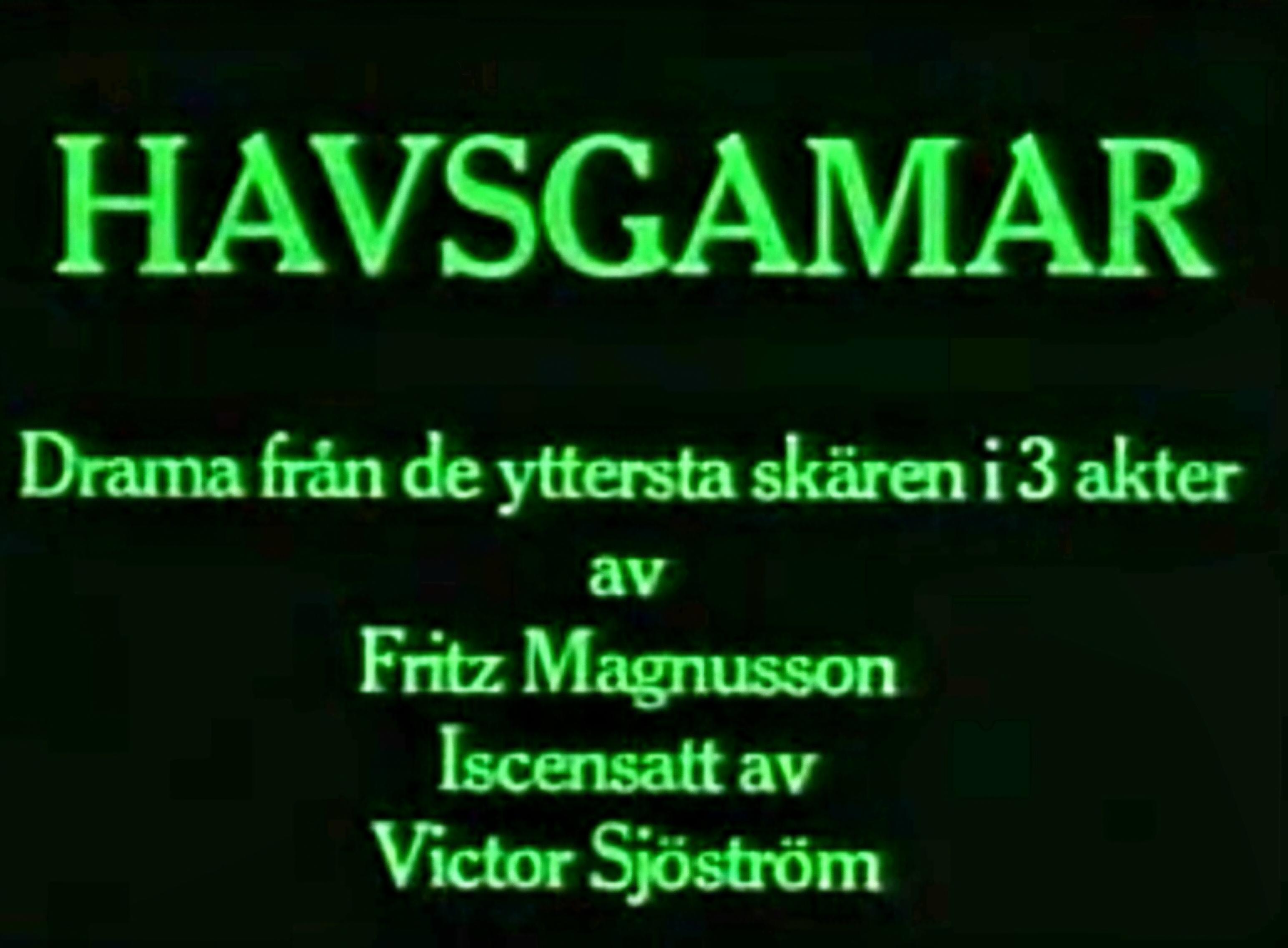
A definitive 5.9/10 rating for a film that redefined the boundaries of cult cinema. Havsgamar remains a cornerstone of transgressive art.
In the pantheon of early Swedish cinema, few works capture the raw, salt-crusted desperation of the human condition with as much visceral intensity as Havsgamar. Directed during the formative years of the 'Golden Age' of Swedish film, this 1916 production transcends its era's melodramatic conventions to deliver a haunting meditation on the cyclical nature of violence. Unlike the sweeping historical epics like Joan of Arc, which rely on grand hagiography, Havsgamar finds its power in the claustrophobic intimacy of a broken family unit trapped by the geography of their own crimes.
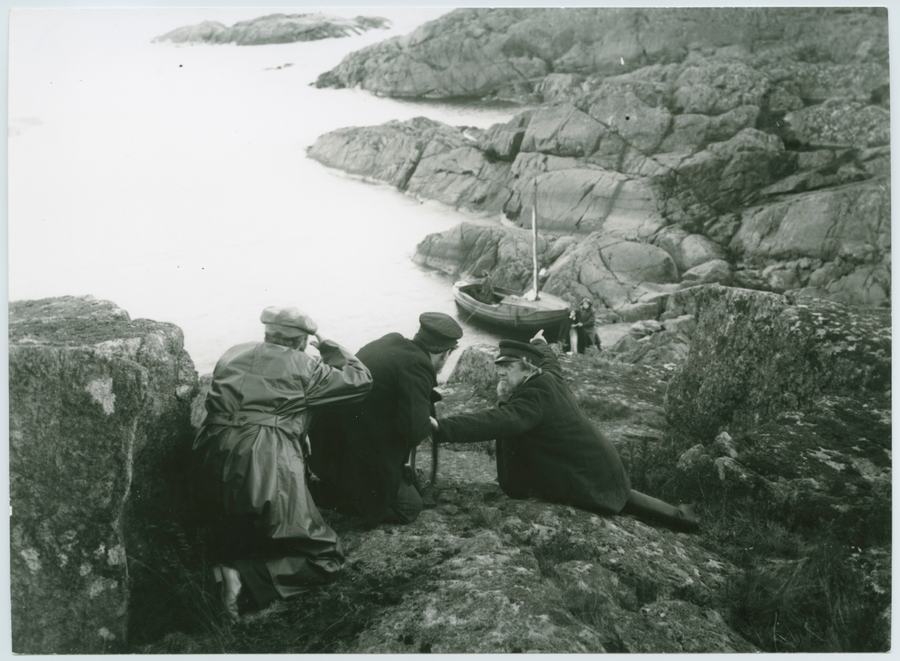
The visual language employed by the cinematographers of this period was often static, yet here we see a burgeoning understanding of how landscape reflects the internal psyche. The craggy rocks and the churning Baltic waters are not merely backdrops; they are silent witnesses to the central homicide. The film’s pacing mimics the tide—slow, inexorable, and ultimately devastating. When we compare this to the theatrical presentation of Rebecca the Jewess, it becomes evident that Havsgamar was pushing toward a more naturalistic, almost proto-noir aesthetic that prioritized mood over mere plot progression.
The casting of Richard Lund and Greta Almroth provides a grounding emotional core. Lund, in particular, portrays the son with a flickering sense of conscience that contrasts sharply with the hardened cynicism of his father. This generational divide is the engine that drives the tragedy. While films like Miss Petticoats dealt with social mobility through a lens of lightheartedness, Havsgamar treats the concept of 'the son' as a vessel for inherited guilt. The arrival of the dead officer's progeny into this nest of 'sea vultures' introduces a dramatic irony so thick it threatens to suffocate the viewer.
The writers, Emilie Flygare-Carlén and Fritz Magnussen, adapted the source material with a keen eye for the subtext of the Swedish coastline. There is a specific nomenclature to their suffering—a maritime fatalism that suggests once blood has touched the salt water, it can never truly be washed away. This thematic weight rivals the heavy atmospheric pressure found in Hearts in Exile, though Havsgamar lacks that film's penchant for overt sentimentalism, opting instead for a cold, clinical look at the mechanics of a cover-up.
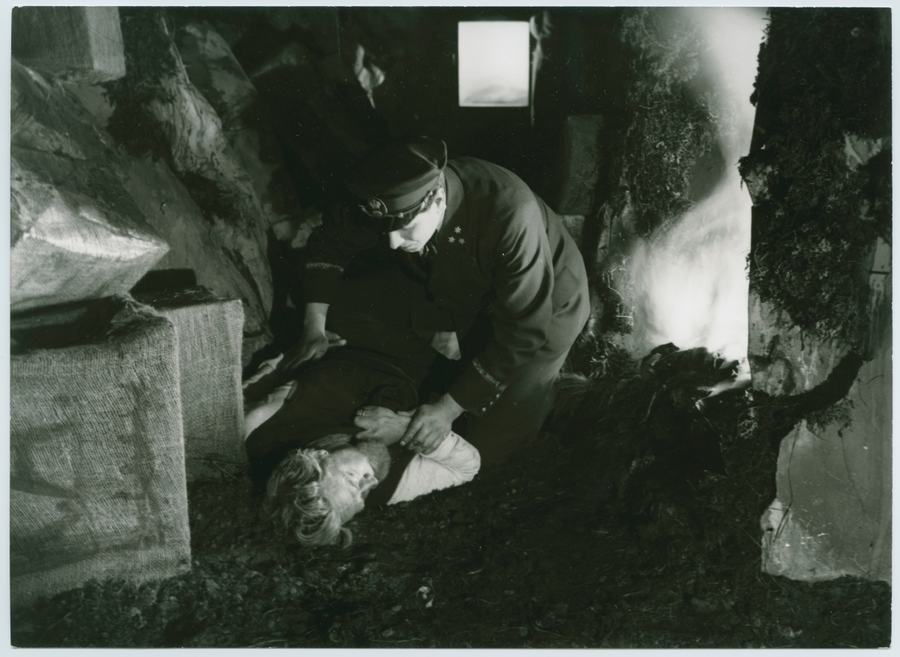
The central inciting incident—the death of the customs officer—is handled with a jarring lack of flourish. It is messy, panicked, and profoundly human. This isn't the choreographed heroism of Bar Kochba, the Hero of a Nation; it is a frantic struggle in the dark that results in a life extinguished. The subsequent cover-up is where the film truly begins to gnaw at the audience's nerves. We see the father and son attempting to maintain a facade of normalcy while the ghost of their deed manifests in the physical presence of the officer’s son.
This dynamic creates a tension that is rarely seen in 1910s cinema. Most films of the era, such as Crooky or After the Ball, relied on externalized conflict—villains with twirling mustaches or obvious misunderstandings. In Havsgamar, the villain is the collective silence of the protagonists. It is a psychological thriller before the genre had a name, utilizing the isolation of the setting to mirror the isolation of the soul.
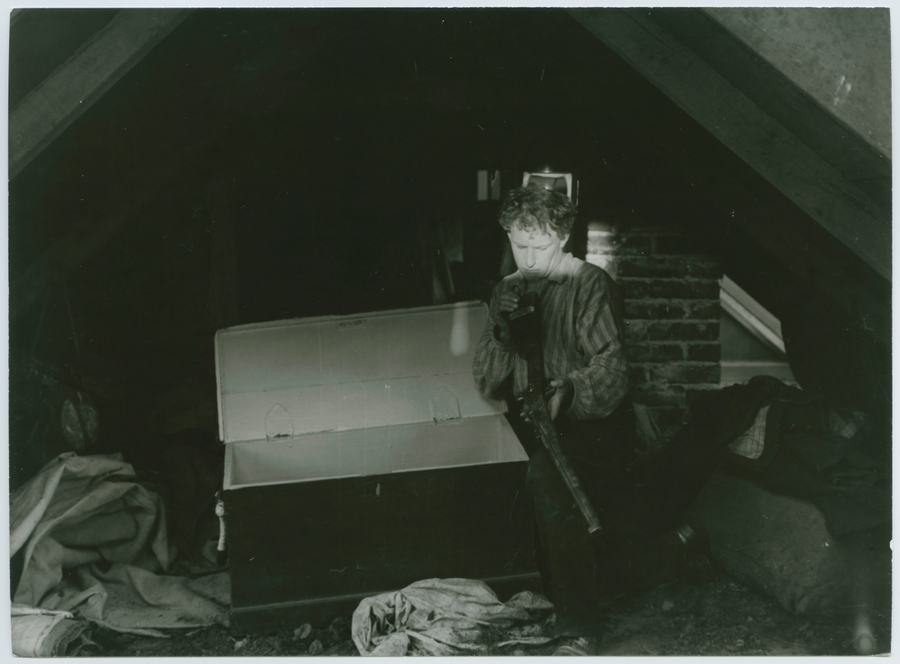
Technically, the film utilizes light and shadow to articulate the shifting loyalties of its characters. The interiors are often bathed in a murky gloom, illuminated only by the flicker of lamps that seem to cast long, accusatory shadows. This use of light is far more sophisticated than the flat lighting found in War Brides, suggesting a director who understood that what is hidden is often more terrifying than what is shown. The editing, though primitive by modern standards, creates a rhythmic pulse that quickens as the officer's son begins to piece together the fragments of his father's final hours.
When we look at the broader landscape of 1916, movies like The Captain Besley Expedition were exploring the physical frontiers of the world, but Havsgamar was exploring the internal frontiers of morality. It asks the viewer: at what point does survival become indistinguishable from monstrosity? The title itself, 'The Sea Vultures,' suggests a scavenging existence, a life lived on the margins where one person's tragedy is another's opportunity for profit.
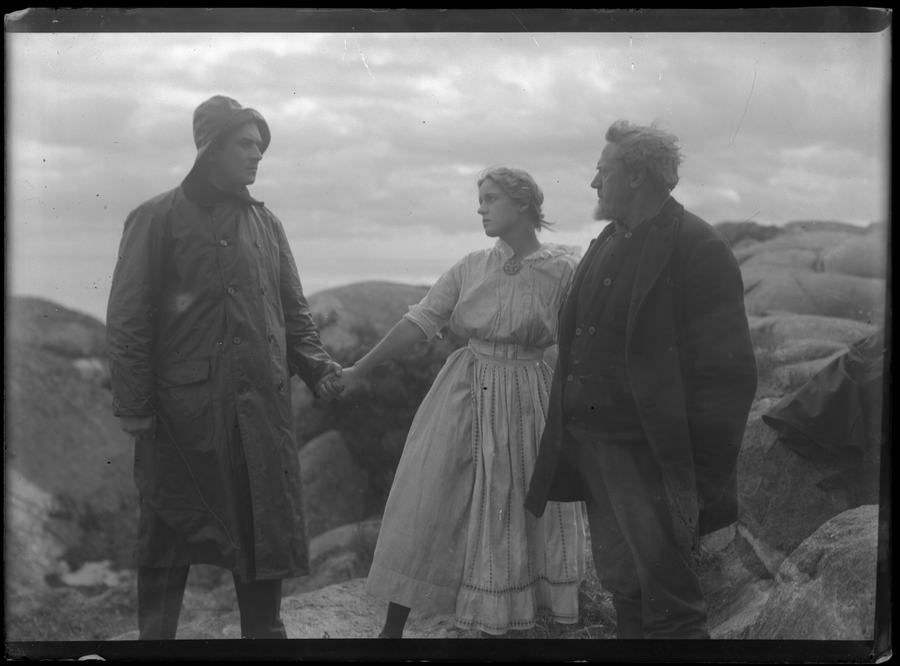
The relationship between the smuggler father and his son is the film's most tragic element. There is a twisted sense of love there—a desire to protect one another that ultimately leads to their mutual destruction. This subversion of the family unit is a recurring theme in high-brow Swedish drama, and it is executed here with a brutal efficiency. It lacks the whimsical charm of Mary's Lamb, replacing it with a grim reality where children are forced to pay for the transgressions of their sires.
As the officer’s son enters the fray, he acts as a catalyst for a delayed justice. His presence is a living memento mori. The way the camera lingers on his face as he interacts with his father’s killers is masterful, capturing a sense of impending doom that is palpable. It reminds one of the tragic inevitability in Locura de amor, where passion and duty collide with lethal results.

While The Eagle's Nest or The Sting of Victory might offer more traditional narrative payoffs, Havsgamar leaves the viewer with a lingering sense of unease. It does not offer easy catharsis. Instead, it presents a world where the sea eventually claims everything—secrets, bodies, and souls alike. The film shares a certain thematic DNA with The Island of Regeneration, particularly in its focus on characters isolated from society's laws, but Havsgamar is far more interested in the rot that occurs within that isolation.
The conclusion of the film is a masterclass in silent storytelling, relying on the expressive power of the actors' faces rather than intertitles to convey the finality of their situation. The 'scandal' at the heart of the story—not unlike the social ruptures explored in Scandal—is one of character rather than mere circumstance. It is the revelation that the people we love are capable of the unthinkable.
Ultimately, Havsgamar stands as a testament to the sophistication of early 20th-century Swedish filmmaking. It eschews the easy road of villainy and heroism for a much more complex exploration of the gray areas of the human heart. It is a film that demands to be watched with the same intensity with which it was made—a dark, shimmering jewel of the silent era that continues to resonate with its themes of guilt, sea-borne tragedy, and the inescapable reach of the past. For any serious student of cinema, it is an essential text that bridges the gap between the theatricality of the past and the psychological realism of the future.

IMDb 6.7
1915
Community
Log in to comment.