DbcultAccessing Vault...
Cult Review
Senior Film Conservator

Frank E. Woods—best known as Griffith’s ink-stained confidant—steps from the colossal shadow of The Birth of a Nation to craft something at once smaller and infinitely more intimate: a moral fissure seen through the trembling iris of a country girl who trusts the wrong reflections. A Woman’s Awakening is not a film that trumpets its own grandeur; it murmurs, seduces, then detonates like a letter bomb inside the viewer’s ribcage.
Where Griffith marshalled cast-of-thousands cavalry charges, Woods prefers claustrophobic interiors painted with tungsten ache. The camera, often nailed as if by iron spikes, nevertheless breathes through chiaroscuro gradations: Paula’s first ball becomes a boudoir inferno of ochre and vermilion, city phosphorescence leaking through velvet drapes like arterial spray. Compare this to the pagan wilderness of The Witch or the stoic cliffs in The Manxman; here the true landscape is psychological, a terra infirma of lapsed scruples.
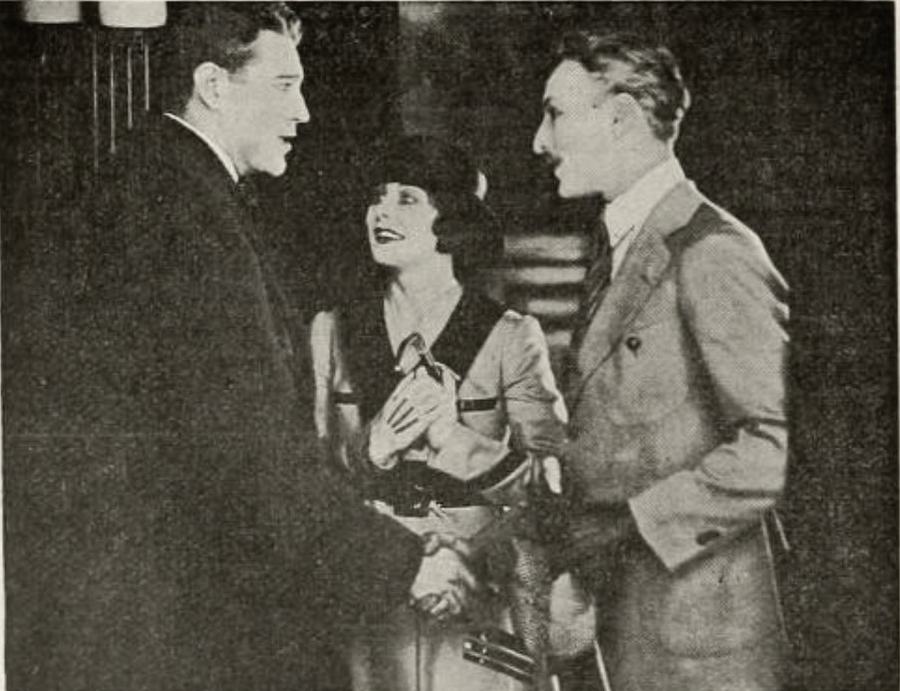
Seena Owen’s Paula is no flapper caricature; her tremor is calibrated to the micro-rhythms of self-doubt. Watch the way her gloved fingers flutter when Topham proposes—an entire novella of misgiving compressed into a twitch of kid leather. Opposite her, Allan Sears plays Allen Cotter with the haunted composure of a man perpetually calculating load-bearing beams of fate. Their chemistry is measured in furtive glances rather than clinches, a welcome antidote to the arm-flailing histrionics that date many silents.
Charles K. Gerrard sculpts Topham into a velvet-scourge hybrid: part Oscar Wilde epigram, part casino termite. The performance anticipates the urbane rot later found in film-noir parasites, yet Gerrard adds a feline languor—each syllable stretched until it snaps like over-chewed taffy. His dissolution is not a fall but a saunter into entropy, making the eventual bullet feel less like tragedy, more like punctuation.
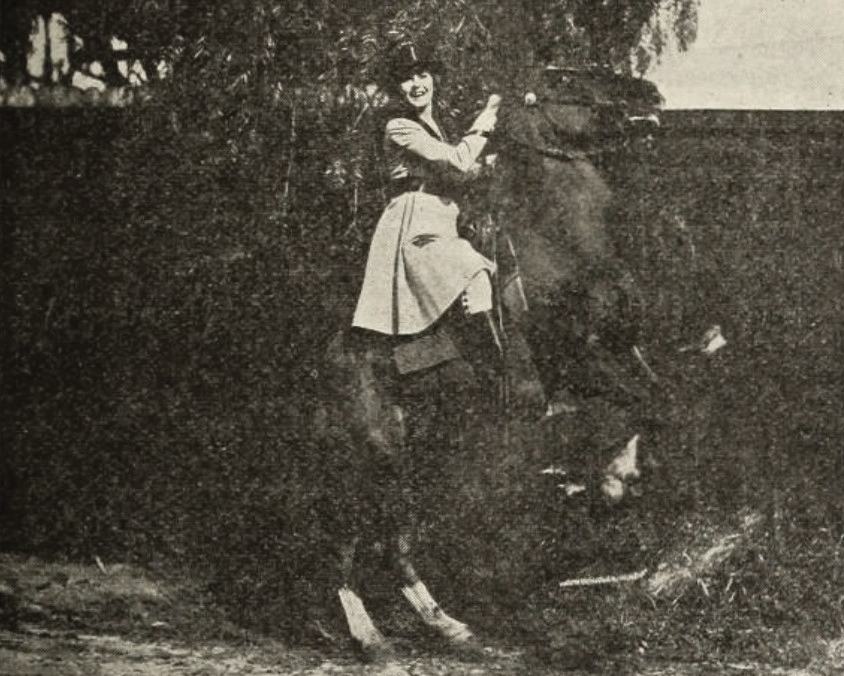
Kate Bruce, Griffith’s perennial Madonna, here subverts her angelic typecasting. The invalid mother’s cough is diegetic Morse code, tapping out maternal desperation. Her climactic confession arrives via intertitle—white letters on black, shuddering like winter leaves—yet the emotional payload is seismic. Woods refuses to sensationalize; the camera stays medium-distance, forcing us to imagine the recoil of wrist and conscience alike. Compare this maternal sacrifice to the more baroque vengeance in Honor's Altar or the folkloric retribution of The Witch; here justice is intimate, almost embarrassingly human.
Act I: pastoral naïf meets metropolitan Sirens—lush, almost Renoir-in-silver palette. Act II: marriage as debtor’s prison, the mise-en-scène growing barer, furniture pawned, walls breathing cold plaster. Act III: nocturnal rain-soaked streets, mirrors pocked with guilt, culminating in a confession that functions like a safety-valve for narrative pressure. Woods’ three-act symmetry predates the similarly structured downfall in The Fires of Youth, yet achieves resonance without pyrotechnics.
Unlike the Manichean wilderness of The Witch, the metropolis in A Woman’s Awakening is neither evil nor benevolent—it is an echo chamber where every giggle acquires currency and every sob depreciates. Woods externalizes this through set design: Paula’s first apartment is dizzy with Art Nouveau curves; by film’s end the lines have hardened into Art Deco knives. The transformation happens so gradually you only notice when the shadows start cutting skin.
Topham’s refusal to honor the divorce pact after squandering Paula’s buy-out money crystallizes the film’s bitterest insight: in 1917, a woman’s body is collateral, her love a mortgage, and the law a casino rigged for the house. Paula’s offer to “purchase” her freedom is both pragmatic and obscene, a transactional quid pro quo that anticipates the mercenary marriages critiqued decades later in post-Code melodramas. Woods’ screenplay, adapted from Frank E. Woods’ own story, presents no feminist sermon—just the chill of ledger columns where a heartbeat should be.
Though devoid of synch sound, the film weaponizes absence: the mother’s gunshot is implied through a flash-frame and an abrupt orchestral rest. Contemporary exhibitors often deployed a percussive “crash” on the house organ; today’s restorations favor a caesura so total the vacuum sucks oxygen from the auditorium. Either way, the mind rushes to fill the void—cinema’s first psychological jump-scare.
Griffith’s The Birth of a Nation may have birthed modern grammar, but its elephantine racism leaves it forever quarantined. The Bondman and Helene of the North trade in romantic largesse, whereas A Woman’s Awakening opts for chamber-piece intimacy. Hitchcock would later mine similar guilt-transfer mechanics in I Confess, yet Woods got there first, sans parish or priest.
Only two incomplete 35 mm prints survive—one at MoMA, one at Cinémathèque Française—both missing the subway sequence. Rumor has it a 9.5 mm Pathé-Baby abridgment circulates among private collectors, but nitrate shrinkage has warped the image into Dalí-esque delirium. Kino Lorber’s 2018 crowdfunding campaign stalled at 67 %, so for now this gem flickers in institutional vaults, tantalizingly out of reach.
Because A Woman’s Awakening is the ghost at the feast of silent-era historiography: a film that forecasts noir’s moral rot, the woman’s-picture economic anxieties of the ’40s, and even the post-traumatic guilt of post-war cinema, all while clocking in at a brisk 68 minutes. It is a candle in the archival night, begging for rediscovery. If you ever fantasized about time-traveling to 1917 with a flashlight and a dream, start here—just don’t expect the light to stay on for long.
Verdict: 9.1/10—an essential, if elusive, piece of America’s cinematic DNA. Hunt it down, petition archives, bribe programmers—whatever it takes. Some silents whisper; this one screams across a century, and its echo still bleeds.

IMDb 5.4
1922
Community
Log in to comment.