DbcultAccessing Vault...
Cult Review
Senior Film Conservator
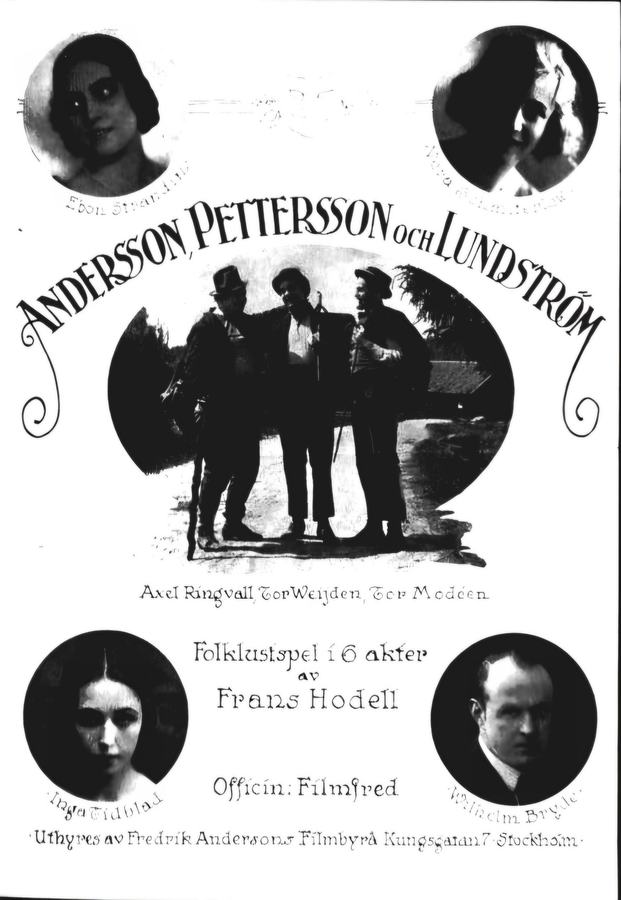
Stepping back into the annals of early Swedish cinema, one unearths a delightful, if often overlooked, comedic caper: 'Andersson, Pettersson och Lundström'. Released in 1923, this silent era production, helmed by the versatile Carl Barcklind, offers a fascinating glimpse into the nascent stages of narrative filmmaking, blending a simple premise with character-driven humor that, against all odds, still manages to elicit a chuckle a century later. It’s a testament to the universal appeal of human foible and the intoxicating allure of chance, presented through the charmingly exaggerated lens of silent-era performance.
The film’s narrative core is disarmingly straightforward: three friends – Andersson, Pettersson, and Lundström – embark on a seemingly innocuous, yet profoundly ambitious, long walk to Stockholm. This isn’t merely a physical journey; it’s an odyssey imbued with the quiet hopes and unspoken dreams of ordinary folk seeking something more, or perhaps just a change of scenery. Their pedestrian pilgrimage, a testament to simpler times and perhaps limited transportation options, forms the backdrop for the film’s central conceit. The sheer act of walking such a distance to the capital city itself speaks volumes about their determination, their perhaps naive optimism, and the era’s perception of travel and aspiration. It’s a kind of understated epic, where the heroism lies not in grand battles, but in putting one foot in front of the other, day after day.
The true turning point, the narrative catalyst that shifts the film from a gentle slice-of-life travelogue to a comedic exploration of fortune, arrives with the purchase of a lottery ticket. This seemingly trivial act, a momentary indulgence on their arduous journey, transforms their trajectory entirely. The subsequent win isn't just a plot device; it's a thematic fulcrum, pivoting the story from one of humble endurance to one grappling with the sudden, disorienting weight of unexpected wealth. How do three ordinary individuals, accustomed to modest means and the simple rhythm of their walk, react to such a seismic shift in their financial reality? This is where the film truly begins to explore its comedic potential and, subtly, its social commentary.
Carl Barcklind, not only directing but also co-writing the screenplay with Frans Hodell, crafts a world where character reactions are paramount. In the silent era, performances were necessarily broad, relying on exaggerated facial expressions and body language to convey emotion and intent. Here, the cast rises to the occasion. Vera Schmiterlöw, a prominent figure in Swedish cinema of the period, brings a nuanced charm to her role, often serving as a counterpoint to the more boisterous male characters. Her presence likely added a touch of grace and perhaps a grounding influence amidst the escalating chaos of newfound wealth. One can imagine her expressions shifting from weary determination to wide-eyed astonishment, then perhaps to a more measured contemplation of their altered circumstances.
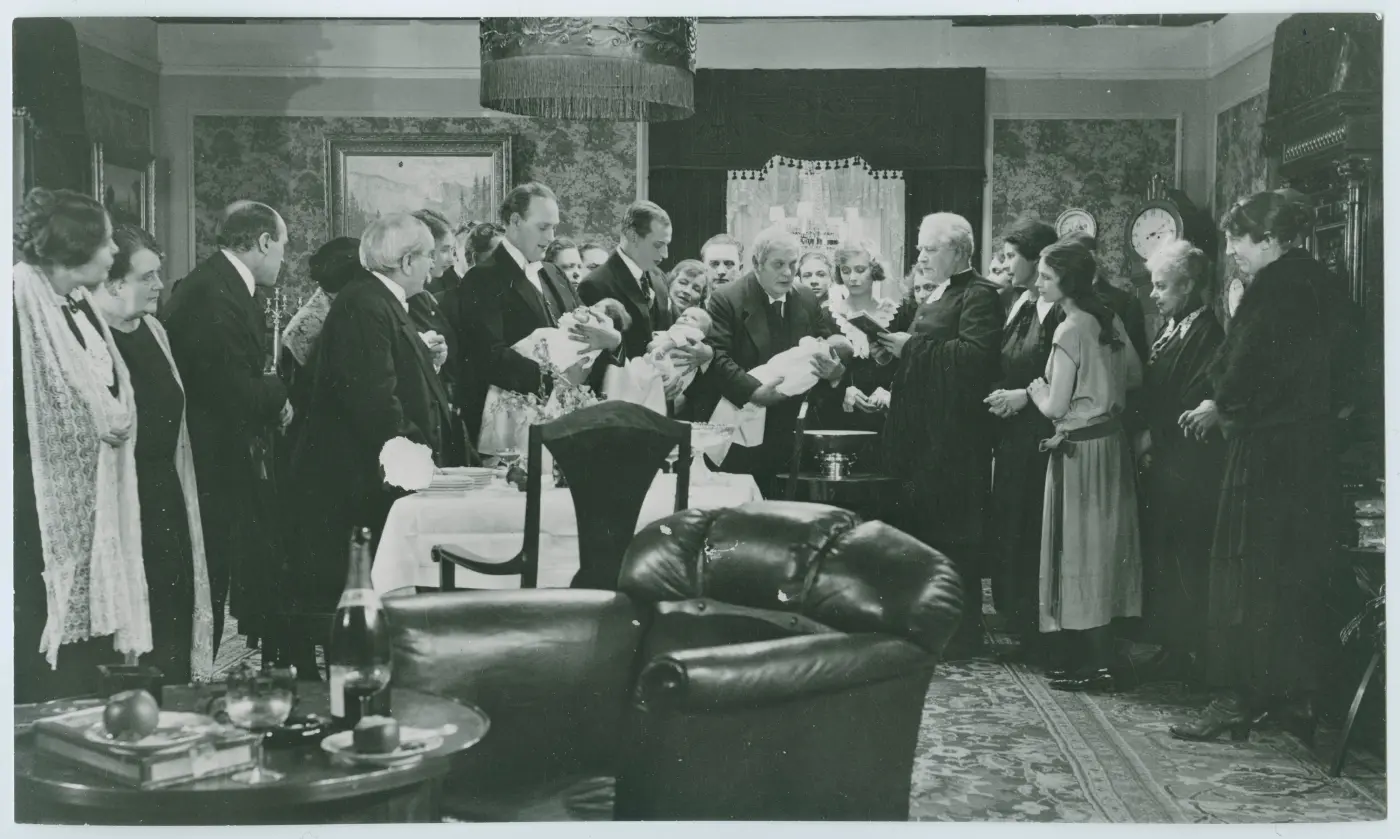
The male triumvirate – Tor Weijden, Thor Modéen, and Axel Ringvall – would have embodied distinct comedic personas, a common trope in ensemble comedies. Weijden, often known for his more serious or dramatic roles, might have played the more sensible, perhaps even skeptical, member of the group, providing a humorous contrast to the others' exuberance. Modéen, a celebrated comedian of his time, would undoubtedly have brought his signature brand of physical comedy and expressive theatrics to the fore, likely becoming the most outwardly joyous or perhaps comically bewildered by the sudden fortune. Ringvall, another veteran of the stage and screen, would have rounded out the trio, perhaps as the everyman, the one whose reactions are most relatable to the audience, or perhaps as the subtly cunning one, already plotting how to spend the winnings. The interplay between these distinct personalities, initially united by the simple goal of reaching Stockholm, then bound by the shared secret and subsequent joy of their lottery win, forms the comedic backbone of the film. Their collective journey morphs from a shared physical hardship to a shared emotional rollercoaster.
Barcklind and Hodell's script, even in its silent form, would have meticulously crafted these interactions, relying on visual gags, character-specific reactions, and well-timed intertitles to convey dialogue and internal thoughts. The humor would likely stem from the incongruity of their humble origins with their sudden wealth, the awkwardness of new luxuries, and perhaps even the petty squabbles that might arise from deciding how to manage their newfound riches. This thematic exploration of fortune’s double-edged sword is a timeless one, echoing through cinema history. One can almost draw a parallel to the simple, almost innocent pursuit of luck in Out of Luck, though 'Andersson, Pettersson och Lundström' appears to delve more into the *consequences* of that luck rather than just the pursuit itself. The film likely capitalizes on the human tendency to dream of 'what if,' then comically presents the reality of that dream.
The technical aspects of a 1923 silent film are also worth considering. While special effects were rudimentary, directors like Barcklind had to be masters of visual storytelling. Camera angles, editing rhythms, and the staging of actors within the frame were crucial. The journey itself would have been depicted through a series of scenic shots, contrasting the rural landscapes with the eventual bustling cityscape of Stockholm. The moment of the lottery win, the reveal of the winning numbers, would have been a carefully choreographed sequence, building suspense and then exploding into joyous, perhaps chaotic, celebration. The film's appeal lies not just in its plot but in its very medium—the evocative power of images and music to convey a narrative without spoken words.
Beyond the laughs, 'Andersson, Pettersson och Lundström' provides a subtle lens into the societal aspirations of the early 20th century. The lottery, then as now, represented a democratic dream, a chance for anyone, regardless of station, to transcend their circumstances. The film, by showcasing three ordinary individuals achieving this dream, tapped into a collective fantasy. It’s a far cry from the weighty moral dilemmas presented in something like Prestuplenie i nakazanie, where fortune is often intertwined with crime and profound spiritual reckoning. Instead, Barcklind offers a more lighthearted, almost escapist, vision of destiny’s capricious hand, a balm for the everyday struggles of its contemporary audience. The film, in its innocence, celebrates the simple joy of an unexpected boon.
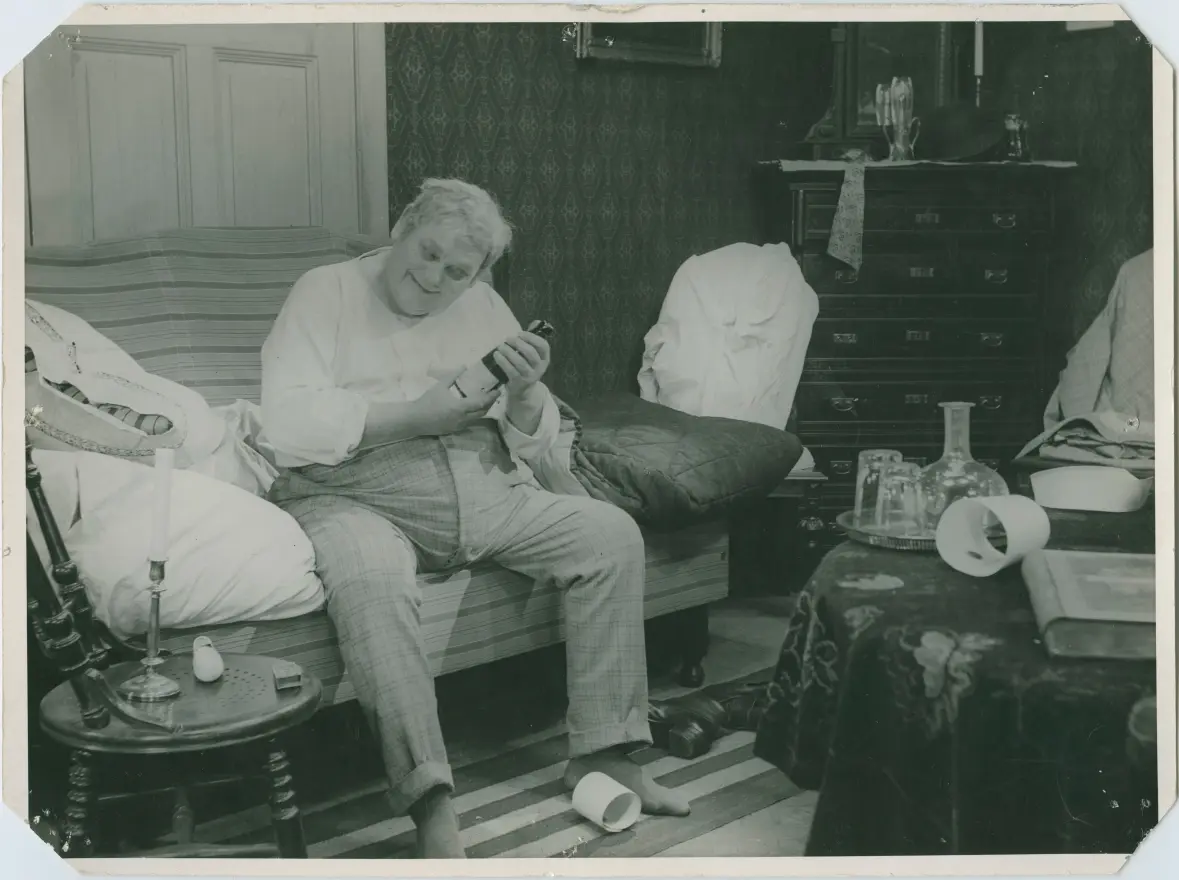
While 'Andersson, Pettersson och Lundström' may not possess the dramatic gravitas or artistic experimentalism of some of its more celebrated contemporaries, its value lies in its unpretentious charm and its faithful reflection of popular entertainment of the era. It’s a delightful reminder of how early filmmakers captivated audiences with relatable characters and universal themes. The journey to Stockholm, the lottery win – these are elements that resonate across cultures and generations. It’s a film that, like a pleasant stroll, might not alter your worldview but will certainly leave you with a smile.
The film's exploration of friendship, especially under the pressure of sudden wealth, is another compelling aspect. Do the bonds between Andersson, Pettersson, and Lundström strengthen, or do the temptations of money begin to fray their camaraderie? This is where the true narrative tension, albeit a comedic one, would reside. The interactions between the three, their individual responses to their changing fortunes, would likely form the core of the film's lasting impression. It's a question of character, much like in any good ensemble piece, whether it’s a raucous comedy like Good Night, Nurse or a more dramatic exploration of human connection. The dynamics are universal, even if the cinematic language has evolved dramatically.
Carl Barcklind's direction, informed by his extensive experience in theater, would have emphasized clear staging and expressive performances. The visual storytelling required for silent film meant every gesture, every prop, and every camera setup had to serve the narrative explicitly. The shift from the open road to the more confined, perhaps opulent, settings that their lottery winnings might afford them would have been visually significant, highlighting their transition. The subtle nuances of silent acting, the ability of Schmiterlöw, Weijden, Modéen, and Ringvall to convey complex emotions without dialogue, is a skill that modern audiences often underestimate. Their performances are not just acting; they are a form of visual poetry, demanding an active engagement from the viewer to interpret their inner worlds.
In the grand tapestry of early cinema, 'Andersson, Pettersson och Lundström' may not be a monumental epic like La tragica fine di Caligula imperator, nor a brooding psychological drama, but its strength lies in its unassuming nature. It is a film that reflects the simple pleasures and anxieties of its time, a gentle comedy about the unpredictability of life and the enduring human desire for a little bit of luck. Its charm is quiet, its humor understated, but its ability to connect with an audience through universal themes of aspiration, friendship, and the sudden shift of fortune ensures its place as a fascinating artifact of Swedish film history. To watch it today is to experience a slice of cinematic innocence, a journey not just to Stockholm, but back to a foundational moment in storytelling.
Ultimately, 'Andersson, Pettersson och Lundström' reminds us that some stories, no matter how simple, possess an inherent timelessness. The dream of winning the lottery, the camaraderie of a shared journey, the delightful awkwardness of navigating new circumstances – these are all elements that continue to resonate. It's a film that asks us to consider not just the destination, but the unexpected detours that life throws our way, and how we, as ordinary individuals, choose to navigate them. It’s a charming, historically significant piece of Swedish cinema that deserves to be remembered and, ideally, rediscovered by new generations of film enthusiasts. It’s a testament to the fact that even in the silent era, the power of a good story, well-told through expressive performances and clever direction, could shine brightly, illuminating the human condition with both humor and heart.
IMDb 4.5
1935
Community
Log in to comment.