DbcultAccessing Vault...
Cult Review
Senior Film Conservator
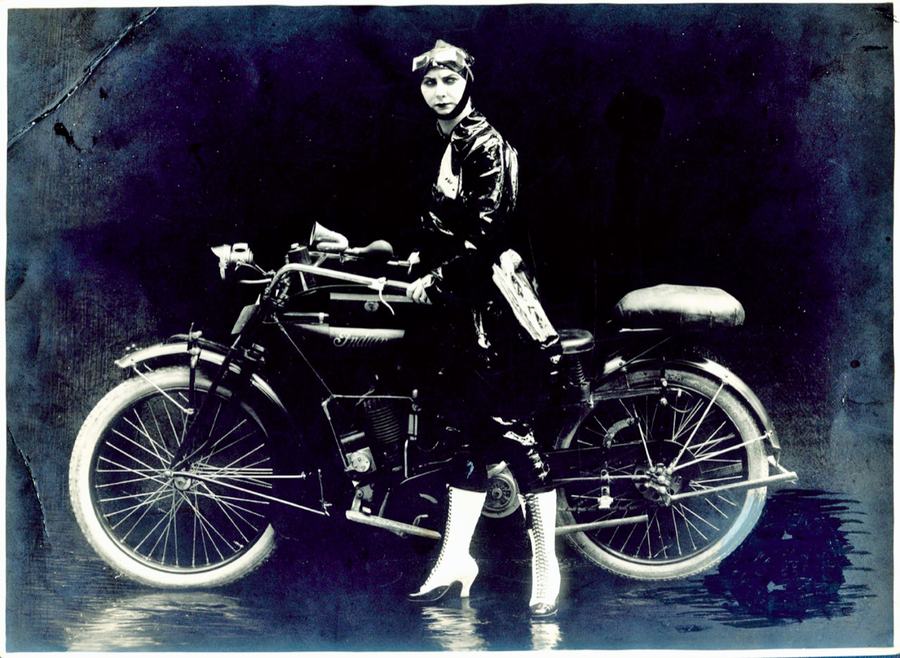
Stepping into the spectral embrace of "Nattens datter III" is akin to being drawn into a meticulously crafted dream, or perhaps, a waking nightmare. This Danish silent masterpiece, a continuation of the enthralling saga of 'The Daughter of the Night,' solidifies its place not merely as a sequential installment but as a profound exploration of identity, sacrifice, and the inescapable gravity of one's past. Directed with an acute understanding of visual storytelling and penned by the ingenious Richard Lund, the film transcends its era, offering a narrative tapestry rich with psychological nuance and breathtaking dramatic tension.
At its heart lies Anna Müller's indelible portrayal of Helena, the enigmatic figure known to the underworld as 'The Shadow Siren.' Müller, a titan of early cinema, imbues Helena with a captivating duality—a woman longing for the quietude of a normal existence, yet inexorably drawn back into the dangerous dance of her former life. Her performance is a masterclass in silent acting, conveying volumes with a mere glance, a subtle shift of posture, or the trembling of a hand. The film opens with Helena, having seemingly shed her notorious persona, living under an assumed identity, attempting to weave a fabric of normalcy for herself and her beloved younger sister. This fragile peace, however, is but a prelude to the storm.
The catalyst for her dramatic return to the shadows is the sinister Baron Von Kessel, a character brought to chilling life by Peter S. Andersen. Andersen’s Baron is not merely a villain; he is an embodiment of insidious power, his calm demeanor masking a ruthless intellect. He operates from the periphery, a puppeteer pulling strings from the darkest corners of society, his motives shrouded in an aura of malevolent mystery. The syndicate he commands seeks a legendary artifact or a crucial secret that Helena once possessed, believing her to be the key to unlocking their grand, nefarious scheme. The very air around Andersen’s Baron crackles with an understated menace, making him a truly formidable antagonist.
To coerce Helena, the Baron dispatches Vivienne, a character who elevates the film's dramatic stakes significantly. Portrayed with a mesmerizing blend of grace and venom by Emilie Sannom, Vivienne is Helena's former protégé, now her most dangerous rival. Sannom, known for her athletic prowess and fierce on-screen presence, delivers a performance that is both physically commanding and psychologically complex. Vivienne is not a simple antagonist; she is a mirror reflecting Helena's own past ruthlessness, a dark echo of what Helena once was, or perhaps, still is. Their confrontations, both physical and psychological, are electric, charged with a history of shared secrets and bitter betrayal. The kidnapping of Helena's sister, orchestrated by Vivienne, is the cruel, effective stroke that shatters Helena's resolve and forces her back into the very identity she had so desperately tried to escape.
Amidst this web of intrigue and peril, stands Detective Inspector Brandt, played by the stoic and morally conflicted Alfred Arnbak. Arnbak imbues Brandt with a quiet dignity, a man of unwavering principles who has long pursued The Shadow Siren. However, as he delves deeper into the syndicate's machinations and witnesses Helena's desperate struggle to protect her family, his black-and-white world begins to blur into shades of grey. Brandt’s internal conflict—torn between his duty to the law and a burgeoning understanding, perhaps even an unspoken respect, for Helena's complex motivations—adds a profound layer of moral ambiguity to the narrative. His character serves as the audience's moral compass, albeit one that is constantly being recalibrated by the unfolding events.
The screenplay by Richard Lund is a masterclass in pacing and narrative construction. Lund understands the power of visual storytelling inherent in silent cinema, crafting a plot that relies less on intertitles and more on the expressive performances of his cast and the evocative power of the mise-en-scène. The narrative unfolds with a relentless momentum, each twist and turn feeling earned, each revelation deepening the audience's investment in Helena's plight. Lund’s ability to weave together elements of melodrama, crime thriller, and psychological drama into a cohesive and compelling whole is truly remarkable. The themes of redemption, sacrifice, and the enduring nature of identity are explored with a depth that belies the film's ostensibly genre roots.
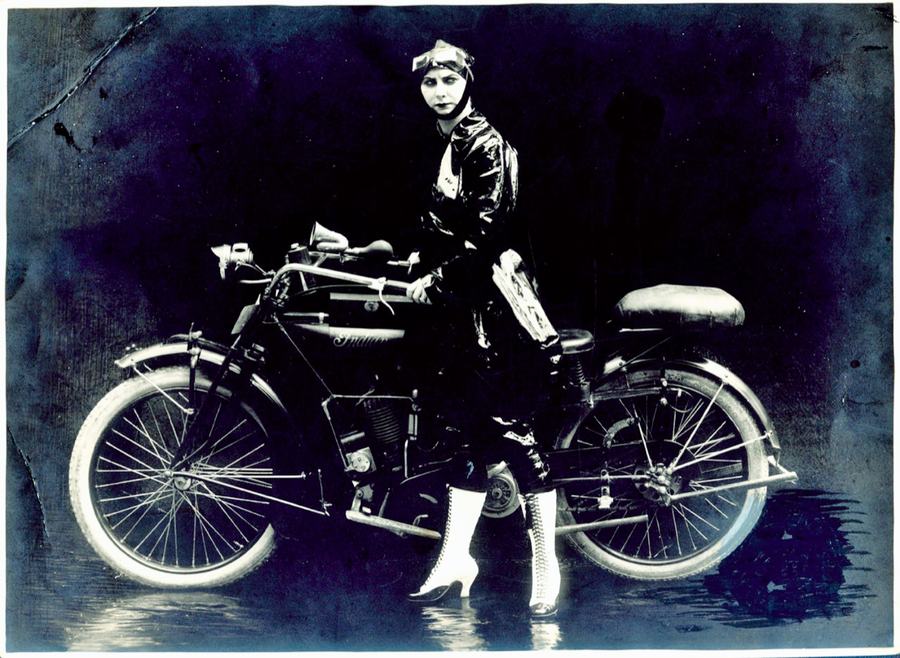
Visually, "Nattens datter III" is a feast for the eyes. The cinematography, utilizing stark contrasts of light and shadow, perfectly mirrors the film's thematic dichotomies. The nocturnal sequences, in particular, are breathtaking, imbued with a sense of danger and mystery that truly earns the film its title. The sets, from the opulent, yet claustrophobic, interiors of the Baron's lair to the grimy, labyrinthine back alleys where Helena operates, are meticulously designed, creating a tangible sense of place and atmosphere. The use of practical effects for stunts and chases, a hallmark of this era, adds a raw, visceral energy that modern CGI often struggles to replicate. One particularly memorable sequence involves Helena navigating a series of rooftops, her silhouette against the moonlit sky, a visual motif that is both iconic and deeply symbolic of her 'Daughter of the Night' persona.
Comparing "Nattens datter III" to its contemporaries reveals its unique strengths. While films like The Price of Silence or Conscience delved into moral dilemmas and the heavy burden of past transgressions, "Nattens datter III" elevates these themes by grounding them in a high-stakes thriller framework. Helena's struggle is not merely internal; it is a desperate fight for survival against external forces that threaten to dismantle her entire world. The film's portrayal of a strong, resourceful female protagonist navigating a male-dominated criminal underworld also draws parallels with films like The Eternal Temptress, yet Helena's motivations are far more complex than simple allure or manipulation. She is a woman driven by love and a fierce protectiveness, forced to employ her darker skills for noble ends. This nuanced depiction of a 'femme fatale' figure, where her 'evil' is a tool rather than an inherent trait, sets Helena apart.
The dynamic between Helena and Vivienne echoes the intense rivalries seen in films such as The Rival Actresses, but with far higher stakes. Their conflict is not just professional; it is deeply personal, rooted in a shared past and divergent paths. The element of betrayal, so potent in works like Betrayed, is explored here with a raw intensity, as Vivienne's actions force Helena to confront the very darkness she sought to escape. Furthermore, the film’s exploration of justice, or the lack thereof, and the often-blurred lines between law and criminality, places it alongside compelling dramas like Blind Justice and Das schwarze Los, but it distinguishes itself by presenting a protagonist who operates outside the conventional bounds of either, a true anti-heroine.
The emotional core of "Nattens datter III" is its unwavering focus on Helena's internal struggle. The burden of her past, the constant threat to her loved ones, and the moral compromises she is forced to make are palpable. Müller’s performance ensures that Helena is not just a thrilling action figure but a deeply sympathetic character whose sacrifices resonate long after the credits roll. The film's climax is a masterstroke of emotional storytelling, a high-stakes confrontation that demands everything from Helena. It is a moment of profound reckoning, where the choice between personal freedom and the safety of those she cherishes is laid bare. The bittersweet resolution, where Helena perhaps sacrifices her own chance at a 'normal' life or simply disappears back into the anonymity of the night, reinforces the tragic beauty of her character.
The film’s legacy lies not just in its thrilling plot or compelling performances, but in its sophisticated thematic explorations. It challenges audiences to question the nature of heroism, the definitions of good and evil, and the societal structures that often force individuals into morally ambiguous positions. The 'Daughter of the Night' saga, culminating in this powerful installment, presents a vision of a woman who, despite being an outlaw, embodies a fierce sense of justice and loyalty. Her struggle is a timeless one, echoing through the decades and finding resonance in contemporary narratives of complex female protagonists.
In conclusion, "Nattens datter III" stands as a testament to the artistic heights achievable within silent cinema. It is a film that demands to be seen, studied, and celebrated. Its potent blend of suspense, drama, and profound character work, brought to life by an exceptional cast under the astute direction guided by Lund's compelling script, cements its status as a pivotal work of its era. It is more than just a thrilling ride; it is a poignant meditation on the indelible marks our pasts leave upon us and the enduring power of love and sacrifice. The film leaves an impression that is as indelible as The Shadow Siren's own elusive legend, a true gem that continues to shine brightly from the annals of cinematic history.
IMDb 6
1934
Community
Log in to comment.