DbcultAccessing Vault...
7.3/10
Senior Film Conservator
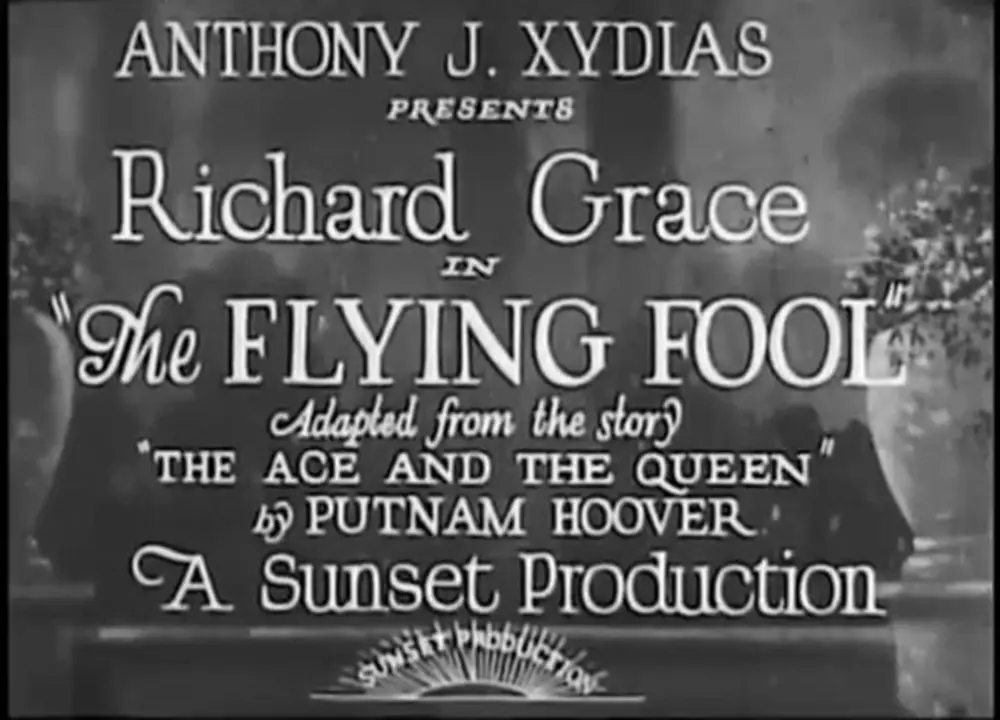
A definitive 7.3/10 rating for a film that redefined the boundaries of cult cinema. The Flying Fool remains a cornerstone of transgressive art.
Is The Flying Fool worth watching today? Short answer: Only if you have a deep-seated obsession with early aviation stunts and silent-era melodrama. This film is specifically for historians of the 1920s and fans of physical comedy who don't mind a paper-thin plot. It is emphatically NOT for modern audiences seeking nuanced character development or a logical romantic progression.
The film exists in that strange pocket of cinema history where the spectacle of flight was enough to carry a narrative. While it lacks the gravitas of a film like A Celebrated Case, it attempts to bridge the gap between slapstick and high-stakes drama. But does it succeed? It works. But it’s flawed.
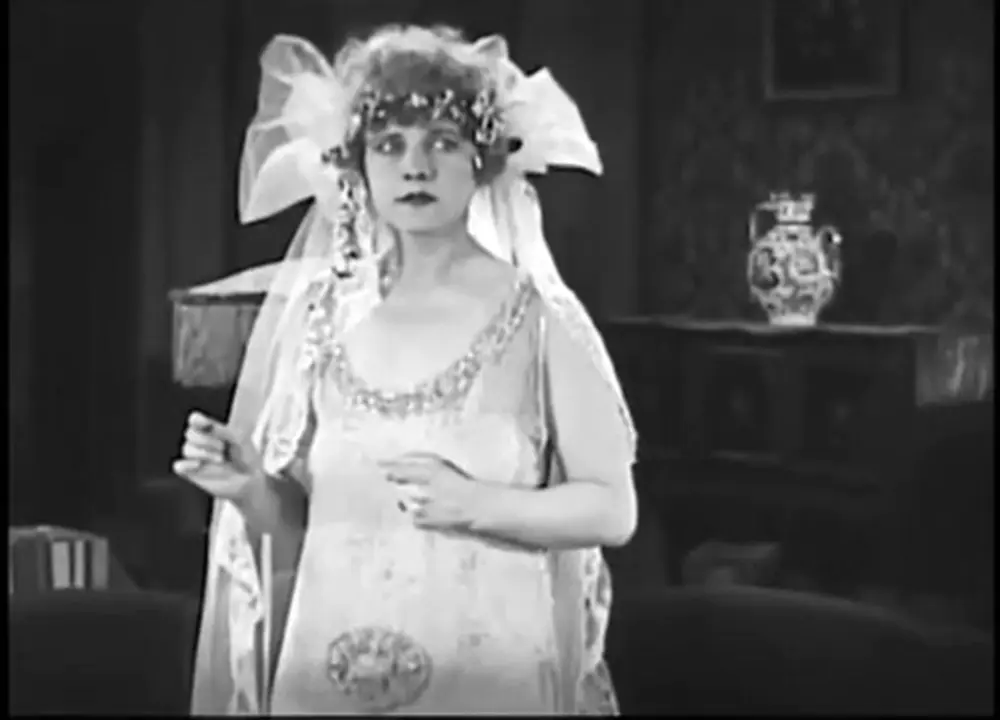
The premise of The Flying Fool is built on a foundation of extreme social anxiety. The groom’s lateness isn't just a minor faux pas; it’s treated as a moral failing of the highest order. Ralph Spence’s writing leans heavily into the 'missed connection' trope, but the escalation feels forced. When the bride returns home, her immediate pivot to the best man isn't just fast—it’s jarring. It makes the audience question why the groom was interested in her in the first place.
Compare this to the pacing in Just a Woman, where emotional shifts are given room to breathe. Here, the transitions are whiplash-inducing. One moment we are at a wedding, the next we are watching a predatory best man perform a masterclass in manipulation. Gaston Glass plays the villain with a slickness that is actually the highlight of the film’s first half. He doesn't just want the girl; he wants to erase the groom entirely.
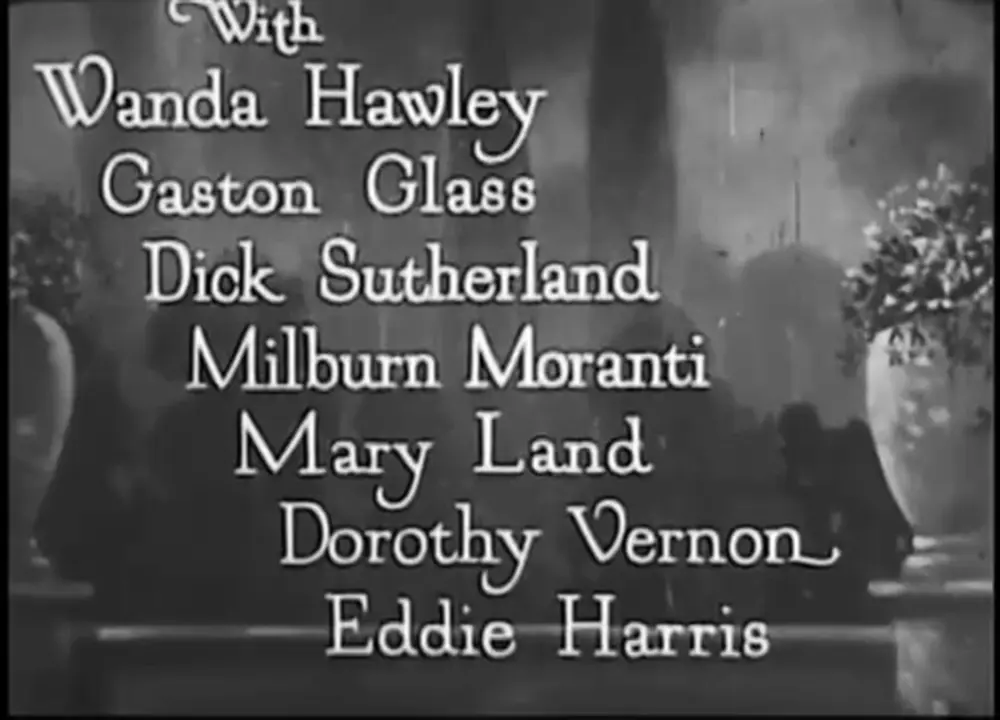
The real reason anyone remembered this film in the 1920s was Dick Grace. Unlike the more traditional acting found in The Dream Cheater, Grace’s performance is physical. He isn't trying to convey complex internal monologues. He is trying to survive a cockpit. The cinematography during the flight scenes is surprisingly kinetic for the era. The camera stays tight on the shaking fuselage, making the audience feel every vibration of the engine.
There is a specific scene where the groom realizes he is being replaced. The way Grace uses his plane as an extension of his rage—buzzing the house and disrupting the best man's advances—is a clever use of geography. It turns the sky into a vantage point and a weapon. This is where the film finds its pulse. When it stays on the ground, it stutters. When it takes to the air, it soars.
If you are looking for a masterpiece of silent storytelling, look elsewhere. However, if you want to understand how early Hollywood used 'gimmicks' to sell tickets, this is a perfect case study. The Flying Fool is a B-movie at heart, elevated by the sheer bravery of its lead actor. It lacks the thematic resonance of La marcia nuziale, but it makes up for it with raw, unpolished energy.
The film’s biggest hurdle for a modern viewer is the treatment of the bride. Wanda Hawley is a talented actress, but she is given nothing to do but react. She is a prize to be won, not a person with agency. This makes the final 'rescue' feel less like a romantic triumph and more like a repossession of property. It’s an uncomfortable relic of its time.
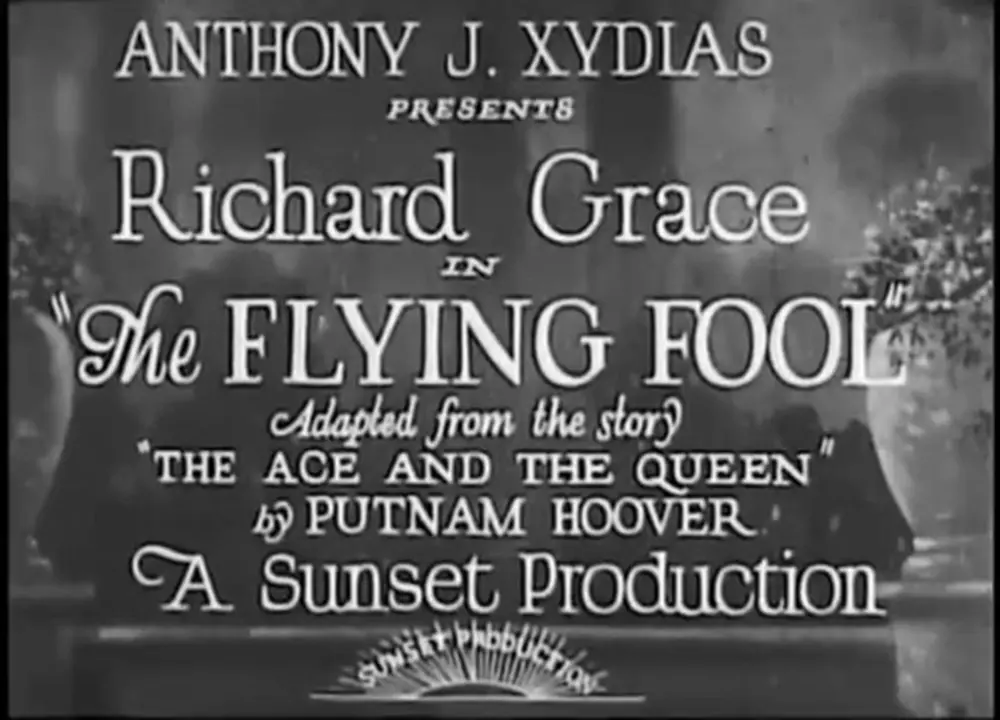
Gaston Glass is the secret weapon of this production. While the groom is busy with his planes, Glass is busy dismantling a life. His performance is the most 'modern' thing about the film. He doesn't twirl a mustache. He uses social etiquette as a shield. He is the guy who says 'I'm just looking out for you' while actively sabotaging your happiness. It’s a performance that feels surprisingly relevant in the age of 'nice guy' culture.
In many ways, the best man is a more compelling character than the groom. We know why the groom wants the bride—she’s his fiancé. But the best man’s motivation is pure, unadulterated ego. He wants to win because he can. This psychological layer is often missing from other films of the period like An American Widow, which tends to stay on the surface of its romantic conflicts.
The pacing of The Flying Fool is its greatest enemy. The middle act drags as we wait for the groom to finally make his move. There are far too many scenes of the best man and the bride sitting in parlors, exchanging intertitles that don't move the needle. The film could have been a tight 45-minute short, but it’s stretched to a feature length that its plot cannot support.
Visually, the film is standard for the mid-20s. The lighting is flat in the interior scenes, making the sets look like the stages they were. But the outdoor photography is a different story. The use of natural light during the airfield sequences creates a stark, gritty contrast to the artificiality of the wedding scenes. It’s as if the film itself is more comfortable outside than in a home.
Pros:
- Genuine 1920s stunt work that remains impressive.
- A genuinely loathsome villain in Gaston Glass.
- Short enough that the flaws don't become unbearable.
- Interesting historical context regarding early flight.
Cons:
- Thin character motivations.
- Repetitive middle act.
- The 'romantic' resolution feels unearned.
- Poorly aged gender dynamics.
When looking at other films from this period, like The Waif or A Debtor to the Law, you see a common thread: the struggle for honor. The Flying Fool attempts to modernize this by replacing the horse with an airplane, but the core remains the same. It’s a story about a man’s reputation and his right to 'his' woman. While films like Sawdust managed to find a bit more heart in their spectacle, The Flying Fool remains focused on the thrill of the chase.
The writing by Ralph Spence is functional. Spence was a master of the intertitle, often brought in to 'punch up' failing comedies. You can see his fingerprints in some of the more sarcastic title cards. However, even his wit can't save the fact that the bride is essentially a cardboard cutout. She exists to be late for, then lied to, then rescued.
The Flying Fool is a cinematic relic that is more interesting as a historical artifact than as a piece of entertainment. It captures a moment in time when the world was obsessed with the sky and the rules of the ground were being rewritten. Dick Grace is a revelation of physical courage, but the story surrounding him is as flimsy as the canvas on his wings. It’s a loud, frantic, and ultimately hollow experience that serves as a reminder of how far narrative cinema has come. Watch it for the planes, ignore it for the people. It’s a 5/10 experience that earns its keep through sheer audacity in the air.
IMDb 6.6
1929
Community
Log in to comment.