DbcultAccessing Vault...
6.5/10
Senior Film Conservator
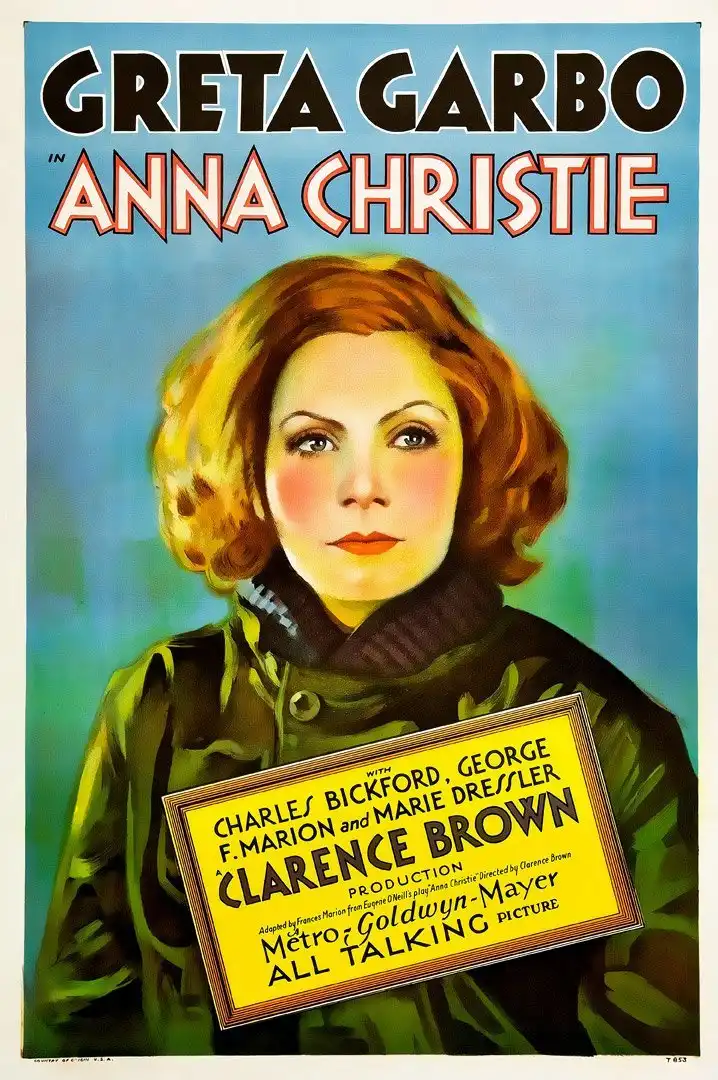
A definitive 6.5/10 rating for a film that redefined the boundaries of cult cinema. Anna Christie remains a cornerstone of transgressive art.
If you have any interest in movie history or just want to see why people lost their minds over Greta Garbo, then yes. It is absolutely worth an hour and a half of your life. But if you’re looking for a fast-paced thriller, you’re going to be very bored. This is a movie that moves at the speed of a slow-moving boat in thick fog.
I watched this on a rainy Tuesday, which felt like the right mood. It’s famous for being the movie where Garbo finally spoke. The posters back then literally just said "GARBO TALKS!" and honestly, I get the hype. Her voice is deep. Like, really deep. It’s not the high-pitched chirp you hear in a lot of other early sound films like The Show.
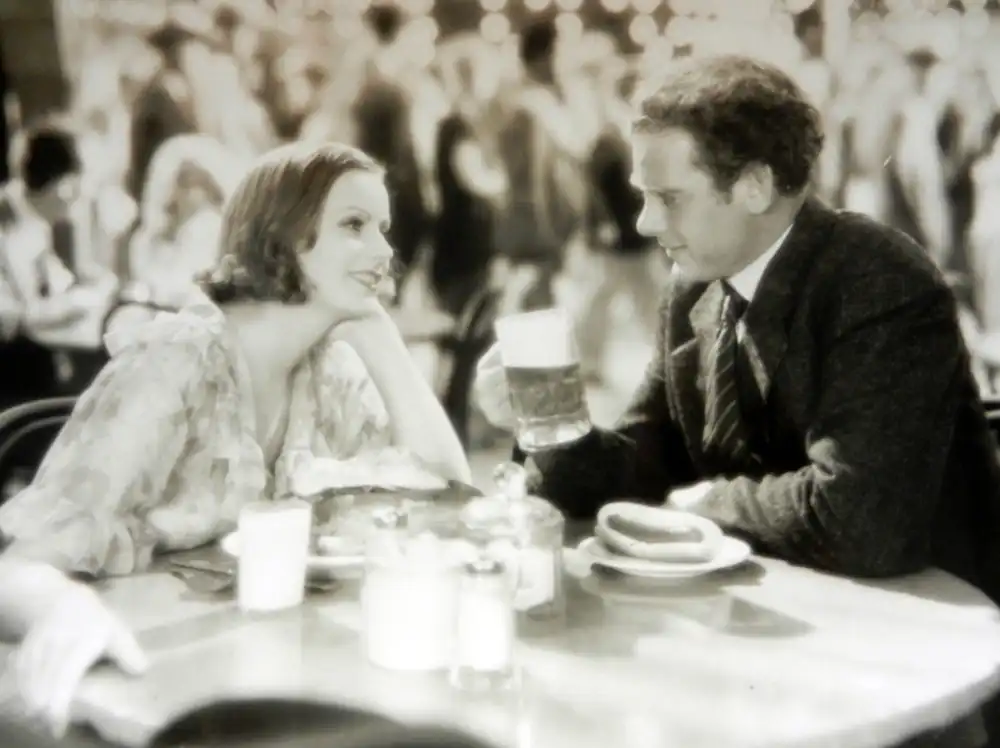
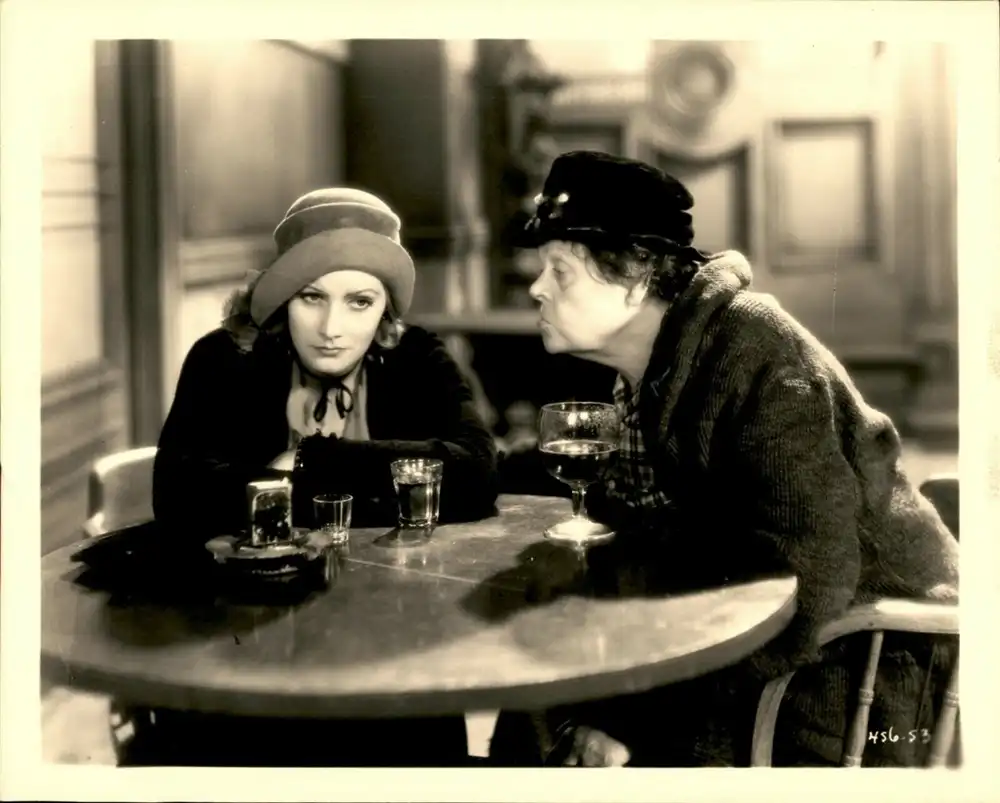
The whole thing starts in a dive bar near the waterfront. It’s dark, cramped, and looks like it smells like old beer and wet floorboards. You see these two old people, Chris and Marthy, just drinking and complaining. Chris is Anna’s dad, but he hasn’t seen her in fifteen years. He thinks she’s been living a clean, happy life on a farm in Minnesota. Spoiler: she hasn't.
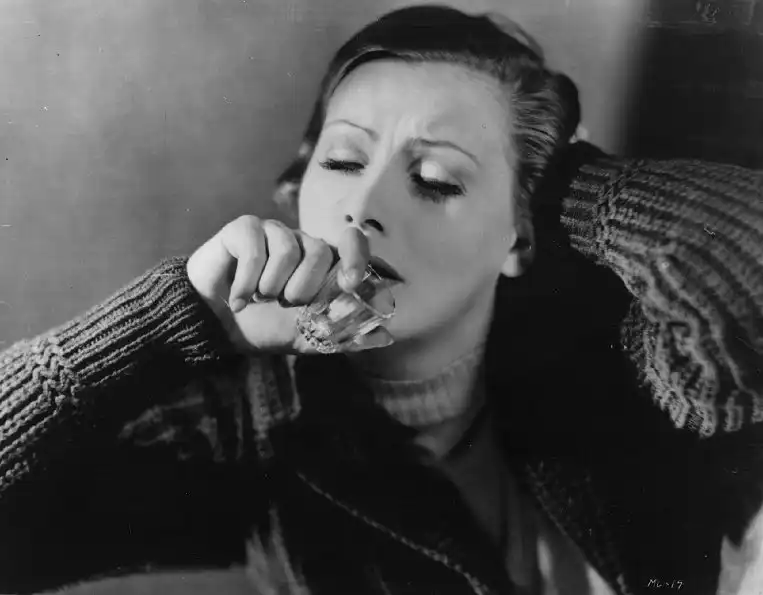
When Anna finally walks in, the movie shifts. She doesn't look like a glamorous star. She looks exhausted. She’s wearing this heavy coat and a hat that looks like it’s seen better days. She slumps into a chair and says the line everyone knows: "Gimme a whisky, ginger ale on the side, and don't be stingy, baby!"
Marie Dressler plays Marthy, the old drunk who hangs around Chris. She is honestly the best part of the first act. She has this messy hair and a face that tells a thousand stories. There’s a moment where she realizes who Anna is, and they have this brief, unspoken understanding. Two women who have been kicked around by life. It’s a small detail, but it felt more real than the actual plot.
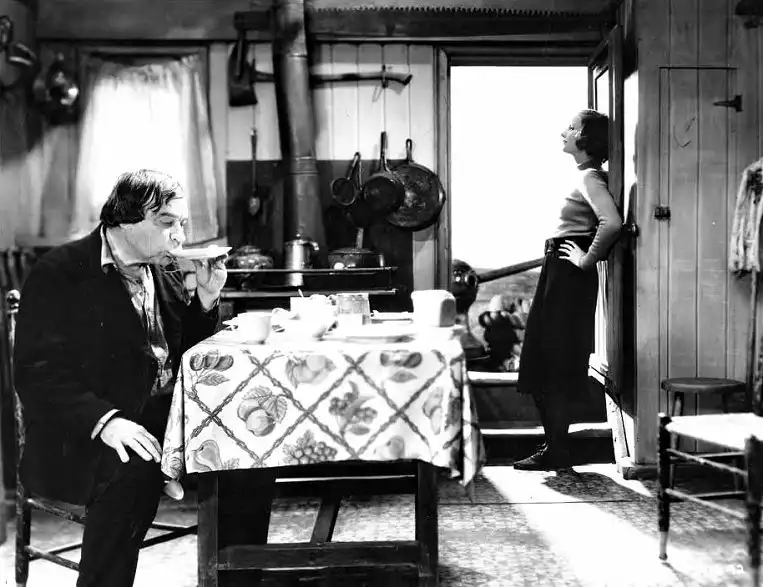
Then we get to the barge. Chris takes Anna out to live on his coal boat because he thinks the sea air will "cleanse" her. He hates the sea, though. He calls it "dat ole davil, sea" about fifty times. George F. Marion plays the dad, and he’s very... theatrical. He has this thick accent that I think is supposed to be Swedish, but it sounds like a cartoon sometimes. He yells a lot. Every time he mentioned the "ole davil," I kind of wanted to roll my eyes.
The movie gets a bit more intense when they rescue some sailors from a shipwreck. One of them is Matt, played by Charles Bickford. Matt is a loud man. He’s all chest and shouting. He falls in love with Anna almost immediately, which feels a bit fast, even for 1930. They have this scene in the fog where he’s trying to impress her, and the fog is so thick you can barely see them. It looks like the studio just went crazy with a smoke machine.
I noticed that the sound quality is a bit hit-or-miss. Sometimes you hear the static and the pops of the old equipment. It adds a weird layer of atmosphere, though. It feels like you’re listening to a ghost story. It’s much more grounded than something like April Fool, which feels light and airy. This movie is heavy. It’s physically heavy.
"I’ve liven in a lot of dirty houses... but this is the dirtiest!"
That line from Anna really stuck with me. She’s talking about her life, not just the boat. The way Garbo delivers her lines is so slow and deliberate. She’s not just saying words; she’s feeling the weight of them. Sometimes she pauses for so long you think the film might have broken. But then she blinks, and you realize she’s just... being Anna.
The conflict comes when Anna finally snaps. She’s tired of the dad and the boyfriend fighting over her like she’s a piece of furniture. She finally tells them about her past. In 1930, this was scandalous stuff. She talks about the men in Minnesota and the "house" she lived in. The men react exactly how you’d expect—they act like they are the victims. It’s infuriating to watch, even now.
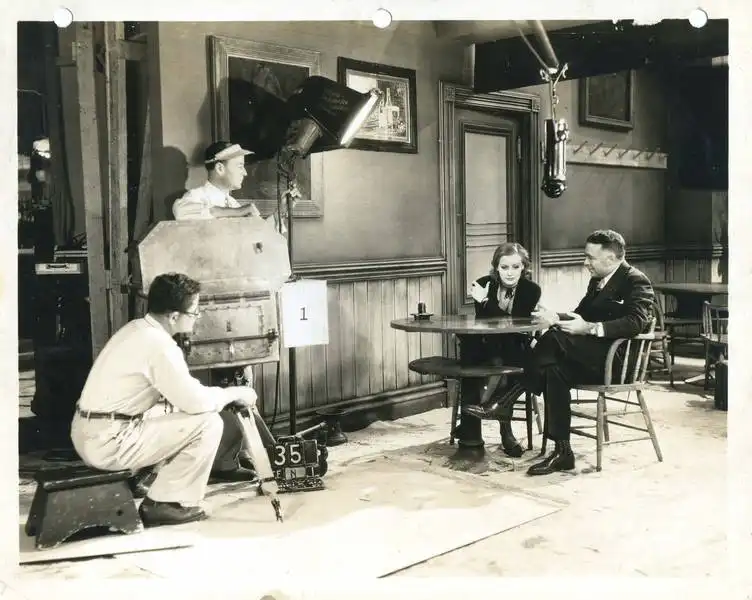
There is a weird moment where Matt threatens to kill her, and then like five minutes later, they are talking about getting married. It’s a very "movie" transition. Real life doesn't usually work like that, especially after someone throws a chair. But I guess they needed a resolution. The ending feels a bit rushed, like they realized they were running out of film and needed to wrap it up.
I kept thinking about The Isle of the Dead while watching this, mostly because of the atmosphere. There's this sense of being trapped. On a boat, in a life, in a reputation. Anna is trapped by what people think of her, and Garbo plays that trapped feeling so well. She uses her whole body—the way she leans against the cabin door, the way she hides her hands in her pockets.
Is it a masterpiece? Maybe not. The dialogue is a bit clunky because it’s based on a play by Eugene O'Neill, and you can tell. People don't talk in long monologues while standing in the rain. But Garbo makes it work. She has this magnetic power that makes you ignore the fact that the plot is a bit thin. You just want to see what she does next.
One thing that bugged me was the music—or the lack of it. Early talkies are often very quiet. You just hear the ambient noise and the voices. It makes the silences feel huge. When Anna is waiting for her dad to react to her confession, the silence is so loud it’s uncomfortable. I think a modern director would have put a violin there, but the silence is much better.
Anyway, if you like moody dramas where people stare at the ocean and regret their choices, give it a go. It’s a vibe. A damp, foggy, whisky-soaked vibe. Just don't expect a happy-go-lucky time. It’s a movie about the "ole davil" sea and the messes we make of our lives. ⚓
IMDb 4.8
1933
Community
Log in to comment.