DbcultAccessing Vault...
5.3/10
Senior Film Conservator
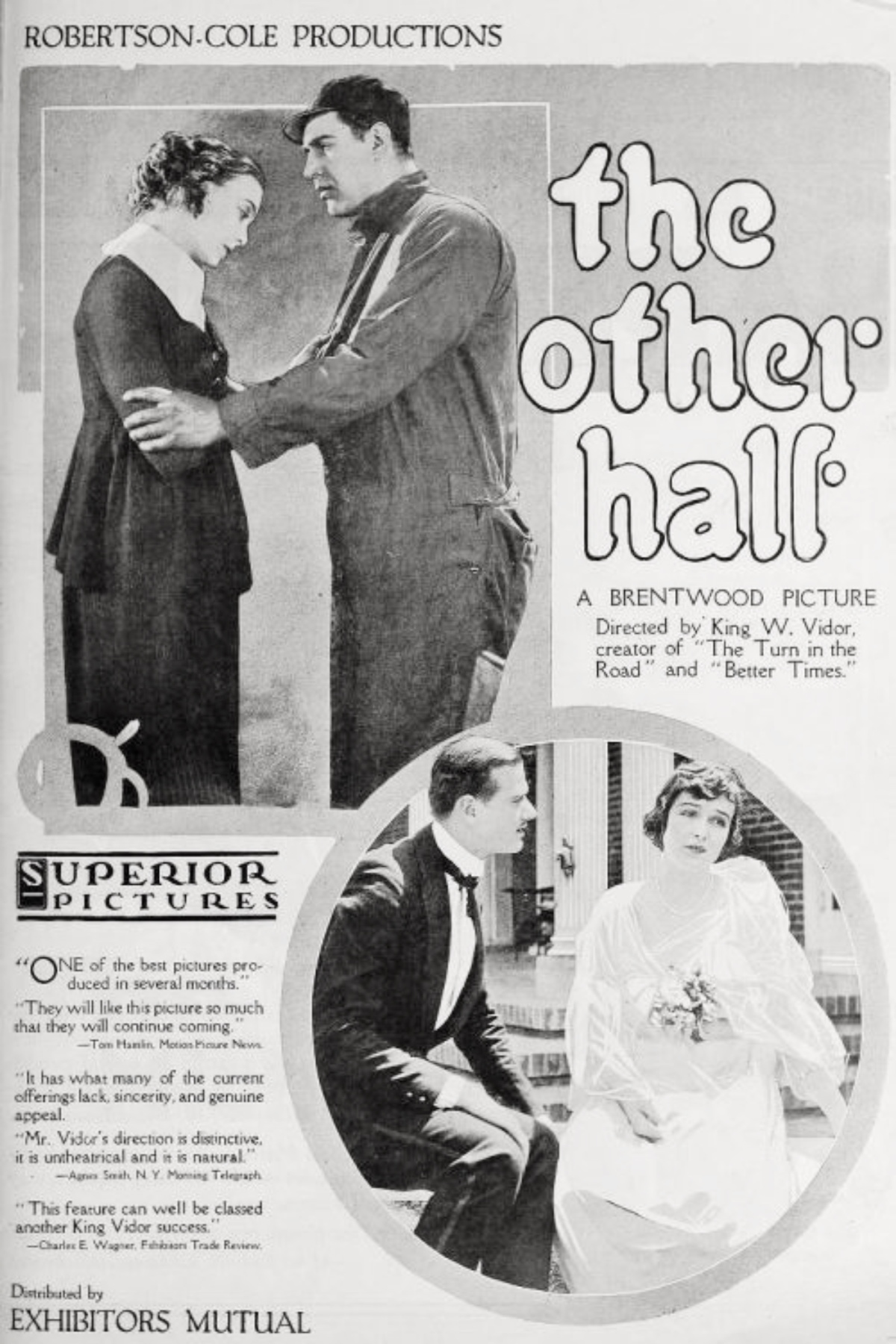
A definitive 5.3/10 rating for a film that redefined the boundaries of cult cinema. The Other Half remains a cornerstone of transgressive art.
In the annals of silent cinema, certain narratives resonate with an enduring power, transcending their era to speak to perennial human struggles. King Vidor’s The Other Half stands as one such cinematic artifact, a profound exploration of class consciousness, personal transformation, and the often-brutal realities of industrial society. It is a film that, even a century later, retains its sharp edges, its moral complexities, and its unwavering belief in the capacity for human redemption. From the outset, Vidor, a director renowned for his insightful portrayals of the American experience, crafts a tale that is both intimate in its character study and expansive in its social commentary, challenging the viewer to confront uncomfortable truths about wealth, labor, and the elusive concept of justice. This is not merely a melodramatic potboiler; it is a meticulously observed sociological drama, imbued with a palpable sense of sincerity and a keen understanding of the human heart caught in the grinding gears of industry.
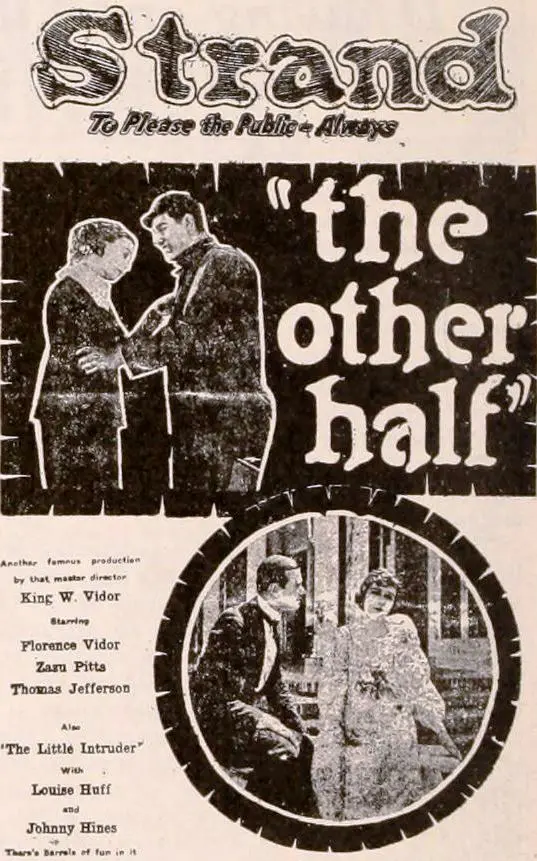
At its core, The Other Half chronicles the tumultuous journey of Donald Trent, portrayed with a compelling earnestness by Charles Meredith. Donald, initially the scion of an iron-works magnate, embodies the privileged detachment often associated with inherited wealth. His existence is one of comfort, shielded from the visceral realities faced by the working class. However, the crucible of the trenches, a stark and unforgiving equalizer, shatters his inherited worldview. War, in its indiscriminate brutality, strips away the artificial distinctions of birthright and fortune, forcing him to confront the shared vulnerability and inherent dignity of every individual, regardless of their station. This profound awakening is not merely an intellectual shift but a deeply emotional one, compelling him to acknowledge a fundamental debt to the collective humanity he now recognizes as his true kin. Upon his return, the stark contrast between his newfound convictions and his father’s rigid, unsentimental approach to business creates an immediate friction. His father, a man for whom profit and pragmatism eclipse all other considerations, represents the very system Donald now instinctively recoils from. Donald’s radical decision to forsake his heir apparent status and begin as a humble mill hand is a testament to the depth of his transformation, a deliberate act of solidarity with the very people his family’s enterprise has traditionally exploited. This pivotal moment sets the stage for a narrative rich in moral dilemmas and personal growth, reminiscent in its thematic weight of other narratives exploring societal disillusionment and the search for authentic purpose, perhaps even mirroring the introspective journeys found in films like The City of Failing Light, where characters grapple with the decay of established orders and the yearning for a more equitable existence.
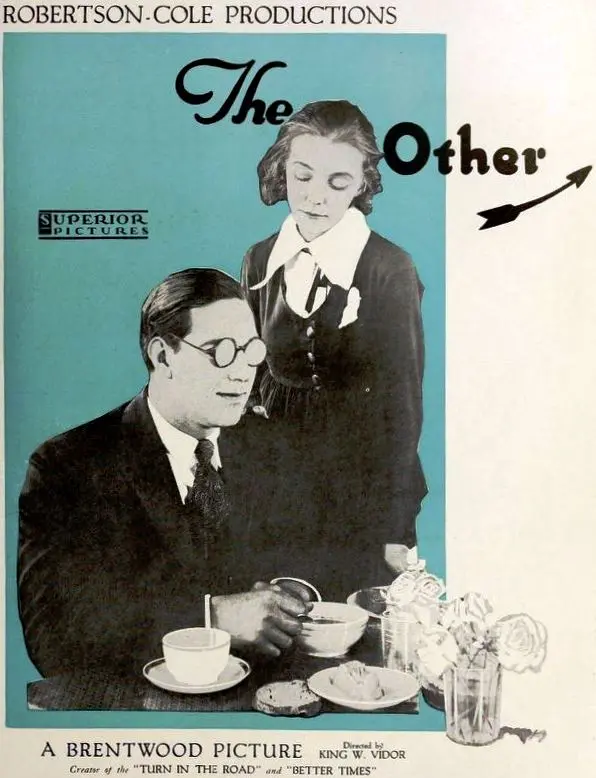
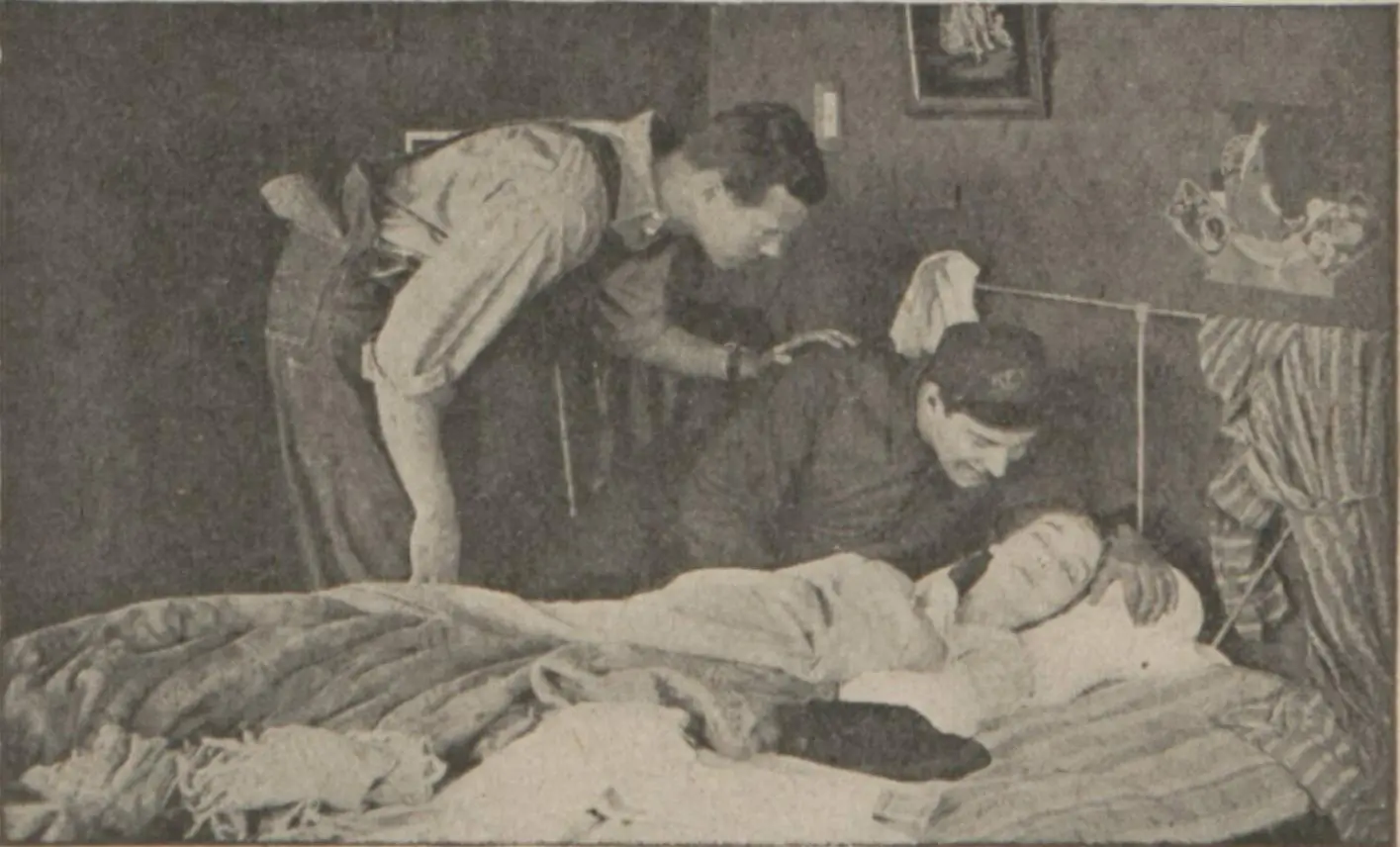
Donald’s immersion into the daily grind of the mill introduces him to Colonel Jimmy, his wartime comrade, now a skilled machinist, brought to life with a grounded authenticity by Thomas Jefferson. Their camaraderie, forged in the shared crucible of combat, provides Donald with a vital anchor in his new, unfamiliar world. Jimmy represents the steadfast integrity and quiet resilience of the working man, a stark contrast to the detached corporate philosophy Donald is rebelling against. The narrative further enriches itself through the introduction of Jennie Jones, affectionately dubbed “The Jazz Kid,” portrayed by Florence Vidor with a spirited charm that hints at a deeper vulnerability. Jennie, Jimmy’s sweetheart, embodies a vibrant, almost ethereal quality, a stark contrast to the grimy industrial backdrop. Her illness becomes a focal point, drawing Donald and his own sweetheart, Katherine Boone (Ruth Feldman), into a shared act of compassion. This period of collective care, where class distinctions momentarily dissolve in the face of human suffering, highlights the film’s central thesis: that true connection and empathy can bridge the widest societal divides. The depiction of Jennie, with her distinctive moniker and implied vivacity, might even evoke comparisons to characters in films like The Nightingale, where the unique talents or spirit of an individual performer become a symbol of hope or a point of contention within a broader dramatic framework. These moments of genuine human connection are crucial, establishing the moral baseline against which Donald’s subsequent backsliding will be measured, making his eventual transformation all the more impactful.
The narrative takes a sharp, tragic turn with the sudden death of Donald’s father. This event, while seemingly a catalyst for Donald to fully implement his newfound ideals, instead becomes a test of his resolve, one he initially fails. Thrust into the unforgiving role of proprietor, Donald finds himself ensnared by the very forces he once sought to defy. The immense pressure of managing a vast industrial enterprise, coupled with the ingrained legacy of his father’s cutthroat business practices, begins to subtly, then overtly, corrupt his moral compass. The idealism forged in the trenches and nurtured on the factory floor starts to recede, replaced by a pragmatic, profit-driven mindset. He becomes, ironically, a mirror image of the man he once rebelled against. This regression is powerfully underscored when Jimmy, now elevated to foreman, appeals to Donald for essential safety repairs. Jimmy’s plea is not merely for maintenance; it is a desperate appeal for the preservation of human lives, a direct echo of the shared vulnerability Donald experienced during the war. Donald’s callous refusal, driven by short-sighted economic considerations, marks a profound betrayal of his former self and his comrades. It’s a stark reminder of how easily power can corrupt and how swiftly even the most deeply held convictions can be eroded by the demands of capital. This moral struggle, where personal ethics clash with corporate imperatives, is a theme explored with varying degrees of nuance in dramas of the era, and here, it feels particularly poignant, setting the stage for the inevitable, devastating consequences.
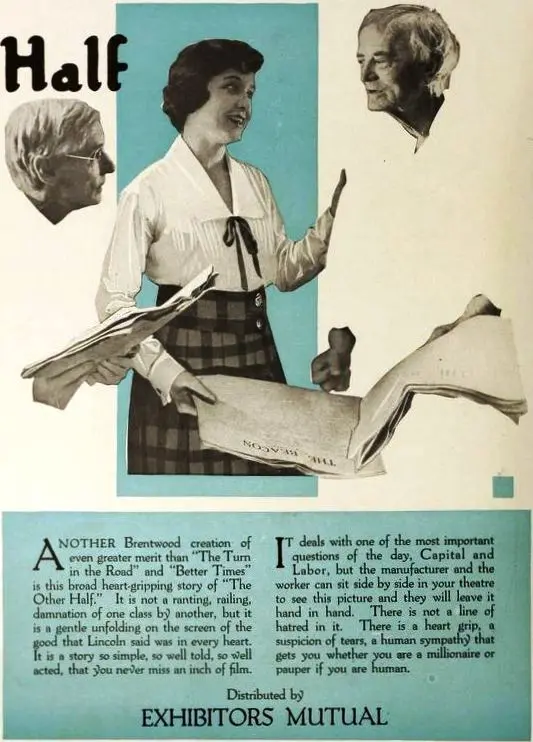
The tragic culmination of Donald’s shortsightedness arrives in a devastating structural collapse within the mill, a direct result of the neglected repairs. The immediate, horrific consequence is Jimmy’s temporary blindness, a visceral representation of the human cost of corporate indifference. This catastrophe acts as a detonator, igniting a fervent strike among the mill hands, an uprising fueled by anger, fear, and a desperate demand for dignity and safety. The strike is not just an economic dispute; it is a moral reckoning, a collective cry against a system that prioritizes profit over people. In the midst of this industrial turmoil, Katherine Boone, Donald’s steadfast sweetheart, emerges as a powerful moral force. Her refusal to marry Donald, a decision conveyed with quiet conviction by Ruth Feldman, is a profound act of conscience. It signals her unwavering commitment to justice and her absolute rejection of Donald’s compromised values. She doesn't merely disapprove; she acts, dedicating her talents to an uplifting newspaper popular among the poor, becoming a voice for the disenfranchised. Her actions, embodying a selfless dedication to a cause greater than personal happiness, echo the themes of principled sacrifice found in films like The Sacrifice of Pauline, where characters make profound personal choices for the sake of higher ideals. It is through Katherine’s impassioned writing, an article that lays bare the injustices and calls for accountability, that Donald is finally confronted with the stark reality of his actions. This moment of confrontation, delivered not through direct accusation but through the persuasive power of the written word, triggers his long-overdue redemption. The pen, in this instance, proves mightier than the sword, or in this industrial context, mightier than the stubborn will of a misguided magnate. His subsequent decision to implement sweeping reforms is not merely a capitulation but a genuine return to the empathy and social consciousness he had momentarily lost. The film deftly navigates this complex arc, demonstrating that even the most entrenched systems can be swayed by a combination of collective action and individual moral courage.
King Vidor, as both writer and director, orchestrates this intricate narrative with a masterful hand. His screenplay is taut, economically paced, yet rich in character development and thematic depth. Vidor’s direction is equally impressive, characterized by a naturalistic style that imbues the industrial settings with a gritty realism while allowing the emotional beats of the story to unfold with genuine pathos. He understands the power of visual storytelling in the silent era, using close-ups to convey inner turmoil and wide shots to emphasize the scale of the industrial landscape and the collective power of the workers. The performances across the board are commendable. Charles Meredith’s portrayal of Donald Trent is particularly nuanced, allowing the audience to witness his initial idealism, his regrettable backslide, and his eventual, hard-won redemption. Ruth Feldman, as Katherine Boone, is a beacon of moral clarity, her quiet strength providing a compelling counterpoint to Donald’s vacillations. Thomas Jefferson brings a robust authenticity to Colonel Jimmy, making his plight genuinely affecting. Even in supporting roles, actors like Hugh Saxon, Alfred Allen, David Butler, Arthur Redden, Zasu Pitts, and Frances Raymond contribute to the film’s rich tapestry, each adding a layer of credibility to the world Vidor constructs. The film’s ability to depict the harsh realities of labor and the stark divisions of class without resorting to simplistic villainy or saccharine sentimentality is a testament to Vidor’s mature artistic vision. It’s a film that, much like other socially conscious dramas of the period such as The Flames of Justice, uses its narrative to shine a light on systemic issues, advocating for empathy and reform rather than mere condemnation. Vidor's work here demonstrates a profound understanding of societal mechanics, portraying not just the events but the underlying forces that shape human decisions and destinies.
The resolution of The Other Half, while offering a satisfying conclusion to its central romantic and social conflicts, avoids becoming overly simplistic. Donald’s reforms are enacted, signifying a tangible commitment to his renewed principles. His marriage to Katherine is not merely a happy ending but a symbolic union of capital and conscience, suggesting a potential path towards a more equitable industrial future. Simultaneously, Jimmy’s recovery of sight and his marriage to Jennie underscore the restoration of personal happiness and the triumph of enduring love over adversity. This dual resolution, personal and societal, speaks to the film’s optimistic outlook, suggesting that change, though often arduous and fraught with setbacks, is ultimately achievable through a combination of individual moral courage and collective action. The film’s message about the inherent dignity of labor, the corrupting influence of unchecked power, and the transformative potential of empathy remains strikingly relevant. In an era where discussions about economic inequality and corporate responsibility continue to dominate public discourse, The Other Half serves as a powerful reminder that these are not new problems, nor are the solutions entirely novel. It champions the idea that true prosperity is not merely measured in profit margins but in the well-being of all members of society. The film’s enduring legacy lies in its ability to provoke thought and inspire reflection on our own roles in fostering a more just and compassionate world. It is a work that, through its compelling characters and poignant narrative, urges us to always consider “the other half” – those whose lives are inextricably linked to our own, often unseen, often unheard, but always integral to the whole.
In conclusion, King Vidor’s The Other Half is far more than a period piece; it is a timeless human drama. It masterfully weaves together themes of class, war, love, and redemption into a tapestry that is both emotionally resonant and intellectually stimulating. Through the journey of Donald Trent, we are invited to consider the profound impact of our choices, the insidious nature of unchecked ambition, and the enduring power of empathy and justice. The performances are heartfelt, the direction astute, and the message universal. It stands as a powerful testament to the capacity of cinema to not only entertain but also to illuminate, challenge, and inspire. A truly remarkable cinematic achievement that deserves to be rediscovered and re-evaluated by contemporary audiences for its enduring relevance and artistic merit.
IMDb —
1925
Community
Log in to comment.