DbcultAccessing Vault...
Cult Review
Senior Film Conservator
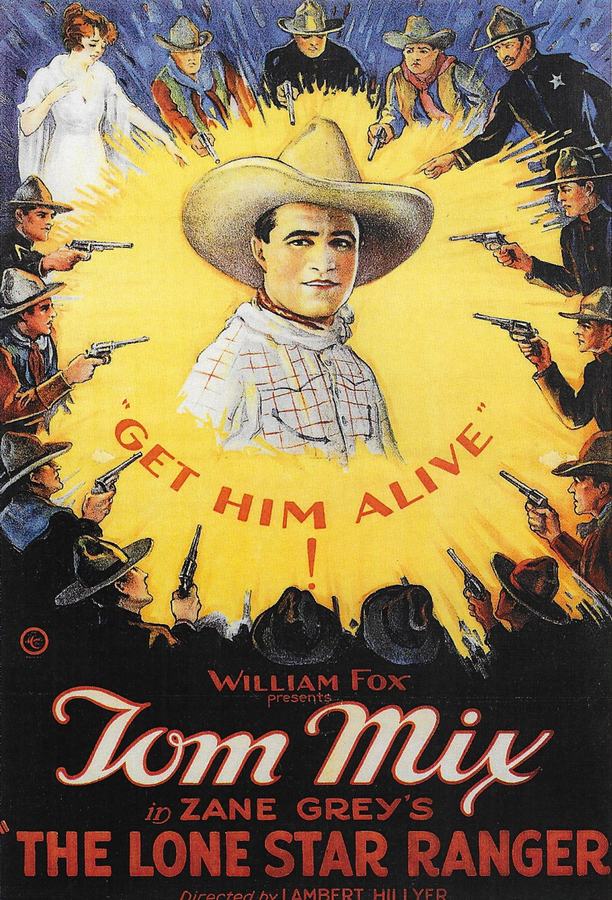
The year 1923 stands as a pivotal monolith in the temporal landscape of silent cinema, a period where the grammar of film was being rewritten with every crank of the hand-turned camera. Amidst this creative ferment, The Lone Star Ranger emerged not merely as a flick for the Saturday matinee crowds, but as a sophisticated distillation of the American frontier mythos. Starring the incomparable Tom Mix—a man whose name was synonymous with a specific brand of athletic, flamboyant heroism—this adaptation of Zane Grey’s prose captures a unique intersection between the gritty realism of the Old West and the burgeoning spectacle of Hollywood’s Golden Age.
Tom Mix’s portrayal of Buck Duane is a masterclass in silent era physicality. Unlike the dour, almost funerary performances of his contemporary rival William S. Hart, Mix brings a kinetic energy to the screen that feels remarkably modern. In The Lone Star Ranger, we see the evolution of the Western hero from a simple cattle-puncher to a complex figure of existential weight. Duane is a man haunted by his past, yet propelled forward by a rigid, if somewhat idiosyncratic, code of honor. This isn't the existential dread found in later noir-inflected Westerns, but there is a palpable sense of the burden of the badge.
The narrative structure, penned by Lambert Hillyer and Zane Grey, eschews the simplistic 'white hat vs. black hat' dichotomy that would later plague the genre during its mid-century decline. Instead, we are presented with a protagonist who is technically a criminal—an outlaw whose skill with a revolver has placed him outside the societal pale. The Texas Rangers, depicted here with a mix of bureaucratic coldness and tactical pragmatism, recognize that it takes a wolf to catch a wolf. This thematic thread of using the outsider to preserve the inside is a recurring motif in 1923 cinema, echoing the moral complexities seen in The Life of Moses, where the weight of leadership and law often clashes with personal desire.
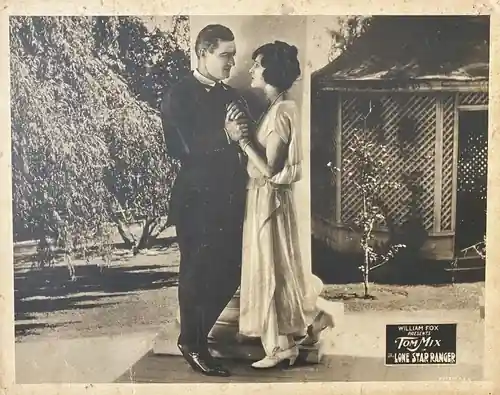
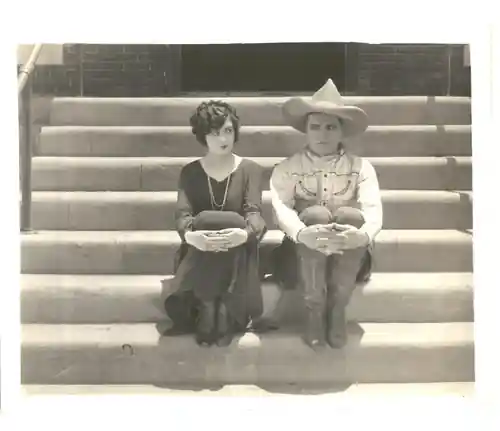
While Mix provides the film’s muscular core, Billie Dove offers its emotional soul. As Helen, Dove manages to transcend the 'damsel in distress' trope that was already becoming a cliché by 1923. Her performance is characterized by a luminous vulnerability; her eyes convey a narrative of their own, speaking volumes in a medium stripped of spoken dialogue. The chemistry between Mix and Dove is palpable, providing a necessary counterpoint to the dust-choked action sequences. Unlike the more theatrical performances found in European imports like La dame aux camélias, Dove’s acting is restrained, favoring subtle shifts in expression over grand gestures.
The central conflict—the revelation that Helen’s father is the leader of the cattle thieves—is handled with a surprising amount of nuance. It forces Duane into a position of impossible choices: loyalty to the state, loyalty to his heart, or loyalty to a man who represents the very chaos he has been hired to suppress. This familial betrayal adds a layer of Shakespearean tragedy to the proceedings, elevating the film above its pulp origins. It reminds one of the domestic tensions explored in Maddalena Ferat, though transposed to the wide-open spaces of the American West.
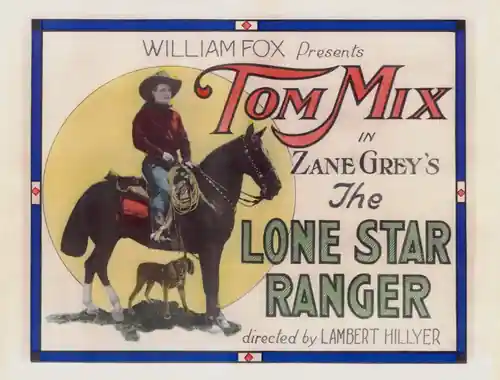
Visually, The Lone Star Ranger is a feast for the eyes. The cinematography utilizes the natural light of the desert to create high-contrast images that feel both epic and intimate. The use of deep focus, though not yet fully codified as a cinematic technique, allows the audience to see the vastness of the landscape while simultaneously focusing on the minute details of a character’s reaction. The chase sequences are choreographed with a precision that rivals the most expensive modern blockbusters. Much of this is due to Tony the Horse, who was as much a star as Mix himself. Tony’s intelligence and agility allow for stunts that feel genuinely dangerous, grounding the film in a physical reality that CGI can never truly replicate.
One must also consider the film’s place within the broader context of 1923’s cinematic output. While Night Life in Hollywood offered a satirical look at the industry’s own excesses, The Lone Star Ranger acted as a stabilizing force, reaffirming the rugged American values that the public craved. It lacks the whimsical charm of A Bit o' Heaven, but it replaces it with a sense of purpose and a celebration of the frontier spirit. The editing, handled with a rhythmic pace, ensures that the tension never flags, even during the more dialogue-heavy intertitle sequences.
Looking back a century later, the film’s influence on the Western genre is undeniable. It established many of the tropes that would become standard: the undercover operative, the conflicted outlaw, and the redemptive power of love. While some modern viewers might find the pacing of silent film challenging, the sheer artistry on display here is undeniable. The set pieces are not just action for action's sake; they are integral to Duane's character arc. When he rides, he is riding toward his own salvation. When he shoots, he is cutting ties with his former self.
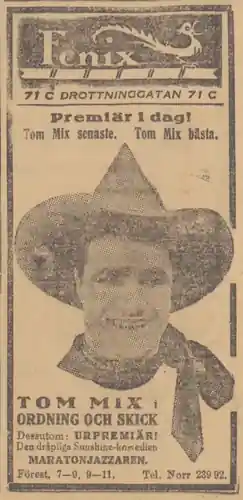
In comparison to other 1923 releases like Long Live the King, which dealt with European royalty and courtly intrigue, The Lone Star Ranger feels distinctly democratic. It is a story about a man making something of himself through grit and determination, a narrative that resonated deeply with the post-WWI American psyche. Even international curiosities from the same year, such as Kiz Kulesinde Bir Facia, highlight how universal the language of melodrama and heroism had become, though few could match the sheer technical polish of a Fox production starring Tom Mix.
Ultimately, The Lone Star Ranger is a testament to the power of pure visual storytelling. It doesn't need synchronized sound to convey the thunder of hooves or the whisper of a desert breeze. The performances, the direction by Lambert Hillyer, and the iconic presence of Tom Mix combine to create an experience that is both a historical artifact and a living piece of art. It stands alongside films like Carmen or The Matrimonial Martyr as a prime example of how 1920s cinema was exploring the depths of human motivation through increasingly sophisticated means.
Whether you are a scholar of the Western genre or a casual fan of cinematic history, this film demands your attention. It is a reminder of a time when movie stars were larger than life, and the screen was a window into a world of endless possibility and moral clarity. The redemption of Buck Duane is a journey worth taking, a ride through the canyons of the human heart that remains as compelling today as it was in 1923. It avoids the stilted theatricality of The Two Sergeants and the melodrama of Fiamma simbolica, opting instead for a rugged, authentic path that defined the 'Mix-style' western for generations to come.
In the final analysis, The Lone Star Ranger is not just about catching thieves or winning the girl. It is about the transition from the lawless chaos of the 19th century to the ordered civilization of the 20th. It is about the masks we wear—outlaw, ranger, lover—and the truth that lies beneath them. As Duane and Helen ride off into the sunset, we are left with the sense that the frontier has not been conquered, but understood. And in that understanding, cinema found one of its most enduring and powerful voices.
A celluloid triumph that remains a cornerstone of the American Western canon.
IMDb 5.4
1930
Community
Log in to comment.