United States
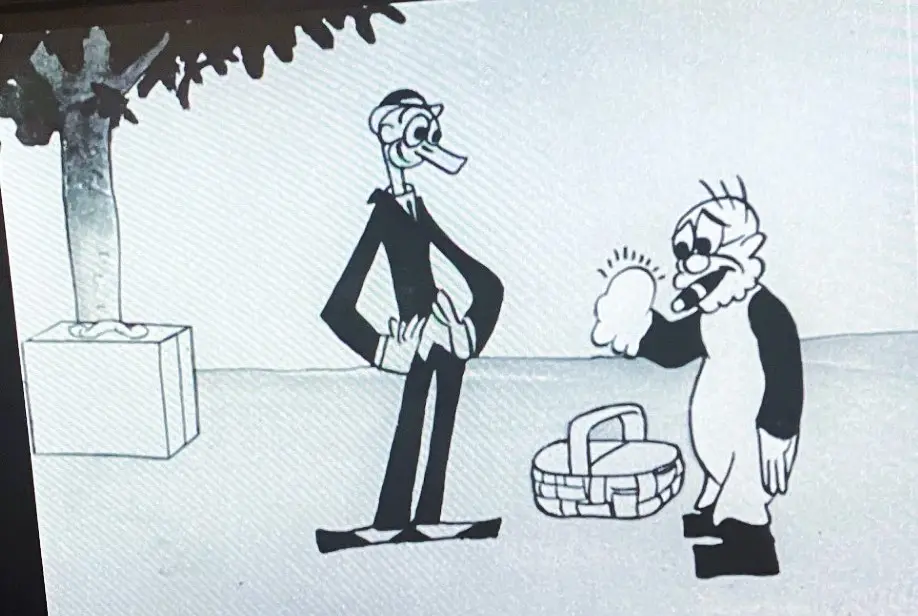
Is this film worth watching today? Short answer: only if you treat it as a frantic archaeological dig into the history of human insecurity. It is a grueling, fascinating, and occasionally mean-spirited artifact that says more about 1914 than it does about comedy.This film is specifically for historians of the silent er...
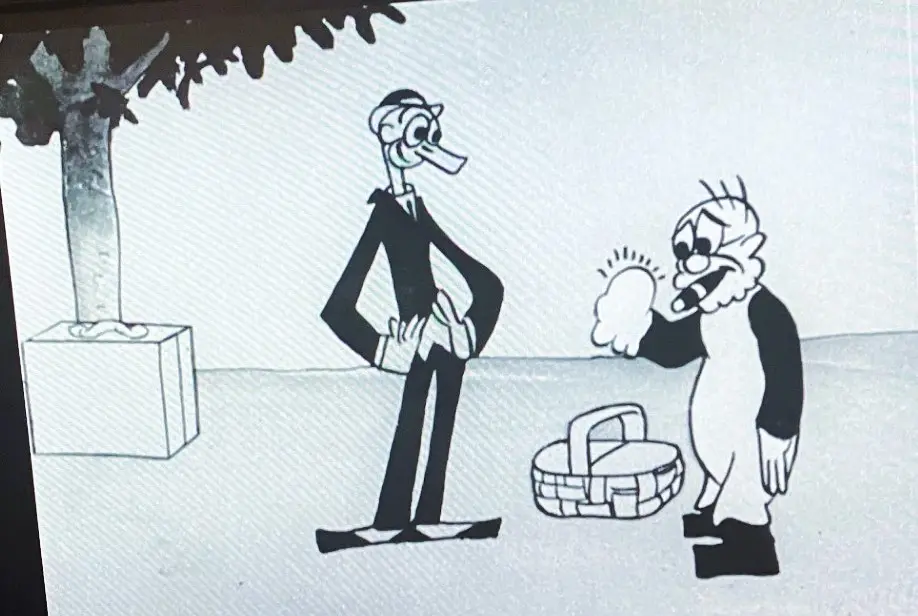
still_frame
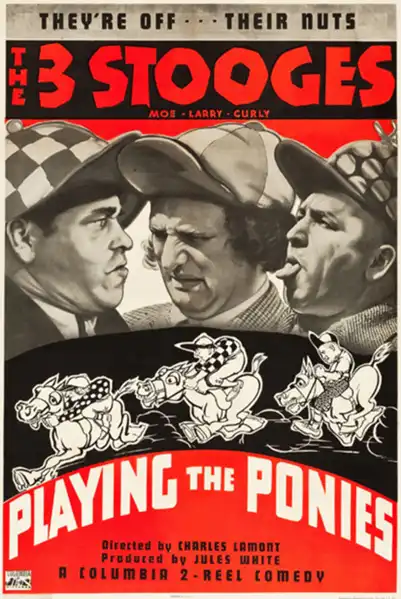
Comparing the cinematic DNA and archive impact of two defining moments in cult history.
Unknown Director

Unknown Director
Community
Log in to comment.
"Is this film worth watching today? Short answer: only if you treat it as a frantic archaeological dig into the history of human insecurity. It is a grueling, fascinating, and occasionally mean-spirited artifact that says more about 1914 than it does about comedy.This film is specifically for historians of the silent era and those who enjoy the raw, unpolished energy of early slapstick. It is absolutely not for anyone looking for a cohesive narrative or a modern sense of empathy regarding body im..."