DbcultAccessing Vault...
5.2/10
Senior Film Conservator
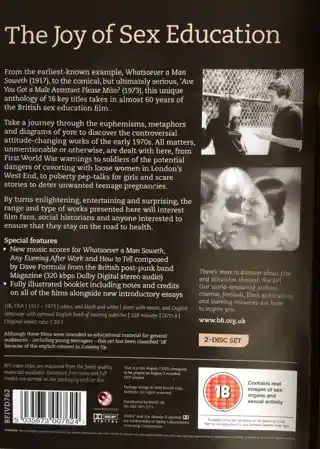
A definitive 5.2/10 rating for a film that redefined the boundaries of cult cinema. Any Evening After Work remains a cornerstone of transgressive art.
This old film, Any Evening After Work, is definitely not for everyone. If you’re into niche silent movies or the history of public health ads, you might find it strangely compelling. But if you're looking for typical entertainment, you’ll probably find it quite boring. 🕰️
The whole thing kicks off with a fellow, quite worried, after a night out. He looks really stressed, pacing around. You just *know* what he's thinking.
Instead of heading straight to a doctor, which seems like the sensible thing, he ends up at this lecture. It’s a very 1930s public health lecture, complete with a stern-looking speaker and a blackboard. Chalk dust, probably.
Then the movie shifts to these five short stories, like little vignettes. Each one shows someone who *didn't* get help for venereal disease, or they stopped treatment too soon. It’s all very dramatic.
One guy, poor fellow, his wife eventually gets sick too. The movie shows this with a shot of her looking unwell, then him looking *even more* guilty. The visual storytelling is pretty clear, even without words.
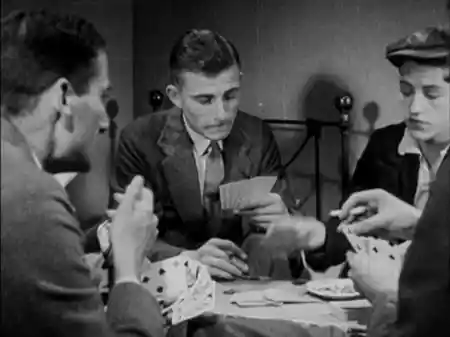
Another segment features a young woman who seems to be living a fun life. But then she gets this news, and you see her whole demeanor change. The fear is very clear on her face. It’s a simple, but effective, bit of acting.
What gets me is how *direct* it is. There’s no subtlety here. The message is just laid right out. “Go see a doctor, or else.”
The film relies heavily on these exaggerated expressions. Mary Field, listed in the cast, must have been one of the many uncredited faces bringing these stories to life. Their eyes do a lot of the talking.
The pace is slow, by modern standards. There are a lot of title cards, obviously, explaining what's happening or what someone is thinking. Sometimes, they pop up a little too quickly, and you have to speed-read.
It feels less like a movie and more like a warning. A very, very serious warning. The kind your grandparents might have seen.
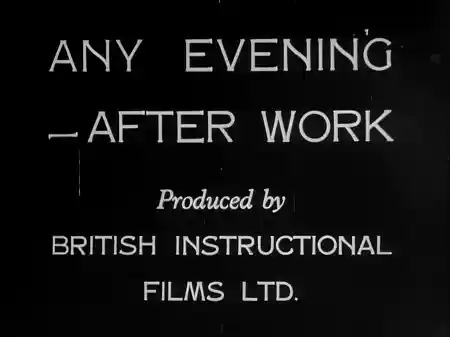
You can almost feel the movie trying to scare you straight. It works, in a way. You wouldn't want to be any of those five examples, that's for sure.
The scenes where people are just suffering, or regretful – they linger a bit. Not uncomfortably long, but just long enough to make its point.
The overall aesthetic is very functional. Not a lot of fancy camera work or sets. Just enough to get the story across. A public health film, through and through.
It’s a peculiar artifact. A glimpse into a time when VD was talked about, but perhaps only in these specific, formal settings. And often, with a lot of shame attached.
Watching it, you wonder about the audience back then. Did people really change their minds after seeing this? Did they march straight to the doctor? Or did they just feel more scared? 😬
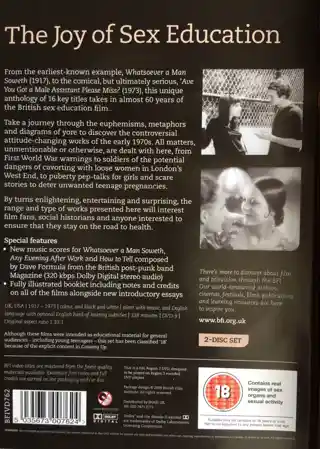
It’s not trying to be art, really. It’s trying to be *useful*. And for that, it succeeds on its own terms. As a piece of history, it's pretty valuable. As a Friday night movie? Maybe not so much.
The sequence with the doctor’s office, showing a *kind* doctor, is also telling. It tries to remove some of the fear of seeking help. “He's not judging you,” it seems to say.
One thing that stuck out was how quiet everything was. Obviously, it's silent, but the lack of even a modern score makes it feel starker. Just the visuals and those stark title cards. It really makes you focus on the expressions.
It ends with our protagonist, the initial worried man, finally making a decision. No spoilers, but you can guess the intended outcome. It’s a very neat, tidy package of a moral lesson.
Honestly, it’s a curiosity. A window into an era. Not a film you’d rewatch often, but one that definitely leaves an impression. A very particular impression.
IMDb 6.3
1926
Community
Log in to comment.