DbcultAccessing Vault...
Cult Review
Senior Film Conservator
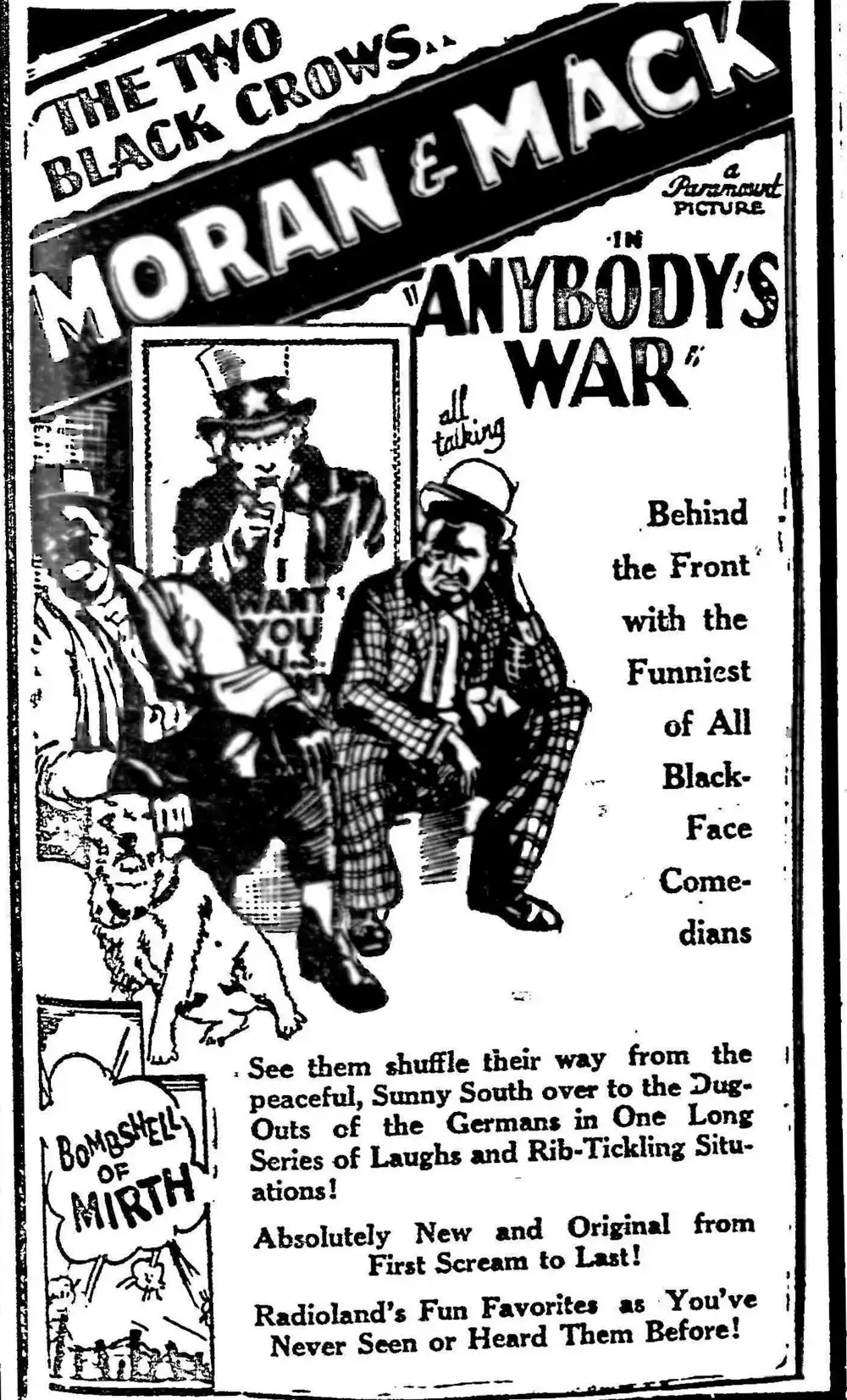
Anybody's War is one of those old films you stumble upon and wonder how it slipped through the cracks. If you're into seeing how early cinema tackled really heavy topics, especially the quiet struggles after big events, then yeah, give this a look. Folks who like their movies fast-paced or with clear, happy endings? You'll probably find this one a bit of a slog, honestly. It's a slow burn. 🔥
The film starts with John (played by Neil Hamilton) returning from the Great War. There's no grand parade, no big reunion scene at the train station. Instead, we see him walking down a street, looking a bit lost, while everyone else is just… doing their thing. The contrast is immediate and really stark. It makes you feel his isolation right away.
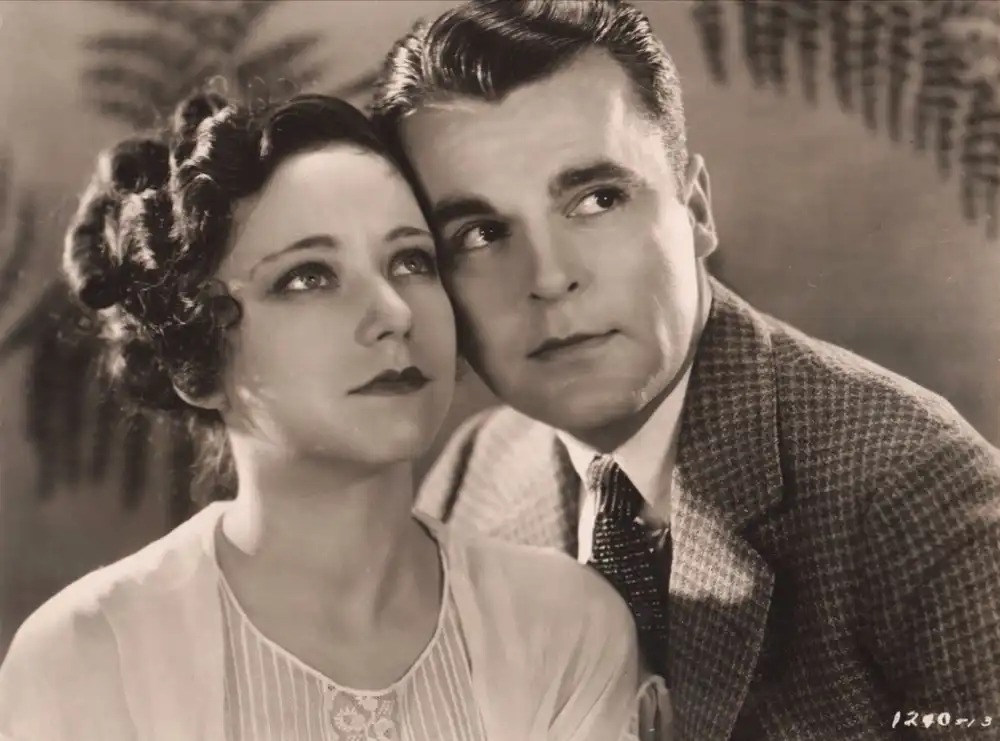
Hamilton's performance is what holds this together. He doesn't say a word, obviously, but his eyes tell a whole story. There's this one scene where he's at a small town picnic, and everyone's laughing, dancing, just being normal. He tries to join in, a little smile on his face, but then his gaze just drifts off to some unseen point, and that smile *fades*. It’s a very subtle moment, but you can feel the entire weight of whatever he saw overseas just land on him again. It's not melodramatic; it's just… _there_.
Betty Farrington, as Mary, his sweetheart, does a good job too, though her role is mostly reacting to his distance. She tries so hard to bring him back. You see her little gestures, the way she reaches for his hand only for him to gently, almost unknowingly, pull away. It's heartbreaking, really. You can almost feel the movie trying to convince you this moment matters, but it doesn't need to try; it just *does*.
The pacing is definitely of its era. There are long stretches where not much 'happens' in terms of plot, but everything is happening inside John. A scene of him just sitting by a window, smoking a pipe, goes on about 20 seconds too long, and the silence starts to feel awkward rather than emotional. But maybe that's the point, for us to feel that same uncomfortable stillness with him.
There's a subplot about his old job, a factory of some kind. He tries to go back, but he just can't focus. The noise, the repetitive movements… it's like his mind is still on a battlefield. It’s a smart way to show the invisible wounds without needing a big, dramatic flashback sequence. The film trusts you to get it.
One weird detail: there's a dog in a few scenes that seems utterly oblivious to John's inner turmoil, just happy to be there. It’s a small, almost goofy touch, but it highlights how separate John's reality is from the world around him. Like, even the dog is more at peace.
The film gets noticeably better once it stops trying to give John a clear path forward and just lets him exist in his struggle. The ending isn't neat or tidy, which feels _right_ for the story they're telling. It’s a quiet nod that some things don’t just wrap up in an hour and a half.
This isn't a film you'd put on for a fun night, but it's an important historical piece. It reminds you that the cost of war isn't just counted in battles won or lost, but in the lives of the people who come back changed forever. And it's a topic that, sadly, is still very much 'anybody's war' today. 😔
If you're interested in other films from this period that tackle heavy themes, you might want to check out The Awakening. It's a different vibe, but also very character-focused.
IMDb 5.5
1914
Community
Log in to comment.