DbcultAccessing Vault...
Cult Review
Senior Film Conservator
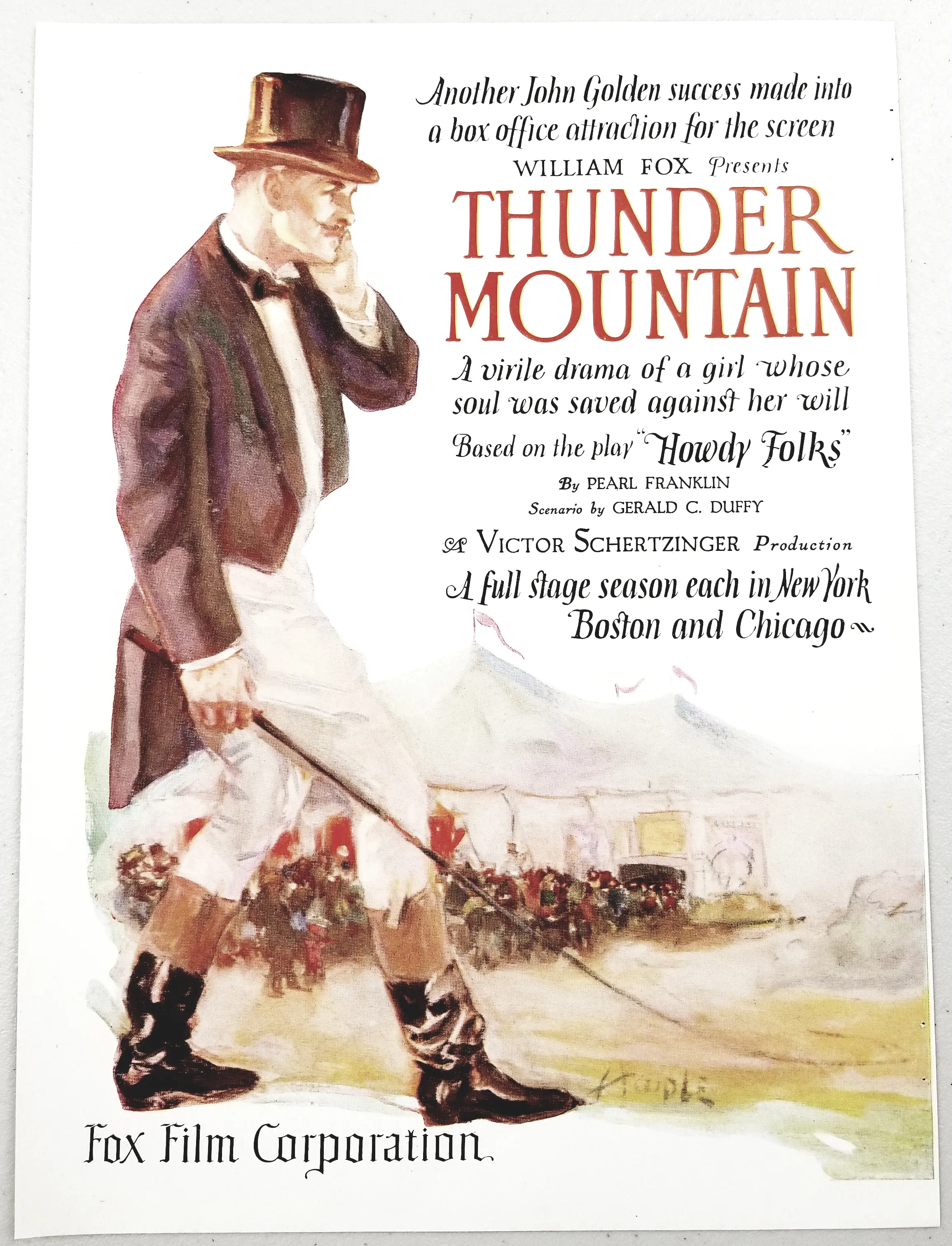
The 1925 cinematic endeavor Thunder Mountain emerges as a fascinating, if somewhat harrowing, relic of the silent era—a period when the visual vernacular was forced to articulate the complexities of social stratification without the crutch of spoken dialogue. This film, a stark departure from the polished urbanity often found in the mid-twenties, plunges its audience into the rugged, atavistic world of Appalachia. Here, the geography is as much a character as the actors themselves, providing a jagged backdrop for a drama rooted in the most primal of human conflicts: the struggle for autonomy against the crushing weight of systemic ignorance.
At the dark heart of Thunder Mountain lies an intriguing thematic preoccupation with literacy—or rather, the catastrophic absence of it. In a community where the alphabet is a foreign cipher, Si Pace (played with a chilling, calculating reserve) stands as a secular deity. As the only individual gifted with the ability to read and write, Pace doesn't use his knowledge to uplift; instead, he weaponizes it. This dynamic reminds me of the transactional cruelty explored in A Prince in a Pawnshop, where economic leverage is used to strip away human dignity. In Pace’s hands, a ledger is more lethal than a Winchester rifle, and a contract is a noose. The film masterfully illustrates how the illiterate are not just uneducated, but effectively disenfranchised from their own destinies.
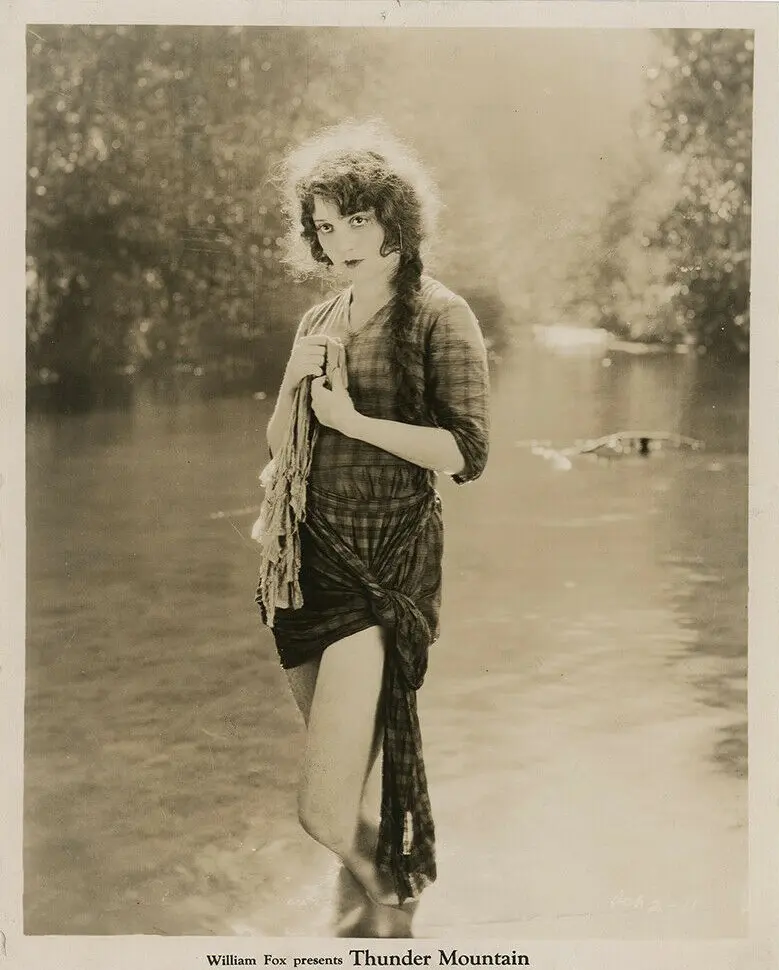
The screenplay, a collaborative effort by Elia W. Peattie, Eve Unsell, and Pearl Franklin, meticulously constructs a world where the Givens and Martin families are trapped in a cycle of internecine strife. This feud is not merely a plot device; it is a manifestation of a culture that has turned inward, feeding on its own grievances because it lacks the tools to look outward. Unlike the high-stakes maritime strategy of The Battle of Jutland, the stakes here are intimate, visceral, and territorial. The mountain is a closed circuit, and the feud is the current that keeps the machinery of misery running.
One cannot discuss Thunder Mountain without acknowledging the ethereal presence of Zasu Pitts. Known for her unique ability to blend tragic vulnerability with a certain eccentric charm, Pitts provides the film's emotional anchor. Her performance captures a specific kind of rural weariness—a longing for something beyond the rocky horizon that she cannot quite name. While some might compare the film’s tonal shifts to the lighter fare of A Very Good Young Man, Pitts ensures that the gravity of the setting is never lost. Her expressive face, a landscape of unspoken anxieties, tells the story of every woman trapped in a patriarchal feud that she had no hand in starting.
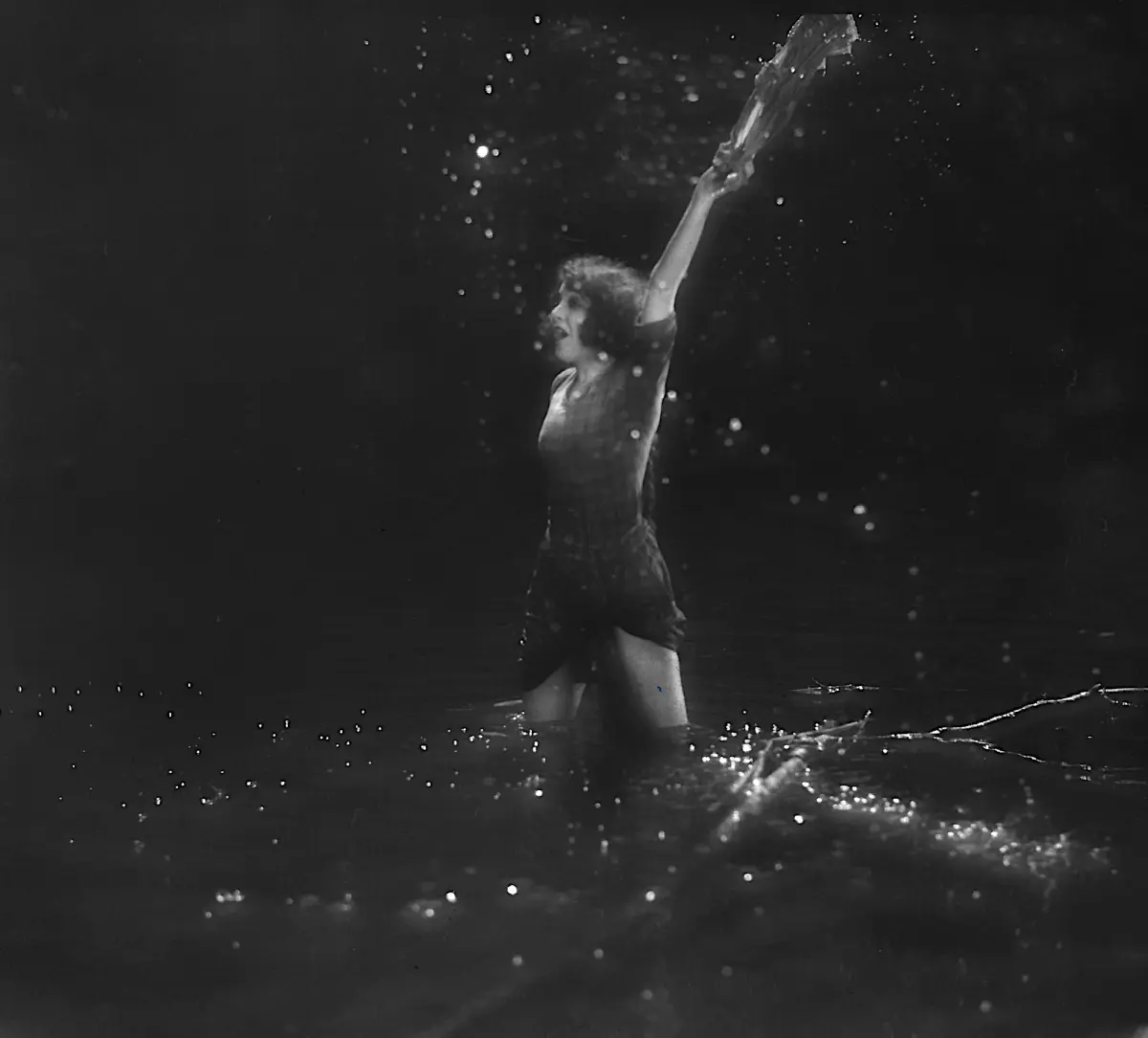
The supporting cast, including the stalwarts Russell Simpson and Madge Bellamy, fills out this primitive world with a rugged authenticity. Simpson, in particular, carries the weight of the mountain in his posture, embodying the stubborn pride that fuels the Martin-Givens conflict. The physical performances are heightened, as was the custom of the era, but there is a groundedness here that prevents the film from descending into mere melodrama. It lacks the stylized artifice of The Carpet from Bagdad, opting instead for a gritty realism that feels remarkably modern in its depiction of poverty and isolation.
Visually, the film utilizes the natural topography to emphasize the psychological entrapment of its characters. The steep inclines and shadowed valleys of Thunder Mountain serve as metaphors for the insurmountable obstacles facing those who wish to break the cycle of violence. The cinematography captures the textures of the landscape—the dust, the coarse fabric of the clothing, the weathered skin of the actors—creating a sensory experience that transcends the limitations of silent film. It’s a far cry from the sleek, high-tech world of Sneakers, yet both films deal with the fundamental power of information and the consequences of its theft or manipulation.
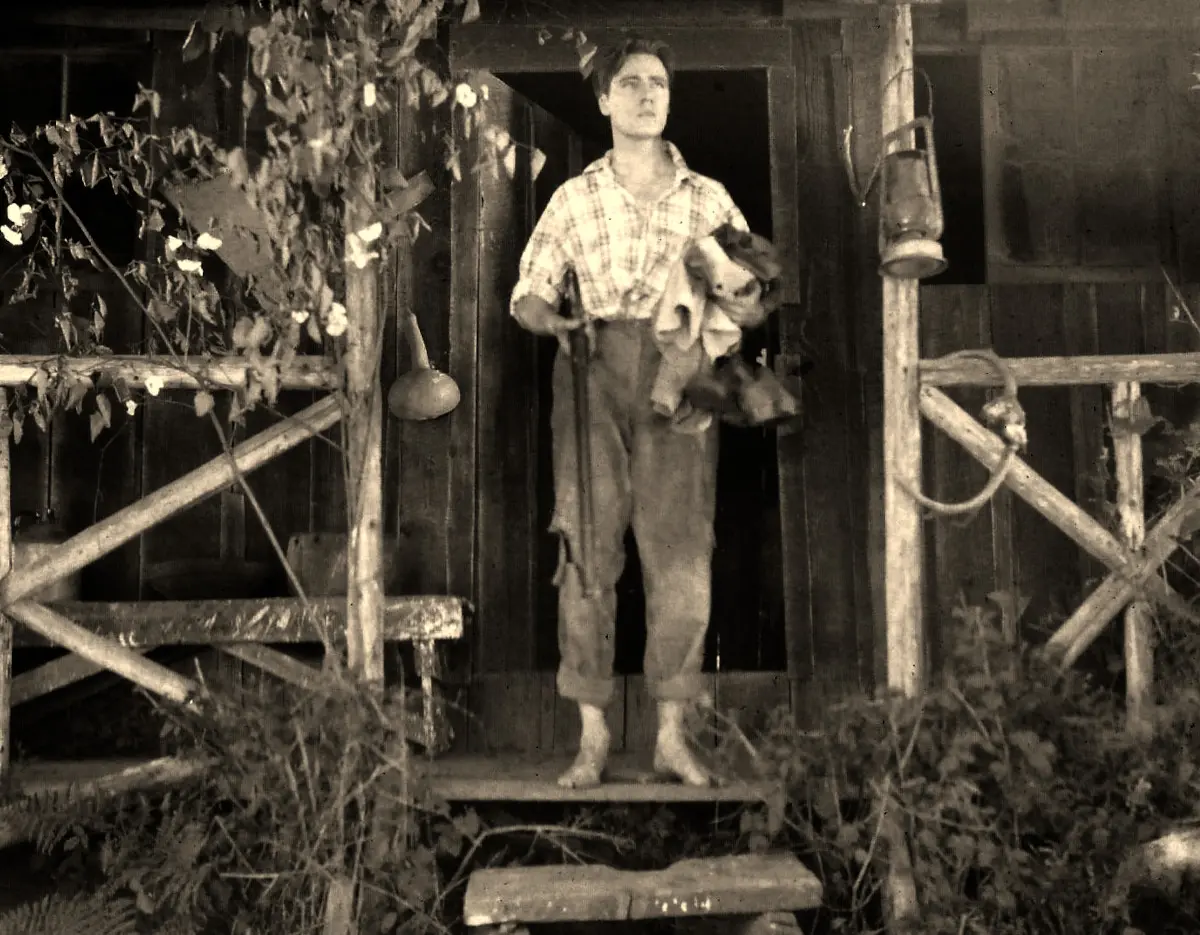
The film also toys with the archetype of the "villainous moneylender," a trope that appears in various forms across global cinema, from the French tragedy La Destinée de Jean Morénas to the more contemporary explorations of social debt. Si Pace is a particularly loathsome iteration because his power is intellectual. He is the shepherd of a flock he intends to slaughter, and the film’s climax hinges on the moment when his monopoly on truth is finally challenged. This confrontation is staged with a rhythmic intensity that mirrors the best of the era’s action sequences, reminiscent of the propulsive energy found in The Lucky Devil, though the stakes here are far more somber.
When we look at Thunder Mountain within the broader context of 1920s cinema, its commitment to a specific cultural milieu is striking. Unlike the romanticized wanderlust of The Gypsy Trail or the satirical bite of An Amateur Devil, this film is a somber meditation on the limitations of the American dream in the face of geographic and educational neglect. It shares a certain thematic DNA with No Woman Knows, particularly in its exploration of how familial expectations and societal constraints can stifle individual agency.
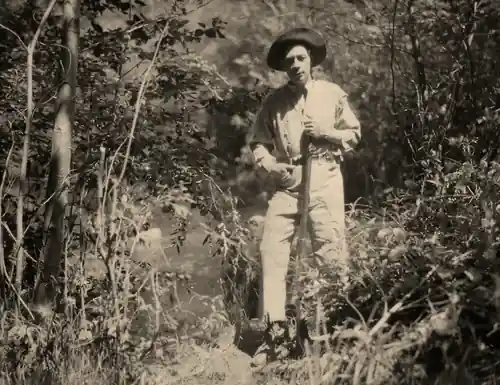
The film’s pacing is deliberate, allowing the tension to simmer before it eventually boils over. This slow-burn approach is effective in establishing the claustrophobia of the mountain. We see characters who are literally and figuratively looking for a way out, much like the protagonists in Till We Meet Again, though the resolution in Thunder Mountain is far more entangled with the blood of the land. The presence of Emily Fitzroy and Arthur Housman adds layers of character complexity, ensuring that even the minor roles feel lived-in and essential to the mountain's ecosystem.
In conclusion, Thunder Mountain is a vital piece of silent cinema that deserves more than a mere footnote in film history. It is a work that understands the terrifying power of words when they are held by the few and denied to the many. It captures a moment in time where the frontier was closing, but the internal frontiers of the mind remained vast and uncharted. The film doesn't offer easy answers or a sanitized version of rural life; instead, it presents a raw, unvarnished look at the human condition under duress.
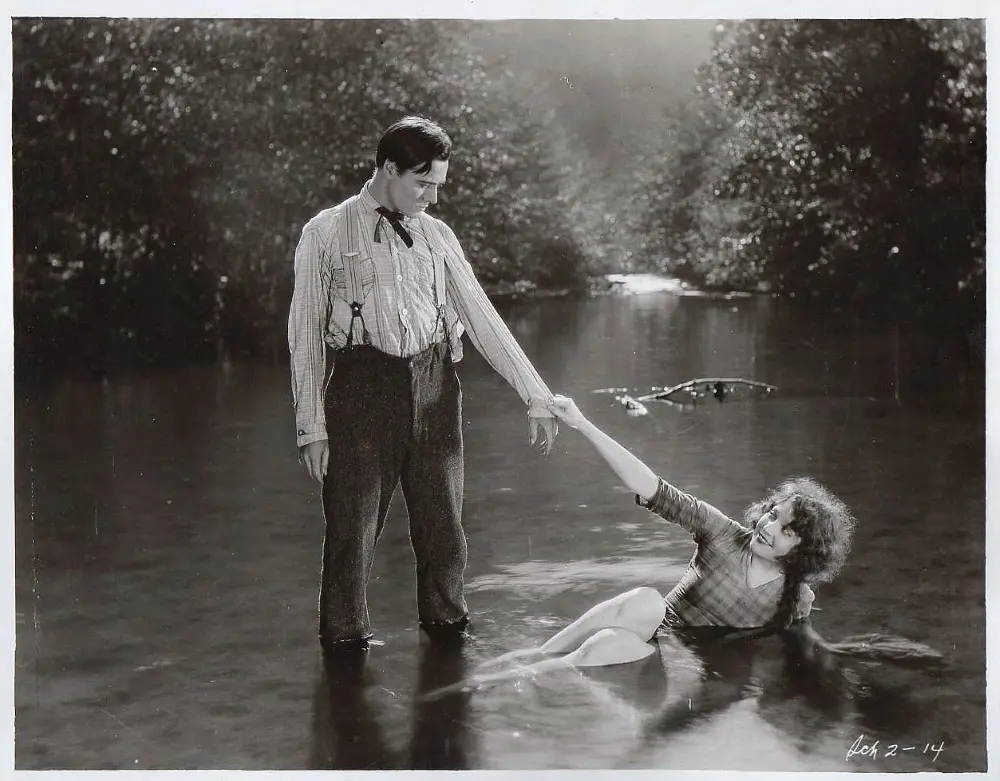
Whether compared to the meta-narrative layers of Bag Filmens Kulisser or the spirited resilience of Tempest Cody Turns the Tables, Thunder Mountain stands out for its atmospheric depth and its unflinching look at the darker side of communal life. It reminds us that the most dangerous mountains are not those made of rock and soil, but those built from years of silence, ignorance, and inherited hate. For the modern viewer, it serves as a haunting reminder of how far we have come—and how easily the shadows of the past can still loom over the present. It is a cinematic experience that, much like Pagan Passions, explores the collision of ancient impulses with the burgeoning structures of the modern world, leaving us with a final image that is as beautiful as it is unsettling.
The legacy of Thunder Mountain is not just in its plot, but in its ability to evoke a specific, haunting atmosphere. It is a film that breathes with the rhythm of the hills, a story told in the language of light and shadow, and a testament to the enduring power of silent storytelling. It invites us to look into the eyes of the disenfranchised and see the spark of a humanity that even the most oppressive ignorance cannot fully extinguish. It is, in every sense of the word, a masterpiece of the vernacular, a rugged poem of the American wilderness that continues to resonate nearly a century after its first projection.
IMDb 7.3
1926
Community
Log in to comment.