DbcultAccessing Vault...
7.4/10
Senior Film Conservator
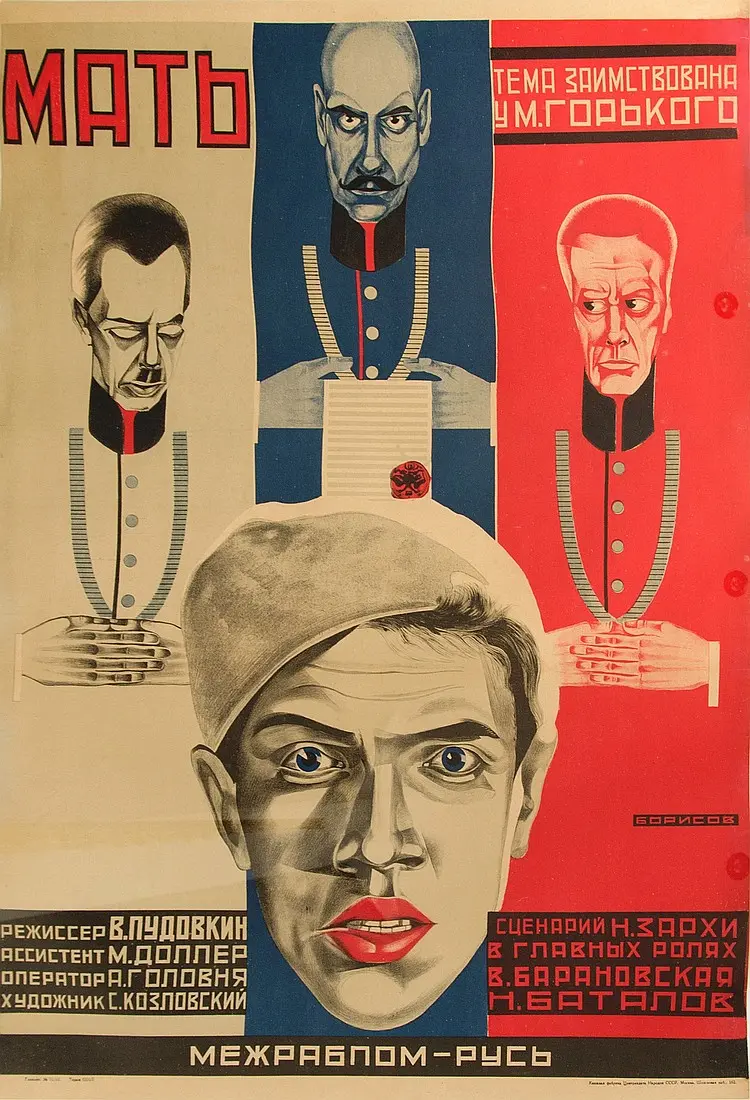
A definitive 7.4/10 rating for a film that redefined the boundaries of cult cinema. Mother remains a cornerstone of transgressive art.
Is Vsevolod Pudovkin's 1926 silent film, Mother, a vital watch today? Short answer: yes, absolutely, but with significant caveats that demand a particular kind of viewer. This film is an essential piece of cinematic history, offering profound insights into early Soviet montage theory and emotionally resonant storytelling.
It is unequivocally for cinephiles, film historians, and anyone deeply interested in the origins of propaganda cinema or the expressive power of silent film. Conversely, it is decidedly not for audiences seeking fast-paced modern narratives, purely escapist entertainment, or those with a low tolerance for the conventions and pacing of early 20th-century filmmaking.
This film works because of its extraordinary emotional core, anchored by Vera Baranovskaya's compelling performance, and Pudovkin's pioneering use of montage to build palpable tension and convey complex psychological states.
This film fails because its overt propagandistic intent, while historically significant, occasionally overwhelms the subtle character development, leading to moments of heavy-handed messaging that can feel dated to a contemporary audience.
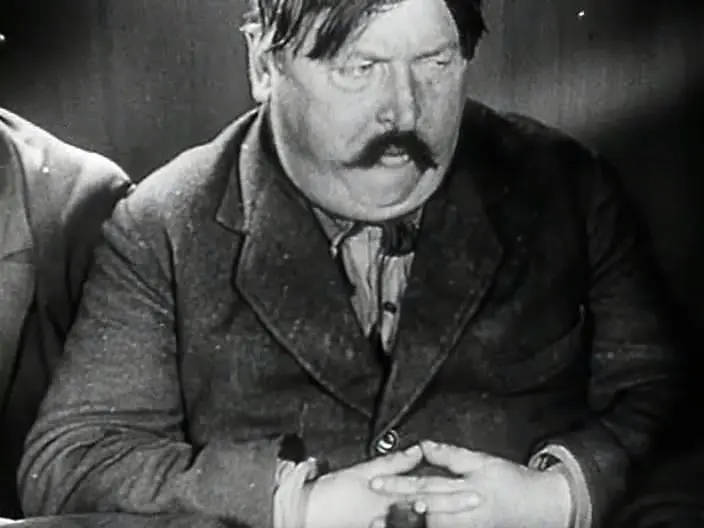
You should watch it if you appreciate cinema as a historical document and an artistic medium capable of profound social commentary, even when filtered through a specific ideological lens. It is a masterclass in visual storytelling.
Vsevolod Pudovkin's "Mother" stands as a towering achievement in early Soviet cinema, often positioned alongside Sergei Eisenstein's more widely celebrated works. While Eisenstein favored a 'montage of attractions' designed to shock and intellectually provoke the audience, Pudovkin's approach was arguably more nuanced, focusing on individual psychology within the broader societal upheaval. He sought to build empathy, to draw the viewer into the emotional journey of his characters, rather than merely presenting them as cogs in a revolutionary machine.
This distinction is crucial. Where Eisenstein’s Khleb (if it existed as a contemporary reference point) might have used a rapid-fire succession of images to convey the sheer scale of the collective struggle, Pudovkin meticulously constructs the mother's transformation through a series of carefully chosen, often symbolic, shots. His direction is less about intellectual assault and more about emotional accumulation.
Consider the scene where Pavel is arrested; Pudovkin doesn't just show the arrest. He intercuts shots of the mother's growing terror, the son's defiant calm, and the brutal efficiency of the Tsarist police. This isn't just action; it's a profound study in contrasting emotional states, building a sense of dread and injustice that resonates far beyond the immediate narrative.
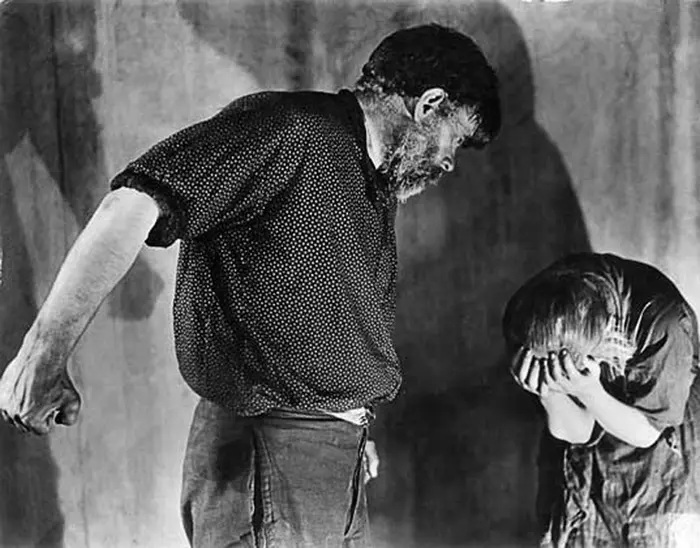
Pudovkin’s camera is not merely an observer; it’s an active participant, guiding our gaze, emphasizing the small gestures and grand pronouncements that define this tumultuous period. His choice to center the narrative on a single, relatable figure—the mother—was a stroke of genius, making the abstract ideals of revolution tangible and deeply personal.
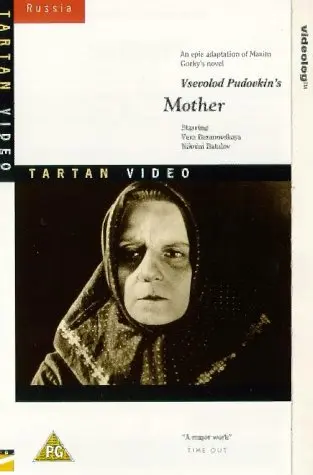
The film's undeniable power rests squarely on the shoulders of Vera Baranovskaya, whose portrayal of Pelageya Nilovna Vlasova is nothing short of extraordinary. In an era where silent film acting could often veer into exaggerated melodrama, Baranovskaya delivers a performance of remarkable subtlety and depth. Her face, a canvas of shifting emotions, conveys bewilderment, fear, sorrow, and ultimately, an unyielding resolve.
Baranovskaya's initial scenes show a woman trapped by circumstances, her expressions hinting at a lifetime of quiet suffering and resignation. Her eyes, wide with confusion and pain, are particularly expressive, communicating volumes without a single intertitle. When her son, played with stoic conviction by Nikolay Batalov, becomes embroiled in the workers' movement, her internal conflict is palpable.
There's a specific moment, early in the film, where Pelageya witnesses the aftermath of a worker's protest. Her face, initially a mask of fear, slowly hardens as she comprehends the injustice. This isn't a sudden, theatrical epiphany; it's a gradual, deeply felt awakening, meticulously built through Baranovskaya's nuanced reactions. She embodies the film's central theme: the evolution of individual consciousness under duress.
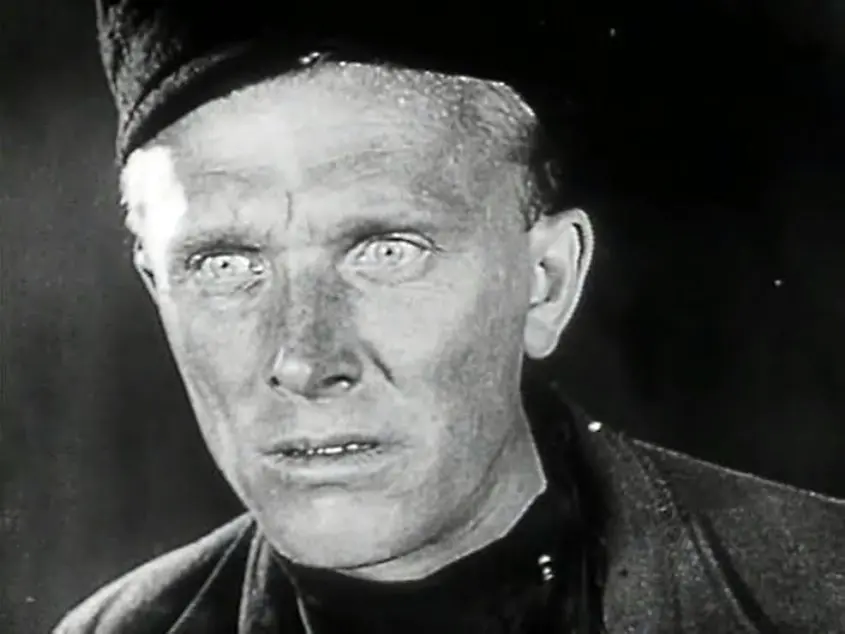
Her transformation from a fearful, apolitical mother to a defiant symbol of the revolution is utterly convincing. It is through her eyes that the audience experiences the brutality of the system and the righteousness of the cause. Without her grounding, deeply human performance, "Mother" might have easily devolved into mere ideological posturing. Instead, she provides the emotional anchor that makes the propaganda digestible and the tragedy profound.
Pudovkin, a student of Lev Kuleshov, was a master of montage, using the juxtaposition of shots not just to advance the plot, but to create meaning, evoke emotion, and symbolize abstract ideas. "Mother" is a textbook example of how Soviet montage theory could be applied to create a powerful, immersive cinematic experience. The film's visual language is its primary storytelling mechanism.
One of the most iconic sequences involves the breaking of the ice on the river, paralleled with the breaking of the workers' chains and the mother's own emotional liberation. This isn't accidental; it's a deliberate symbolic montage, where the natural world reflects and amplifies the human struggle. The powerful, surging ice floes become a metaphor for the unstoppable force of the revolution, a visual poem of liberation.
Pudovkin also employs parallel editing to heighten tension and underscore thematic contrasts. The quiet moments of domesticity are starkly contrasted with the violent clashes in the streets, creating a sense of impending doom and emphasizing the stakes for the family. The editing isn't just about pace; it's about building conceptual bridges between disparate images, forcing the audience to make connections that deepen their understanding of the narrative.
He understood that cutting between images could generate a third, new meaning—a concept central to montage theory. A shot of a desperate mother followed by a shot of a marching crowd isn't just two separate images; it becomes the mother joining the collective, her personal grief transforming into revolutionary fervor. This visual alchemy is what makes "Mother" so compelling, even almost a century later.
The pacing of "Mother" is deliberate, building slowly from the oppressive quiet of the Vlasov household to the explosive energy of the workers' demonstrations. This measured build-up allows the audience to fully grasp Pelageya's internal journey, making her eventual embrace of the cause feel earned and authentic. The film’s tone shifts from a somber, almost naturalistic portrayal of poverty to a rousing, almost operatic celebration of revolutionary zeal.
While the film is undeniably a work of propaganda for the Bolshevik cause, labeling it as such does not diminish its artistic merit. Instead, it frames it within its historical context, allowing us to appreciate how art was harnessed for ideological purposes in the nascent Soviet Union. Pudovkin, unlike some of his contemporaries, managed to infuse his propaganda with genuine human emotion, making the message resonate on a visceral level.
My unconventional observation here is that the film's propagandistic elements, rather than being a flaw, actually serve to elevate its dramatic stakes. By clearly delineating good and evil—the oppressed workers versus the brutal Tsarist regime—Pudovkin creates a heightened sense of urgency and moral clarity. This stark dichotomy, while simplifying complex political realities, amplifies the emotional impact of the mother's journey, making her transformation all the more heroic and tragic within the film's own world.
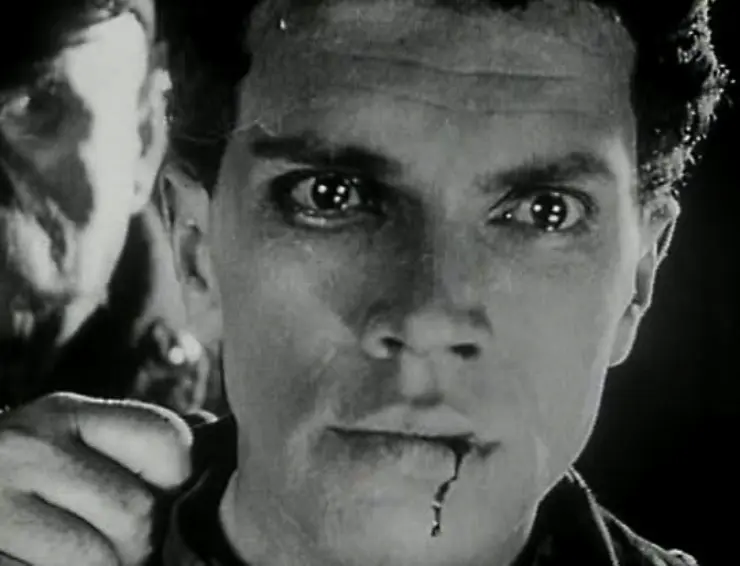
The melodrama, often a hallmark of silent cinema, is here employed not for cheap sentiment, but to underscore the profound sacrifices demanded by revolution. The emotional highs and lows are precisely calibrated to move the audience, to stir them to empathy and, ideally from Pudovkin's perspective, to solidarity.
Yes, "Mother" is absolutely worth watching today. It offers a crucial window into early cinematic techniques and the power of silent storytelling. Its themes of social justice, individual awakening, and the fight against oppression remain strikingly relevant. While its propaganda is evident, it is also a testament to the emotional force of cinema. It is a historical and artistic touchstone.
"Mother" is a film that demands to be seen, not just for its place in the annals of cinema history, but for its enduring power to move and provoke. It works. But it’s flawed. Pudovkin crafts a narrative that, despite its propagandistic leanings, taps into universal themes of injustice, sacrifice, and the awakening of consciousness. Vera Baranovskaya’s performance is a masterclass in emotional communication, transcending the limitations of the silent medium to deliver a truly unforgettable portrayal.
While its pace and overt messaging might challenge some contemporary viewers, to dismiss "Mother" would be to overlook a foundational text of cinematic expression. It is a powerful testament to the idea that film can be both art and a tool for social change, a revolutionary cry captured on celluloid. Its legacy is undeniable, and its impact still resonates. Seek it out, but approach it with the understanding that you are not just watching a film, but experiencing a pivotal moment in the evolution of storytelling itself.
IMDb —
1916
Community
Log in to comment.