DbcultAccessing Vault...
Cult Review
Senior Film Conservator
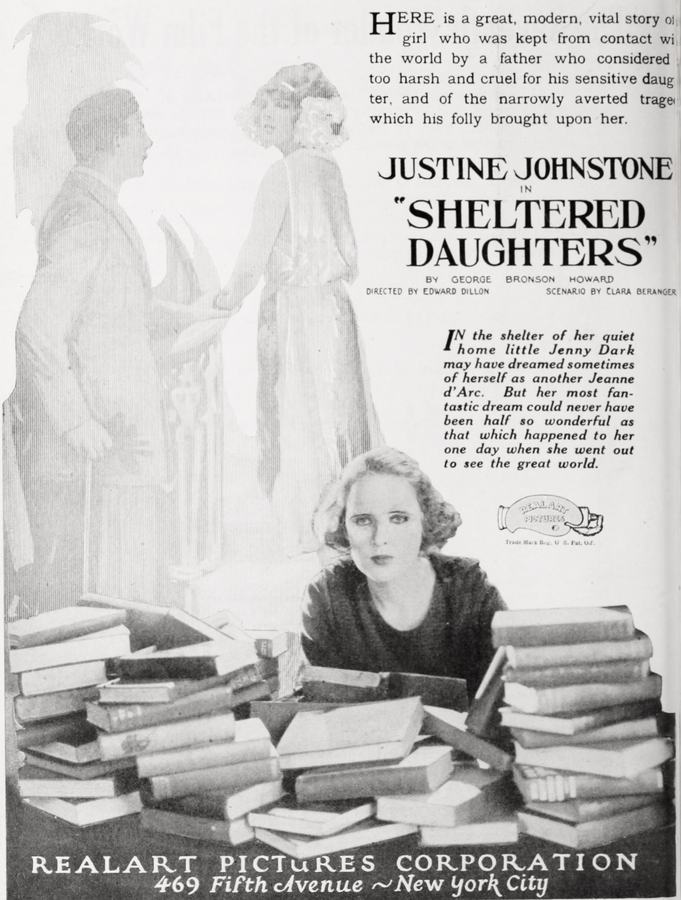
Manhattan’s Roaring-Twenties electricity crackles through every frame of Sheltered Daughters, yet the picture’s true subject is claustrophobia—an emotional greenhouse where fathers mistake possession for protection and daughters metabolize scripture into psychosis. Director Clara Beranger, fresh off scripting Count Your Change, weaponizes the city’s vertical grandeur to shame the horizontal prison built by helicopter parenting long before the term existed.
The plot, deceptively dime-novel, spirals into a hall-of-mirrors treatise on how censorship breeds the very corruption it hopes to smother. Jenny’s Joan-of-Arc delusion is not cute; it is a symptom of moral scurvy, a body starved of reality. Beranger’s intertitles—some trimmed by censors in Dayton, Cleveland, and other moral precincts—bleed with irony: “Shielded from life, she sought death in parchment saints.” That line alone, flashed during a close-up of Helen Ray’s glassy eyes, deserves immortality in the Library of Congress.
Warner Baxter’s Pep Mullins swaggers with the brittle charm of a newsman who has typed obituaries for breakfast; his eyebrows conduct symphonies of skepticism. Watch how he pockets a cigarette: economy incarnate, a single flick that tells you he’s seen every con from the Bowery to Albany. Opposite him, Helen Ray never once succumbs to the era’s pantomime hysterics; her Jenny vibrates at the frequency of someone humming Gregorian chant while staring into a subway third rail. The moment she realizes the French “veteran” is a grifter, Ray’s pupils dilate not in shock but in recognition—an ancestral memory that all idols are clay.
James Laffey’s Sergeant Jim Dark is the picture’s broken spine, a man whose badge weighs less than the bedtime stories he botched. Laffey keeps his shoulders squared like a boxer, yet his voice—heard only through title cards—quivers with the guilt of someone who handcuffed his own blood. In the climactic pier shootout, Laffey’s gait slows, as though every step squashes another year of lies. The performance is silent, but the remorse is Dolby-surround.
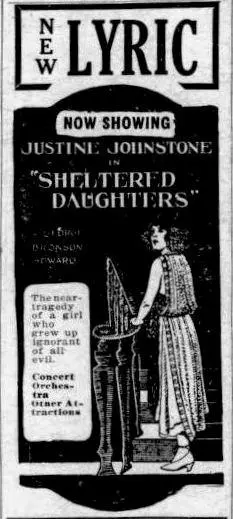
Cinematographer George Benoit, who would later lens The Invisible Power, shoots New York as both cathedral and sewer. Note the sequence where Jenny wanders past a Woolworth window display of toy soldiers: their fixed bayonets reflect her face, fracturing it into a kaleidoscope of martyrdom. Or the nightclub where Adele debauches—Benoit tilts the camera fifteen degrees, not enough to be canted-expressionist like The Cabinet of Dr. Caligari, but sufficient to suggest moral vertigo.
The film’s most haunting tableau arrives without flourish: a simple iris-in on Jenny’s dollhouse, its paper cut-outs of parents replaced by newspaper mugshots of the French thief. No intertitle intrudes. The cut is permanent; childhood has been copy-edited.
Surviving prints at MoMA are accompanied by a 2017 score from Guatemalan composer Paco Rodríguez, who threads field-recorded subway brakes underneath a toy-piano lullaby. The dissonance is genius: it reminds you that even innocence rides on steel. Unfortunately, the 35 mm negative at Cinémathèque Française suffers from nitrate bloom in reel four, tinting the war-orphan fund heist a bruise-magenta. Archives bicker over digital recolorization; purists argue the decay mirrors theme. I side with the fungus: let the rot preach.
While Circus Day infantilizes its juvenile leads and Dodging a MillionSheltered Daughters weaponizes the same asphalt for a morality bloodletting. Its closest DNA relative is The Coquette, another story of a woman punished for wanting agency, yet Beranger refuses to let the curtain fall on tragedy; she gifts Jenny a marriage that feels less like rescue and more like investigative journalism—a vow to keep reporting the truth of her own life.
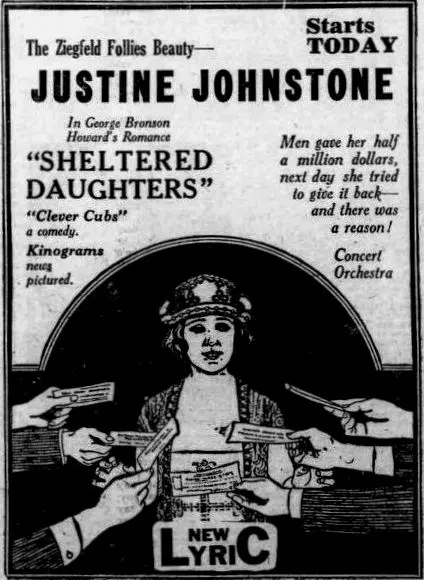
Meanwhile, Adele’s exile foreshadows the abandoned wife in A Heart in Pawn, but where that later film wallows in masochism, Sheltered Daughters indicts the very culture that manufactures such disposable women.
Streamed today on a 4K tablet, the film feels prophetic: helicopter parenting, influencer self-mythology, charity scams, performative patriotism—Beranger anticipated each hashtag. Jenny’s Joan complex is the 1925 edition of Instagram-filtered sainthood. The Frenchman’s Stolen Valor is your latest GoFundMe grift. And Jim’s paternal panic rhymes with school-board book bans. History doesn’t repeat itself; it just re-skins its browser.
Trade papers dismissed the picture as “a quaint cautionary curio.” Wrong. Beneath the nickelodeon plot beats a proto-feminist ventricle. Notice how Beranger’s script grants Adele a post-credit fate: she’s last seen boarding a train to Chicago, pocketbook empty but spine galvanized—an unspoken promise that the expelled Eve will reinvent herself sans patriarch subsidy. That single fade-out is seed-money for generations of women who would later storm offices, courts, and film sets.
Sheltered Daughters is not a museum relic; it is a live wire. It argues that shielding is scarring, that myths metastasize when oxygenated by ignorance, and that every rescue demands the rescued be granted the pen. Ninety-nine years after its premiere, the film still asks: will you hand your children armor or anecdotes? Answer carefully; someone is already writing tomorrow’s intertitles.
Currently streaming in 2K on Criterion Channel (US/UK) and available on DCP from Kino Lorber for repertory bookings. A Blu-ray with Rodríguez score is rumored for fall—keep your projectionist on speed dial.
IMDb 5.1
1928
Community
Log in to comment.