DbcultAccessing Vault...
Cult Review
Senior Film Conservator
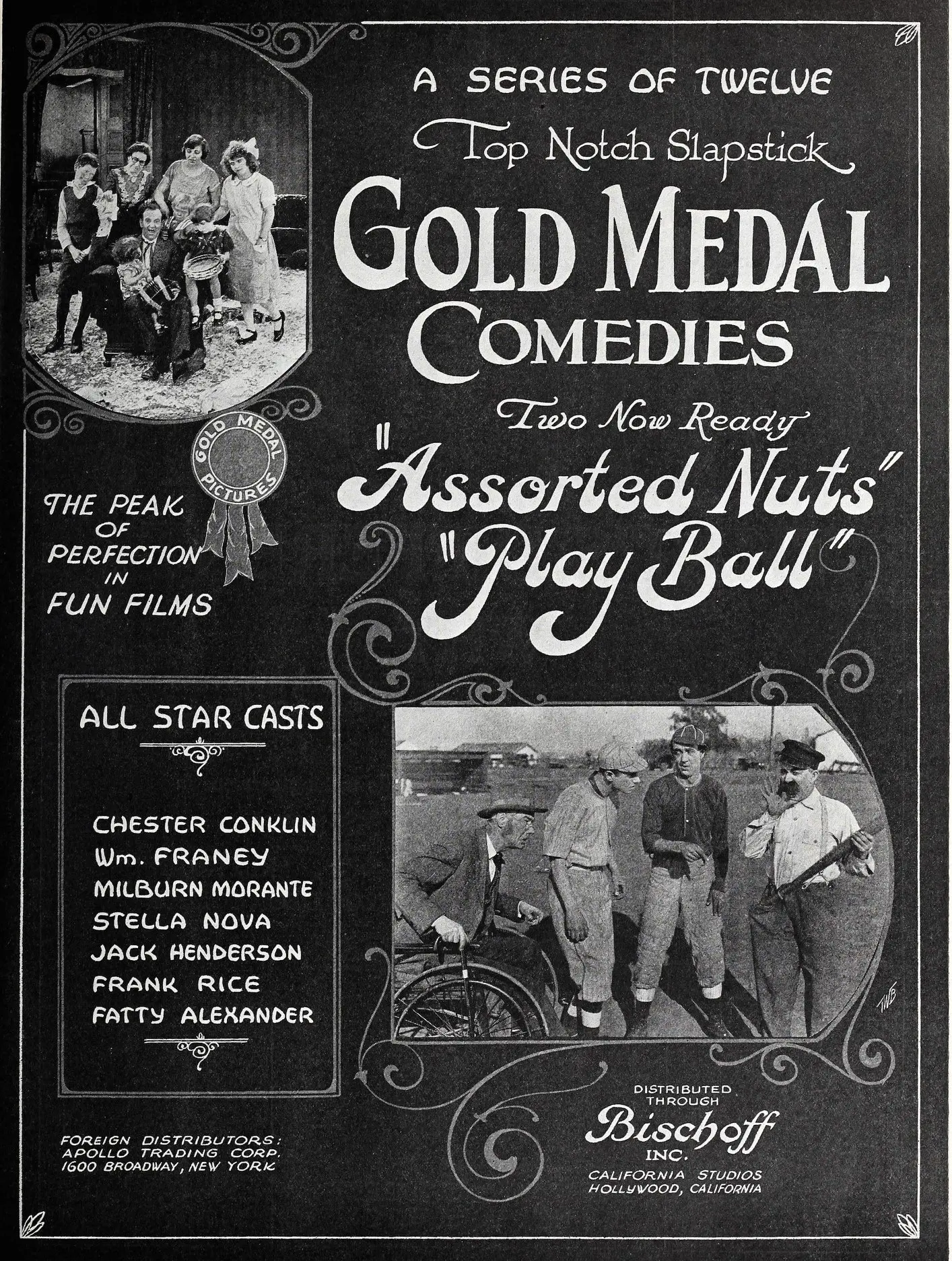
Is Assorted Nuts worth your time in the modern era? Short answer: Yes, but only if you have a high tolerance for unrefined, vintage chaos. This film is a raw artifact for those who want to see the DNA of slapstick before it was sanitized by the major studios.
This film is for the dedicated silent cinema historian and fans of the 'poverty row' style of 1920s comedy. It is absolutely not for viewers who require high-fidelity sound, logical narrative progression, or the sophisticated pathos of a Chaplin feature. It is loud, silent, and messy.
1) This film works because: The sheer physical commitment of Billy Franey and Frank Alexander creates a kinetic energy that modern CGI-driven comedies cannot replicate.
2) This film fails because: The editing is frequently jarring, with jump cuts that feel accidental rather than stylistic, leading to a fragmented viewing experience.
3) You should watch it if: You want to understand the transition of Vaudeville humor into the cinematic medium through the lens of Milburn Morante.
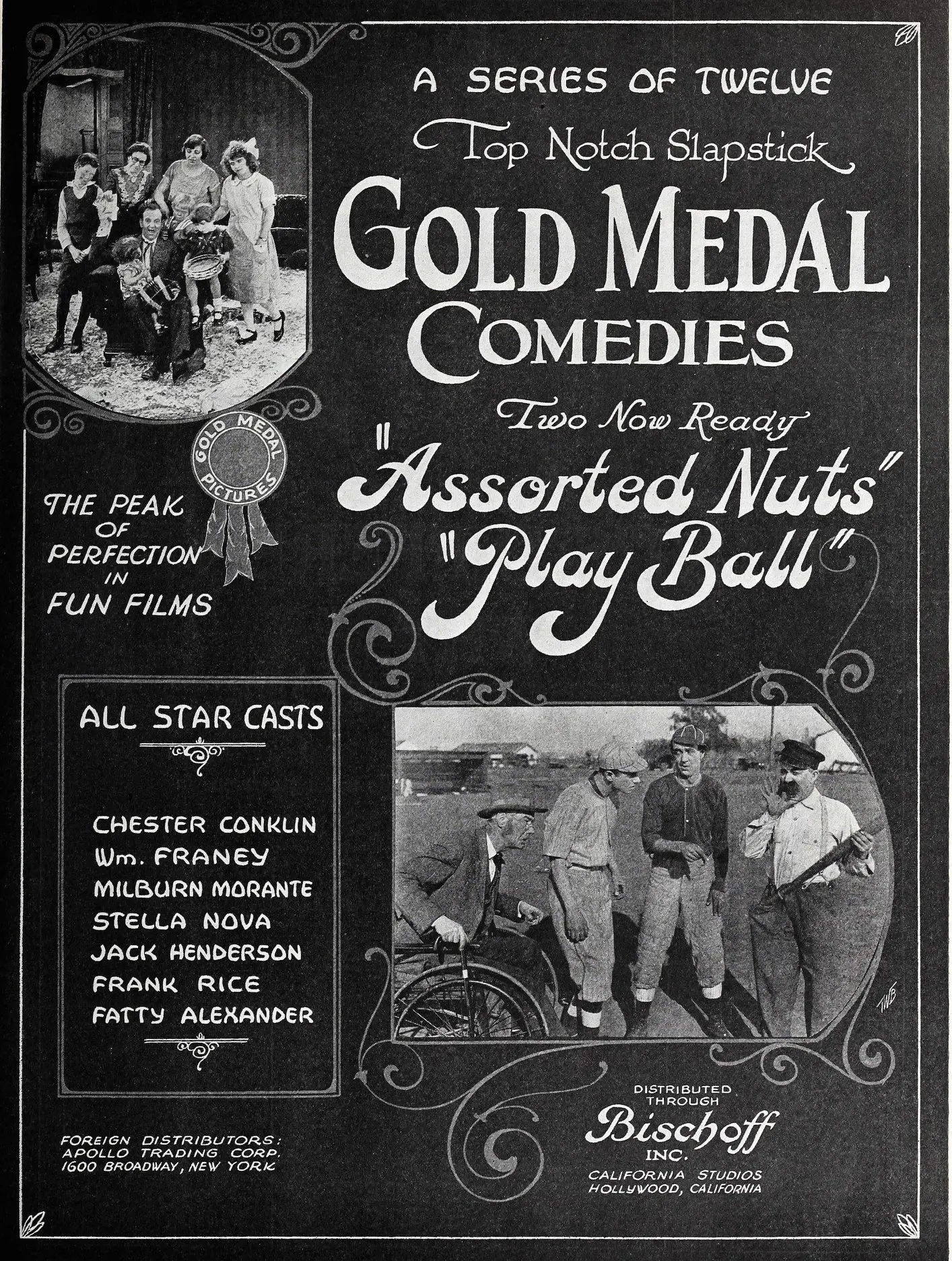
Yes, Assorted Nuts is worth watching as a historical curiosity. It represents the 'wild west' of independent filmmaking in the early 1920s. While it lacks the emotional depth of Assunta Spina, it compensates with a relentless, almost exhausting pace that keeps the viewer engaged through sheer curiosity about what bizarre physical feat will happen next. It is a short, punchy reminder that comedy has always been about the friction between people.
Milburn Morante was not interested in the sweeping romanticism found in films like The Four Horsemen of the Apocalypse. His focus was the grit and the gag. In Assorted Nuts, Morante uses a minimalist set to maximize the impact of his actors' movements. There is a specific scene where Billy Franey attempts to navigate a crowded room that feels like a precursor to the 'stateroom scene' in later Marx Brothers films. It is claustrophobic, dirty, and genuinely funny.
The writing, also by Morante, relies heavily on the physical capabilities of his cast. He understands that a well-timed fall or a double-take from Frank Alexander is worth more than ten title cards of dialogue. This is 'pure' cinema in its most primitive form. It doesn't ask for your empathy; it demands your attention. The pacing is breathless. It doesn't breathe because it doesn't have to.
However, this lack of breathing room is a double-edged sword. By the ten-minute mark, the viewer might feel a sense of 'slapstick fatigue.' Unlike Let's Go, which balances its action with character motivation, Assorted Nuts is content to simply be a collection of moments. It is a sketch show masquerading as a film. It works. But it’s flawed.
Billy Franey is the soul of this production. His performance is a masterclass in the 'rube' archetype—the perpetual outsider who is baffled by the world yet somehow survives it. Contrast this with the work of Mai Wells, who brings a surprising amount of groundedness to the role. While Franey is bouncing off the walls, Wells provides the necessary friction that makes the comedy land. Without her, the film would be untethered.
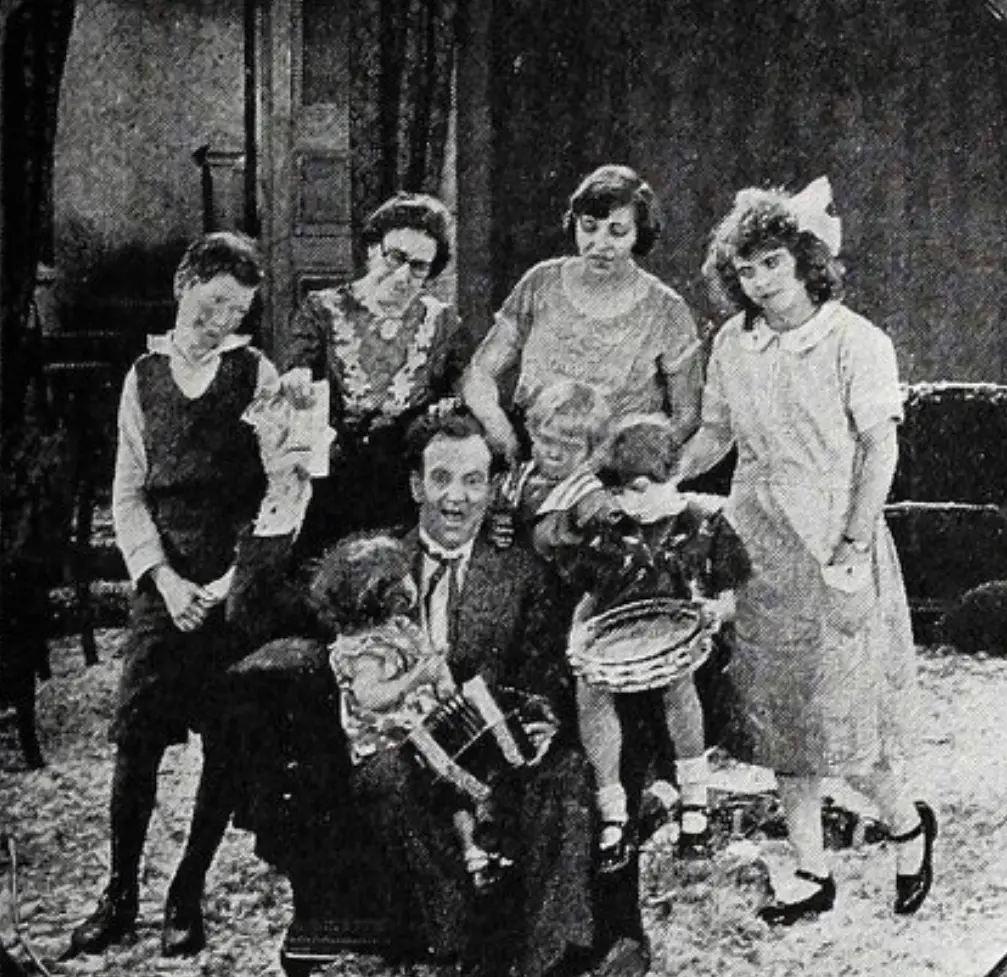
Frank Alexander, often cast as the heavy or the foil, is particularly effective here. His physical presence dominates the frame. In one sequence involving a disputed piece of furniture, Alexander’s slow-burn frustration is a highlight. He doesn't need to move fast to be funny; he just needs to exist in opposition to Franey’s frantic energy. This dynamic is what keeps the film from descending into total unwatchable noise.
The supporting cast, including Stella Nova and Louis Fitzroy, fill out the margins with enough quirkiness to justify the film's title. There is a sense that these actors have worked together for years, a shorthand that allows them to anticipate each other's movements. This ensemble chemistry is something often missing in more modern, high-budget attempts at slapstick.
The cinematography in Assorted Nuts is functional at best. It lacks the moody, experimental shadows of Shattered Idols, opting instead for a flat, high-key lighting that ensures every gag is visible. This was a common choice for comedies of the era, where the priority was clarity over atmosphere. However, the flatness of the image occasionally makes the sets feel like the painted backdrops they are.
The pacing is where the film truly lives. It is edited with a rhythmic intensity that suggests Morante was more concerned with the 'beat' of the joke than the continuity of the scene. You see a character in one corner of the room, and in the next frame, they are across the floor. It’s jarring. It’s unprofessional by modern standards. But in the context of 1923, it adds to the sense of 'nutty' instability.
One surprising observation: the film uses depth of field in a way that feels unintentional but effective. By having action occur in the background while a primary gag happens in the foreground, Morante creates a layered world. It forces the eye to wander, making the small environment feel much larger and more populated than it actually is. It’s a technique seen in more sophisticated works like The Sporting Venus, though here it feels more like a byproduct of a cramped set.
Assorted Nuts is a frantic, messy, and occasionally brilliant slice of 1920s life. It doesn't aim for the stars; it aims for the funny bone and hits it about 60% of the time. While it doesn't have the artistic weight of Exile or the narrative complexity of Daytime Wives, it possesses a raw honesty. It is a film that knows exactly what it is: a collection of eccentrics making fools of themselves for our amusement.
If you can look past the technical limitations and the lack of a traditional plot, there is a lot to enjoy here. It is a reminder that before movies were an 'industry,' they were a playground. Assorted Nuts is that playground in its most uninhibited form. It’s not a masterpiece, but it is a necessary piece of the puzzle for anyone trying to understand the history of American humor. Watch it for the history; stay for the nuts.
IMDb —
1924
Community
Log in to comment.