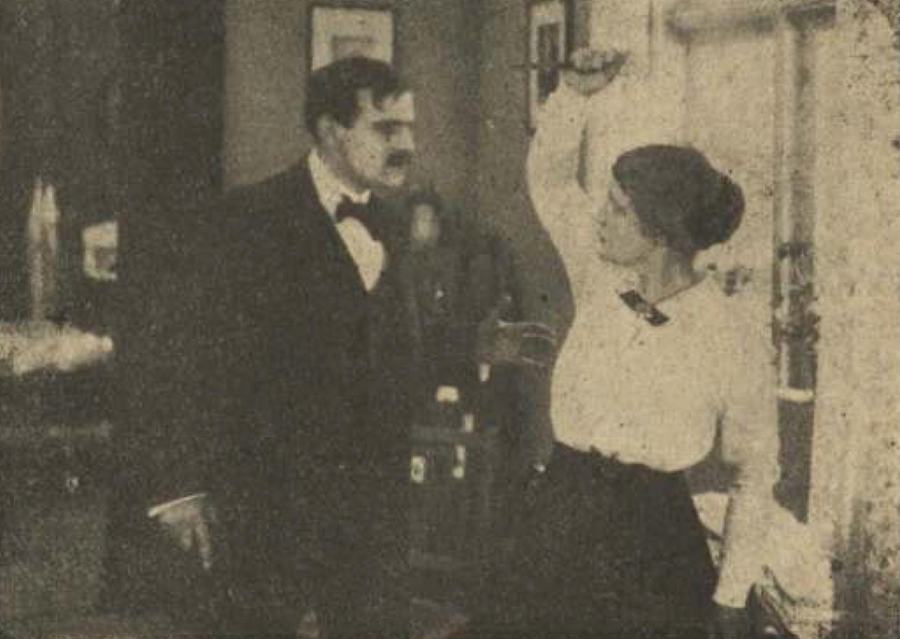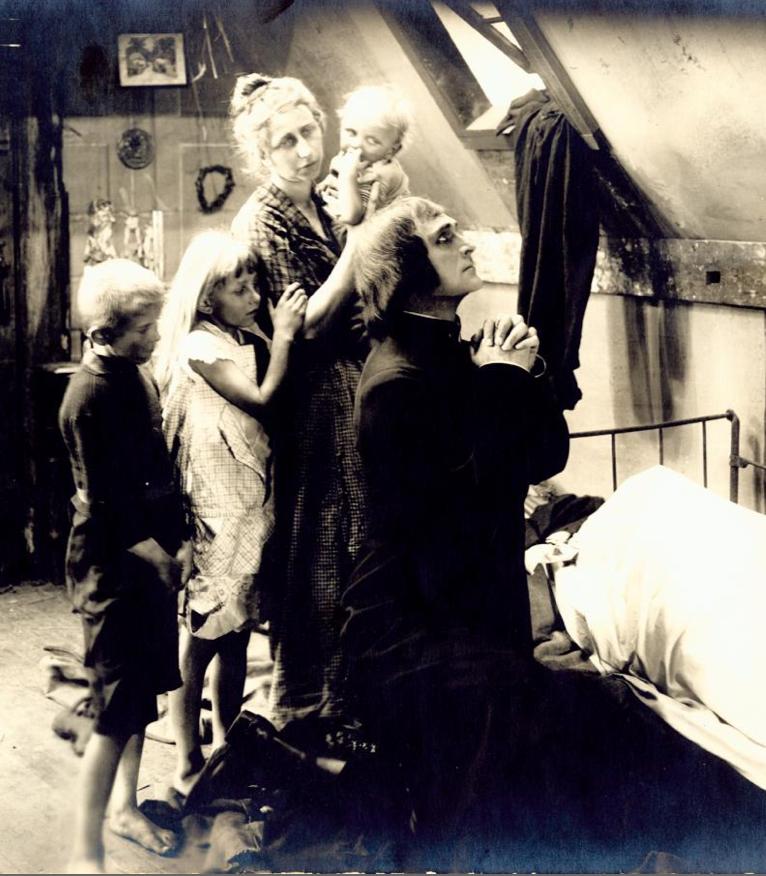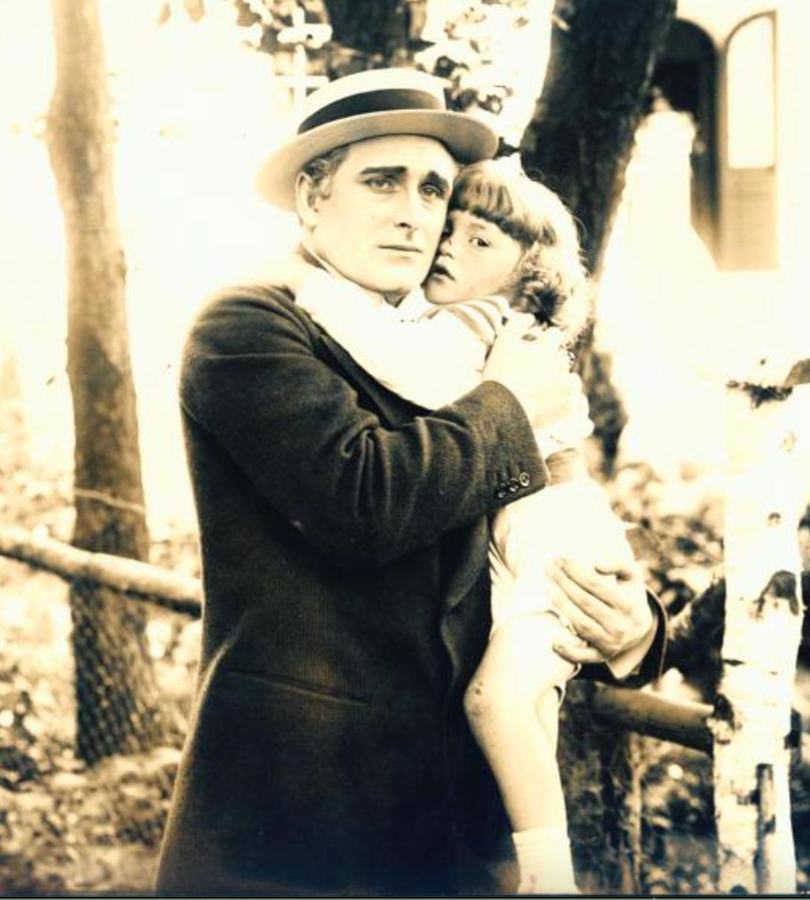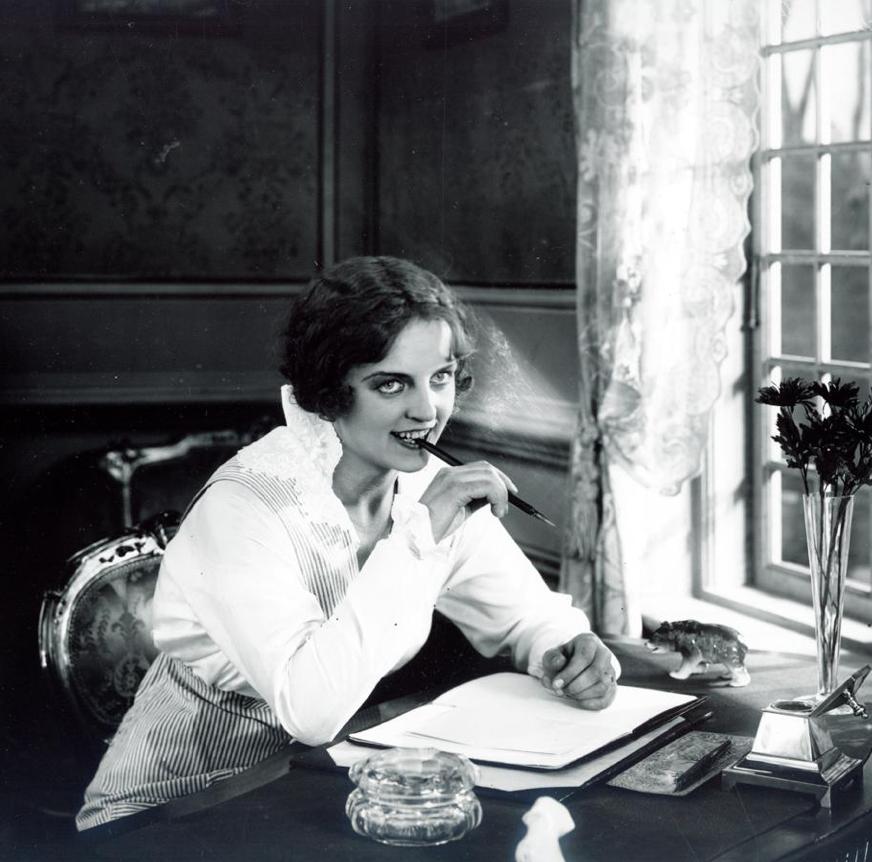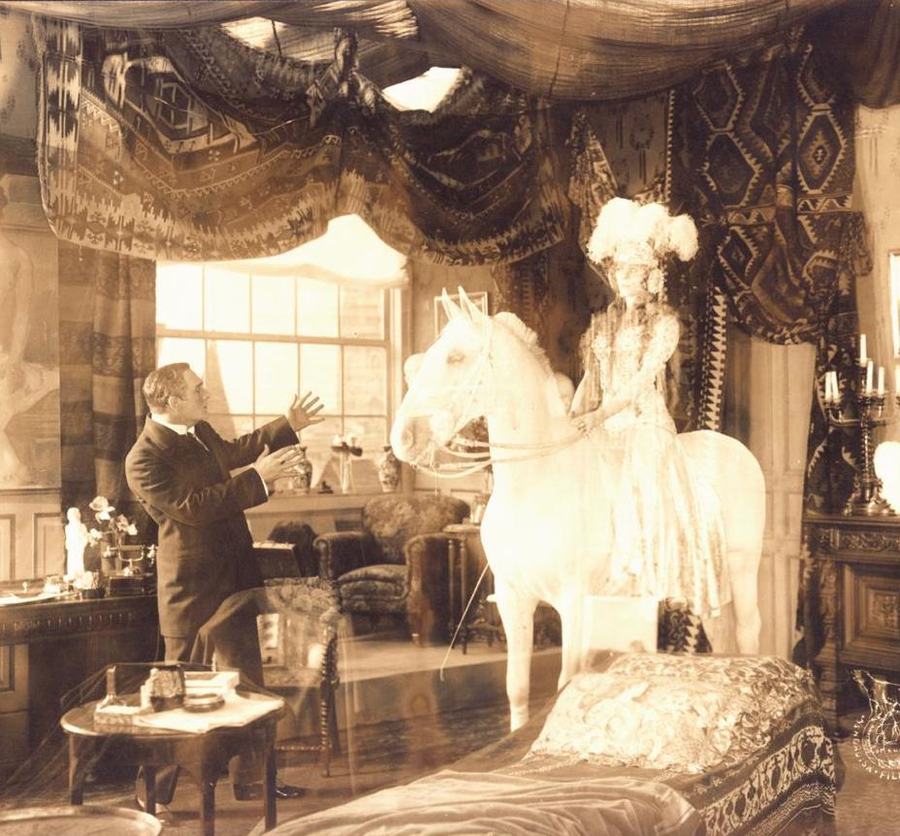
The artist Willi Cornel and the doctor Henri Parker are going to the circus to see the celebrated Miss Evelyn, the white rider. After the show, all three enjoy a meal at a restaurant.
Otto Detlefsen, Baptista Schreiber
Denmark
The first time we see Miss Evelyn she is already mid-air—thighs clamped around nothing but velocity, gloved fingers releasing the reins for the split second that turns gravity into gossip. Denmark 1916 had never photographed a woman like this: not bare-shouldered odalisque, not milk-fed peasant, but a projectile of w...

Comparing the cinematic DNA and archive impact of two defining moments in cult history.
Alfred Cohn
Alfred Cohn
Community
Log in to comment.
" The first time we see Miss Evelyn she is already mid-air—thighs clamped around nothing but velocity, gloved fingers releasing the reins for the split second that turns gravity into gossip. Denmark 1916 had never photographed a woman like this: not bare-shouldered odalisque, not milk-fed peasant, but a projectile of will. Baptista Schreiber, who also co-wrote the script, understood that the camera does not worship flesh; it worships trajectory. Her body arcs across the silent screen and lands i..."
Deep dive into the cult classic
Discover similar cinematic experiences
A Directorial Spotlight on Alfred Cohn