DbcultAccessing Vault...
5.4/10
Senior Film Conservator
A definitive 5.4/10 rating for a film that redefined the boundaries of cult cinema. Auction of Souls remains a cornerstone of transgressive art.
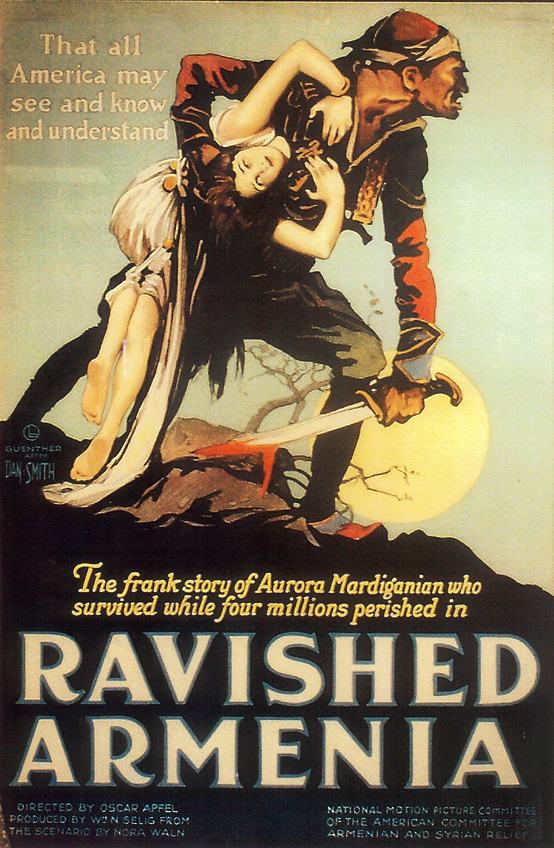
Stepping into the spectral glow of early cinema, one occasionally encounters a film that transcends mere entertainment, becoming instead a historical artifact, a cry from the past. Such is the profound, unsettling legacy of Auction of Souls, also known as Ravished Armenia. This isn't just a motion picture; it's a raw, unfiltered scream captured on celluloid, a testament to unimaginable suffering and an audacious act of bearing witness. Released in 1919, in the immediate aftermath of the horrors it depicts, this film offers a unique, if deeply disturbing, window into the Armenian Genocide, narrated and portrayed by one of its most remarkable survivors, Aurora Mardiganian herself. It’s a cinematic experience less about narrative finesse and more about the visceral impact of truth, delivered with an urgency that still reverberates a century later.
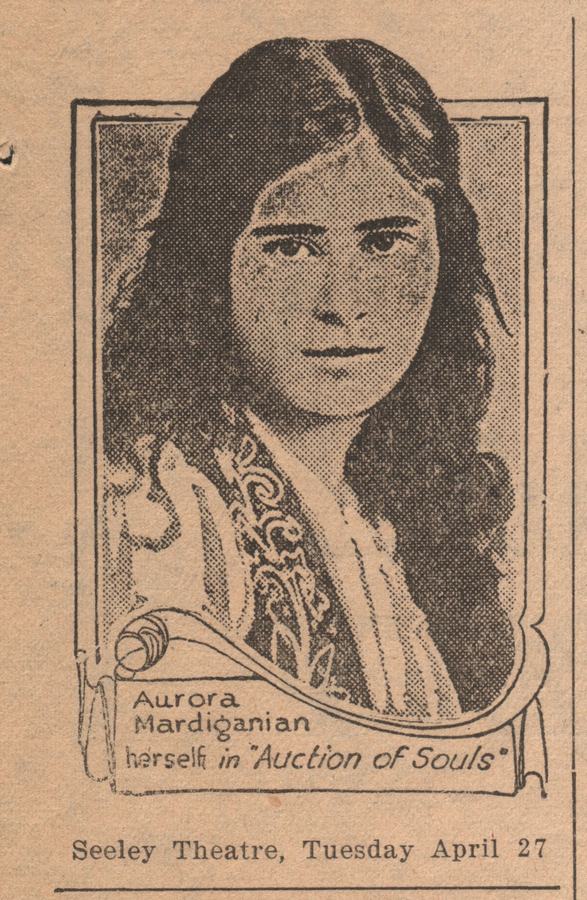
To comprehend the weight of Auction of Souls, one must first grasp the extraordinary circumstances of its creation. Aurora Mardiganian was a young woman from Chmshgatsak, a town in Ottoman Armenia, whose life was irrevocably shattered when the Young Turk government initiated its campaign of systematic extermination against the Armenian population in 1915. Her personal account, later published as Ravished Armenia, detailed the unspeakable: the murder of her family, forced death marches, starvation, sexual slavery, and witnessing the horrific mass drowning of Armenian women in Lake Van. Mardiganian endured these atrocities, escaping multiple times from her captors, only to be recaptured, until her eventual harrowing journey led her to the relative safety of Russia and, ultimately, to the United States.
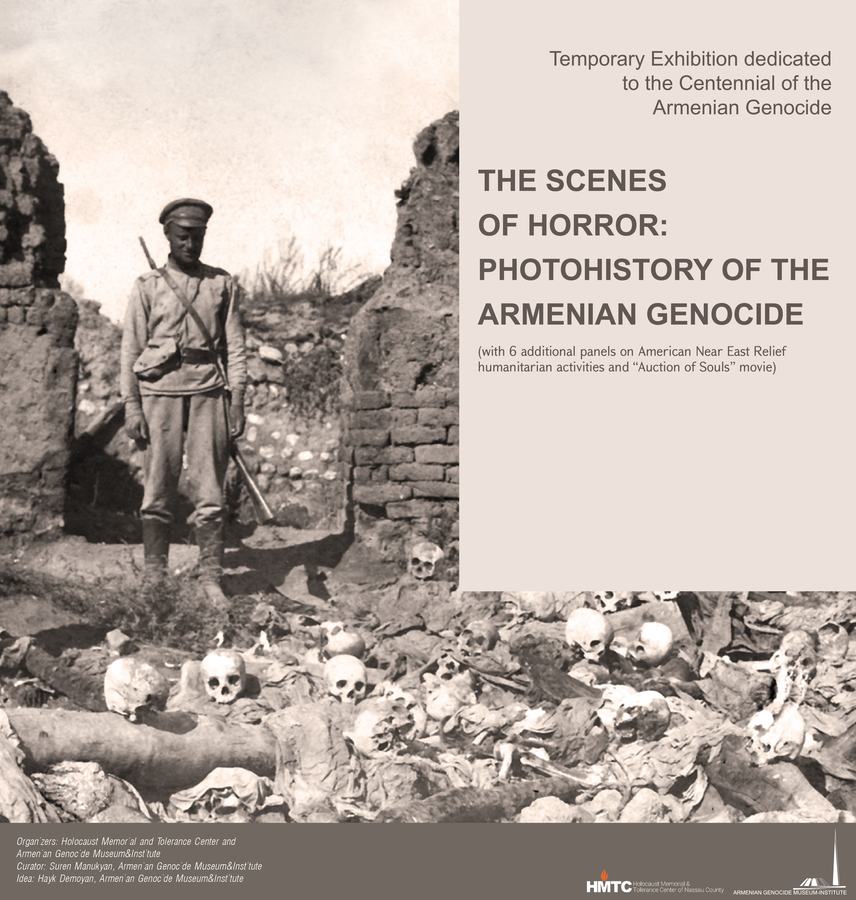
It was in America that her story, so profoundly shocking and urgent, caught the attention of humanitarians and filmmakers. The decision to adapt her experiences into a film, with Mardiganian herself starring as the protagonist, was unprecedented. This wasn't a professional actress interpreting a role; it was a survivor reliving her trauma for the camera, a decision born of an unwavering desire to expose the truth to a world that was, for the most part, either ignorant or complicit. The film was conceived not as entertainment, but as a powerful tool for advocacy, aiming to raise awareness and funds for Near East Relief, an organization dedicated to aiding the survivors of the genocide. This inherent purpose imbues every frame with a gravitas that few other films, then or now, can claim.
Watching Auction of Souls today, even in its tragically incomplete state—only fragments and still images survive—is an exercise in profound discomfort. The film eschews the romanticized melodrama common to many silent era productions, opting instead for a brutal, almost documentary-like realism. Mardiganian's performance isn't acting in the conventional sense; it’s an embodiment of memory, a re-enactment of her deepest wounds. The raw emotion etched on her face, the palpable terror in her eyes, are not the product of theatrical technique but of lived experience. This lends the film an authenticity that differentiates it sharply from contemporary dramas like The Blindness of Virtue or For Husbands Only, which explored social issues through a more conventional narrative lens. Here, the social issue *is* the narrative, personified by its victim.
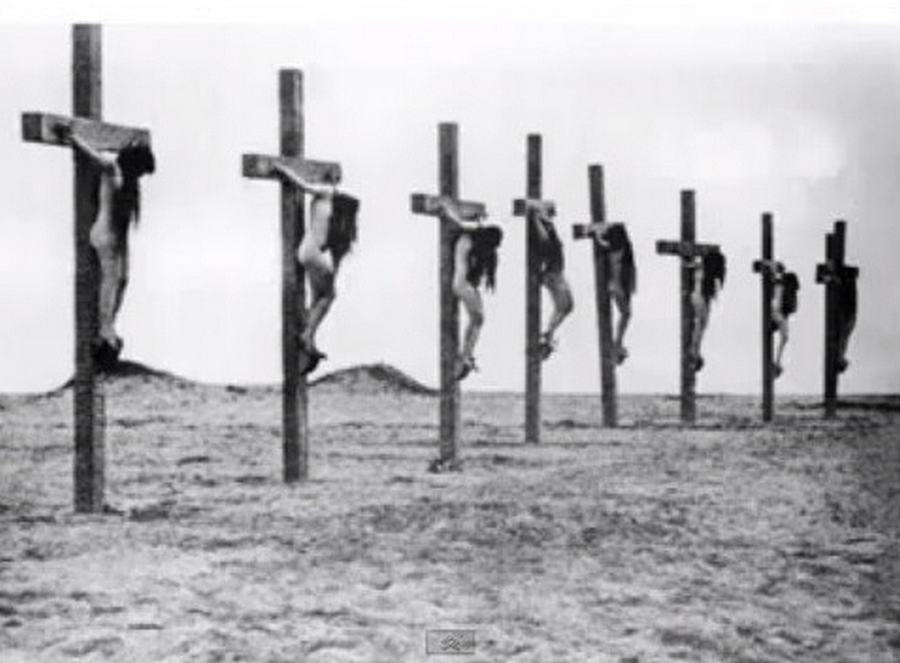
The film's most infamous sequence, the depiction of Armenian women being crucified, was reportedly based on Mardiganian's own eyewitness account of Turkish soldiers crucifying girls. This scene, horrifying even in its static photographic form, speaks volumes about the level of barbarity the film dared to portray. While some critics might debate the ethical implications of a survivor recreating her own trauma, the film’s creators and Mardiganian herself were driven by a singular, urgent mission: to make the world see. In an era before widespread photojournalism and television news, cinema was a potent, mass-reaching medium, capable of conveying powerful images and stories to millions. Auction of Souls leveraged this power not for escapism, but for a stark, unflinching confrontation with reality.
The Armenian Genocide occurred during World War I, a period of immense global upheaval. While nations were preoccupied with the Western Front, the Ottoman Empire systematically annihilated its Armenian Christian minority. Estimates suggest up to 1.5 million Armenians perished. Auction of Souls emerged at a crucial moment, as the war concluded and the world grappled with its aftermath, including the nascent understanding of large-scale atrocities. This film was an early, critical voice in a conversation that would, decades later, lead to the coining of the term 'genocide' itself. Its historical significance cannot be overstated; it was one of the first cinematic attempts to document and expose such a crime against humanity, preceding later, more widely known works on similar themes by decades.
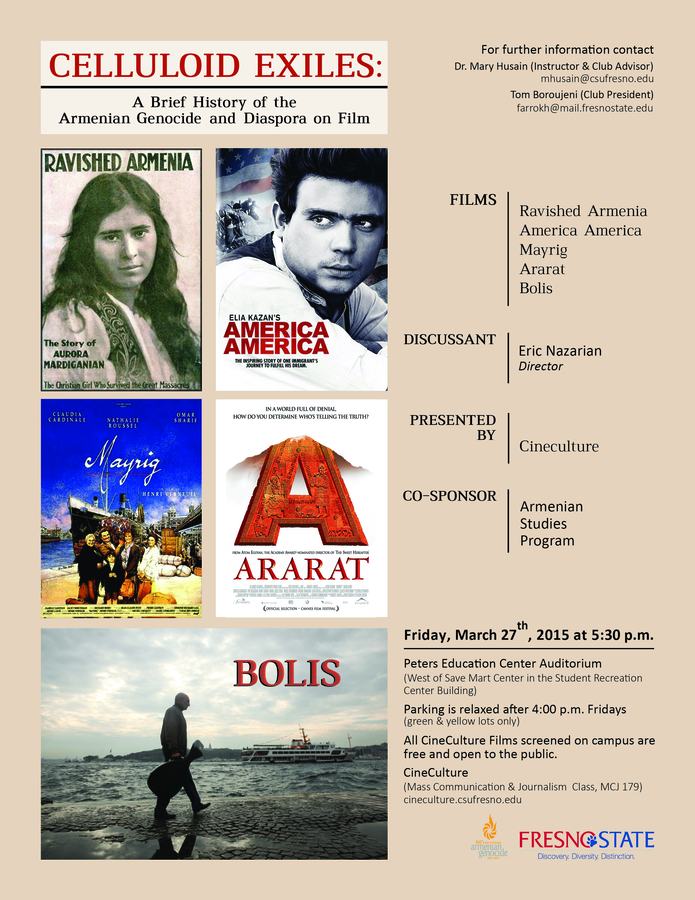
Comparing it to other films of its time, the sheer audacity of Auction of Souls stands out. While films like The Devil Dodger or A Marked Man offered escapist adventure or moralistic tales, Auction of Souls refused to avert its gaze from the abyss. Even films dealing with conflict, such as The Hostage, typically fictionalized or distanced the suffering. Here, the suffering is immediate, personal, and profoundly real. The film’s objective was not to entertain but to awaken, to stir the conscience of a world that was too often willing to look away.
Tragically, like many silent films, the complete version of Auction of Souls is largely lost to time. Only about 20 minutes of footage, along with numerous stills and Mardiganian's book, remain. This loss is not just cinematic; it's a loss of historical documentation, a further silencing of voices that struggled so desperately to be heard. The film's initial run was successful in raising significant funds for Near East Relief, fulfilling its primary mission. However, the emotional toll on Mardiganian was immense. Reliving her trauma repeatedly during filming and subsequent promotional tours proved overwhelming, leading to a nervous breakdown. This poignant detail underscores the immense personal sacrifice involved in bringing this story to the screen.
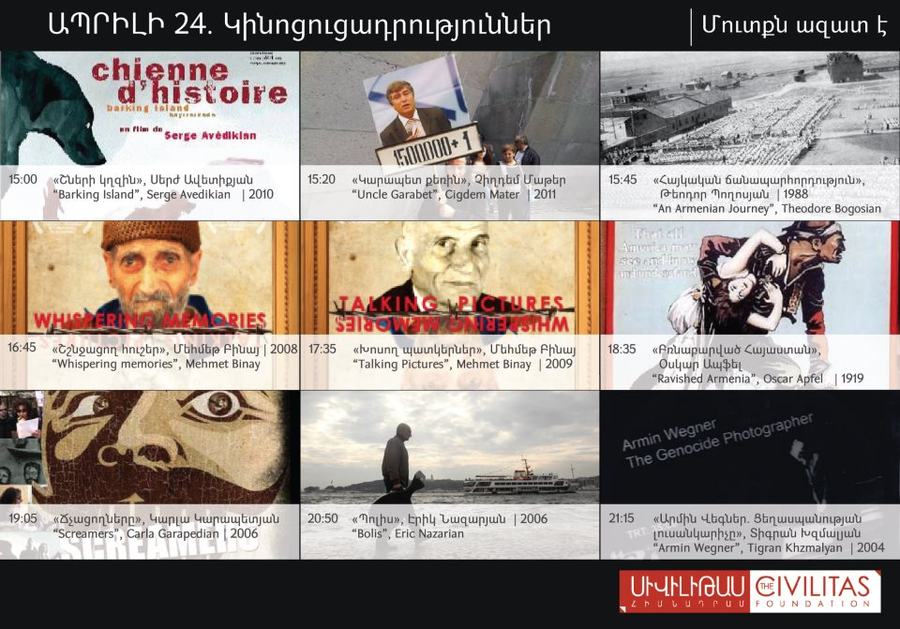
The surviving fragments, pieced together with Mardiganian's written account, paint a chilling picture. We see glimpses of the forced marches, the desperate pleas for mercy, the sheer scale of the human catastrophe. The film’s raw, unpolished aesthetic, often a critique for other films of the era, here serves to enhance its authenticity. It feels less like a polished production and more like a desperate cry for help, an urgent dispatch from the heart of darkness. This starkness contrasts sharply with the more stylized or genre-driven films of the period, such as the German production Der Kampf mit dem Drachen or the American Western Hands Down, which, while perhaps technically more refined, could not touch the raw emotional core of Mardiganian’s story.
The decision to have Aurora Mardiganian play herself was a stroke of genius, albeit one fraught with ethical complexities. It imbued the film with an unparalleled authority, transforming it from a mere dramatization into a living, breathing testimony. In an age of sensationalized news and often unreliable reporting, Mardiganian’s direct participation offered an irrefutable stamp of authenticity. Her presence on screen was a powerful counter-narrative to the Ottoman government's denial and obfuscation. It was an early, powerful example of using personal narrative in mass media for humanitarian advocacy, setting a precedent for countless documentaries and biopics that would follow.
The film's impact was immediate, drawing large audiences and generating significant discussion. It made the abstract horrors of the genocide tragically concrete for many Americans. While other films like The Buzzard's Shadow might have explored darker human impulses through fiction, Auction of Souls showed the true face of human depravity and the resilience of the human spirit in response. It was a stark reminder that while audiences might seek the escapism offered by films such as The Wanderer and the Whoozitt or Um Chá nas Nuvens, there were real-world tragedies unfolding that demanded attention and action.
Even in its fragmented form, Auction of Souls remains a profoundly important work. It is a cinematic monument to the victims of the Armenian Genocide and a tribute to the courage of survivors like Aurora Mardiganian, who dared to speak truth to power. Its message about the dangers of unchecked hatred and the importance of remembering history is as relevant today as it was a century ago. The film serves as a potent reminder that silence and denial only perpetuate cycles of violence. It underscores the vital role art, particularly cinema, can play in bearing witness, in preserving memory, and in advocating for justice.
The film, despite its age and incompleteness, speaks with an authority that transcends its technical limitations. It forces us to confront uncomfortable truths, challenging us to look beyond the flickering images to the real human suffering they represent. In an era where historical revisionism and denial continue to plague discussions of the Armenian Genocide, the very existence of Auction of Souls, and the story of Aurora Mardiganian, stands as an irrefutable counter-argument. It is a film that demands to be seen, not just by historians or film scholars, but by anyone who believes in the power of truth and the necessity of remembering the darkest chapters of human history. It reminds us that stories like Aurora's, though painful, are essential for our collective moral compass, guiding us away from the shadows that once engulfed a nation and threatened to silence its voice forever. It is a powerful, poignant, and absolutely essential piece of cinematic heritage, a testament to the enduring human spirit and a stark warning against the perils of indifference.
IMDb 6.6
1923
Community
Log in to comment.