DbcultAccessing Vault...
Cult Review
Senior Film Conservator
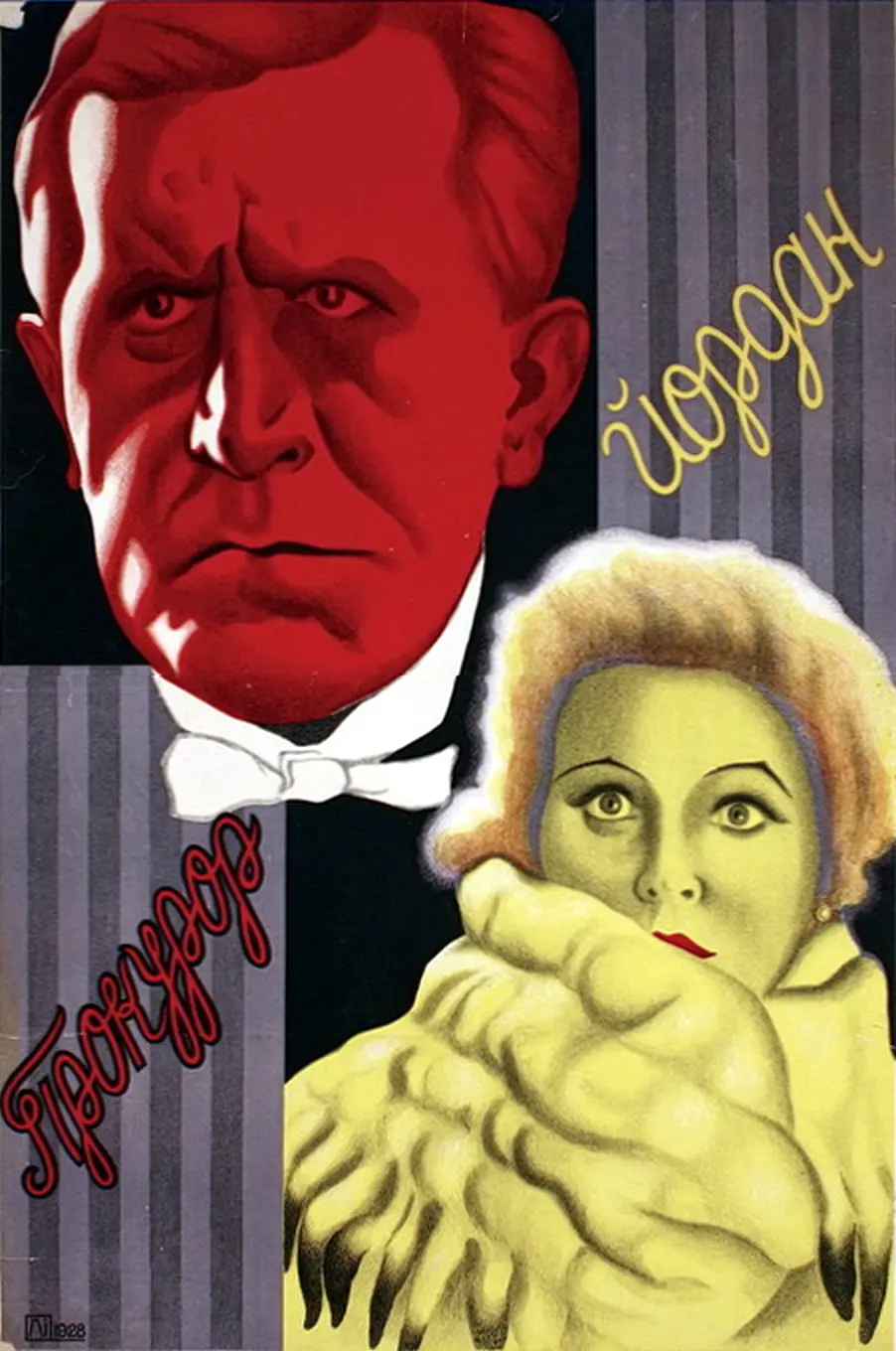
Is Staatsanwalt Jordan worth watching today? Short answer: Yes, provided you have the patience for the deliberate, heavy-handed moralizing that defined 1920s German social dramas. This is a film for those who appreciate the architectural beauty of silent cinema and the psychological weight of the 'legal thriller' before it became a genre of car chases and explosions. It is decidedly not for viewers who require rapid-fire editing or a clear-cut hero to root for.
This film works because of Alexander Murski’s monumental performance, which conveys a lifetime of repressed guilt through nothing more than the tightening of a jawline. It fails because the screenplay by Adolf Lantz and Hans Land occasionally becomes bogged down in legal minutiae that slows the second act to a crawl. You should watch it if you found the social commentary in Krähen fliegen um den Turm compelling or if you enjoy the brooding atmosphere of early European crime procedurals.
The 1920s in Germany was a period of intense cinematic experimentation, but Staatsanwalt Jordan chooses a path of austere realism over the wild expressionism of its contemporaries. Directorially, the film uses space to signify power. In the courtroom scenes, Jordan is often framed from a low angle, making him appear like a monolithic deity of justice. However, as the plot progresses and his personal life bleeds into his professional duties, the camera begins to crowd him. The walls feel closer. The shadows become longer. It is a visual representation of a man being trapped by the very structures he helped build.
Unlike the adventurous spirit found in The Sea Master, this film is stagnant by design. It wants you to feel the weight of the law. There is a specific scene where Jordan sits alone in his office, the desk lamp casting a harsh, unforgiving circle of light on the files before him. He looks at a photograph of his family and then at a legal brief. The silence in that moment—even in a silent film—is deafening. It captures the essence of the Weimar 'Sittengemälde' (painting of manners), where the private individual is always at the mercy of public expectation.
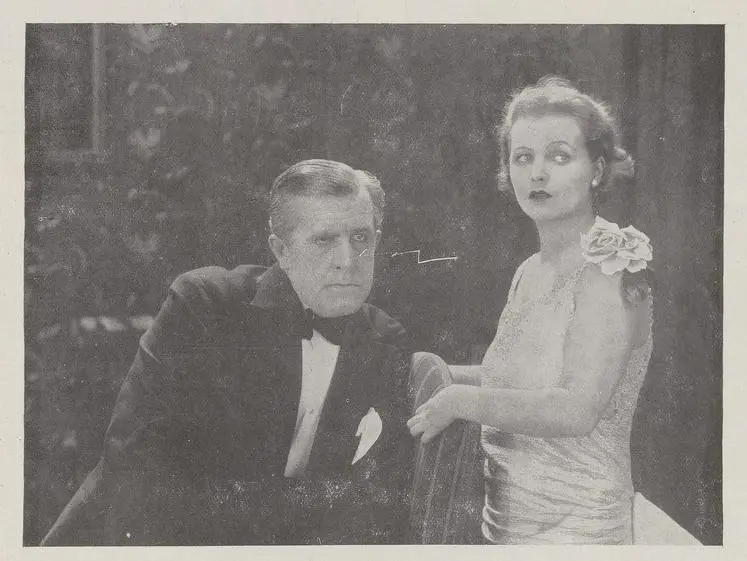
Alexander Murski does not act; he endures. His portrayal of Jordan is a masterclass in restraint. In an era where many actors were still relying on the exaggerated gestures of the stage, Murski understands the power of the close-up. There is a brutal simplicity to his face. When he realizes that the case he is prosecuting has direct ties to his own indiscretions, he doesn't weep or shout. He simply stops moving. For a full ten seconds, the screen is dominated by a man realizing his life is a lie. It is chilling.
The supporting cast, including Paul Henckels and Hans Mierendorff, provide a necessary contrast. Henckels, in particular, brings a touch of humanity to the otherwise cold proceedings. While films like Pals First rely on a certain charm, Staatsanwalt Jordan is fueled by a grim sense of duty. The interactions between Jordan and the defense are not just legal battles; they are philosophical debates about the nature of forgiveness in a society that rarely grants it.
If you are looking for a historical document that captures the anxiety of pre-war Germany, then yes. The film acts as a mirror to a society that was obsessed with order yet crumbling from within. It lacks the whimsical nature of Felix Goes West or the melodrama of Wienerbarnet, but it replaces those elements with a profound sense of gravity. It is a heavy watch, but a rewarding one for those who want to see how the legal thriller evolved.
The pacing is the film's biggest hurdle. Modern audiences might find the middle section, where the legal arguments are presented through lengthy intertitles, to be exhausting. Yet, this is where the film’s teeth are. It asks uncomfortable questions: Can a man who has sinned ever truly judge another? Is the law meant to protect people or to protect the state? These are questions that remain relevant, making the film feel less like a relic and more like a warning.
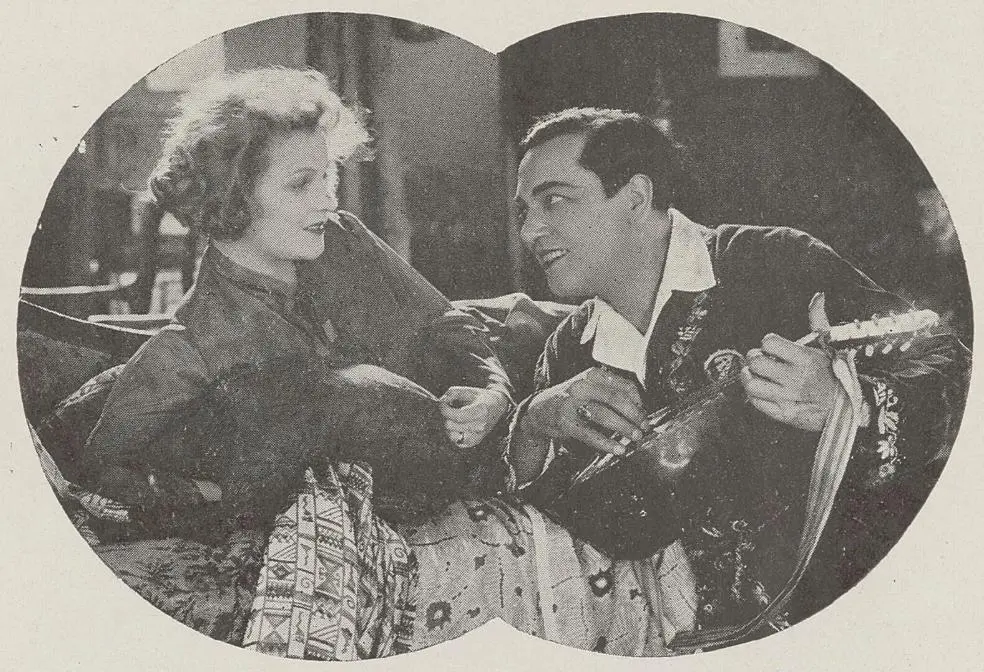
The cinematography by the uncredited camera team is surprisingly sophisticated. They use deep focus to show Jordan in the foreground while his world collapses in the background. It’s a technique that wouldn't be perfected until years later, but you can see the seeds of it here. The use of natural light in the domestic scenes creates a sharp contrast with the artificial, oppressive lighting of the court. It highlights the duality of Jordan’s existence.
Compared to the more experimental Mystic Faces, Staatsanwalt Jordan is conservative in its visuals. It doesn't use double exposures or distorted lenses. Instead, it relies on composition. Every shot is balanced, almost to a fault. This reflects Jordan’s own desire for balance and order. When the composition finally breaks in the final act, with tilted angles and chaotic framing, the effect is visceral. The world has literally tipped off its axis.
Pros:
- Exceptional lead performance that anchors the film.
- Strong thematic resonance regarding justice and morality.
- Precise, meaningful cinematography that enhances the narrative tension.
- A rare, grounded look at the Weimar legal system.
Cons:
- The secondary characters are often underdeveloped archetypes.
- The pacing in the second act is sluggish.
- Some moral conclusions feel dated by modern standards.
Staatsanwalt Jordan is a cold, calculated piece of filmmaking that demands much from its audience and gives back a haunting reflection of human fallibility. It is not an easy film to love, but it is an easy film to respect. It lacks the sentimentality of Egy fiúnak a fele or the simple morality of Sold at Auction. Instead, it offers a bleak, unblinking look at a man caught in the gears of his own making. It works. But it’s flawed. Much like the law itself, the film is a construction of rules and barriers that eventually give way to the messiness of reality. If you can handle the weight, it is a journey worth taking.
IMDb —
1921
Community
Log in to comment.