DbcultAccessing Vault...
Cult Review
Senior Film Conservator
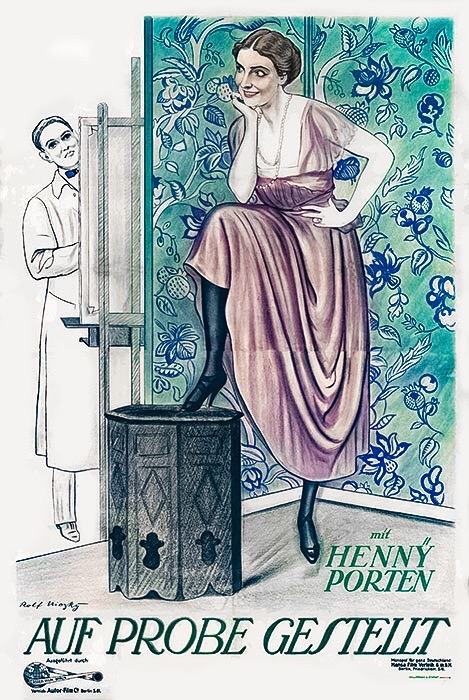
When we peer through the celluloid fog of 1918, we often expect to find either the harrowing shadows of the Great War or the nascent stirrings of Expressionism. Yet, Auf Probe gestellt (Put to the Test) offers something far more subversive in its elegance. It is a film that functions as a bridge between the Victorian-adjacent moralism of the early 1910s and the cynical, sharp-witted urbanity that would eventually define the roaring twenties. Directed by Rudolf Biebrach and penned by the legendary Robert Wiene, this work is a fascinating specimen of the 'Star-Film' era, built entirely around the luminous charisma of Henny Porten.
Before Robert Wiene plunged the world into the distorted, jagged landscapes of Dr. Caligari, he was a master of the structural comedy. In Auf Probe gestellt, his writing displays a surgical precision regarding social hierarchy. Unlike the overt melodrama found in The Woman in the Case, Wiene opts for a more delicate touch here. He constructs a narrative where the conflict isn't found in external villains, but in the friction between individual desire and collective expectation. The 'trial' of the title is a brilliant narrative engine; it allows the audience to witness the protagonist’s evolution through a series of increasingly absurd social hurdles, mirroring the actual demands placed upon women of the era.
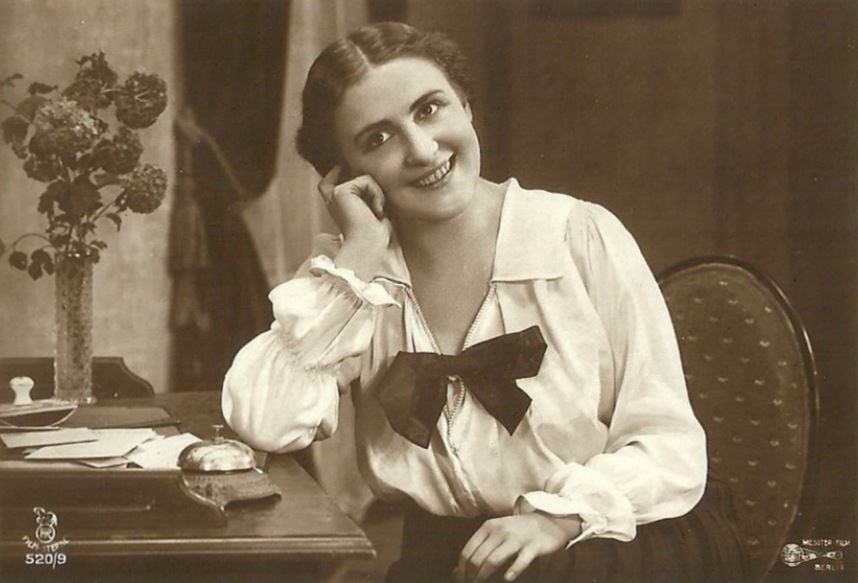
Henny Porten was not merely an actress; she was a cultural phenomenon, a symbol of German womanhood that managed to be both relatable and ethereal. In this film, her performance as Marlene is a masterclass in silent nuance. While many of her contemporaries were still relying on the exaggerated gesticulations of the stage, Porten understands the intimacy of the camera. Her reactions to the 'probationary' demands of her future family are played with a mix of bemused tolerance and quiet defiance. One might draw a parallel to the titular character in Teufelchen, but where that film leans into the 'little devil' archetype, Porten’s Marlene possesses a grounded dignity that makes her eventual triumph feel earned rather than accidental.
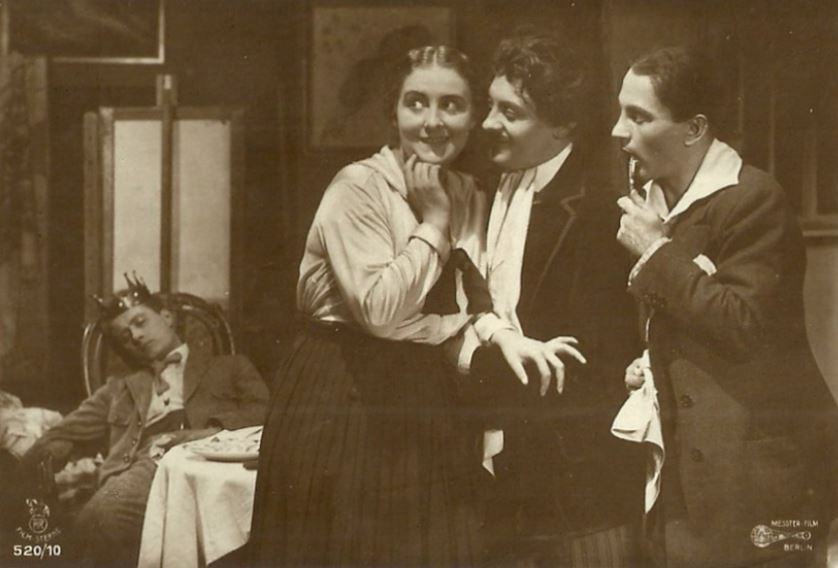
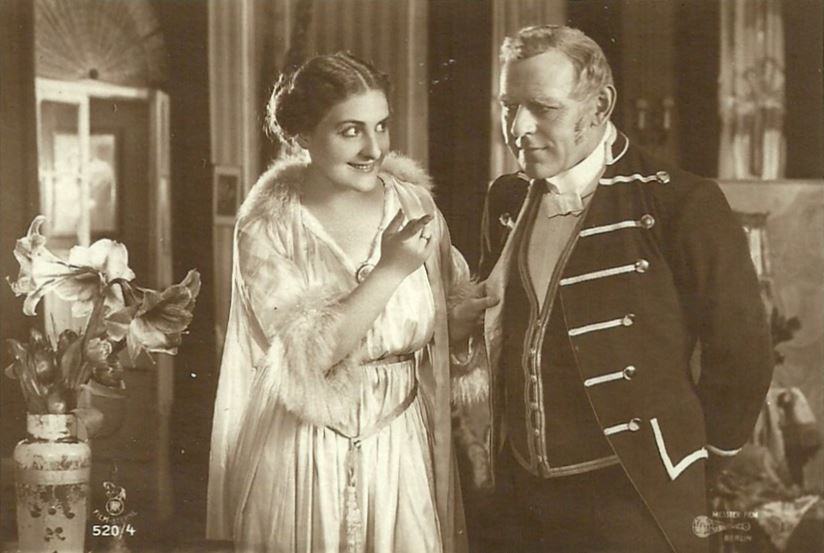
The ensemble surrounding Porten provides a rich tapestry of early 20th-century types. Reinhold Schünzel, who would later become a director of immense repute himself, brings a certain slickness to the screen that contrasts beautifully with the more earnest Hermann Thimig. Schünzel’s presence often introduces a hint of the 'new world'—a more transactional, less rigid social order. This interplay is far more sophisticated than the binary moral struggles seen in The Coward. Here, the 'villainy' is simply the inertia of tradition, represented by the older generation of actors like Rudolf Biebrach himself, who pulls double duty as director and performer.
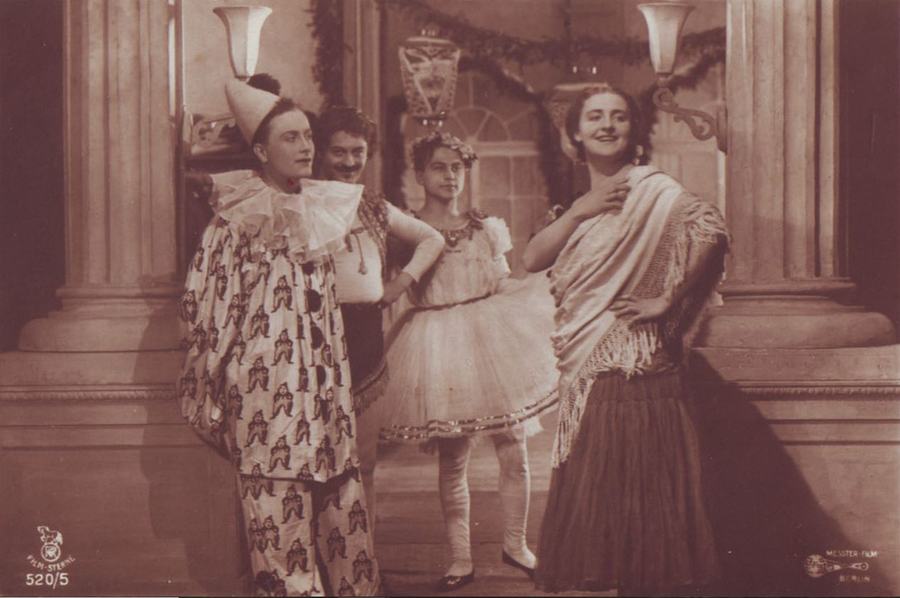
Biebrach’s direction is characterized by a formalist stability. He uses the architecture of the sets to emphasize Marlene’s entrapment. The high ceilings and heavy drapery of the aristocratic interiors feel almost as oppressive as the social rules she must follow. However, when the film moves into more transitional spaces, the camera seems to breathe. The lighting, while not yet reaching the chiaroscuro extremes of the 1920s, shows a burgeoning awareness of how shadow can define character. There is a specific scene involving a letter—a staple of silent cinema—where the framing focuses solely on the tension in Porten’s hands, a technique that predates the psychological depth we see in later works like At First Sight.
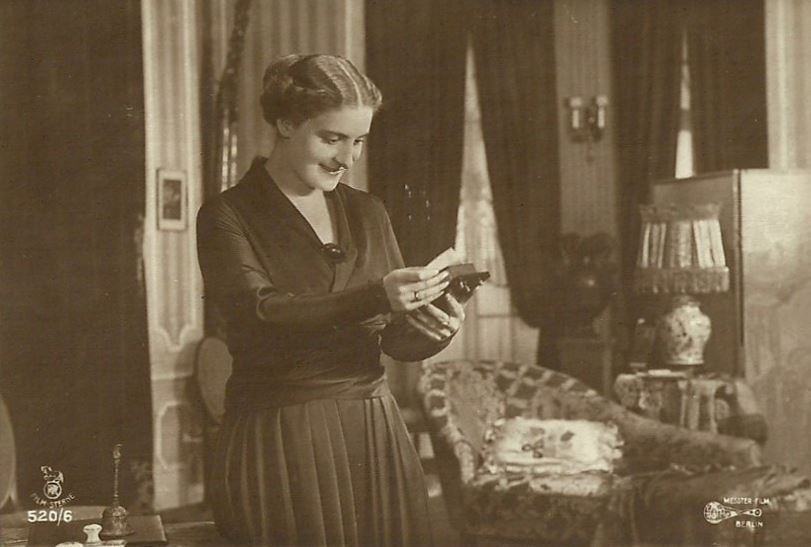
The concept of being 'put to the test' is a recurring motif in cinema, often used to validate a hero’s journey. In Auf Probe gestellt, however, the test is inherently flawed. The film subtly suggests that the judges are less moral than the judged. This thematic skepticism is what elevates it above contemporaneous American imports like Sunshine Nan or The Country Mouse. While those films often resolve with a simple integration into the status quo, Wiene’s script leaves a lingering sense that Marlene has outgrown the world that sought to measure her. She is not merely a 'country mouse' finding her way; she is a modern woman realizing the game is rigged.
To understand the impact of Auf Probe gestellt, one must look at the landscape of 1918. While The End of the World was exploring apocalyptic anxieties, Biebrach was focusing on the apocalypse of the domestic sphere. The stakes feel just as high because they involve the total erasure of a woman's personality in favor of a title. This film shares a certain DNA with Shirley Kaye in its depiction of a headstrong woman navigating high society, but the German approach is noticeably more melancholic, even in its comedic beats. There is no easy 'Ranson's Folly' style heroism here (Ranson's Folly); instead, we get a tactical maneuvering through the minefields of etiquette.
The costume design in the film deserves its own monograph. Porten’s wardrobe transition from the beginning of the film to the end serves as a visual shorthand for her psychological journey. Initially draped in fabrics that seem to swallow her, she eventually moves toward cleaner, more assertive lines. This visual storytelling is essential in a medium without spoken dialogue. It reminds us that every frame was a deliberate choice. The pacing, often a hurdle for modern audiences of silent film, is surprisingly brisk. Wiene’s background in theater ensures that the 'acts' of the film are clearly defined, preventing the narrative sagging that plagues other films of the period like The Highest Bid.
Ultimately, Auf Probe gestellt is a film about the gaze—how we look at women, how we judge them, and how they look back. When Marlene stares directly into the camera, it isn't just a stylistic quirk; it is a challenge. She is aware of her audience, both the one in the film and the one in the theater. This self-reflexivity is a precursor to the modern cinema. It lacks the brute force of A Child of God, but it possesses a sharper intellectual edge. It asks us to consider the 'probes' we put people through today. Are we any less rigid than the aristocrats of 1918? The film’s enduring power lies in that very question.
In the vast catalog of silent cinema, it is easy for a film like this to be overshadowed by the giants of Expressionism or the slapstick of Hollywood. However, to ignore Auf Probe gestellt is to ignore a vital piece of the cinematic puzzle. It represents a moment of precarious balance—a world on the brink of total transformation, captured with wit, beauty, and a surprising amount of heart. Whether you are a scholar of Robert Wiene or a devotee of Henny Porten, this film offers a rich, rewarding experience that transcends its century-old origins. It is a testament to the fact that even when society puts us to the test, the most important thing is to remain true to the self, a theme as resonant now as it was in the flickering light of 1918. It stands far above the mere genre exercises like The Rattlesnake or the procedural monotony of Perils of the Secret Service, asserting itself as a work of genuine artistic merit.
Note: This film remains a crucial study in the transition of German cinema from imperial entertainment to psychological art. Its restoration and continued study are essential for understanding the roots of European film history.
IMDb 7.3
1934
Community
Log in to comment.