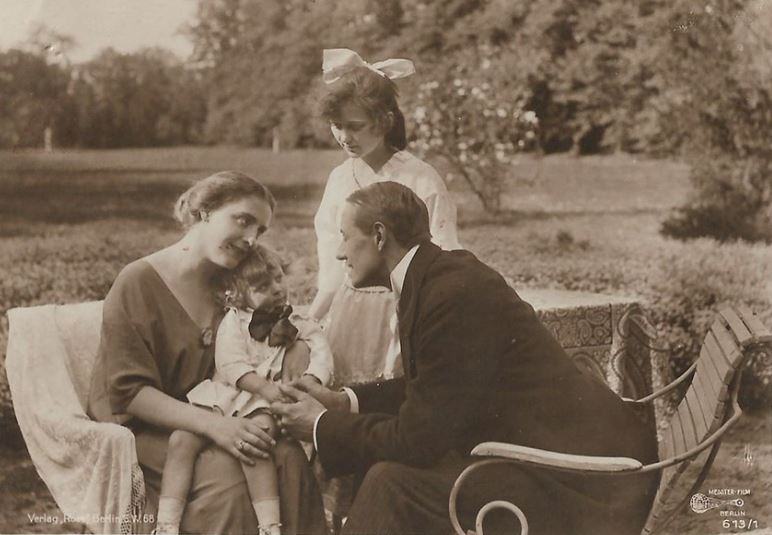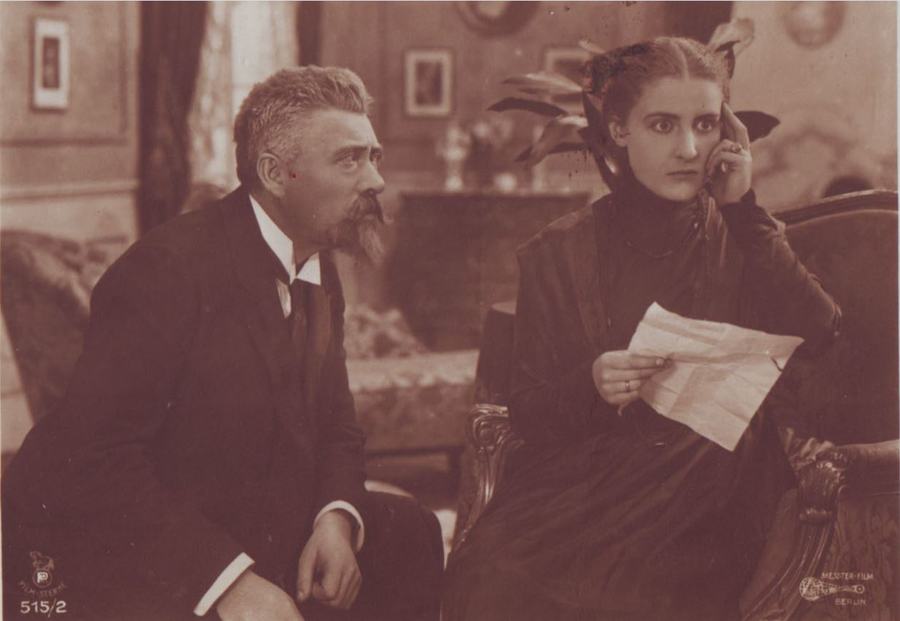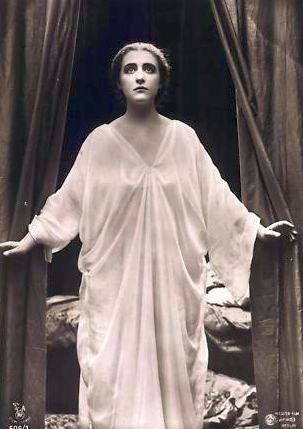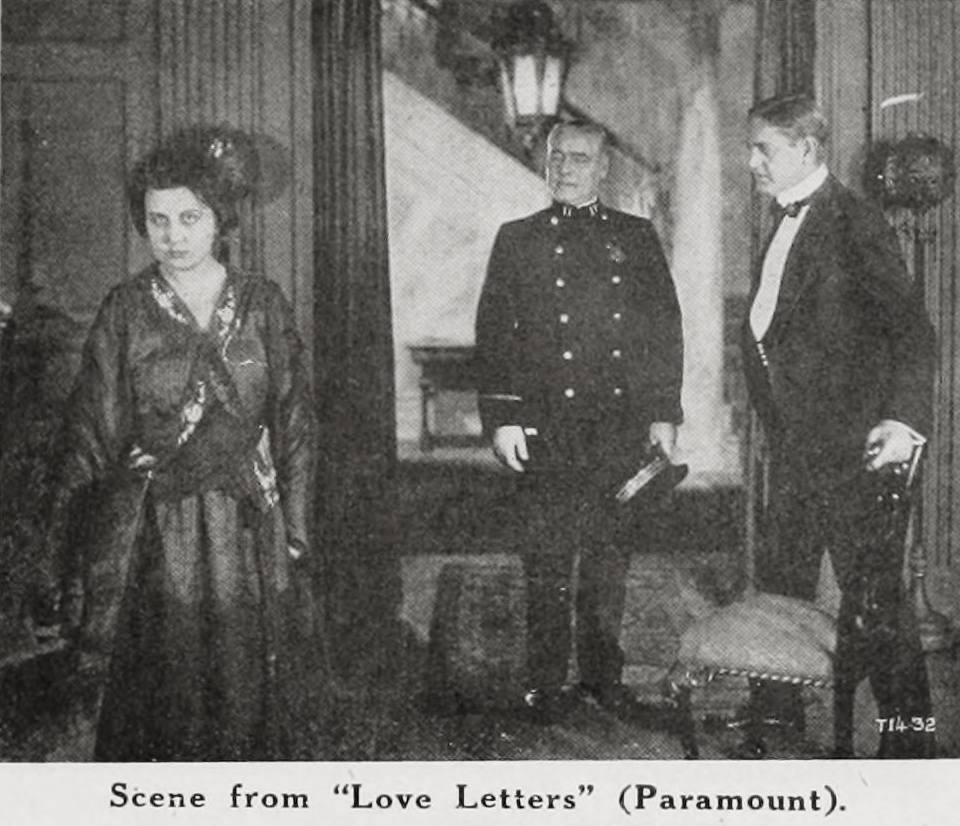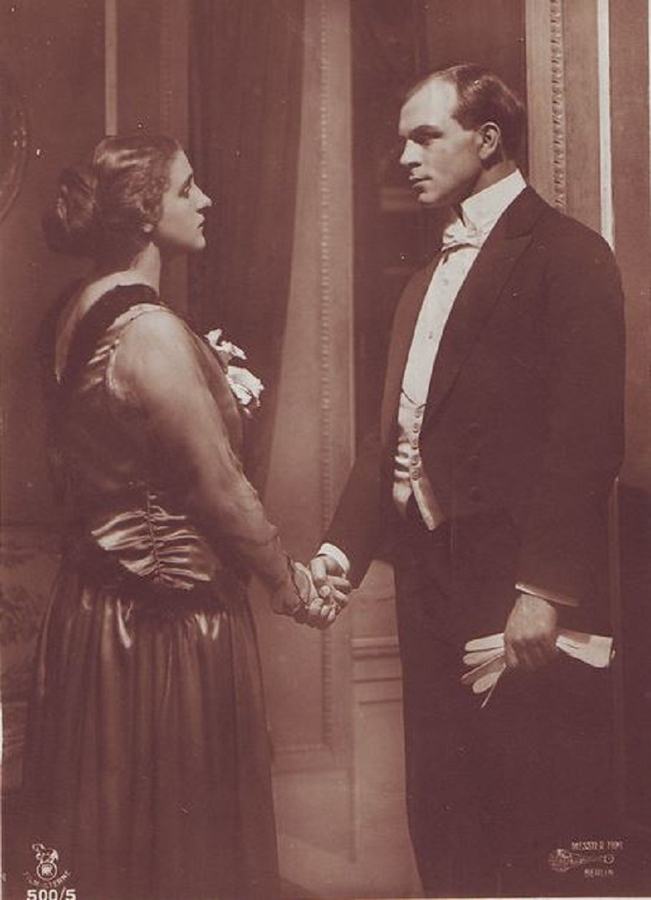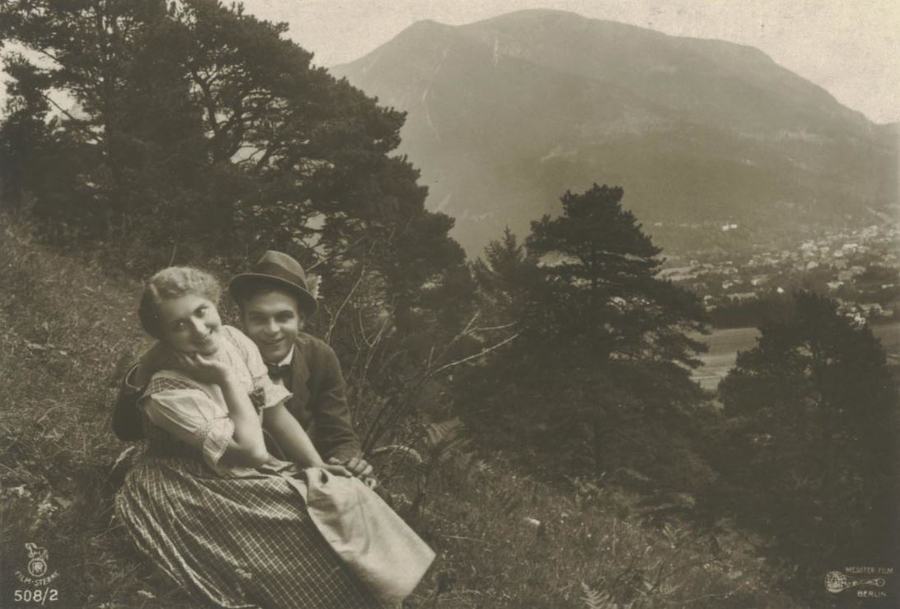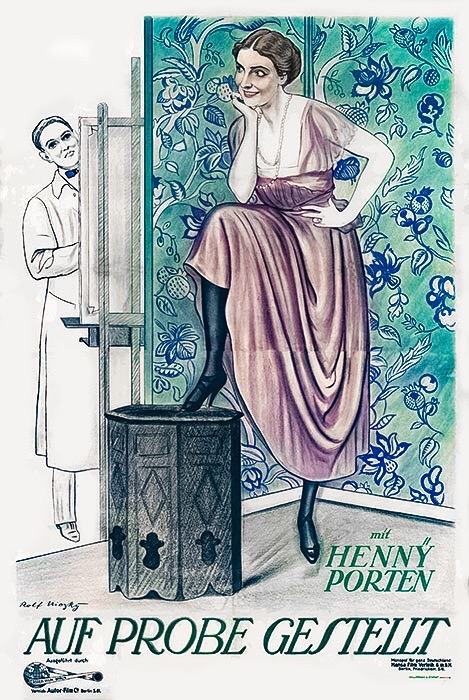
When we peer through the celluloid fog of 1918, we often expect to find either the harrowing shadows of the Great War or the nascent stirrings of Expressionism. Yet, Auf Probe gestellt (Put to the Test) offers something far more subversive in its elegance. It is a film that functions as a bridge between the Victorian...

still_frame
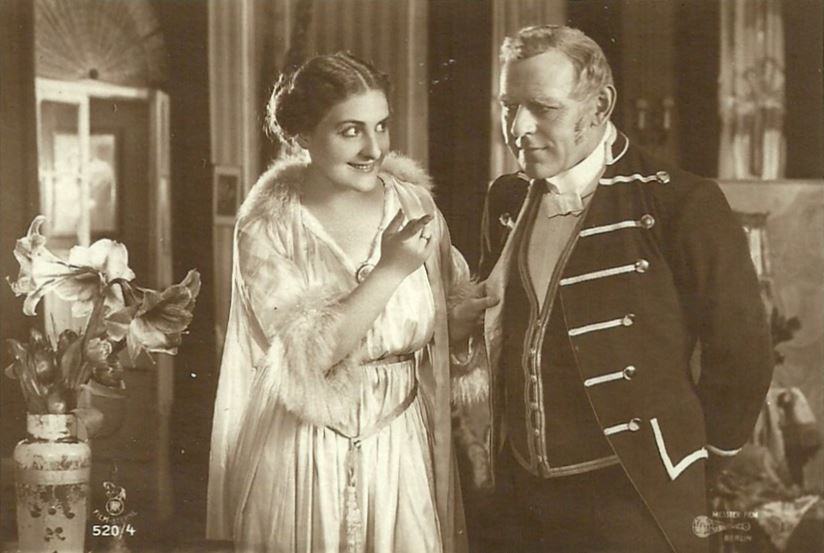
still_frame
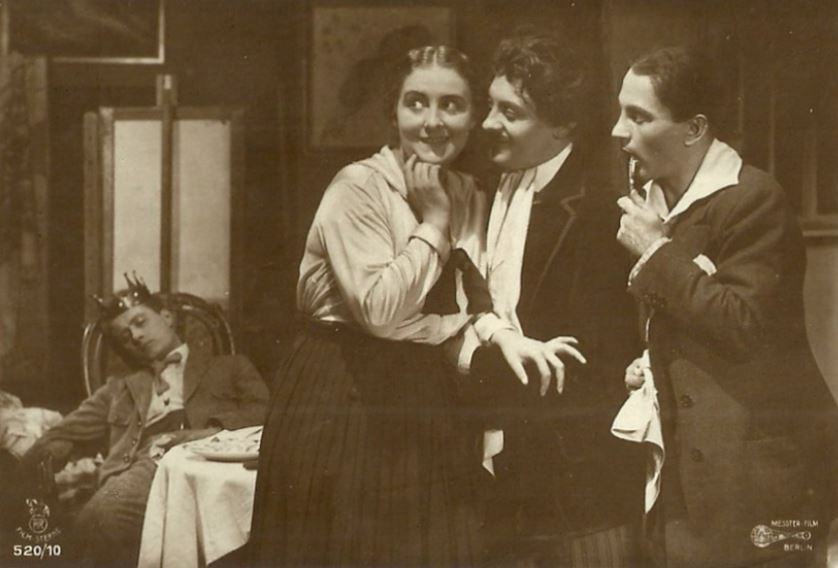
still_frame
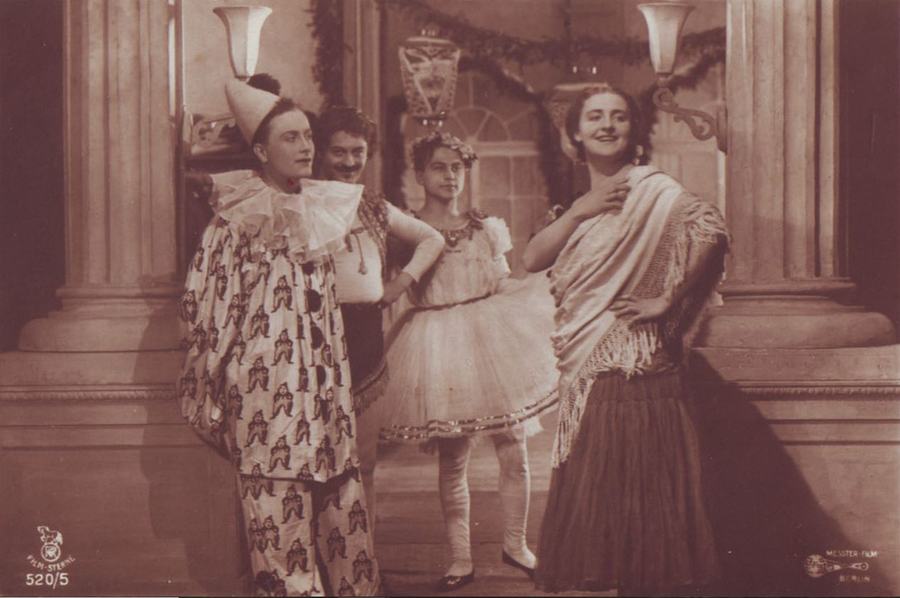
still_frame
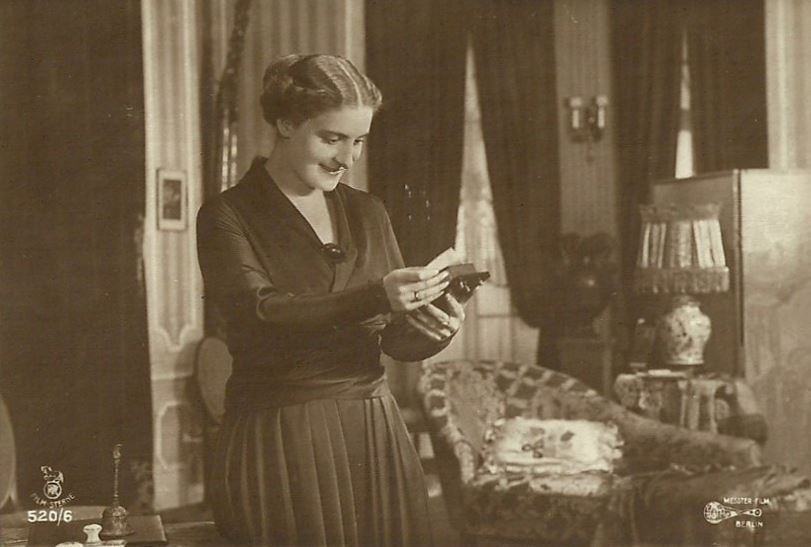
still_frame
Comparing the cinematic DNA and archive impact of two defining moments in cult history.
Rudolf Biebrach
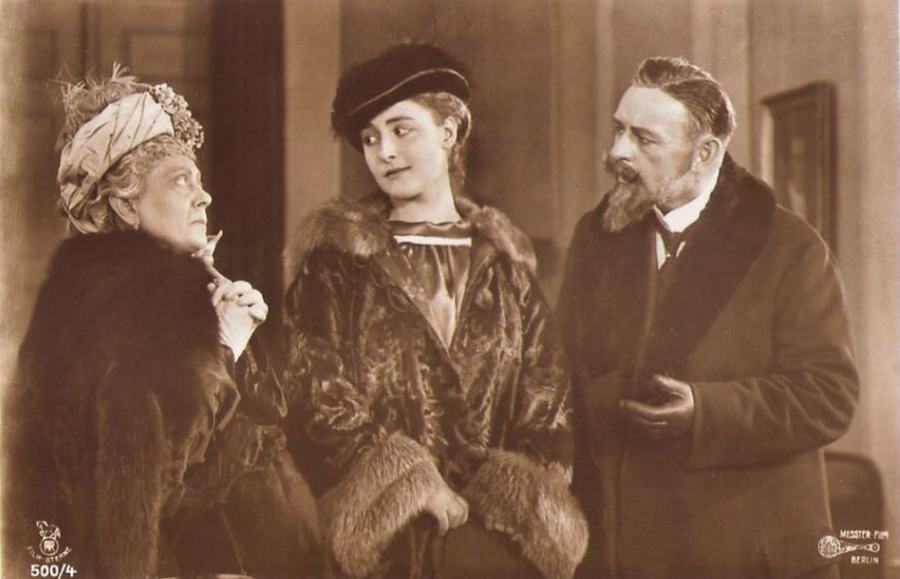
Rudolf Biebrach
Community
Log in to comment.
" When we peer through the celluloid fog of 1918, we often expect to find either the harrowing shadows of the Great War or the nascent stirrings of Expressionism. Yet, Auf Probe gestellt (Put to the Test) offers something far more subversive in its elegance. It is a film that functions as a bridge between the Victorian-adjacent moralism of the early 1910s and the cynical, sharp-witted urbanity that would eventually define the roaring twenties. Directed by Rudolf Biebrach and penned by the legend..."

Deep dive into the cult classic
Discover similar cinematic experiences
A Directorial Spotlight on Rudolf Biebrach