DbcultAccessing Vault...
7.1/10
Senior Film Conservator
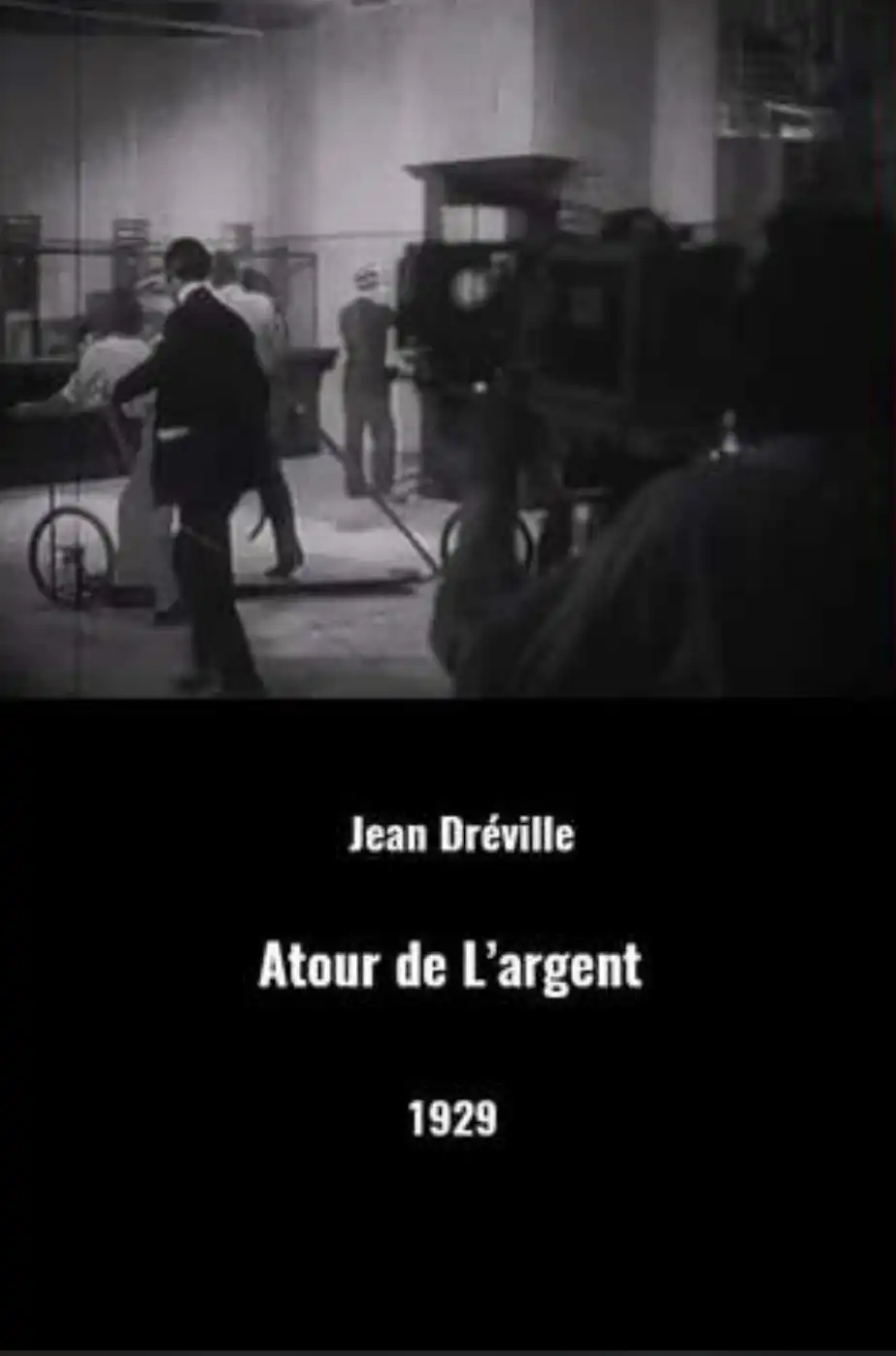
A definitive 7.1/10 rating for a film that redefined the boundaries of cult cinema. Autour de l'argent remains a cornerstone of transgressive art.
If you're someone who loves pulling back the curtain on how movies get made, especially the really old, intricate ones, then Autour de l'argent is absolutely worth digging up. It's a goldmine for film students, historians, or just folks who get a kick out of seeing old-school ingenuity. If you're hoping for explosions or snappy dialogue, you'll probably be bored stiff, but for the rest of us, it's a quiet treat. 🧐
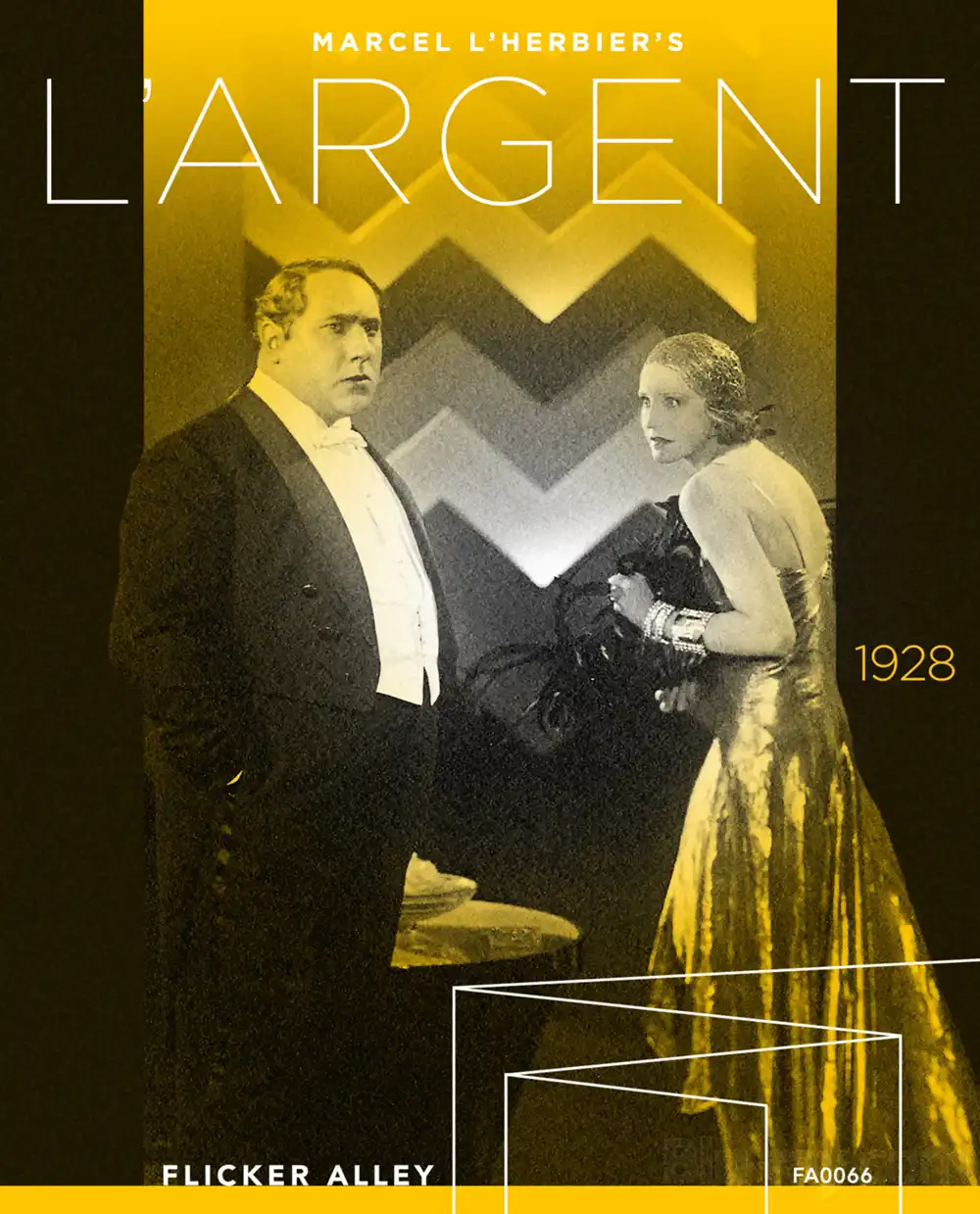
This isn't really a movie you watch for a plot. It's a documentary, directed by Jean Dréville, all about how Marcel L'Herbier made his big silent epic, L'argent. And wow, did they make movies differently back then.
The first thing that hits you is the sheer *scale* of everything. They built these gigantic sets, like a full-on stock exchange. You see all the scaffolding and temporary walls, but then you see how it all comes together. Imagine building all that, just for a few scenes. It’s pretty wild.
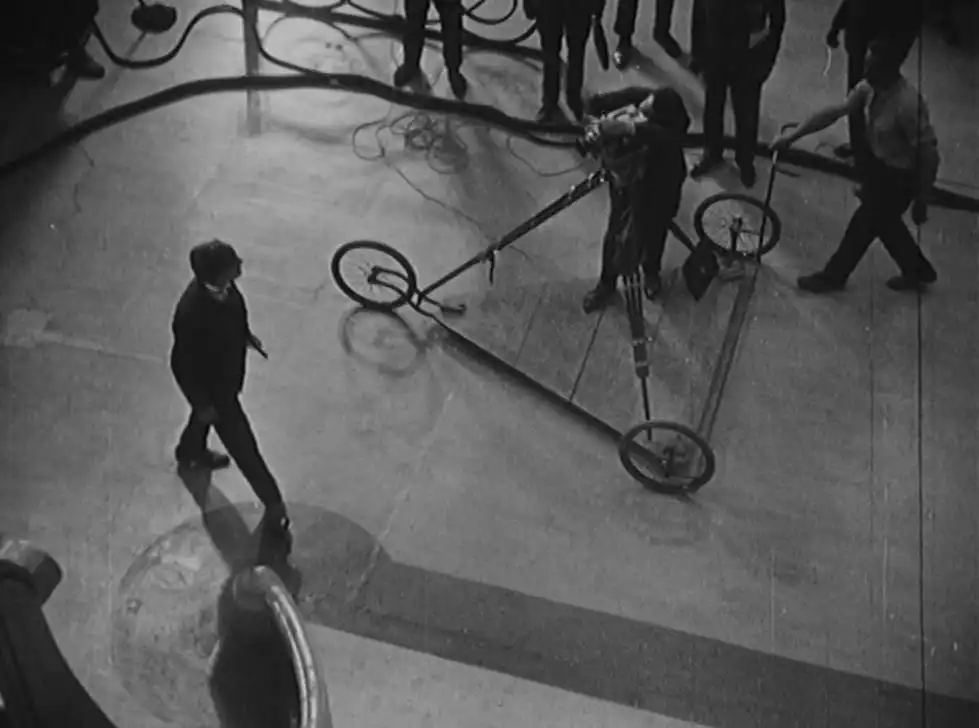
Then there's the cameras. Not the tiny things we have now. These were behemoths, huge wooden boxes on wheels, or sometimes on these elaborate track systems. The amount of guys needed to just push one of these things, *keeping it smooth*, that's kinda mind-boggling, actually.
There's this one sequence, it must go on for a good five minutes, showing the crew setting up a crane shot. They're lifting the camera, adjusting the counterweights, yelling instructions. It feels a bit long, but then you realize the *effort* involved. It’s not just a quick flick of a button.
You can hear the clanking of equipment, hushed voices. It's not a perfectly mixed soundtrack, it feels raw. Like you're actually standing there on the set, just watching it all happen. That's a nice touch.
I kept thinking about the lighting too. All these huge arc lamps, they must have been so hot. And loud! It really brings home how much physical discomfort was probably part of the job. No air conditioning on a soundstage back then, I bet.
There's a fleeting moment where a stagehand almost trips over a track. It's just a blink-and-you-miss-it thing, but it humanizes the whole process. These weren't perfect machines; these were people, doing really hard, physical work.
The film doesn't try to over-explain things. It shows you the setup, maybe a bit of the filming, and then you're on to the next challenge. It trusts you to put the pieces together. It's less a lecture, more like an observation. 🧐
It's interesting too, how they used reflections and mirrors for some effects. Like, a simple trick, but executed with such precision. It makes you appreciate the cleverness of these early filmmakers, without relying on digital magic.
Sometimes the footage itself feels a little, I don't know, *unpolished*? Like it was just shot quickly to document. But that’s actually its charm. It feels less like a slick production and more like a genuine artifact, a time capsule. This wasn't made to be a blockbuster documentary.
You see L'Herbier himself, often in the thick of it, not just standing back. He's directing, gesturing, totally immersed. It’s a good look at the director as a hands-on craftsman, almost an engineer.
If you've ever watched L'argent, this doc makes you go back and watch it again, but with completely different eyes. You'll be looking for those specific camera moves, wondering *how* they did that shot. It really adds a layer to the original film.
It’s a quiet film, for sure. You gotta be in the mood to just *watch* and absorb. But if you are, it’s a fascinating window into a time when movies were still figuring themselves out, one heavy camera push at a time. A nice little gem, really! ✨
IMDb 5.4
1924
Community
Log in to comment.