DbcultAccessing Vault...
4.1/10
Senior Film Conservator
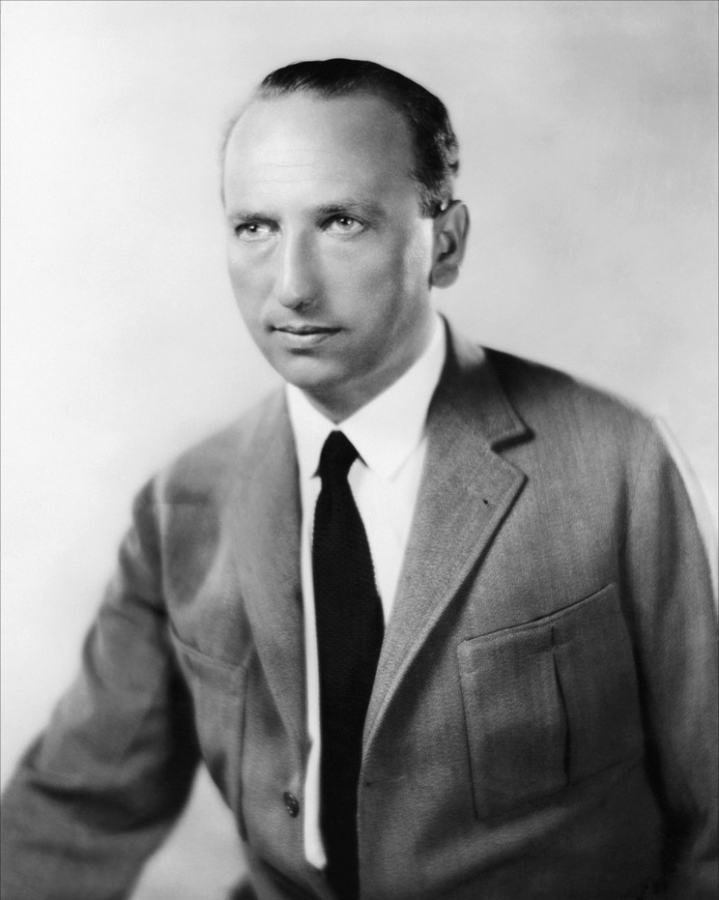
A definitive 4.1/10 rating for a film that redefined the boundaries of cult cinema. Az éjszaka rabja remains a cornerstone of transgressive art.
Az éjszaka rabja is not merely a film; it is a séance conducted on nitrate, a celluloid confession that smells of incense and gunpowder long after the projector bulb cools.
Curtiz’s camera glides through 1914 Budapest the way a pickpocket’s fingers glide along a waistcoat—nimble, intimate, never innocent. The director, then twenty-six and still called Mihaly Kertész, already understood that shadows could be hired actors: they lengthen, shrink, conspire, testify. Take the sequence where János slips across the Liberty Bridge: the iron lattice throws a net of moonlight upon the water, and for a heartbeat the river itself appears shackled. No intertitle is needed; the image indicts.
Shot on leftover sets from a cancelled operetta, the picture reeks of make-do grandeur. Velvet drapes double as palace walls; a pawnshop mirror, cracked, becomes a cathedral rose-window when back-lit. Yet Curtiz turns poverty into poetry: he smears petroleum jelly on the lens so gaslight haloes bloom like malignant flowers, and threads cigarette smoke through off-camera bellows to conjure ectoplasmic fog. Compared to the baroque excesses of Sangue blu or the pastoral naïveté of Pilgrim’s Progress, this austerity feels almost punk—an ur-text for the scrappy noir that would crawl out of post-war Europe three decades later.
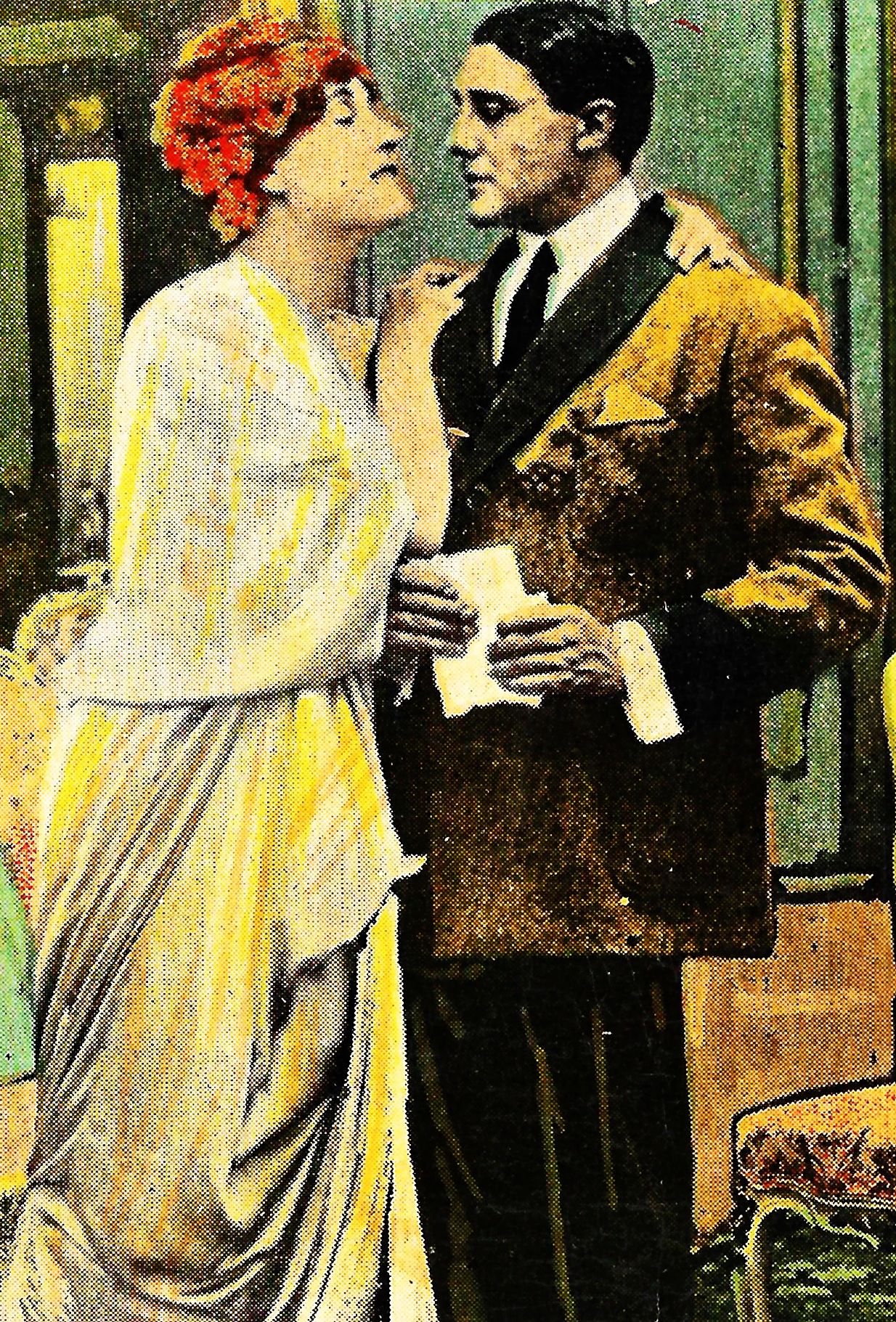
Sándor Góth’s János carries himself like a man who has memorized the score of his own ruin. Watch his shoulders: when he plays, they ascend toward his ears, a private shrug that says yes, I know this is counterfeit grace. In repose, they slope downward as if hinged by guilt. Opposite him, Ica von Lenkeffy’s Countess operates in minor keys of languor; her eyelids droop half-mast, the better to survey the world through the veil of her own lashes. Together they enact a pas de deux of mutual exploitation that feels startlingly modern, closer to Sumerki zhenskoy dushi’s toxic intimacy than to the moral absolutism of Volunteer Organist.
Original screenings boasted a live orchestra pounding out a pastiche of Liszt and Roma laments. Archival notes reveal that prison scenes were underscored by a single timpani heartbeat—thud… thud…—until János escapes, whereupon violins scramble like starlings. Today, most prints survive mute, and the absence amplifies every creak of chair, every shuffle of contemporary audience. Silence becomes the film’s second cinematographer, carving negative space around gestures so that even a blink feels thunderous.
Writers Iván Siklósi and Imre Roboz lace the script with sacrilegious irony. János steals a priest’s collar to pass checkpoints; later, the same collar serves as tourniquet when the Countess slits her wrist in a fit of weltschmerz. The church’s Stations of the Cross mirror János’s own via dolorosa through the city: the eighth station—Jesus meets the women of Jerusalem—is rhymed with a shot of streetwalkers jeering the fugitive. Curtiz, himself a Sephardic Jew, stages Catholic ritual with anthropological detachment, suggesting that salvation is just another con game—albeit one with better lighting.
Released the same year Europe began its march toward the Marne, the film vibrates with pre-apocalyptic dread. Newspapers visible on-screen bear headlines about Archduke Franz Ferdinand’s upcoming visit to Sarajevo; audiences in June 1914 chuckled at the anachronism, unaware history was rehearsing its own assassinations. Today those broadsheets read like prophecy, and János’s incarceration feels like a microcosm of a continent shackling itself to nationalist folly. Compare that to the jingoistic certitudes of On the Fighting Line or the imperial nostalgia of 1812; Az éjszaka rabja offers no drum, only threnody.
The Countess wields her widowhood like a passport through male spaces: she spars with generals over schnapps, purchases a night’s worth of János’s freedom with a single emerald earring, and ultimately negotiates his surrender to the police—an act framed not as betrayal but as tough love. In a cinematic era when women were usually trussed to tracks, her agency feels brazen, even subversive. Yet the film refuses to crown her proto-feminist; in the epilogue she fondles the empty earring hole, discovering that power extracted at patriarchal discount always leaves a scar.
Critics in Vienna praised the picture as “Kafkian before Kafka,” but distribution collapsed when the Balkan powder keg exploded. Prints vanished into military requisitions; nitrate was melted down for silver to fund field hospitals. Only one 35 mm negative resurfaced in a Zagreb basement in 1968, water-logged and spliced with Croatian newsreels. Restoration teams spent decades reconstructing continuity, interpolating stills and translated intertitles. The result is a ghost version—20 minutes longer than the original, yet nobody can swear which frames are authentic. Paradoxically, this palimpsest quality deepens the film’s mystique: every viewing is archaeology.
Curtiz would go on to orchestrate the fog of Casablanca, but here, in the Danube’s sulfurous haze, he learned that romance and rot share the same bloodstream.
As of 2024, a 2K restoration streams on the Criterion Channel with optional Hungarian intertitles and English subtitles. A 4K Blu-ray is rumored for October, paired with Die Insel der Seligen for a Curtiz-before-California double feature. Purists should chase the occasional repertory screening: the film breathes differently when accompanied by a live trio improvising Bartók fragments.
Az éjszaka rabja will not hold your hand toward catharsis; it drops you into a labyrinth whose Minotaur is your own capacity for moral relativism. Yet the journey is so electrically alive—every frame crackles like a Tesla coil—that you exit exhilarated rather than annihilated. In an age when algorithmic capes dominate multiplexes, this centenarian shivers with more dangerous voltage than any CGI apocalypse. Watch it when the city outside your own window grows quiet, when the streetlights start to resemble footlights, when you can almost hear a violin tuning itself somewhere beneath the pavement. Then raise a glass of pálinka to Curtiz, who proved that captivity—whether of body, nation, or celluloid—can still sing in the key of moonlight.
IMDb —
1918
Community
Log in to comment.