DbcultAccessing Vault...
6.1/10
Senior Film Conservator
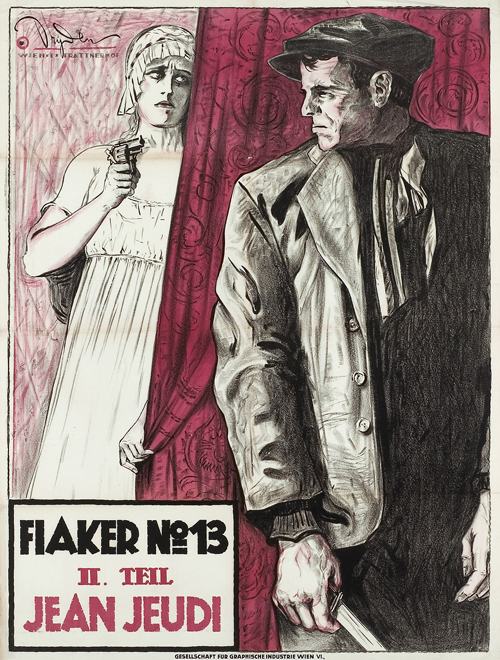
A definitive 6.1/10 rating for a film that redefined the boundaries of cult cinema. Il fiacre n. 13 remains a cornerstone of transgressive art.
Stepping back into the annals of early cinema, one often encounters narratives that, despite their age and the constraints of the silent era, resonate with a profound, almost primal intensity. Il fiacre n. 13 is precisely such a film, a stark, unsettling journey into the darkest corners of human ambition, manipulation, and moral decay. It’s a work that, even a century later, manages to grip the viewer with its audacious plot and the sheer force of its visual storytelling. This isn't just a historical curiosity; it's a testament to the enduring power of dramatic narrative, delivered through the expressive faces and grand gestures characteristic of the period.
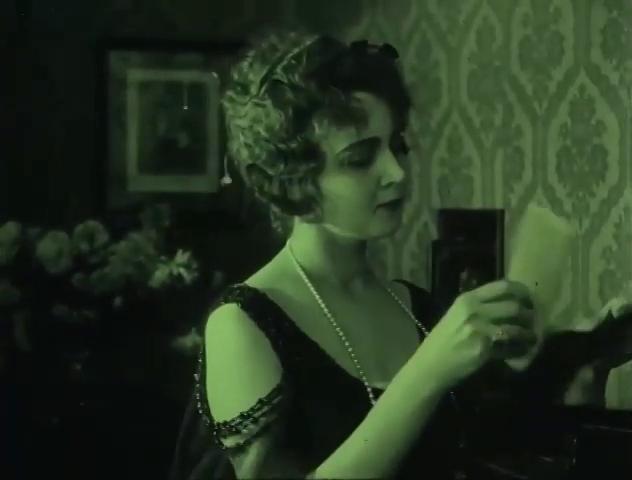
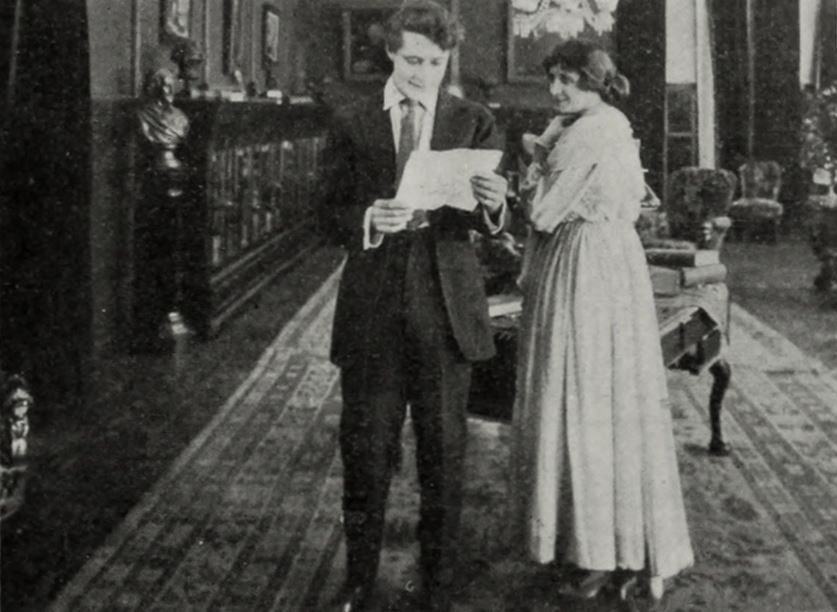
At its core, Il fiacre n. 13 is a chilling exploration of how unchecked desire can unravel a man's life and lead him down a path of unspeakable depravity. We are introduced to Giorgio De Latour Vaudieu, portrayed with a compelling blend of weakness and arrogance by Alberto Capozzi. Giorgio is not inherently evil, but rather a man fatally susceptible to external pressures, particularly those exerted by his mistress, Claudia Varny. Helena Makowska embodies Claudia with a magnetic, almost predatory allure, a woman whose beauty and charm mask a ruthless, calculating mind. It's a classic femme fatale archetype, yet rendered with a silent intensity that makes her all the more terrifying. Her extravagant tastes are the initial catalyst, draining Giorgio's finances and plunging him into a spiral of debt. This isn't just about money; it's about status, about maintaining a façade of wealth and power that Giorgio can no longer afford, an all-too-human flaw that sets the stage for his catastrophic downfall.
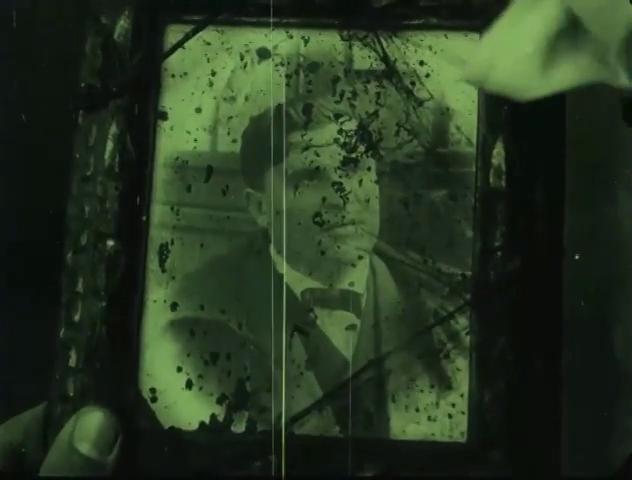
The narrative truly darkens when Giorgio is disinherited, his family's legacy bypassing him in favor of his brother. This moment of profound humiliation and financial ruin serves as the turning point. Claudia, ever the opportunist, sees not an end, but a new, more sinister means to an end. Her insidious suggestion to eliminate both Giorgio's brother and his young son is a masterstroke of villainy, a testament to her cold-blooded pragmatism. What makes this particularly unsettling is Giorgio's acquiescence. He doesn't resist with the moral fortitude one might hope for; instead, he succumbs, his desperation overriding any lingering sense of familial duty or basic human decency. This moral compromise is the film's beating heart, a stark portrayal of how quickly a man can abandon his principles when cornered by greed and the influence of a manipulative partner.
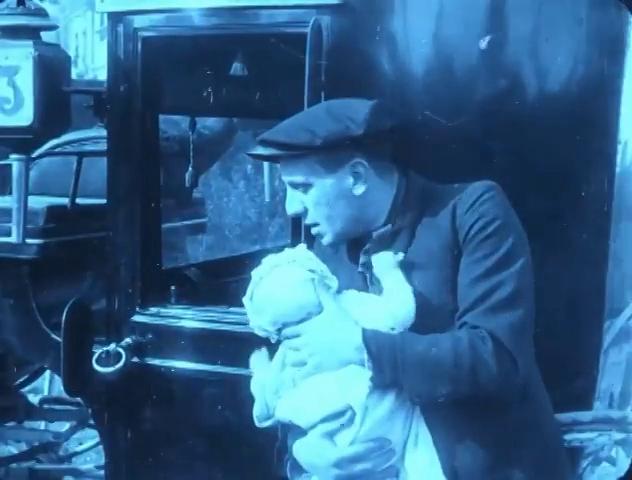
The execution of the plot is where the film introduces a sliver of unexpected humanity into its dark tapestry. The hired assassin, a figure usually devoid of empathy in such tales, spares the child. This act of mercy, whether born of a sudden pang of conscience or a professional code, introduces a profound element of dramatic irony. The child, a living reminder of the horrific act, becomes a silent ticking clock, a future reckoning for Giorgio and Claudia. It's a narrative device that elevates the story beyond simple crime, imbuing it with a sense of impending doom and the inescapable consequences of one's actions. The fiacre, the anonymous carriage, becomes a symbol of this clandestine violence, carrying secrets and shadows through the city streets, a silent witness to the unfolding tragedy.
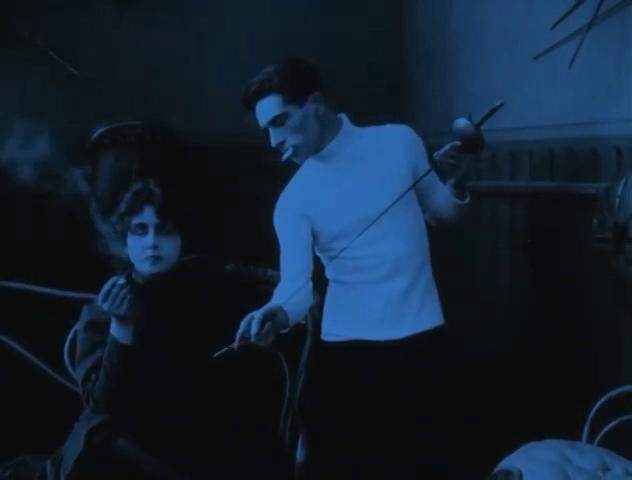
One cannot discuss Il fiacre n. 13 without acknowledging the remarkable artistry of silent film. The absence of spoken dialogue forces a reliance on visual storytelling, on exaggerated gestures, facial expressions, and meticulous mise-en-scène. Capozzi and Makowska, along with Gigetta Morano and Fernanda Negri Pouget, deliver performances that are both theatrical and deeply effective. Their eyes convey volumes, their body language articulates the internal turmoil and wicked machinations that drive the plot. The film's direction leverages this, using close-ups to emphasize emotional states and wider shots to establish the oppressive atmosphere of Giorgio's decaying world. The lighting, too, plays a crucial role, often casting characters in shadows or highlighting their faces with a stark intensity, mirroring the moral chiaroscuro of the narrative.
The use of intertitles, while sometimes perceived as a barrier by modern audiences, in fact, enhances the narrative's poetic quality. They provide crucial exposition and character insights, often with a dramatic flair that complements the visual spectacle. In Il fiacre n. 13, these intertitles are not mere functional text; they are integral to building suspense and revealing the psychological states of the characters, guiding the viewer through the intricate web of deceit and desperation. The pacing, a common challenge in silent films, is handled deftly here, building tension incrementally, leading to moments of explosive drama and quiet despair.
Comparing Il fiacre n. 13 to other films of its era, or even those beyond, provides valuable insight into its unique position. The theme of a woman's destructive influence on a man's life, for instance, finds a powerful, albeit romanticized, counterpart in La signora delle camelie. While the latter is a tragic romance, its portrayal of a woman's impact on societal standing and personal ruin echoes in Claudia Varny's actions, albeit with far more sinister intent. The sheer depravity of a crime orchestrated for gain, and the moral murkiness that envelops the protagonists, bears a thematic resemblance to the darker, more adventurous narratives found in films like Der Thug. Im Dienste der Todesgöttin, where individuals are drawn into nefarious plots with life-altering consequences, though the motivations and settings differ significantly.
The idea of a character's tragic descent, fueled by uncontrollable desires or societal pressures, is a recurring motif in early cinema. One might draw parallels with the moral quandaries presented in What Love Can Do, where passion, though perhaps less overtly villainous, still leads to profound complications and sorrow. The stark contrast between innocence and the encroaching darkness of the adult world, so poignantly highlighted by the spared child in Il fiacre n. 13, can be seen in films like Lille Teddy or Manegens Børn, which often explore the vulnerability of youth against a backdrop of complex adult decisions. The lingering consequences of past sins, and the way they inevitably catch up to the perpetrators, is a theme explored with great dramatic weight, aligning with the narrative thrust of films like Forget-Me-Not or The Unwelcome Mrs. Hatch, both of which deal with characters haunted by their histories.
Even films that might seem tonally distant, such as The Wishing Ring: An Idyll of Old England, serve to highlight the distinctive bleakness of Il fiacre n. 13. While one offers a pastoral, romantic vision, the other plunges into urban decay and moral corruption, underscoring the vast thematic landscape explored by early filmmakers. The manipulative forces at play, driving characters towards self-destruction, resonate with the psychological drama found in The Moth, where temptation and ruin often dance a dangerous waltz. The film's meticulous construction of suspense and dramatic tension also finds echoes in thrillers like The Seven Pearls, though Il fiacre n. 13 roots its tension more deeply in character psychology than in external adventure.
The social commentary embedded in the film, particularly concerning the pressures of aristocratic life and the destructive nature of avarice, connects it to works like La comtesse de Somerive, which often explored the intricate dynamics and moral dilemmas within the upper echelons of society. The stark moral divides and the consequences of compromising one's integrity are themes robustly present in The Gulf Between, a film that, despite its technical innovations, shares a thematic concern for the chasm created by ethical transgressions. Ultimately, the fatalistic undertones and the sense of an inescapable destiny, once a dark path has been chosen, align with the dramatic weight of films such as Stormfågeln, where characters are often caught in the relentless grip of fate.
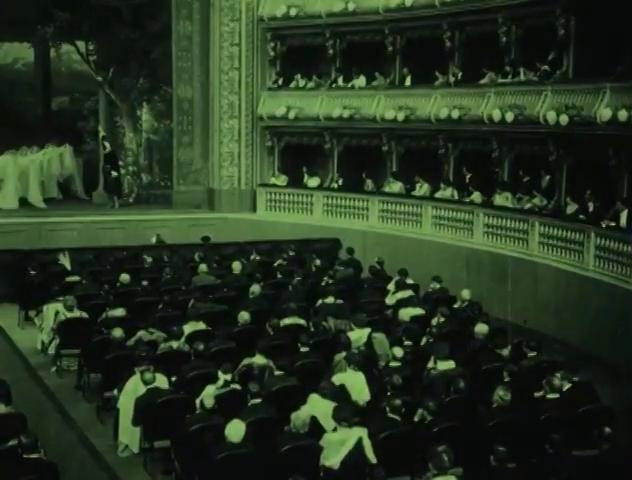
Il fiacre n. 13 is more than just a historical artifact; it's a potent cautionary tale, a dark mirror reflecting the corrupting influence of unchecked greed and the catastrophic power of manipulative relationships. The performances, particularly from Capozzi and Makowska, are captivating, drawing the audience into their web of deceit and despair. The film's enduring power lies in its ability to transcend the technical limitations of its era and deliver a story that feels timeless in its exploration of human vice and vulnerability. It speaks to the universal struggle between moral rectitude and selfish ambition, a struggle that plays out with devastating consequences for Giorgio De Latour Vaudieu.
The visual language of the film, characteristic of early Italian cinema, is rich with symbolism and dramatic flair. The very carriage, the fiacre, becomes a character in itself, embodying the clandestine nature of the plot and the dark journey of its occupants. It's a reminder that even the most mundane objects can be imbued with profound meaning in the hands of skilled storytellers. The lingering image of the spared child, a silent harbinger of future reckoning, is a stroke of narrative genius, ensuring that the audience leaves with a sense of unease and the certainty that justice, in some form, will eventually prevail. This is a film that demands to be seen, not just for its historical significance, but for its raw, unflinching portrayal of human nature at its most depraved and, paradoxically, its most resilient.
In an age saturated with dialogue and special effects, the quiet intensity of Il fiacre n. 13 serves as a powerful reminder of cinema's foundational strengths: compelling characters, a gripping plot, and a mastery of visual expression. It's a film that proves that true drama doesn't need words to speak volumes, but rather a profound understanding of the human condition and the enduring capacity for both darkness and a glimmer of hope, even in the most tragic of circumstances. It's a journey worth taking for any cinephile eager to explore the roots of cinematic storytelling and witness a narrative that continues to resonate with chilling relevance.
IMDb —
1916
Community
Log in to comment.