DbcultAccessing Vault...
7.1/10
Senior Film Conservator
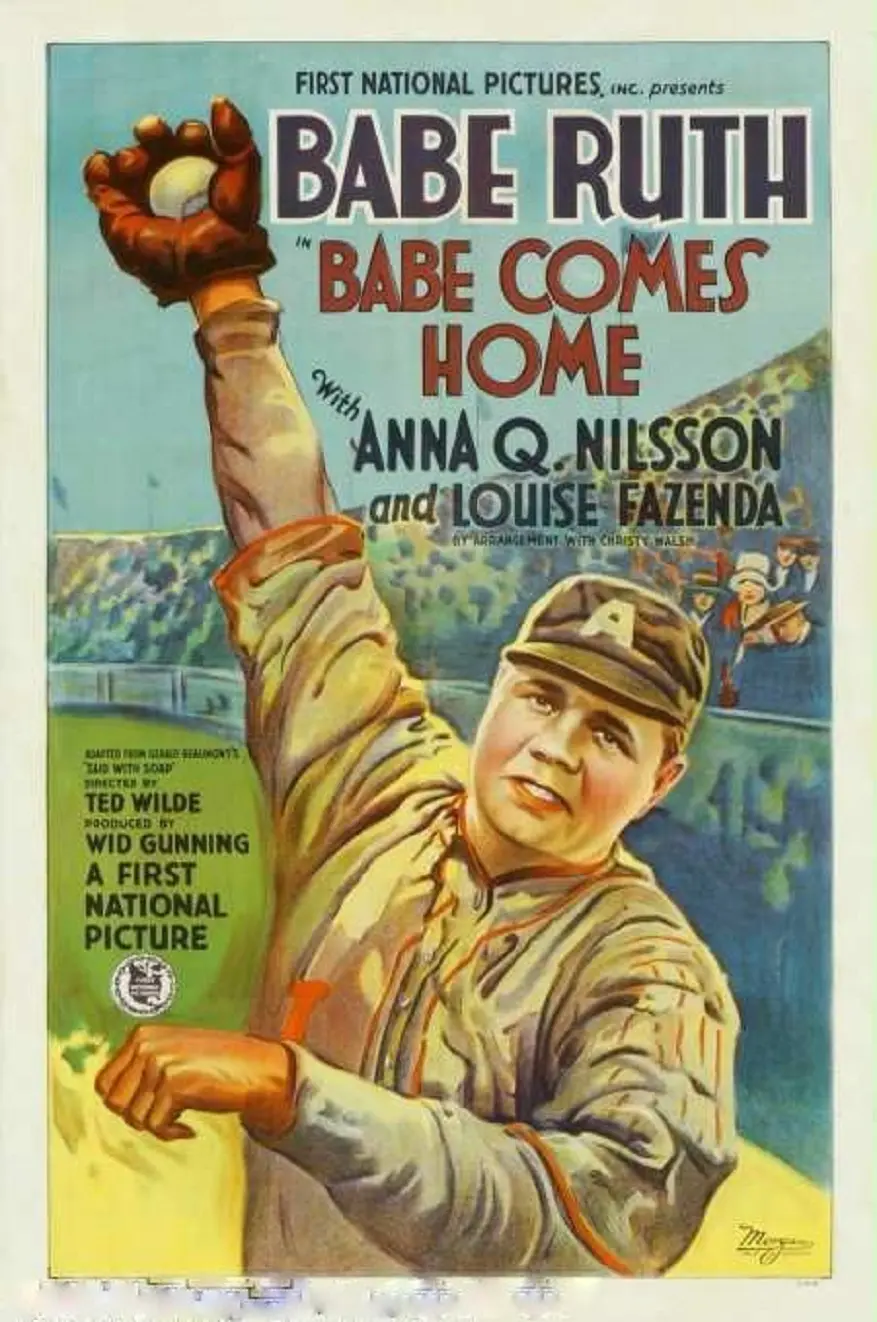
A definitive 7.1/10 rating for a film that redefined the boundaries of cult cinema. Babe Comes Home remains a cornerstone of transgressive art.
Is Babe Comes Home worth tracking down in the archives of cinema history? Short answer: yes, but only if you view it as a cultural artifact rather than a narrative triumph. This film is for the baseball obsessive and the silent film historian who wants to see the Sultan of Swat attempt to navigate the delicate world of domestic melodrama; it is absolutely not for someone seeking a fast-paced, modern sports thrill.
Before we dive into the dusty reels of 1927, let's be clear about what this film represents. It is a time capsule of a moment when the line between athlete and entertainer was first being blurred by the massive machinery of Hollywood. It works. But it’s flawed.
1) This film works because it leverages the natural, unrefined charisma of Babe Ruth, allowing him to play a heightened version of his own public persona rather than forcing him into a rigid dramatic mold.
2) This film fails because the central conflict—the struggle over a plug of tobacco—is so thin it barely supports a feature-length runtime, even by the standards of 1920s light comedy.
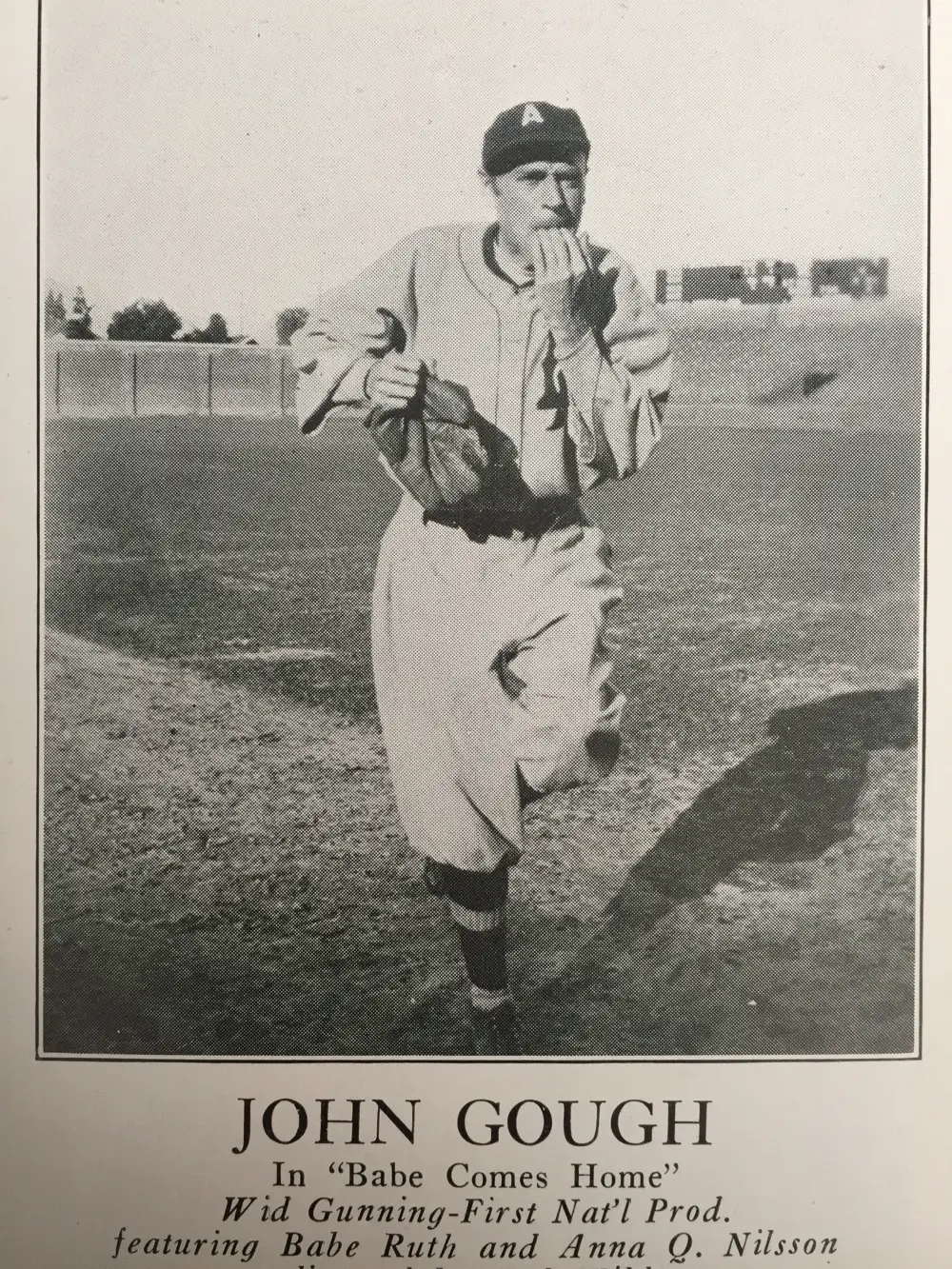
3) You should watch it if you are fascinated by the transition of sports figures into pop-culture icons and want to see how the 1920s attempted to 'tame' the wildest man in professional sports.
Babe Ruth, playing the thinly veiled 'Babe Dugan,' is surprisingly comfortable in front of the camera. Unlike many modern athletes who appear wooden or overly rehearsed, Ruth brings a shambolic, physical energy to the screen that feels authentic. He isn't acting so much as he is existing loudly. In the scenes where he is interacting with his teammates, there is a genuine camaraderie that feels more real than the scripted sequences. Consider the moment where he is presented with the spittoons; his reaction is a mix of genuine confusion and hurt that feels remarkably human.
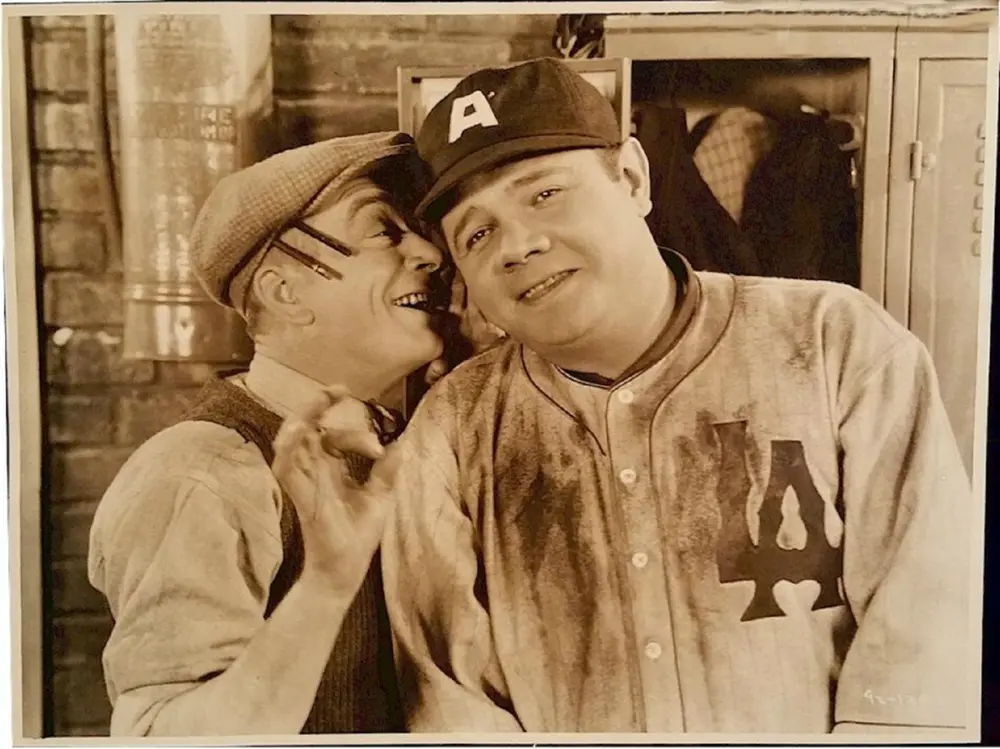
However, the film struggles when it asks Ruth to be a romantic lead. While his chemistry with Anna Q. Nilsson is serviceable, there is a clear mismatch in their performance styles. Nilsson, a seasoned professional of the silent era, brings a level of technical precision that makes Ruth’s amateurishness stand out. While she is performing for the back row of the theater, Ruth is just trying to figure out where to put his hands. It’s an awkward dance, but one that provides a strange, voyeuristic charm.
The direction by Ted Wilde—who would later find fame working with Harold Lloyd—is competent but lacks the visual flair found in contemporary epics like The Covered Wagon. Wilde’s focus is squarely on the gags and the star power of his lead. The baseball sequences are shot with a straightforwardness that prioritizes clarity over artistry. You see the ball, you see the swing, and you see the crowd. It’s functional cinema at its most basic.
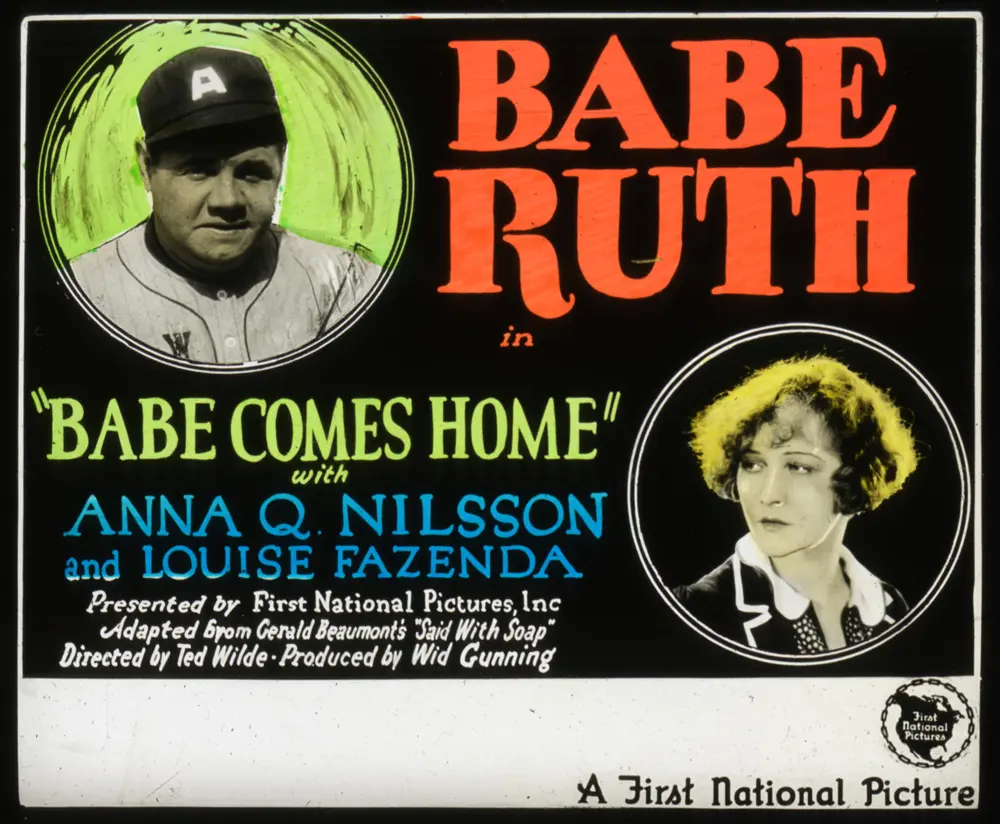
The plot of Babe Comes Home is a classic example of the 'remodeling' trope that was popular in the 1920s, much like the themes explored in Remodeling Her Husband. Vernie, the laundress, represents the civilizing force of womanhood, while Dugan represents the untamed, masculine spirit of the working class. The fact that the battleground for this conflict is a plug of chewing tobacco is both hilarious and deeply indicative of the era’s moral preoccupations.
There is a specific scene at an amusement park where a roller coaster accident literally throws Vernie into Babe’s arms. It is a cliché even by 1927 standards, but it serves its purpose. The subsequent engagement leads to the film's most 'dramatic' sequence: the spittoon gift. When the team gives the couple a set of hand-decorated spittoons as a wedding present, it highlights the class divide. Vernie sees them as symbols of filth; the players see them as high art. It’s a wonderfully specific conflict that you just don't see in modern film.
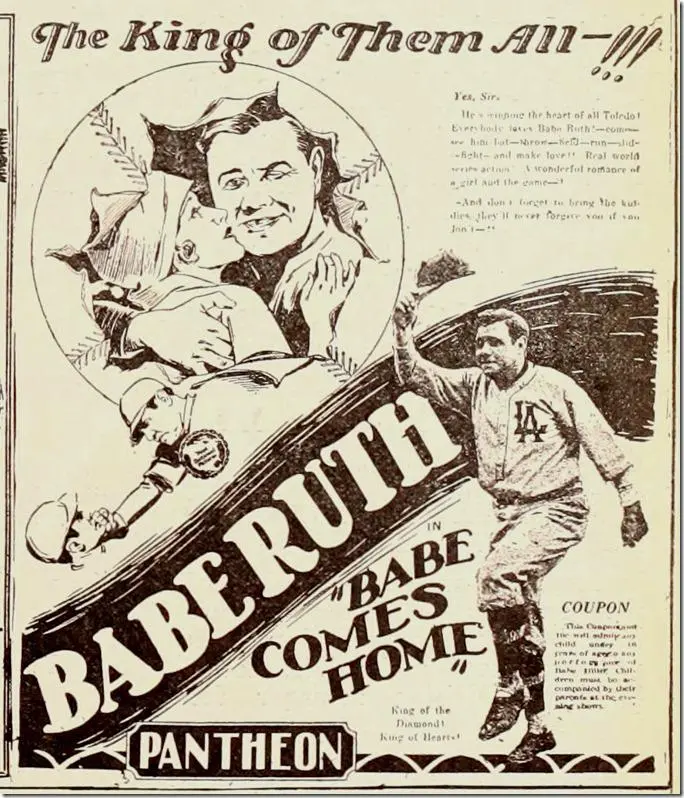
The film takes a stance that is surprisingly sympathetic to Dugan’s vice. When he tries to quit tobacco to please Vernie, his game falls apart. He loses his edge. He becomes a shadow of himself. This leads to the film's debatable climax: the idea that a man needs his 'poison' to be a hero. It’s a cynical, yet honest observation of human habit that feels refreshingly un-PC today.
If you are looking for a masterpiece of silent storytelling, you won't find it here. However, for those interested in the history of celebrity, Babe Comes Home is essential. It is a rare look at Ruth during his prime, capturing a version of the man that exists outside of grainy newsreels. The film is a light, breezy comedy that doesn't overstay its welcome. It is a 'yes' for the curious, and a 'no' for those who demand narrative complexity.
The pacing of the film is remarkably brisk. Silent comedies often suffer from 'gag fatigue,' where the plot grinds to a halt for a five-minute physical bit. Babe Comes Home avoids this by keeping the stakes personal. The transition from the baseball field to the laundry room and eventually to the shared domestic space of the couple feels fluid. The cinematography, while not groundbreaking, uses the stadium lighting and the cramped quarters of the laundry to create a sense of place.
Compared to other films of the time, like the more experimental The Vortex, this is very much a commercial product. It was designed to sell tickets to baseball fans, and it does that job with workmanlike efficiency. The use of intertitles is sparse, allowing the physical performances of Louise Fazenda and Guinn 'Big Boy' Williams to carry the secondary plot. Fazenda, in particular, is a standout. Her comedic timing provides a necessary counterpoint to the more sentimental main thread.
Pros:
- Authentic 1920s baseball atmosphere.
- Charismatic performance by Ruth.
- Strong supporting cast, especially Louise Fazenda.
- Short, efficient runtime.
Cons:
- The 'tobacco' conflict is dated and weak.
- Lack of visual innovation compared to era peers.
- The film is currently considered 'lost' in its complete form, making full viewing difficult.
Babe Comes Home is a fascinating failure. It fails as a serious drama, but it succeeds as a piece of star-driven entertainment. It captures a legend in a way that feel human and approachable. It is not a home run, but it’s a solid double that gets the runners home. If you get the chance to see the surviving fragments or a reconstruction, take it. Just don't expect it to change your life. It’s a movie about a man who needs a chew to hit a ball. Sometimes, that’s enough.
IMDb 5.1
1921
Community
Log in to comment.