DbcultAccessing Vault...
Cult Review
Senior Film Conservator
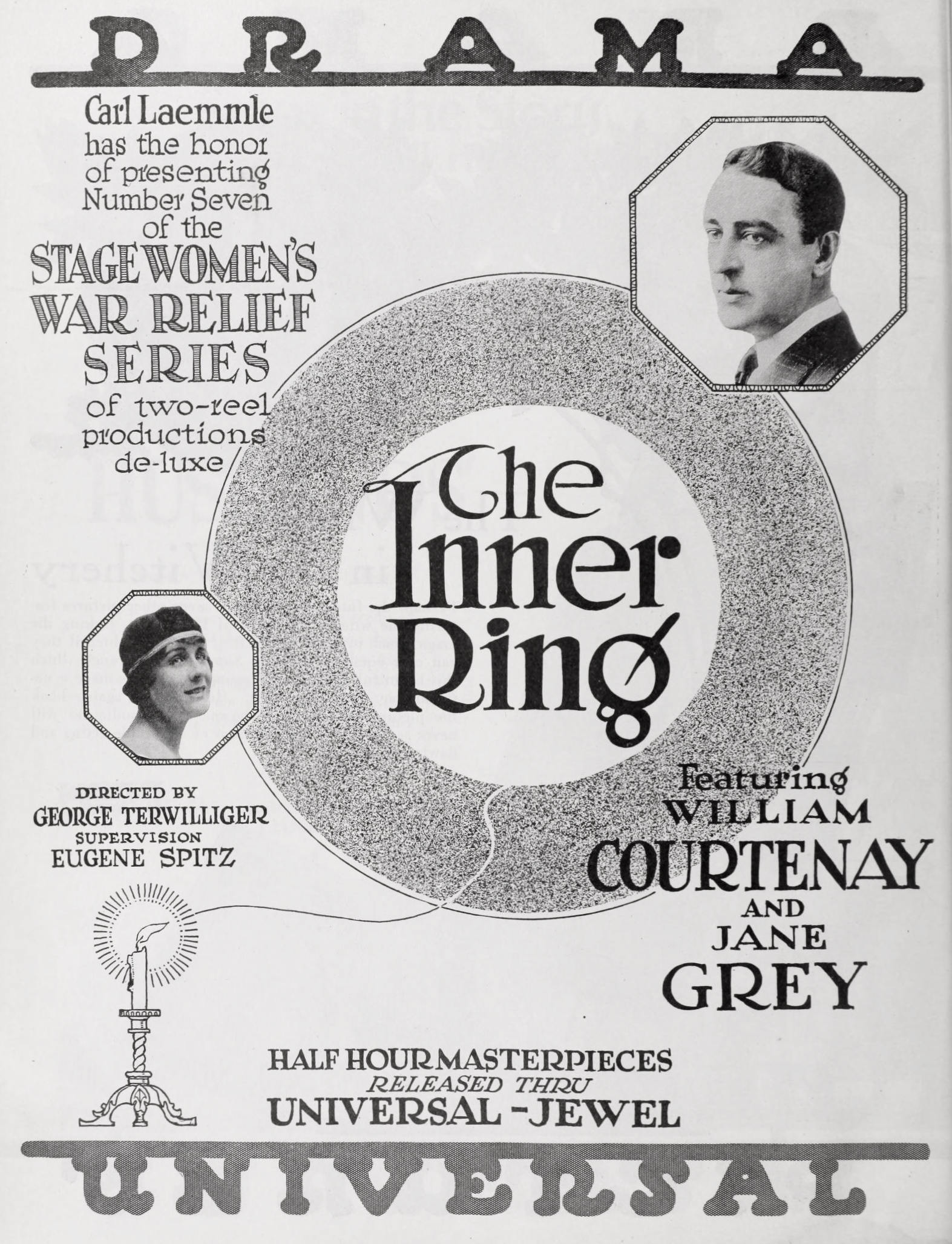
The Inner Ring materializes like a phantom emerging from nitrate shadows, its visual grammar speaking volumes in an era of enforced silence. Director James Young orchestrates a symphonic critique of class mobility through Evelyn's journey from garment district drudgery to opulent ballrooms. Notice how cinematographer Arthur Edeson frames her initial ascent: staircases morph into psychological labyrinths, their wrought-iron banisters resembling prison bars gilded with wealth. When Evelyn first handles Diana's ermine coat, the tactile close-up of fingers sinking into fur becomes a visceral metaphor for seduction by luxury – the moment her transformation from observer to participant becomes irreversible.
Lorraine Frost's Evelyn remains a benchmark for silent-era complexity. Watch the subtle shift in her physicality: the hunched shoulders of the sweatshop evolve into the affected grace of the salon, only to collapse into tremors of authentic anxiety as her conscience awakens. Her mastery lies in ocular storytelling – pupils dilating when Robert reveals the Ring's crimes, eyelids fluttering like trapped birds when Diana praises her loyalty. Against this, Jane Grey crafts a Diana of terrifying ambiguity. Her introductory scene, arranging chrysanthemums while dictating sabotage instructions, establishes a chilling dissonance between feminine refinement and ruthless calculation. The gardenia she perpetually wears becomes more than an accessory; it's a heraldic emblem of her poisonous elegance.
William Courtenay's Robert could have easily descended into moralistic caricature. Instead, he imbues the crusading journalist with palpable exhaustion from battling systemic corruption. Witness the slump of his shoulders after interviewing bereaved factory widows, the way his notebook feels less like a reporter's tool than an albatross of responsibility. Alphonse Ethier deserves particular recognition for his turn as industrialist husband Silas Van Allen – a performance where jowls seem to sag with complicit guilt, his walrus moustache twitching with nervous tells whenever Diana manipulates him into illegal dealings.
The film's production design functions as unspoken social commentary. Compare the Ring's gatherings – all crystal and suffocating floral arrangements – with the immigrant tenements depicted in Robert's investigation scenes. The chiaroscuro lighting in the slums feels documentary-real, while the society scenes drown in diffused glamour that erases facial contours, rendering members interchangeable. Most ingenious is the recurring embroidery motif: Evelyn's nimble fingers mending Diana's gown early on foreshadows her later role in mending (or unraveling) the Ring's fabric of deception. When she finally confronts Diana, the torn lace curtain between them creates a literal web of obstruction – a perfect manifestation of their entangled loyalties.
Screenwriters Calder Johnstone and Wallace Clifton embed proto-feminist theory within the thriller framework. The Ring operates as both a sanctuary from patriarchal constraints and a perversion of sisterly solidarity. Their sabotage tactics weaponize feminine invisibility: poison dropped into teacups at stockholder meetings, love letters manipulated into blackmail material. Unlike the passive heroines of contemporaneous works like The Goose Girl, these women understand their power derives not from innocence but from strategic corruption of societal expectations.
The film converses brilliantly with its contemporaries while carving radical territory. Its exploration of economic rebellion shares DNA with The Upheaval, but swaps masculine labor strikes for feminine subterfuge. The central moral quandary anticipates Fedora's later exploration of protective deceit among women, though The Inner Ring replaces romantic sacrifice with socio-political pragmatism. Even the staging of the climactic gala nods to The King's Game's aristocratic gatherings while subverting their purpose – here, the ballroom becomes a courtroom where justice must be improvised without institutional support.
Where Hearts of Oak romanticizes rural virtue, The Inner Ring dissects urban moral compromise with surgical precision. Its perspective on immigrant exploitation predates The Outcast's more sentimental approach, particularly in the harrowing sequence where Robert tours the fire-ravaged tenement. Director Young holds the camera on a scorched teddy bear amid the ashes – an image of devastating specificity that avoids melodrama through its stark composition.
Modern viewers may initially stumble over the film's central tension: why wouldn't Evelyn immediately expose the Ring? The brilliance lies in its understanding of systemic complicity. Diana's circle offers Evelyn something beyond wealth: agency in a world that grants women little substantive power. Their crimes against faceless corporations feel like righteous retribution until human casualties emerge. The film dares to ask whether sisterhood can ethically coexist with collateral damage – a question that still resonates in contemporary discourse around feminist solidarity.
Young's directorial prowess peaks during the wordless confrontation between Evelyn and Diana after the gala. Frost communicates decades of conflicting impulses through the trembling descent of a single tear, while Grey's glacial stillness paradoxically radiates volcanic emotion. The extended close-up on their clasped hands – one glove pristine white, the other smudged with newsprint from Robert's exposé – becomes a haunting emblem of their irresolvable dichotomy. When Diana finally releases Evelyn's hand, the gesture carries the weight of a benediction and a life sentence.
Unlike the tidy resolutions of Szulamit or Silver Threads Among the Gold, The Inner Ring offers only ambivalent catharsis. Evelyn achieves moral victory at the cost of emotional devastation, while Diana's fate remains deliberately opaque. The final shot of Evelyn walking away from high society, her once-coveted fur coat left discarded on a park bench, suggests not defeat but hard-won liberation from poisonous illusions. She disappears into the anonymous city crowd, having learned the most dangerous gilded cages have no visible bars.
The recent 4K restoration from original negatives reveals Edeson's visual poetry in unprecedented detail. Note the textural contrast between Evelyn's coarse woolen work dress and Diana's liquid-satin gowns, now visible with tactile intensity. Most revelatory is the color-tinting sequence during the factory fire flashback: hellish amber flames give way to the glacial blue of the morgue, creating a psychological transition that narrative intertitles could never convey. The meticulous soundscape reconstruction deserves equal praise – the ominous heartbeat rhythm underscoring Ring meetings creates almost unbearable tension when experienced in quality audio.
Contemporary filmmakers might study the economic brilliance of Young's storytelling. A single shot of Diana's shoe crushing a dropped gardenia communicates her response to betrayal more efficiently than pages of dialogue could. The film understands that power resides not just in grand gestures but in the microphysics of withheld glances, gloved hands retracting from touch, and the strategic arrangement of bodies in space. When Evelyn shifts her chair away from the Ring's circle during their final meeting, the movement lands with tectonic significance.
In an era dominated by Victorian moralism, The Inner Ring's refusal to villainize its female conspirators remains startling. Diana emerges not as a monster but as a radical pragmatist navigating limited options. Her confession scene – "We didn't create this game, darling, we merely learned its rules better than the men who wrote them" – pulses with tragic lucidity. This complexity places it closer to Der neueste Stern vom Variété's nuanced showbiz chronicles than the simplistic melodramas dominating 1923.
The film's greatest triumph lies in its emotional and ethical residue. Long after the projector lamp dims, we debate Evelyn's choices, Diana's fate, and the cost of dismantling corrupt systems from within. Its final images – the abandoned fur coat collecting snowflakes like fallen stars – suggest purification through renunciation. In our current age of performative allyship and curated social media personas, The Inner Ring feels unnervingly prescient. It reminds us that true rebellion often begins not with grand speeches, but with the quiet decision to walk away from gilded rooms that never truly belonged to us.
IMDb 7
1936
Community
Log in to comment.