DbcultAccessing Vault...
Cult Review
Senior Film Conservator
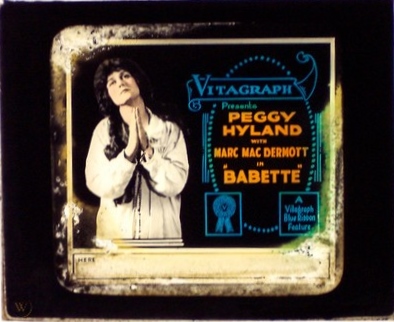
The flickering shadows of early cinema often reveal narratives of stark emotional power, and Babette, a cinematic gem from 1917, stands as a testament to this enduring truth. It is a film that, despite its vintage, speaks with a resonant clarity about the transformative potency of love, the relentless grip of circumstance, and the profound, often unspoken, sacrifices that underpin human connection. Directed with a sensitivity that belies the rudimentary techniques of its era, it crafts a world where morality is fluid, redemption is hard-won, and happiness is frequently a fragile, hard-fought commodity. The narrative unfolds not as a simple tale of good versus evil, but as a nuanced exploration of character caught in the intricate web of societal expectations and personal desires.
At the heart of this poignant drama is Babette, portrayed with an ethereal grace by Peggy Hyland. Her existence is a paradox: a spirit of unblemished purity confined within the grim, unyielding walls of La Fourche's castle-jail, where her father presides over the stark rituals of incarceration and execution. This setting itself is a powerful metaphor, a crucible where innocence is tested and, remarkably, preserved. Into this austere world stumbles Raveau (Marc McDermott), a man whose life has been etched by the harsh realities of criminality. His initial encounter with Babette is less a meeting of two individuals and more a collision of opposing worlds. Her inherent sweetness, her guileless gaze, and her very being act as a potent antidote to his hardened cynicism, slowly eroding the walls he has built around himself. It’s a beautifully understated depiction of moral awakening, far removed from the melodramatic grandiosity one might expect from the period. Raveau’s journey from a life of transgression to one yearning for rectitude is not sudden but a gradual, compelling shift, culminating in the symbolic act of restoring a purloined necklace – a small gesture, perhaps, but one laden with profound meaning, signifying the restoration of his own moral compass.
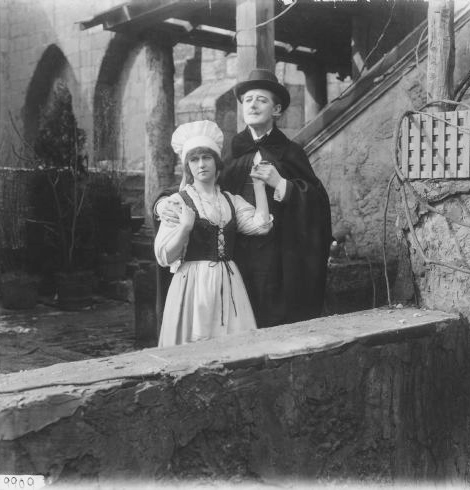
The burgeoning affection between Babette and Raveau blossoms into a love that feels both inevitable and miraculous. Their wedding, celebrated with a rare flourish of pomp, momentarily suggests a triumph over adversity, a testament to love’s power to reshape destinies. However, the transient nature of such joy is soon underscored by the arrival of Detective Guinard (Templar Saxe), a persistent specter from Raveau’s past. This re-introduction of peril serves as a stark reminder that the past, particularly one stained by crime, is not easily shed. Raveau, acutely aware of the danger, orchestrates a desperate escape, weaving a narrative of jealous friends attempting to sever their bond. This act, born of a protective instinct, highlights the moral tightrope Raveau walks – a man striving for honesty yet compelled to deceit to safeguard his newfound happiness. Their flight to Montmartre offers a brief, idyllic interlude, where they live like "two doves," a picturesque image of domestic bliss and artistic aspiration. Raveau attempts to rekindle his artistic pursuits, a symbolic shedding of his criminal skin. Yet, the bohemian dream soon collides with the harsh realities of economic struggle.
The film masterfully portrays the insidious creep of poverty, a force that can erode even the most steadfast resolves. Raveau’s art, though earnest, fails to capture the prevailing tastes, and their financial reserves dwindle precariously. The revelation of Babette’s pregnancy, a moment that should herald unadulterated joy, instead casts a pall of desperation over Raveau. This is compounded by Babette’s innocent generosity towards Fifine, a "Quarter" girl whose husband is about to be released from prison – a gesture of empathy that, while pure, further depletes their meager funds. The narrative here delves into a familiar, yet always compelling, theme: the good intentions that pave the road to financial ruin, forcing individuals into untenable positions. Raveau's frantic attempts to sell his work, his appeals to an old partner that are met with cold rejection, paint a vivid picture of a man pushed to the brink. This struggle for survival, reminiscent of the societal critiques found in films like Der Tunnel, which explores human ambition and desperation in grand industrial schemes, or even the more intimate struggles in The Straight Way, where characters grapple with moral choices under duress, emphasizes the universal nature of these pressures. Raveau, once redeemed, finds himself cornered, his noble aspirations crushed under the weight of impending fatherhood and destitution. The descent back into crime – the theft of banknotes from a post office – is depicted not as a willing embrace of villainy, but as a desperate, agonizing choice, a stark illustration of how circumstances can compel even the reformed to revert to old patterns.
In an era defined by exaggerated gestures and theatrical expressions, the performances in Babette exhibit a surprising degree of subtlety. Peggy Hyland’s Babette is a portrayal of delicate strength, her innocence conveyed not through naivete, but through a quiet dignity and an unwavering belief in goodness. Her eyes, often wide with a gentle wonder, communicate a world of emotion without the need for intertitles. Marc McDermott, as Raveau, navigates a complex emotional landscape with remarkable skill. His transformation from a hardened criminal to a man softened by love, and then his subsequent descent into desperation, is rendered with a believable internal struggle. The shift in his demeanor, the weight of his choices etched on his face, are powerful examples of silent acting at its best. He avoids the pitfalls of overt villainy or saccharine heroism, presenting a character who is deeply flawed, yet profoundly human. The chemistry between Hyland and McDermott is palpable, lending authenticity to their romantic bond and making Raveau’s eventual sacrifice all the more heartbreaking. Their acting, while adhering to some conventions of the time, often transcends them, hinting at the more naturalistic styles that would emerge later. This nuanced approach to character development sets Babette apart, allowing its emotional beats to land with genuine impact.
The narrative reaches its dramatic crescendo after the birth of Babette’s child, when Guinard inevitably reappears. Raveau, determined to shield Babette from the truth of his renewed criminality, fabricates a story of a lucrative artistic commission, a bittersweet lie designed to secure her future even as he prepares for his own inevitable reckoning. This moment of separation is imbued with a quiet tragedy, Raveau’s stoic resolve contrasting with Babette’s innocent joy. The subsequent scene at the Commissionaire's office introduces a masterstroke of narrative irony, a twist of fate that elevates the film beyond a simple crime drama. The prosecutor, by a remarkable coincidence, is revealed to be the husband of a woman to whom Raveau, in a moment of pre-marital moral clarity, had returned gaming winnings. This seemingly minor act of integrity, performed long before his current predicament, now returns to him as a lifeline. The prosecutor’s silent recognition, his refusal to identify Raveau as the thief, is a profound act of grace, a testament to the idea that past good deeds, however small, can echo forward and alter destiny. It’s a moment pregnant with unspoken understanding, a powerful dramatic beat delivered without a single word. This kind of karmic intervention, though perhaps a touch idealistic, serves as a deeply satisfying resolution to Raveau's moral quandary, offering a glimpse of justice that transcends legal strictures.
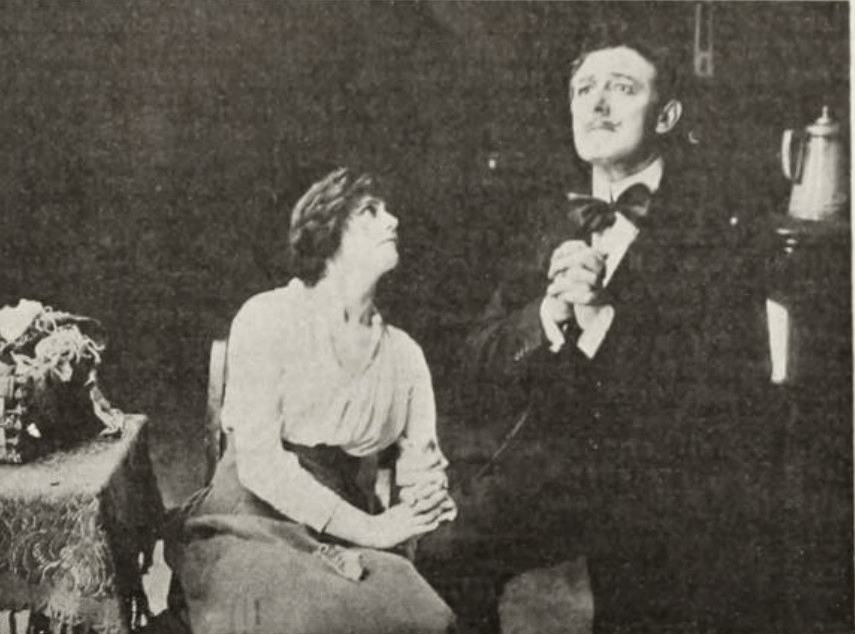
Absolved, Raveau returns to Babette, declaring the "commission" abandoned, choosing instead an eternal presence by her side. Babette, enveloped in the warmth of his unwavering love, remains blissfully ignorant of the profound sacrifice and the near-catastrophe that secured their future. This ending, while outwardly joyous, carries an undercurrent of bittersweet melancholy. It’s a happiness built upon a foundation of unspoken truths, a love preserved at the cost of one man’s secret burden. This thematic complexity elevates Babette beyond a simplistic romance, imbuing it with a depth that lingers long after the credits roll. It forces the audience to ponder the nature of love, forgiveness, and the ethical compromises inherent in protecting those we cherish. The film doesn't shy away from the moral ambiguities of its characters, instead embracing them to craft a more human, more relatable narrative. The final image of Babette's contented ignorance is both beautiful and heart-wrenching, a powerful conclusion to a journey filled with trials and quiet triumphs.
As a product of the silent era, Babette exemplifies the mastery of visual storytelling. Without the aid of spoken dialogue, filmmakers relied heavily on expressive acting, evocative cinematography, and carefully crafted intertitles to convey plot and emotion. The film's use of close-ups to capture facial nuances, particularly in moments of internal conflict for Raveau or gentle affection for Babette, is particularly effective. The contrast between the stark, imposing architecture of the jail and the romantic, bohemian atmosphere of Montmartre is skillfully rendered, using setting to reflect the characters' evolving circumstances and emotional states. The pacing, while characteristic of the period, allows moments of quiet contemplation to breathe, giving weight to the characters' decisions and their emotional fallout. The dramatic tension is built through visual cues: the shadow of Guinard, the dwindling pile of money, the subtle shifts in Raveau's expression. This reliance on non-verbal communication demands a more active engagement from the viewer, inviting them to interpret and empathize with the characters on a deeper, more visceral level. This is a hallmark of truly great silent cinema, a craft that, when done well, can often communicate more profoundly than words alone.
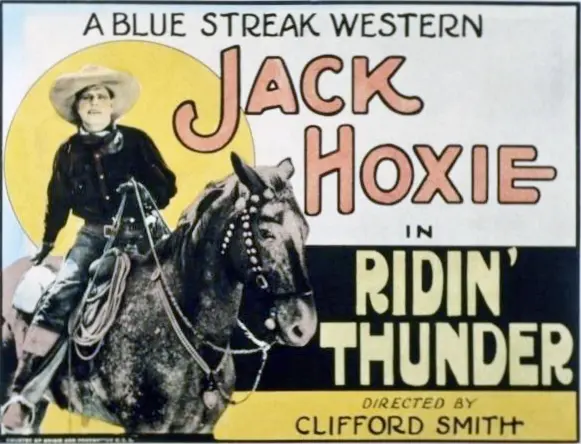
Comparing Babette to other films of its time reveals its unique strengths. While films like The Bandit of Port Avon might focus more overtly on the thrilling escapades of a criminal life, Babette delves into the psychological and moral aftermath of such a life. It's less about the heist itself and more about the soul's struggle for redemption. Similarly, where a film like A Romance of the Redwoods might present a more idealized vision of love triumphing over external forces in a frontier setting, Babette grounds its romance in the grittier realities of urban poverty and past transgressions, making its ultimate resolution feel earned and deeply human, rather than purely fantastical. The film's ability to weave together themes of crime, love, sacrifice, and social commentary into a cohesive and emotionally resonant whole is a testament to its narrative craftsmanship and the vision of its creators. It demonstrates that even within the nascent stages of filmmaking, complex human dramas could be told with compelling power.
Over a century after its initial release, Babette continues to captivate. Its themes of love’s redemptive power, the corrosive effects of poverty, and the quiet heroism found in personal sacrifice are timeless. The film serves as a poignant reminder that human nature, with all its flaws and potential for greatness, remains a perennial source of compelling drama. It challenges viewers to consider the complexities of morality, the compromises we make for those we love, and the often-unseen burdens carried by others. The bittersweet conclusion, where happiness is predicated on an innocent ignorance, prompts reflection on whether such a peace is truly sustainable or merely a temporary reprieve. This ambiguity, far from detracting from the narrative, imbues it with a deeper, more philosophical resonance.
In an era of increasingly complex cinematic techniques, revisiting Babette offers a refreshing perspective on the foundational elements of storytelling. It reminds us that compelling characters, clear emotional arcs, and a narrative that genuinely explores the human condition are the true pillars of cinematic art, regardless of technological advancements. The film stands not just as a historical artifact, but as a vibrant piece of storytelling that continues to speak to the heart, proving that the silent screen was anything but silent in its emotional impact. Its legacy lies in its ability to transcend its era, offering a universal tale of love, sacrifice, and the enduring hope for a better life, even when shadowed by the past.
IMDb 5.3
1923
Community
Log in to comment.