DbcultAccessing Vault...
Cult Review
Senior Film Conservator
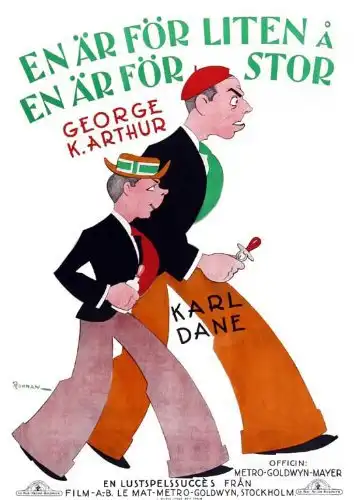
"Baby Mine," from 1928, is definitely one for the silent film enthusiasts who appreciate a good, old-fashioned slapstick farce. If you're into that particular brand of madcap, slightly absurd humor, you might find some real chuckles here. Folks looking for deep character studies or a quiet, dramatic experience, well, you'll probably want to skip this one. It's a loud, silly, quick affair.
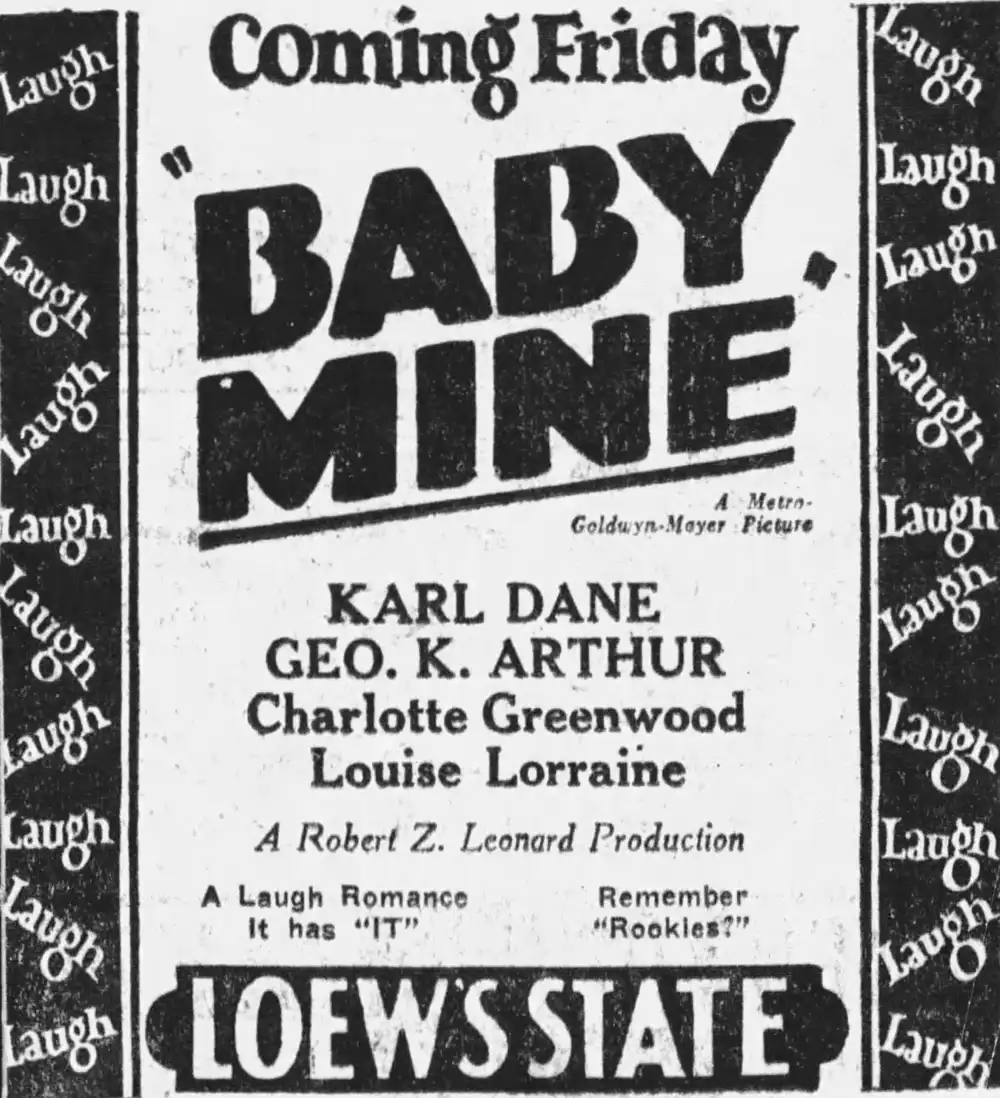
The core setup is just wild, isn't it? Karl Dane plays this chiropractor, Peter, and he's not exactly thrilled when he gets roped into marrying Charlotte Greenwood's character, Maggie. She's got this intense presence. You can tell right away he's way out of his depth. The honeymoon escape is pretty quick, like he can't wait to just *be gone* from this situation. You almost feel for the poor guy, almost.
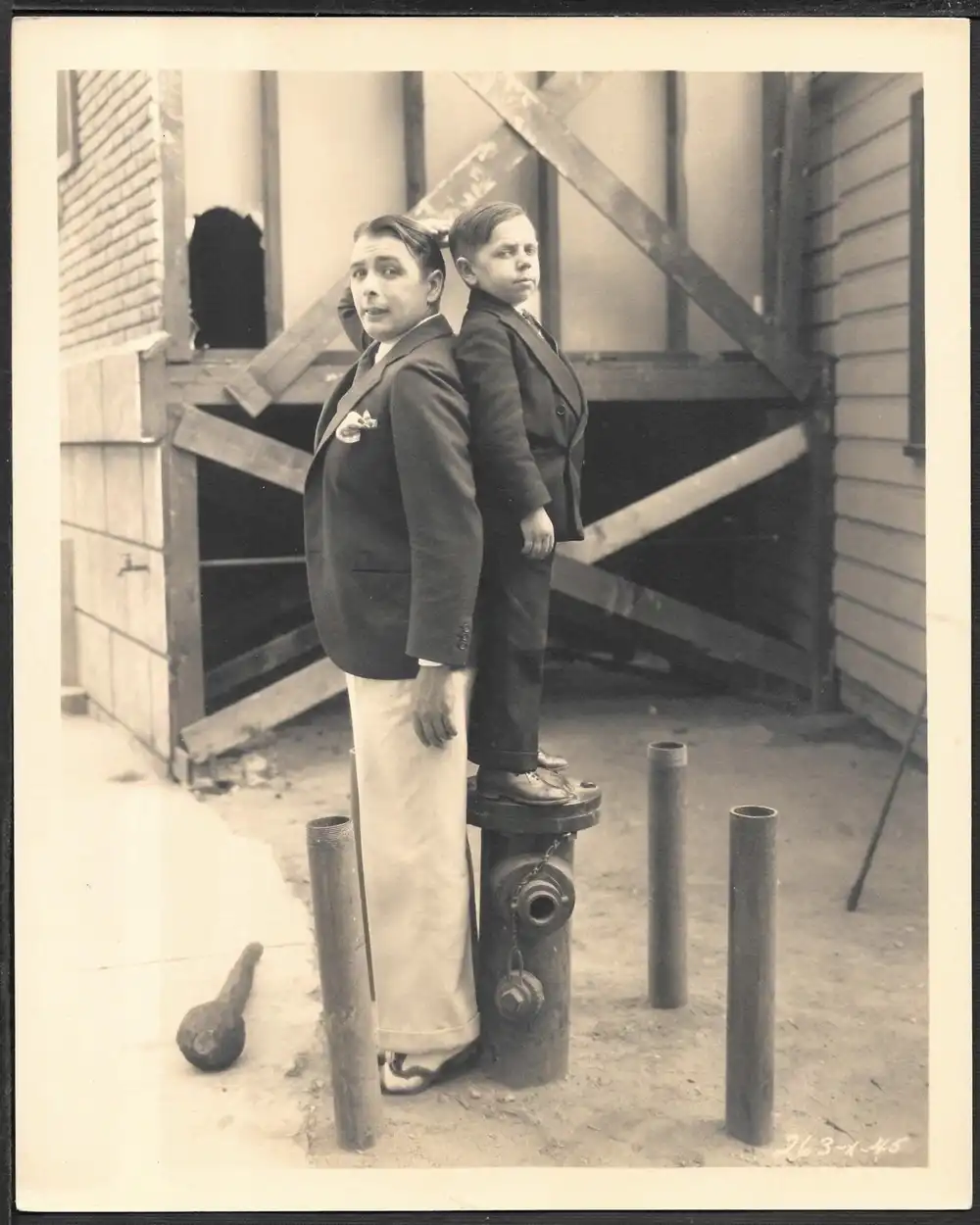
Then comes the big twist, right? Peter hears Maggie's a mom. And his sense of duty, or maybe just panic, drags him back. This is where things really ramp up. They've got these three "babies." And you're just looking at them, thinking, "Wait a minute."
The midget as a baby, though. Wow. It's… something. It's supposed to be funny, I guess? The way they dress him up, the little bonnet, it's so obviously *not* a baby. One shot, he's just kinda staring off blankly, and you can see the person underneath. It’s less "charming comedic deception" and more "slightly unsettling practical effect" for a moment. But then it keeps going and you just have to lean into the absurdity.
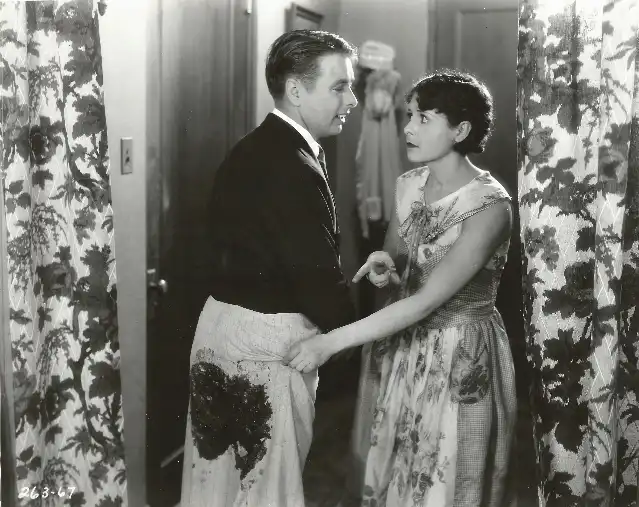
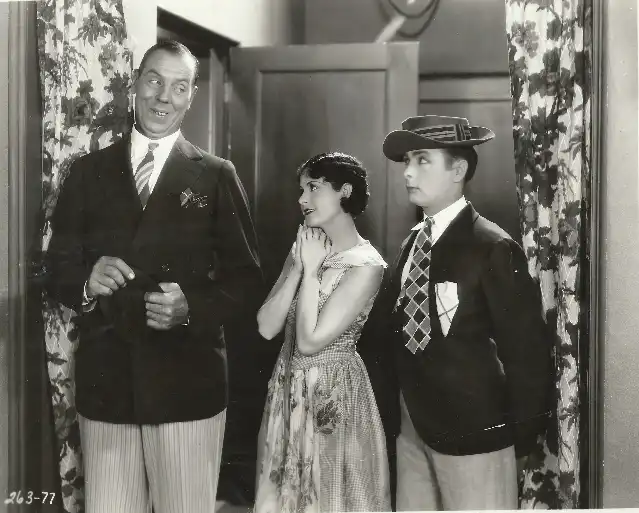
Charlotte Greenwood, she really carries a lot of the visual humor. She's so tall and imposing next to Karl Dane. Their physical mismatch is half the joke. Every time she's on screen, there’s this kinetic energy. She's not subtle, not in the slightest. It’s all big gestures and even bigger expressions.
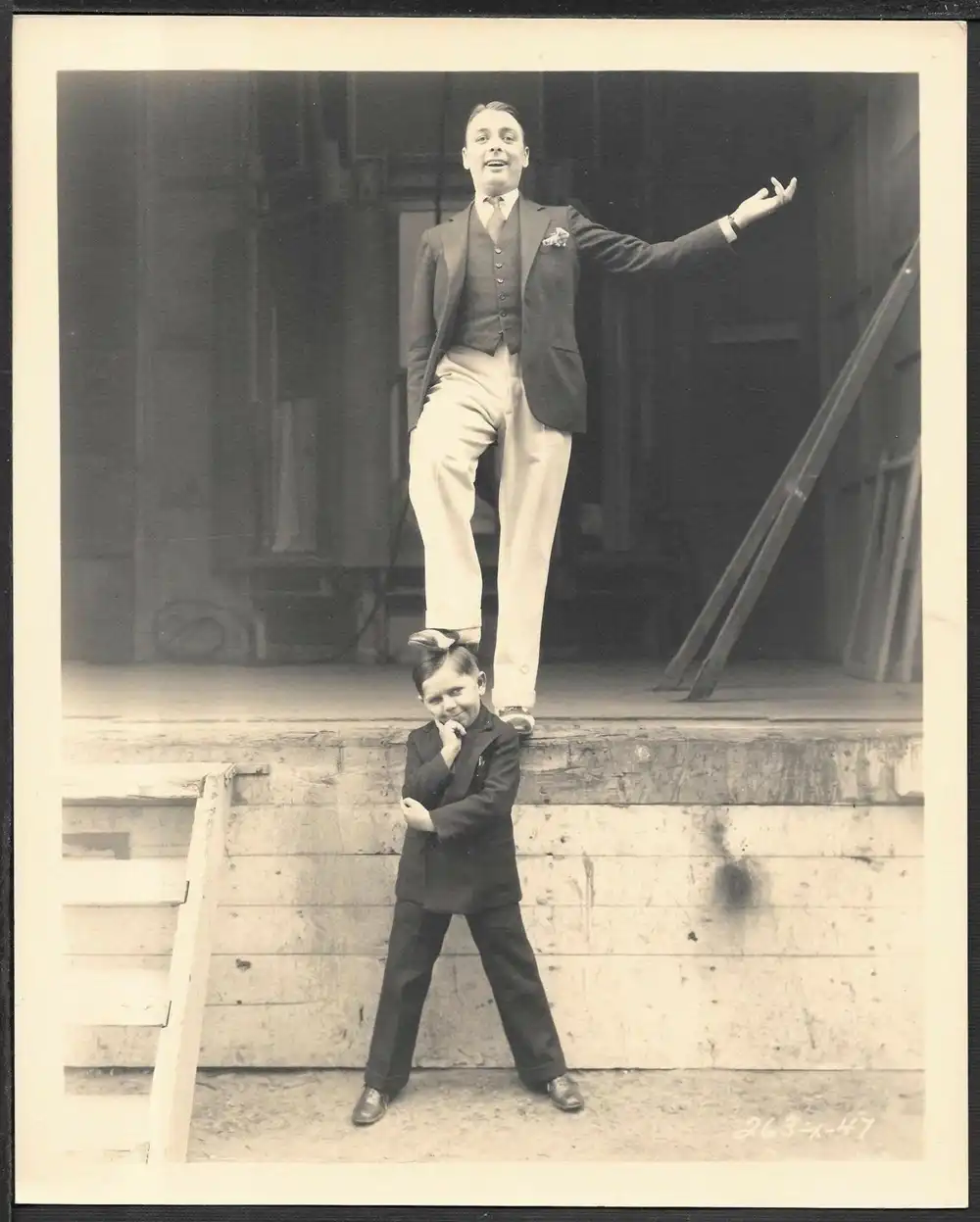
The film doesn't really pause for a breath. It's one gag after another. There's this one moment where Peter tries to handle the "babies," and it's pure chaos. Diapers flying, bottles spilling. It’s the kind of physical comedy where you can practically hear the crashing sounds, even without the talkies.
And Pussyfoot! What a name. The dog is just kind of *there* sometimes, adding to the general sense of domestic pandemonium. It's not a major role, but it's another touch of that classic silent era visual clutter that fills the frame.
Is it a masterpiece? Nah, probably not. But for a quick dip into 1920s slapstick, with its very particular brand of humor and some _truly_ bizarre sight gags (that midget baby, I tell ya!), it’s got its charms. You feel the energy of the time. It’s like a snapshot of what passed for funny then. A loud, boisterous snapshot.
You can see how this kind of setup would evolve into later screwball stuff. The rapid-fire misunderstandings, the escalating lies. It's all there, just in a much more… _physical_ way. The film just barrels along, not worrying too much about logic, just aiming for the next laugh. And sometimes, it gets it. Sometimes, you just blink and wonder what just happened. 😂
IMDb 4.3
1924
Community
Log in to comment.