DbcultAccessing Vault...
Cult Review
Senior Film Conservator
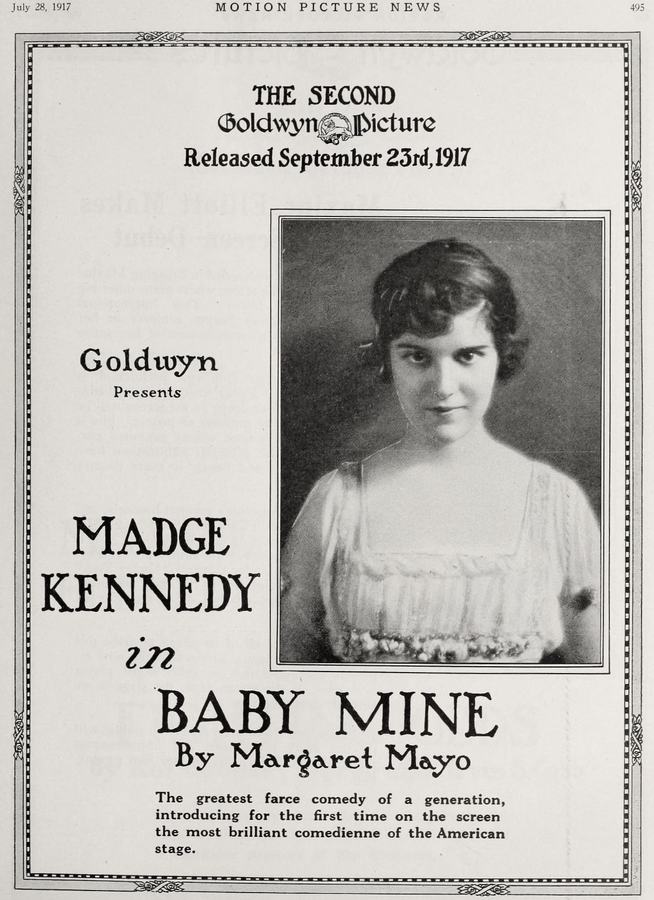
The silent film era, a veritable crucible of cinematic innovation, often found its most potent expression in the realm of comedy. Amidst the grand epics and poignant dramas, a particular brand of domestic farce flourished, delighting audiences with its intricate plots, exaggerated performances, and the universal appeal of human foibles. Among these charming artifacts, Doty Hobart's 1917 production, 'Baby Mine', stands as a testament to the period's comedic genius, offering a narrative as convoluted as it is captivating. This is not merely a film; it is a meticulously choreographed ballet of misunderstandings, a symphony of escalating deception that ultimately orchestrates a surprisingly tender resolution. It invites us to peer into a bygone era of marital expectations and the often-hilarious lengths to which individuals would go to navigate them.
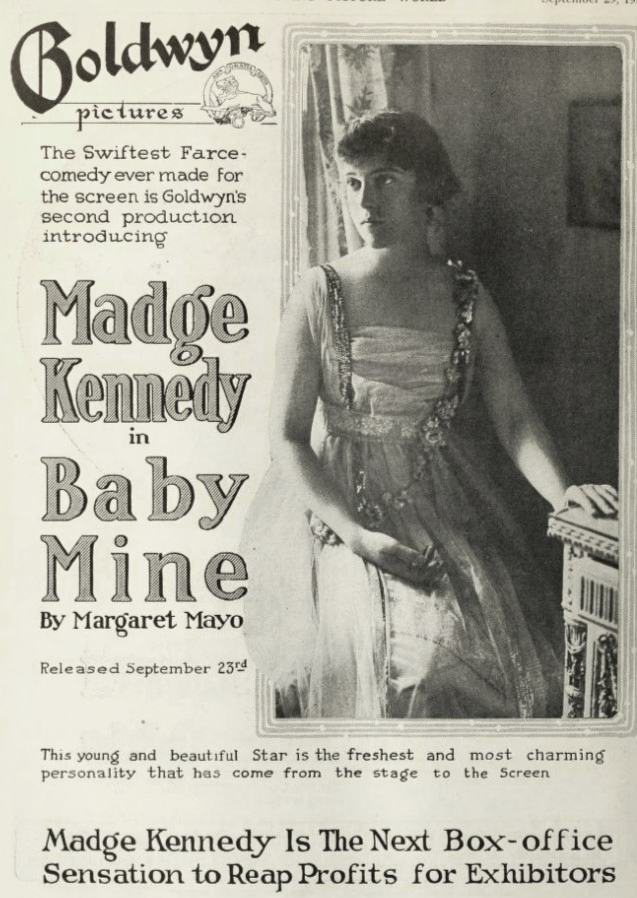
At the heart of this delightful confection is Zoie, portrayed with an effervescent charm by Madge Kennedy. Zoie is not a villain, nor is she malicious; rather, she is a creature of impulse, a free spirit whose disinclination for domestic drudgery and a rather flexible relationship with the truth frequently place her at odds with societal expectations and, more pressingly, with her earnest husband, Alfred (John Cumberland). Her character embodies a fascinating tension: the flapper-esque proto-modern woman clashing with the more traditional expectations of early 20th-century matrimony. Zoie's 'frivolous' nature, as described in the plot synopsis, is not a moral failing but a comedic engine. It is her inability to conform, her spontaneous inclination towards expediency over absolute candor, that sets the entire farcical machinery into motion. One might even argue that her 'lies' are less about malice and more about an almost childlike desire to please or to avoid unpleasantness, a trait that, while exasperating, also renders her profoundly endearing. Her struggles resonate even today, albeit in different contexts, with the timeless dance between individual liberty and relational compromise.
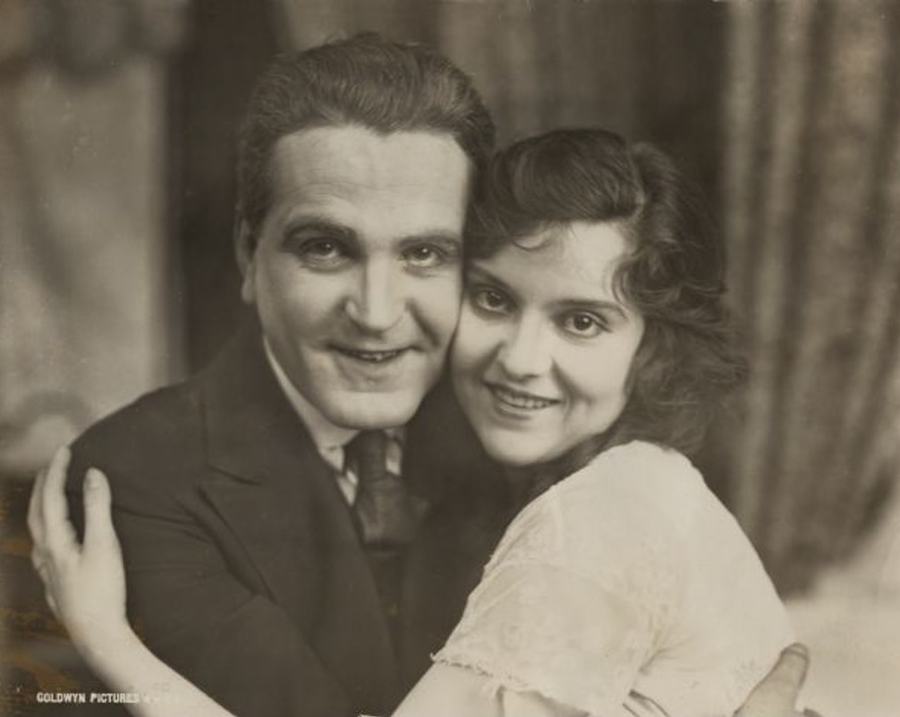
Alfred, in contrast, represents the beleaguered everyman, seeking stability and conventional domesticity. His departure for Boston, precipitated by a marital spat, is less an act of abandonment and more a desperate plea for Zoie to recognize the gravity of their union. His exasperation is palpable, a relatable frustration for anyone who has grappled with a partner's perceived shortcomings. It is into this breach that Aggie (Virginia Madigan), Zoie's 'good friend', steps with a suggestion so audacious it could only exist within the realm of high farce: the adoption of a baby to satisfy Alfred's unfulfilled paternal longings. Aggie is the instigator, the mischievous muse who, perhaps with good intentions but certainly with questionable judgment, pushes Zoie further down the path of elaborate deception. Her role highlights a fascinating dynamic of female friendship in the era – sometimes supportive, sometimes enabling, and often, as here, a catalyst for delightful chaos. This initial premise, a wife attempting to 'buy' a baby to present to her husband, immediately establishes the film's comedic tone, laying the groundwork for the escalating absurdity that follows.
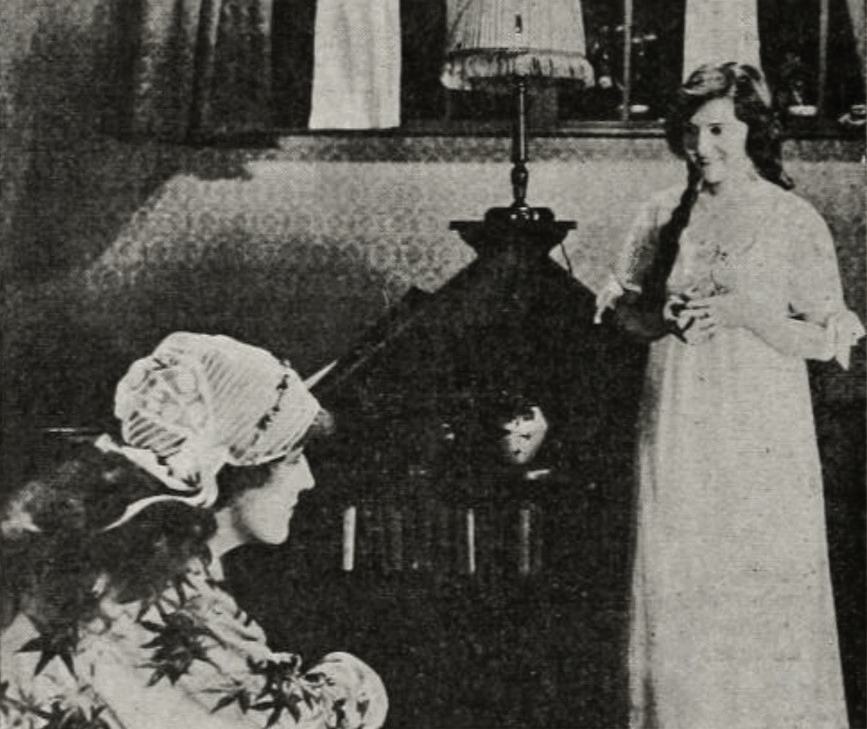
The plan, already tenuous, rapidly unravels, thrusting Aggie's 'obedient husband', Jimmie (Frank Morgan), into the eye of the comedic storm. Jimmie, a character whose escalating panic becomes a central comedic thread, is dispatched to procure the initial infant, only to be thwarted by the biological mother's change of heart. With Alfred's return imminent and Zoie's insistence bordering on desperate, Jimmie's mission transforms into a frantic, increasingly desperate scramble for a baby – any baby. The film masterfully builds tension through this sequence, transforming a simple errand into a high-stakes, ethically dubious quest. The decision to 'order a set of twins' and then, in a moment of sheer desperation, to 'steal a baby from the hospital' is the kind of escalating absurdity that silent comedies excelled at. It's a testament to the film's writers, Doty Hobart and Margaret Mayo, that they manage to make such outlandish acts feel both genuinely funny and surprisingly empathetic, given Jimmie's predicament. His frantic efforts, a mixture of loyalty and terror, provide much of the film's physical comedy and a significant portion of its charm.
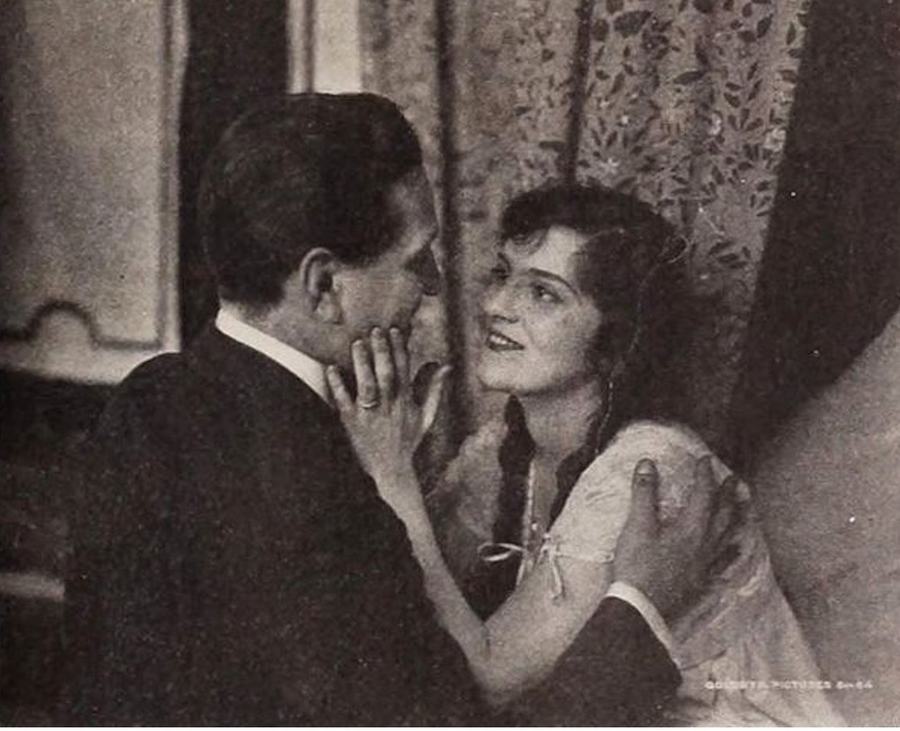
Alfred's return home is the grand crescendo of this domestic symphony of errors. Instead of the singular, anticipated bundle of joy, he is confronted with a bewildering 'parade of babies'. This scene is the comedic payoff, a visual spectacle that leverages the inherent chaos of multiple infants to maximum effect. The subsequent arrival of the babies' rightful parents, each demanding their progeny back, serves as the ultimate unraveling of Zoie's carefully constructed (or rather, haphazardly assembled) deception. The look of utter incredulity on Alfred's face, transitioning from paternal bliss to bewildered understanding, is a silent film masterclass in conveying complex emotion without a single spoken word. It is here that the film's thematic core truly emerges: the inevitable collapse of a foundation built on untruths, no matter how well-intentioned. The ensuing chaos is not just funny; it’s a cathartic release of the tension that has been steadily building throughout the narrative. Such climactic moments of revelation and public embarrassment were common in silent comedies, offering a satisfying resolution to the preceding farcical complications, much like the intricate plot unraveling in Flirting with Fate, though with a distinct domestic twist here.
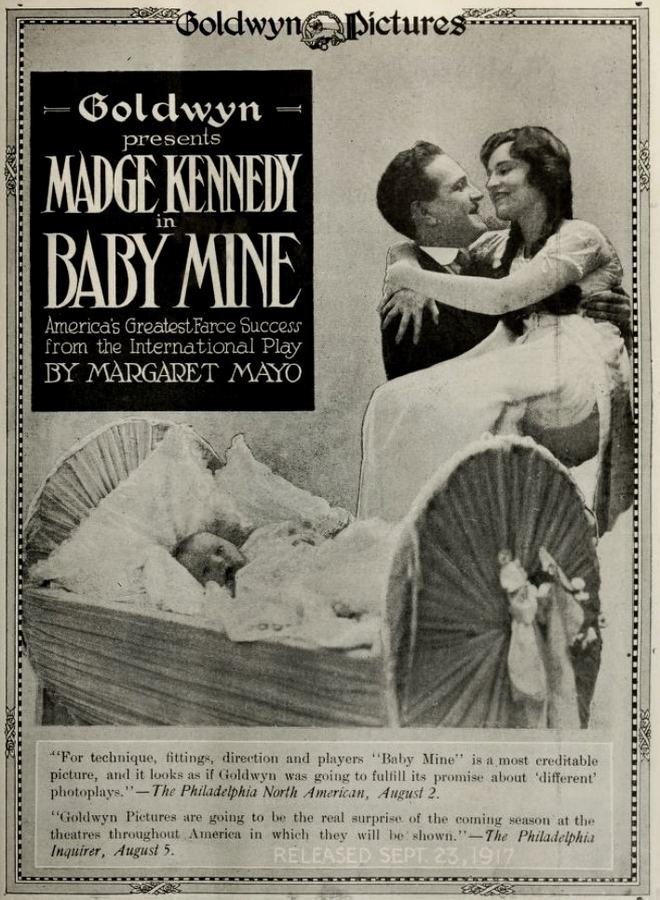
Madge Kennedy's portrayal of Zoie is arguably the film's greatest asset. In an era where exaggerated gestures and facial expressions were the lingua franca of screen acting, Kennedy brings a nuanced charm to her character. Her Zoie is not merely a scatterbrained wife; she possesses a certain innocence, a guileless quality that makes her deceptions forgivable, even understandable. Her wide eyes, expressive movements, and comedic timing elevate the material, ensuring that Zoie remains sympathetic despite her questionable actions. Kennedy masterfully conveys Zoie's disconsolation after Alfred's departure, her childlike fascination with the idea of 'buying' a baby, and her growing panic as the scheme spirals out of control. It’s a performance that anchors the film, preventing the farce from descending into mere silliness and imbuing it with genuine heart. Her ability to command the screen without uttering a word speaks volumes about her talent and the power of silent acting, a skill showcased by many leading ladies of the era, though Kennedy's particular brand of effervescent charm set her apart.
Doty Hobart's direction is taut and efficient, maintaining a brisk pace that never allows the audience to dwell too long on the ethical implications of the characters' actions. The film's strength lies in its relentless comedic momentum, propelled forward by quick cuts and well-timed intertitles that deliver crucial plot points and witty dialogue. While 'Baby Mine' is primarily a comedy, it subtly touches upon several intriguing themes pertinent to its time. It explores the societal pressure on married couples to have children, the sometimes-strained communication within a marriage, and the varying definitions of 'truth' and 'honesty'. The film playfully critiques the superficiality of appearances, suggesting that true marital bliss is built on a foundation of mutual understanding and genuine candor, rather than elaborate façades. The ending, where Zoie promises to 'tell Alfred the real truth', is a resolution that acknowledges her growth, yet retains a hint of her inherent mischievousness, leaving the audience with a smile and a lingering question about the true nature of her reformation. This nuanced approach to resolution, where character flaws are acknowledged but gently handled, marks it as a more sophisticated comedy than some of its contemporaries, which often relied on more overt moralizing, similar to the complex family dynamics explored in Sins of the Parents, albeit through a comedic lens here.
'Baby Mine' is more than just an entertaining film; it's a valuable historical document, offering insights into the social norms, comedic sensibilities, and filmmaking techniques of the late 1910s. The film's reliance on physical comedy, mistaken identities, and rapid-fire plot developments is characteristic of the era's popular entertainment. It showcases the burgeoning sophistication of cinematic storytelling, even without synchronized sound. The distinct visual style, the use of expressive intertitles, and the emphasis on character reactions over spoken dialogue are all hallmarks of silent cinema at its best. Comparing it to other films of the period, one can appreciate its unique blend of domestic drama and outright farce. While films like The Clemenceau Case delved into more serious marital strife, 'Baby Mine' opted for a lighter, more whimsical approach, proving that the complexities of relationships could be explored through laughter. It shares a common thread with many films of the time that focused on the trials and tribulations of ordinary people, often with a moral lesson subtly woven into the narrative, without being as overtly didactic as, say, The Martyrdom of Philip Strong.
Beyond Kennedy, the supporting cast, including John Cumberland as the long-suffering Alfred and Frank Morgan as the increasingly frantic Jimmie, deliver performances that perfectly complement the central narrative. Nellie Fillmore, Kathryn Adams, and Jack Ridgeway also contribute to the film's vibrant tapestry of characters, each playing their part in the escalating comedic chaos. The ensemble works in harmony, creating a believable, if exaggerated, world where such a convoluted scheme could unfold. The film's enduring appeal lies in its timeless themes of marital communication, the fine line between playful deception and outright falsehood, and the universal desire for family. It reminds us that sometimes, the most profound lessons are learned through the most absurd circumstances. 'Baby Mine' is a delightful romp that, despite its age, continues to charm and amuse, solidifying its place as a significant, if perhaps understated, entry in the canon of silent film comedies. It's a film that warrants rediscovery, a joyous relic from an era that mastered the art of visual storytelling and the timeless craft of making audiences laugh. Its clever plotting and endearing characters make it a standout, offering a refreshing take on domestic comedy that feels surprisingly fresh even today. It reminds us that the human heart, with all its desires and deceptions, remains a fertile ground for compelling narratives, whether in the dramatic intensity of The Quest or the lighthearted hijinks of 'Baby Mine'.
In conclusion, 'Baby Mine' is a vibrant, effervescent piece of silent cinema that showcases the genre's capacity for intricate plotting, character-driven humor, and enduring charm. Madge Kennedy's performance as Zoie is a particular highlight, making her impetuous character both exasperating and utterly lovable. The film's escalating absurdity, culminating in a memorable 'parade of babies' and the eventual, if slightly ambiguous, resolution of truthfulness, ensures that it remains a delightful viewing experience. For aficionados of silent film and anyone with an appreciation for well-crafted comedic narratives, 'Baby Mine' offers a refreshing plunge into the past, proving that laughter truly is timeless. It is a cinematic confection, light and airy, yet filled with enough substance to provoke thought on the complexities of human relationships and the often-comical lengths we go to for love and acceptance. This film, a true gem, deserves its place in the spotlight, offering a compelling argument for the continued exploration of silent cinema's rich and diverse offerings. Its narrative ingenuity and spirited performances cement its legacy as a charming and significant work, perfectly capturing the spirit of its age while entertaining audiences across generations.
IMDb 6.5
1926
Community
Log in to comment.