DbcultAccessing Vault...
Cult Review
Senior Film Conservator
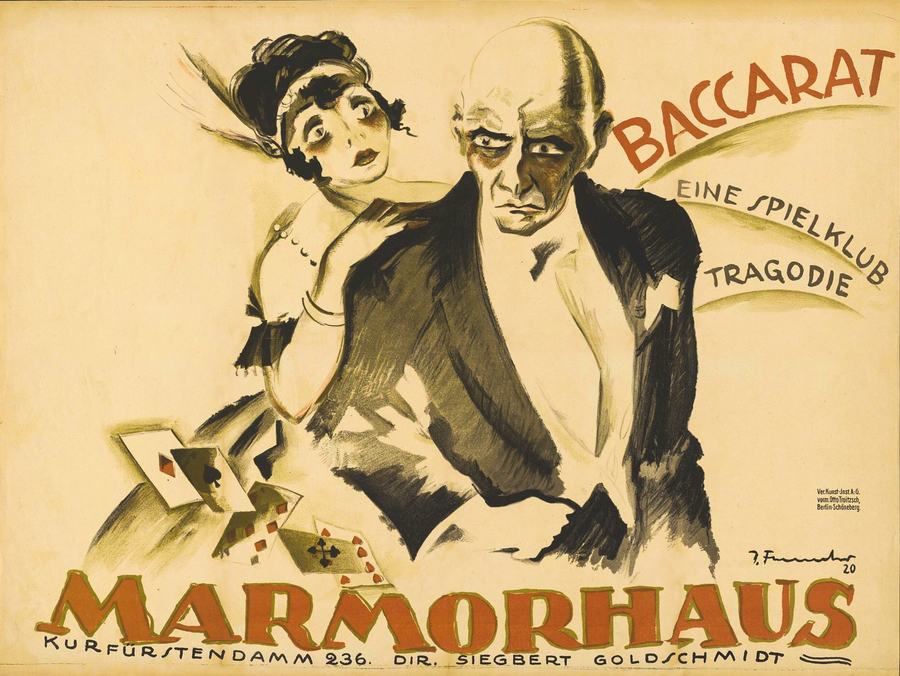
Stepping into the world of 'Baccarat,' one is immediately enveloped in the opulent yet precarious atmosphere of a bygone era, a time when the flick of a card could determine destines and the rustle of silk concealed a multitude of sins. This silent film, a compelling tapestry woven by the pens of Josef Ewald and Karl Wilczynski, transcends its period setting to deliver a narrative that remains startlingly relevant, exploring the intoxicating pull of chance and the devastating consequences of unchecked ambition. It’s a film that speaks not just of the 1920s, but to the timeless human condition, a testament to the power of visual storytelling when dialogue was but a dream.
At its heart, 'Baccarat' is a meticulously crafted melodrama, anchored by the compelling struggle of Count Erich von Waldenau, a character brought to life with a captivating blend of aristocratic charm and burgeoning desperation by Hans Heinrich von Twardowski. Twardowski, known for his ability to convey profound internal conflict without uttering a single word, imbues Erich with a raw vulnerability that makes his descent into the world of high-stakes gambling utterly believable. His family's once-illustrious fortune is fading, an allegorical reflection of the shifting sands of European society in the wake of the Great War. The ancestral estate, more than just bricks and mortar, represents his heritage, his identity, and the future he desperately wishes to share with Helene, the virtuous governess who has captured his heart. Molly Wessely portrays Helene with an ethereal grace, her quiet strength a stark contrast to the swirling chaos that threatens to engulf Erich. Their love story, a tender subplot, serves as both Erich's primary motivation and his ultimate tether to a world beyond the green felt table.
The societal pressures are palpable, personified by Ludwig Hartau's Baron von Kessel, Erich's calculating uncle. Hartau excels in portraying the cold, pragmatic face of a declining aristocracy, his every gesture dripping with an almost reptilian cunning as he pushes Erich towards a loveless, financially expedient marriage. This familial manipulation sets the stage for Erich's fateful encounter with Monsieur Dubois, played with a magnetic, almost predatory allure by Reinhold Schünzel. Schünzel, a master of nuanced villainy, crafts Dubois not as a simple antagonist, but as a suave, enigmatic figure who understands the human psyche's weaknesses, particularly the siren song of quick riches. His clandestine baccarat salon is more than just a gambling den; it is a crucible where desperation meets destiny, a gilded cage for the souls of the financially desperate and the morally lax.
The brilliance of Ewald and Wilczynski's screenplay lies in its gradual escalation. Erich's initial forays into Dubois's world are tentative, driven by a hopeful, almost naive belief that he can control the outcome. But the game, like a living entity, begins to consume him. The film meticulously charts his transformation from a hopeful, albeit reckless, young man into a haunted, desperate figure, his eyes reflecting the growing shadow of obsession. This narrative arc is reminiscent of the moral quandaries explored in films like The Might of Gold, where the pursuit of wealth often leads to spiritual impoverishment. The subtle shifts in Twardowski's performance, from youthful exuberance to gaunt despair, are nothing short of masterful, demonstrating the profound expressive capabilities of silent cinema.
Beyond the central figures, 'Baccarat' boasts an ensemble cast that enriches its intricate narrative. Max Gülstorff, as a loyal family friend, provides a much-needed moral compass, his expressions conveying both concern and quiet disapproval as he witnesses Erich's downfall. His performance grounds the film in a sense of decency, a stark counterpoint to the moral decay pervading the gambling world. Edgar Sandrock and Fritz Richard, in their supporting roles, add layers to the high-society backdrop, portraying figures who are either complicit in or oblivious to the unfolding tragedy, their presence highlighting the superficiality of the aristocratic circles. Marga Köhler, as a worldly socialite, observes the drama with a knowing cynicism, her subtle reactions speaking volumes about the unspoken rules and judgments of their milieu.
Ida Orloff, with her striking presence, portrays a mysterious woman connected to Dubois, hinting at a past that further complicates the film's moral landscape. Her enigmatic glances and carefully orchestrated movements add an element of intrigue, suggesting hidden agendas and untold stories that lurk beneath the surface of the opulent salon. Blandine Ebinger and Stella May, though perhaps in smaller roles, contribute to the vibrant tapestry of characters, each sketching a brief but memorable impression, reflecting the diverse personalities drawn to the intoxicating allure of the baccarat table. Even Ernst Josef Aufricht and Ferdinand Robert, in their brief appearances, contribute to the film's rich atmosphere, helping to populate a world where every face tells a story.
Reinhold Schünzel's portrayal of Dubois is particularly noteworthy. He commands the screen with a quiet intensity, his suave demeanor masking a calculating mind. His interactions with Twardowski's Erich are a masterclass in psychological warfare, a silent dance of manipulation and desperation. Schünzel’s ability to convey menace through a mere tilt of the head or a subtle smirk is what makes Dubois such a compelling villain, one whose evil is not overt but insidious. His performance elevates the film beyond a simple cautionary tale, placing it firmly within the realm of psychological drama, much like the intricate character studies found in films such as The Woman Under Oath, which similarly delves into the moral complexities of its characters.
The cinematography of 'Baccarat' is a character in itself. The film utilizes striking contrasts of light and shadow, a hallmark of silent German expressionism, to underscore its thematic concerns. The stark, almost clinical lighting of Erich's decaying estate gives way to the warm, yet dangerous, glow of Dubois's salon, visually symbolizing Erich's transition from a crumbling reality to an illusory world of promise and peril. The close-ups on the actors' faces, particularly during the high-stakes baccarat games, are incredibly effective, allowing the audience to witness every flicker of hope, despair, and calculation. This visual language is crucial in a silent film, replacing dialogue with an almost balletic choreography of human emotion. The pacing, too, is meticulously controlled, building tension with a slow, deliberate rhythm that culminates in an explosive climax.
The writers, Ewald and Wilczynski, demonstrate a keen understanding of dramatic structure, weaving together multiple narrative threads to create a rich tapestry. The love story between Erich and Helene, the familial machinations of Baron von Kessel, and the insidious influence of Dubois are all expertly intertwined, each contributing to the escalating sense of dread and inevitability. The script deftly explores themes of fate versus free will, the corrupting influence of wealth, and the fragility of reputation. It poses profound questions about what constitutes true value: is it the fleeting thrill of a win, or the enduring power of human connection? This thematic richness places 'Baccarat' alongside other thought-provoking silent dramas such as The Gray Horizon, which similarly grappled with societal ills and individual moral struggles.
The film's climax is a masterclass in dramatic tension. The final baccarat game, rendered with a palpable sense of desperation, is not merely a contest of cards but a battle for Erich's soul. Helene's desperate intervention, her purity a stark contrast to the decadence surrounding her, is a pivotal moment, forcing a confrontation that reveals the depths of Dubois's manipulation and his long-standing, insidious connection to the von Waldenau family. This revelation, a classic silent film trope, is executed with such dramatic flair that it feels earned, rather than contrived. Frida Richard, in a crucial supporting role, contributes to this revelation, her presence adding another layer to the film's intricate web of relationships and secrets. The resolution, whether redemptive or tragic, leaves an indelible mark, prompting viewers to reflect on the true cost of ambition and the enduring power of love to either save or condemn.
'Baccarat' stands as a significant work within the silent era, particularly in its sophisticated exploration of character psychology and social commentary. It shares thematic DNA with other films of its time that critiqued societal norms and the perils of wealth, such as The Marriage Market, which similarly examined the transactional nature of high-society relationships. Unlike the more overtly political or historical epics like Madame Du Barry, 'Baccarat' focuses its lens on the internal struggles of its protagonists, using the microcosm of the gambling table to represent larger societal forces at play. The film's nuanced portrayal of addiction and desperation also finds echoes in later, more explicit dramas, showcasing its prescient understanding of human frailties.
The performances, particularly those of Twardowski and Schünzel, are exemplary of the acting styles prevalent in early 20th-century German cinema, characterized by expressive physicality and intense emotional projection. Their work here can be seen as a precursor to the more stylized performances that would define German Expressionism, yet it retains a grounded authenticity that prevents it from veering into pure theatricality. The film's aesthetic, while not as overtly distorted as some Expressionist works like Fantasma, still employs visual metaphor and dramatic lighting to heighten emotional impact, demonstrating a subtle mastery of the cinematic craft.
Comparing 'Baccarat' to other films of the period illuminates its unique strengths. While films like Divorced or The Common Law focused more directly on marital strife and social conventions, 'Baccarat' delves into the more insidious corruption that can arise from financial desperation and the allure of forbidden thrills. It's less about the legality of relationships and more about the morality of choices made under duress. The stakes feel higher, the consequences more profound, as the film carefully dissects the psychological toll of gambling. In this sense, it is closer to the existential dread found in films like The Strong Way, where characters are pushed to their absolute limits.
The film's exploration of class, and the precarity of the aristocracy in a changing world, is also a significant element. Erich's struggle to maintain his status and fortune reflects a broader societal anxiety of the era. This theme resonates with films such as Melting Millions, though 'Baccarat' approaches it with a more dramatic and less comedic lens. The film serves as a historical document, offering a glimpse into the anxieties and moral landscapes of post-World War I Europe, a period of immense social and economic upheaval. The writers, Ewald and Wilczynski, skillfully capture this zeitgeist, crafting a story that feels both personal and universally resonant.
'Baccarat' is more than just a silent film; it is a profound cinematic experience that continues to captivate. Its intricate plot, brought to life by a stellar cast under the astute direction, speaks volumes without uttering a single word. The film's exploration of human frailty, the corrupting influence of desire, and the enduring power of love creates a narrative that is both thrilling and deeply moving. For enthusiasts of early cinema, and indeed for anyone interested in the enduring power of storytelling, 'Baccarat' is an essential viewing. It reminds us that some stories are timeless, their resonance transcending the technological limitations of their era to speak directly to the heart of the human condition. It’s a compelling testament to the artistry of silent film, a work that deserves to be rediscovered and celebrated for its dramatic intensity and its enduring thematic relevance. Much like the intricate psychological games in The Game of Three, 'Baccarat' demonstrates the subtle power of internal conflict expressed through masterful visual narrative. This film stands as a vibrant, if dark, jewel in the crown of German silent cinema.
IMDb —
1926
Community
Log in to comment.