DbcultAccessing Vault...
Cult Review
Senior Film Conservator
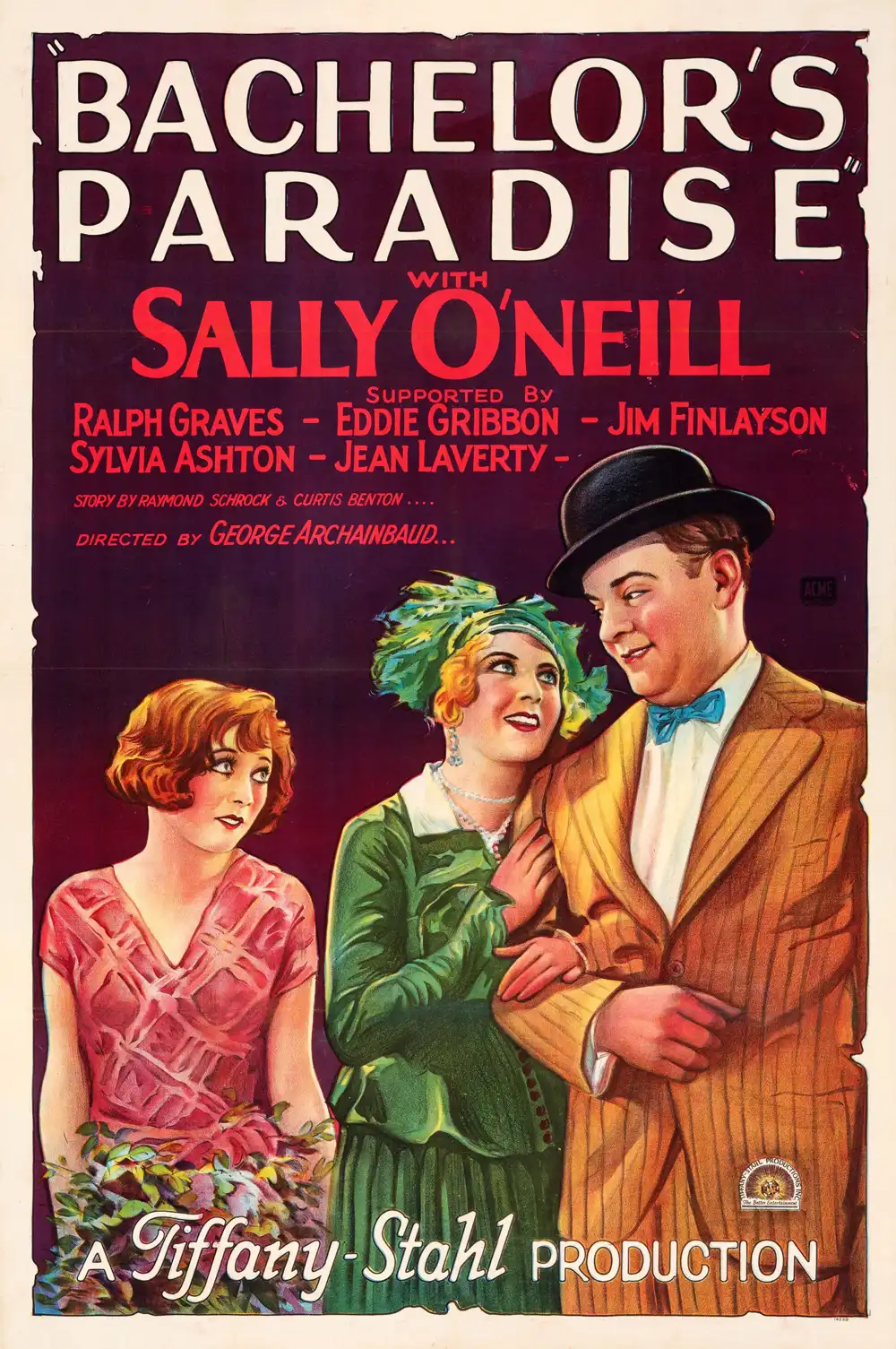
Is Bachelor's Paradise worth seeking out today? Honestly, unless you're a dedicated silent film enthusiast, a completionist for early boxing dramas, or specifically keen on seeing Ralph Graves or Sally O'Neil in their early work, probably not. This is a film for those who appreciate the quirks and conventions of the era, the ones who don't mind a story that lays its emotional beats on thick and often without much subtlety. If you're looking for a nuanced character study or a fast-paced narrative, you'll likely find yourself checking your watch.
The whole thing kicks off with our boxer, Jim (Ralph Graves), getting into a street brawl. And it's… fine. It’s certainly a brawl, with a lot of flailing arms and some genuinely awkward lunges. The moment he sprains his ankle, though, feels a bit like the director just needed him to be incapacitated for the plot to move forward. No real weight to it, just a quick stumble and suddenly he's out of commission, ready to be discovered.
Enter Sally (Sally O'Neil), the girl with the heart of gold who takes him in. Her devotion to nursing him back to health is immediate and absolute. You almost feel the movie trying to convince you that this is a grand, sweeping romance, but the chemistry between Graves and O'Neil feels more like polite acquaintance than burgeoning love. She's all doe-eyed sincerity, while he's got this slightly detached, almost bewildered look through much of their scenes together. It’s hard to tell if he’s supposed to be aloof or just, well, not entirely present. There's a scene where she's fussing over him, and his reaction shot just hangs there for a second too long, making you wonder if he's thinking about her or just his next meal.
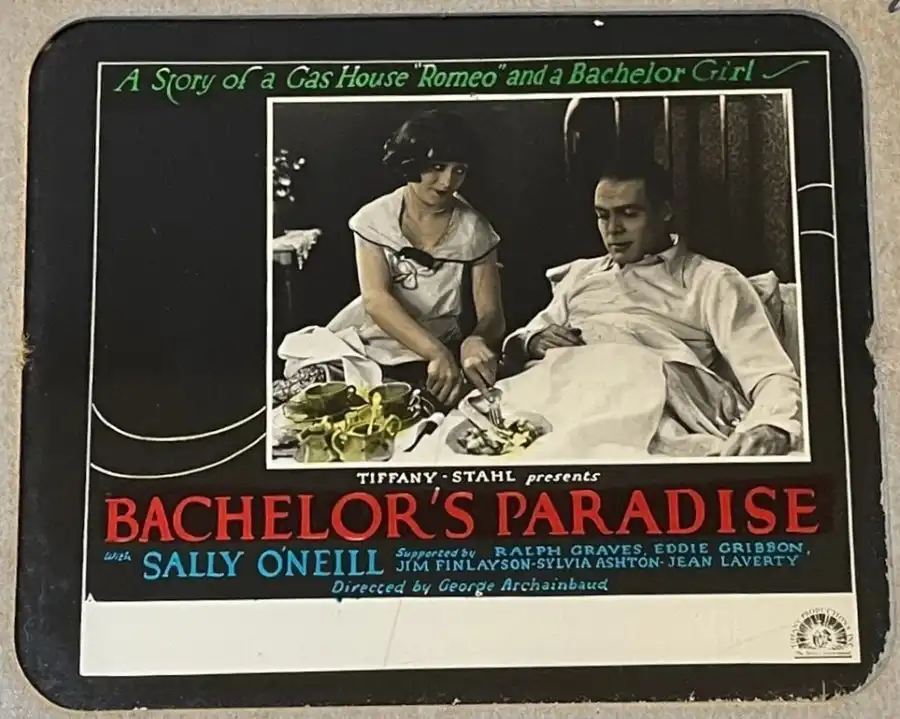
The pacing during this recovery period is a bit of a drag. We get a lot of domestic scenes, designed to show Sally's selfless nature and Jim's slow recovery, but they tend to repeat the same emotional beat without really deepening their connection. It’s not boring, exactly, but it often feels like we're watching a series of illustrations rather than a developing relationship. Then, suddenly, she’s making wedding preparations. Her conviction that he loves her back is so absolute, despite Jim giving off vague, non-committal vibes, that it borders on tragic naivety. You just want to shake her and point out his lack of enthusiasm.
And then the altar scene. Oh, the altar scene. It’s a classic melodrama setup, of course, but Jim’s desertion feels less like a moment of profound internal conflict and more like a character simply following the script's instructions. He just… walks away. The shock on Sally's face is palpable, and O'Neil really sells the heartbreak here, but the scene itself is so abrupt, so lacking in the kind of tension you'd expect from such a betrayal. It leaves you with a strange feeling, not quite anger at Jim, but more a sense of 'oh, okay, so that happened.'
The film then shifts gears pretty hard into the boxing world for its climax. The fight sequences are competently shot for the era, but there's a certain artificiality to the punches. You know the drill: lots of quick cuts, some theatrical swaying, and the crowd extras looking a little too staged. Jim's opponent, played by one of the Cains (I think it was Jim Cain, not Charles), is appropriately menacing, but the whole thing feels like a means to an end. It's not about the sport; it's about getting Jim into a specific emotional state.
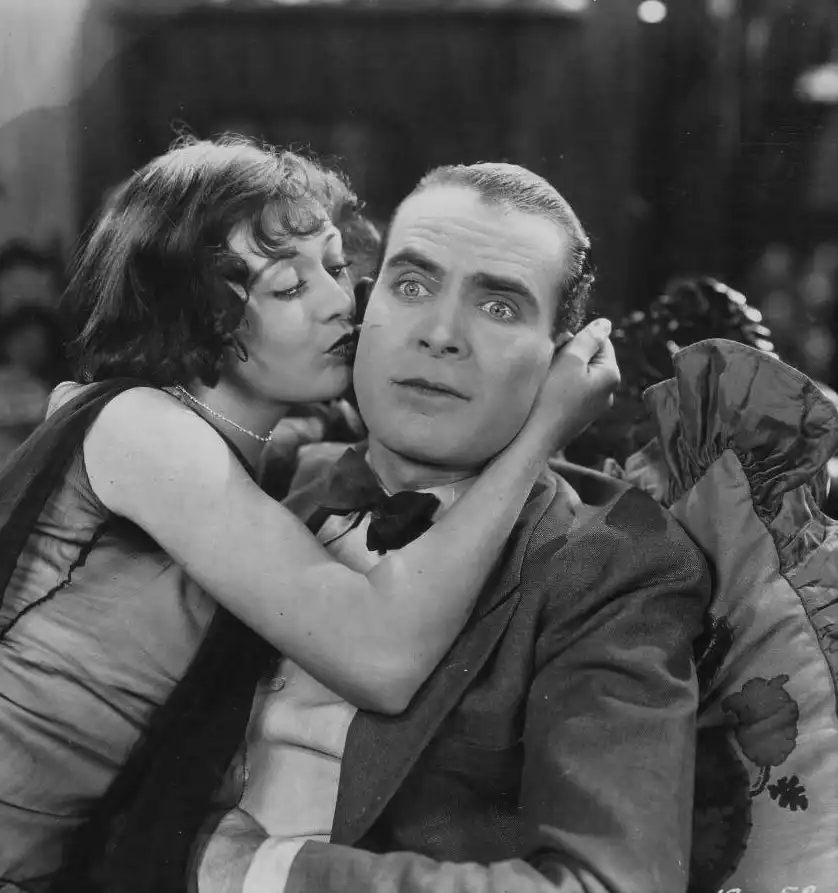
And that state arrives when he's down for the count. This is where Bachelor's Paradise truly leans into its silent film roots, for better or worse. A ghostly, ethereal vision of Sally appears above him, urging him on. It's a visual trope that's either charmingly quaint or laughably earnest, depending on your tolerance for silent film melodrama. For me, it teetered. The way the superimposed image shimmers, it’s a bit much. But then, it works. He gets up. He wins. The sudden surge of strength and clarity, powered by spectral guilt and love, is exactly the kind of over-the-top resolution you expect from this kind of picture.
James Finlayson pops up in a supporting role, and he's always a treat, even if his screen time is limited. He brings a nice, grounded touch to whatever scene he's in, a bit of a respite from the more dramatic swings. His expressions are just so reliably *Finlayson*.
Ultimately, Bachelor's Paradise is a film that presents its story beats without much room for the audience to breathe or connect deeply with the characters' internal struggles. The plot mechanics are all there – the injury, the nursing, the romance, the betrayal, the redemption – but they feel more like checkboxes being ticked than organic developments. It's a curiosity, a glimpse into early cinematic storytelling, but it doesn't quite land with the emotional punch it clearly aims for. You'll watch it, you'll see the story unfold, but you might not feel much by the time the credits roll. It's a paradise, alright, but one where the emotional temperature runs a little cool.
IMDb 5.6
1936
Community
Log in to comment.