DbcultAccessing Vault...
Cult Review
Senior Film Conservator
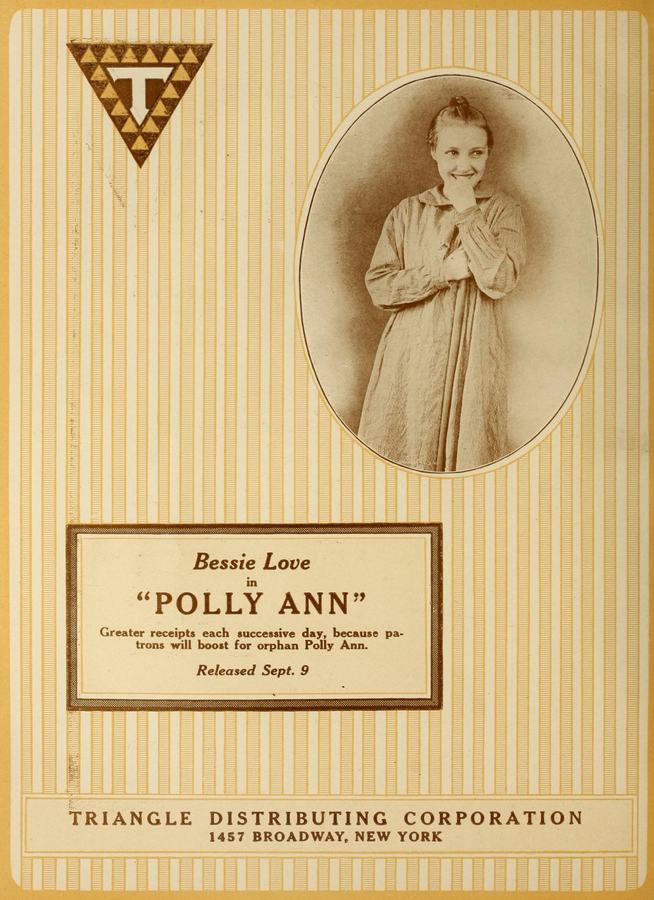
Picture a nickelodeon thick with the scent of vetiver and dust; the projector’s carbon arc spits a comet across the room as Polly-Ann begins its 1917 flicker. From the first iris-in on Bessie Love’s wind-chapped cheeks, the film announces itself as something sturdier than the polite pastorals then glutting the market. It is a folktale soaked in kerosene, a morality play that doubts its own morals.
Director Alfred Hollingsworth, never hailed as a stylist, nevertheless composes frames that feel carved rather than photographed. Note the inn’s hearth: embers glow the exact dark-orange of impending scandal, while Polly’s white cap—starched by poverty—catches the light like a halo overdue for smudging. The camera lingers, breath-held, as if it too fears the next cut.
Silent-era storytelling often leans on the deus ex machina like a crutch whittled into a baseball bat; Polly-Ann swings it with surprising grace. The screenplay—credited to R. Cecil Smith and J.G. Hawks—stitches together three strands: provincial drudgery, cosmopolitan slumming, and the sudden rupture of inherited wealth. Each act is color-coded in emotional temperature rather than title cards. The opening reels exhale slate-gray labor; the middle burns with carnivalesque crimsons; the finale cools to a turquoise reconciliation that feels almost aquatic after so much smoke.
Bessie Love’s Polly begins in a crouch, shoulders folded like a closing pocketknife. Watch how her gait changes once the actor troupe’s wagons creak into frame: spine elongates, pupils dilate, the hem of her dress seems to flirt with her ankles. It is silent cinema’s purest alchemy—metamorphosis without words.
William Ellingford’s itinerant thespian oozes a curdled charisma; his eyebrows are semaphores of insincerity, yet the camera betrays a glint of self-loathing that complicates the villainy. Rowland V. Lee, essaying Howard Straightlane, carries himself with the stiff spine of someone who has never been hungry but has certainly been hollow. Their clash beneath the wagon lanterns—lit by a single swinging bulb that spatters shadows like blown ink—becomes a miniature morality play inside the larger arc.

And then there is Josephine Headley as the rapacious cousin, a woman who enters each scene as though scenting blood across parquetry. She delivers her intertitle threats with a smile so rigid it could crack Sèvres. In her final close-up, Hollingsworth floods her face with molten orange light, turning envy into a physical bruise.
Compare the inn’s splintered floorboards—each nail head a tiny moon of rust—to the marble foyer where Polly is later paraded like a newly minted coin. The cutting pattern refuses gentle fades; instead we smash-cut from grime to gilt, a visual whiplash that implicates the viewer in the same social vertigo Polly feels. Cinematographer Walt Whitman (yes, namesake of the poet, though no relation) favors low-angle shots that make doorframes loom like guillotines, a reminder that class mobility can decapitate as easily as liberate.
The film’s most arresting image arrives midway: Polly stands at the riverbank, the actor’s beribboned hat in her trembling hands. Behind her, the water reflects not sky but the painted canvas of the troupe’s stage backdrop—an upside-down paradise. For a heartbeat, artifice and nature merge, and we grasp the story’s thesis: every role is a costume, every inheritance a performance.
At 58 minutes, Polly-Ann is fleet but never breathless. The editing cadence mimics a heartbeat: languid in the tavern sequences, fibrillating during the actor’s on-stage swordplay, then settling into a steady dignified thrum once the will is read. Intertitles appear sparingly; Hollingsworth trusts faces to conjugate emotion. When Bessie Love finally smiles—teeth, dimples, the whole cathedral of relief—it lands harder than any dialogue could.
Aficionados of The Innocence of Lizette will spot the shared preoccupation with rural virtue beset by urban wolves. Yet where Lizette cushions its finale in devotional piety, Polly-Ann opts for a more pragmatic grace: forgiveness inked in legal ledgers. Conversely, His Wife reverses the power axis, granting the metropolitan woman moral authority over her hayseed spouse, whereas here the country orphan ultimately schooling her urbane kin feels quietly radical.
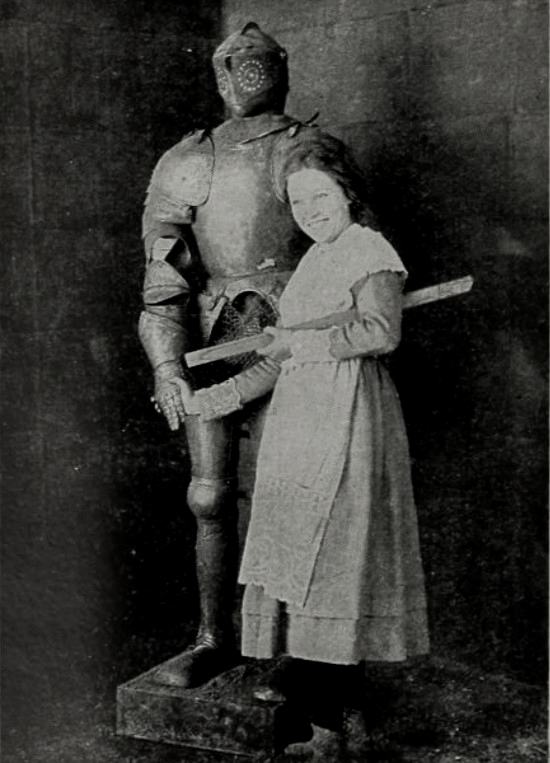
If you hunger for further silent meditations on fortune’s fickleness, chase down The Waxen Doll or Mortmain; both prowl the same gilt corridors of inherited guilt, though neither matches the tremulous humanism flickering at the core of Polly-Ann.
Surviving prints are silent, yet curators often retrofit them. At the 2019 Pordenone retrospective, a trio performed a commissioned score—piano, viola, and hand-cranked hurdy-gurdy. During the riverbank tableau, the viola slid into a keening harmonic that mirrored the ember glow onscreen; the audience collectively forgot to breathe. If you screen the film at home, cue Max Richter’s Infra 4–6: the strings map perfectly over the final forgiveness scene, each bow stroke a thawing river.
Beneath its nickelodeon charms, the picture stages a stealth critique of patrilineal capitalism. Polly’s labor—scrubbing, serving, smiling—literalizes women’s invisible upkeep of society; when her uncle’s letter redirects her fate, money becomes a masculine deus that can anoint or erase. Yet the film slyly undercuts this: Polly’s refusal to capitulate to her cousin’s blackmail is less innocence than insurgency, a recognition that virtue itself is a currency she can spend how she chooses. Howard’s transformation, meanwhile, is rendered not as savior complex but as education; he must unlearn entitlement in the same schoolhouse where he teaches Longfellow.
No print is complete; a 47-second segment during the cousin’s scheming supper remains lost, replaced by a still card. The continuity hiccup is jarring, but cinephiles may argue the lacuna intensifies the melodrama—absence as phantom limb. More troubling is the comic-relief stablehand, a minstrel-coded caricade that dates the film cruelly. Modern restorers have opted to tint these sequences in sea-blue, muting the visual offensiveness while preserving history’s scar.
In an era when algorithmic plots flatten stories into pallid content, Polly-Ann reminds us that narrative convolution can still throb with pulse. Its coincidences feel fated rather than lazy because every gear is lubricated by emotional honesty. Bessie Love’s eyes—wide, glassy, yet fiercely sentient—carry an ache that transcends decade or dialect.
Seek it out however you can: 16 mm at a repertory church, a rip on a scholar-only digital portal, or—if the stars align—a carbon-arc screening with live accompaniment. Let the final glow of dark-orange forgiveness flood your retina; then walk outside, taste the nickel of night air, and notice how the streetlights tremble like the fragile film itself—forever on the verge of flaring out, yet for one enduring instant utterly incandescent.
Grade: A- (for its bruised lyricism and the courageous refusal to equate wealth with worth)
IMDb 6.2
1923
Community
Log in to comment.