DbcultAccessing Vault...
Cult Review
Senior Film Conservator
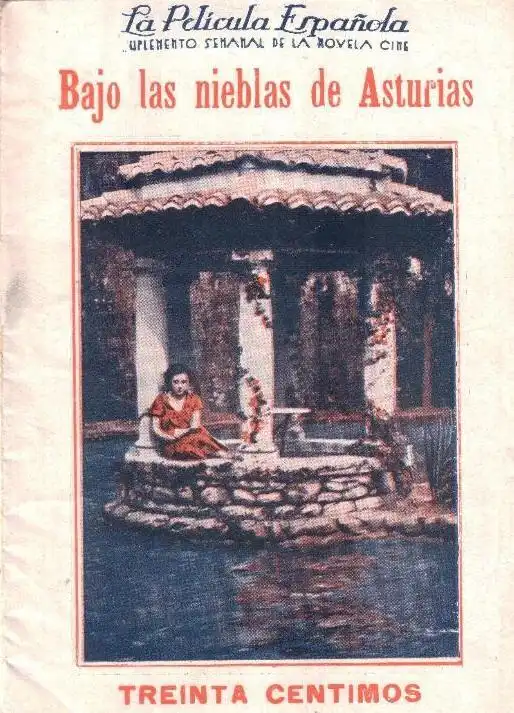
Bajo las nieblas de Asturias is not a film you watch for the plot. If you are looking for a gripping narrative or psychological depth, you will be disappointed within the first ten minutes. However, if you have a tolerance for slow-burn regionalism and want to see what 1920s Spain looked like when it wasn't trying to imitate Hollywood, it has a certain clunky charm. It is a film for the patient viewer and the historian, not the casual moviegoer.
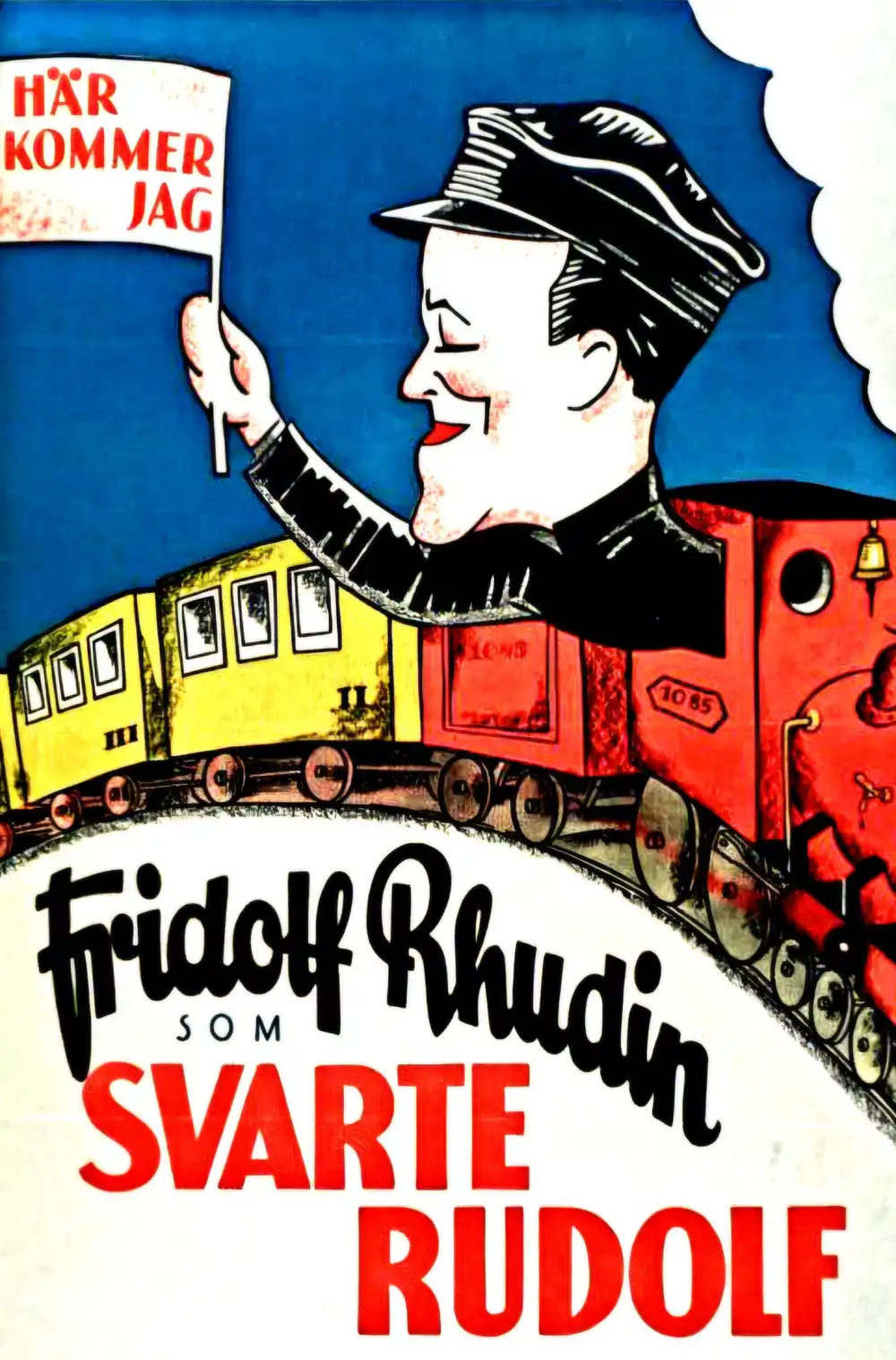
The short answer is: only if you care about the history of Spanish cinema or the specific geography of Asturias. For anyone else, the pacing will feel agonizing. Unlike the high-energy comedies of the same era, such as Grandma's Child, this film moves with the speed of a glacier. It is a work of regional pride that often forgets to be a movie.
1) This film works because the location photography captures a ruggedness that studio sets can't replicate.
2) This film fails because the narrative is secondary to the scenery, leading to glacial pacing.
3) You should watch it if you are a completionist of Spanish silent cinema or interested in Asturian folklore.
The most striking thing about Bajo las nieblas de Asturias is how much it relies on its environment. Directors of this period often struggled with the transition from stage-bound sets to the outdoors, but here, the mountains are inescapable. The camera, handled with a surprising amount of steadiness, lingers on the stone houses and the mist-covered valleys. It feels less like a drama and more like a series of postcards that occasionally feature people.
Eduardo Martínez Torner and Julio Peinado clearly had a deep affection for the landscape. Torner, a noted musicologist, seems to have approached the film with the eye of a collector. He isn't just filming a story; he is collecting images of a way of life. This leads to a major structural problem: the film stops dead for minutes at a time just to show us people walking through the fog or standing near a cliff. It’s beautiful, but it’s also exhausting.
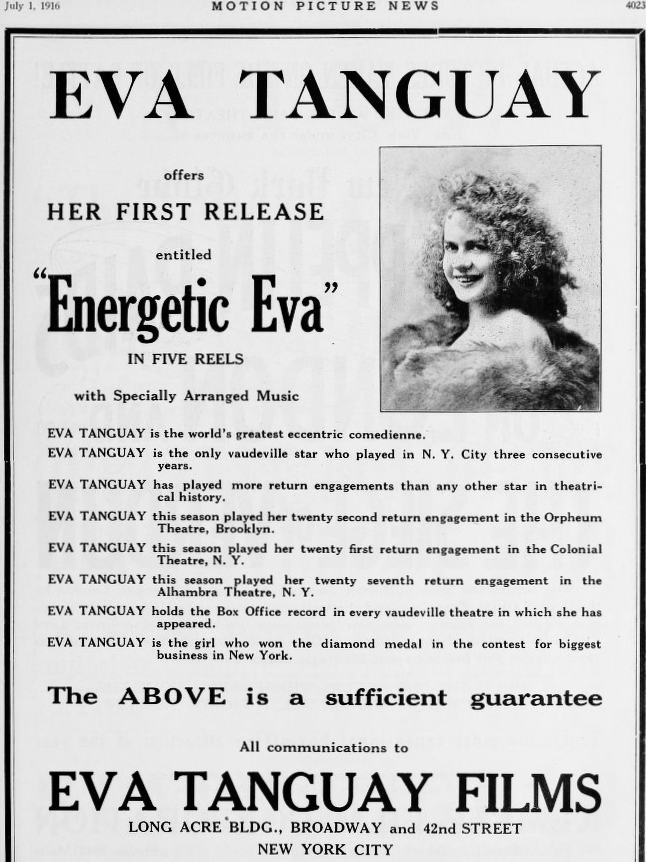
The acting is, to put it bluntly, wooden. Juan Nadal and Lina Moreno spend much of the film looking like they are waiting for someone to tell them where to put their hands. There is a lack of fluidity in their movements that makes the romantic stakes feel non-existent. When you compare this to the expressive, almost acrobatic acting found in American films like The Hell Cat, the limitations of this production become obvious.
There is a specific scene involving a confrontation near a traditional granary (hórreo) where the tension should be high. Instead, the actors stand several feet apart, gesturing broadly at the sky. It lacks the intimacy required to make the audience care about the love triangle. The supporting cast, including José Suárez 'Pinón', brings a bit more local flavor, but they are often relegated to the background while the leads pose for the camera.
One debatable point is whether the film’s amateurishness actually helps its authenticity. Some might argue that the stiff acting reflects the reserved, stoic nature of the mountain people. I don't buy it. It feels more like a lack of professional direction. However, this lack of polish does mean the film avoids the sugary, artificial sentimentality that plagued many rural dramas of the 1920s. It feels cold and damp, which is exactly how the mountains feel.
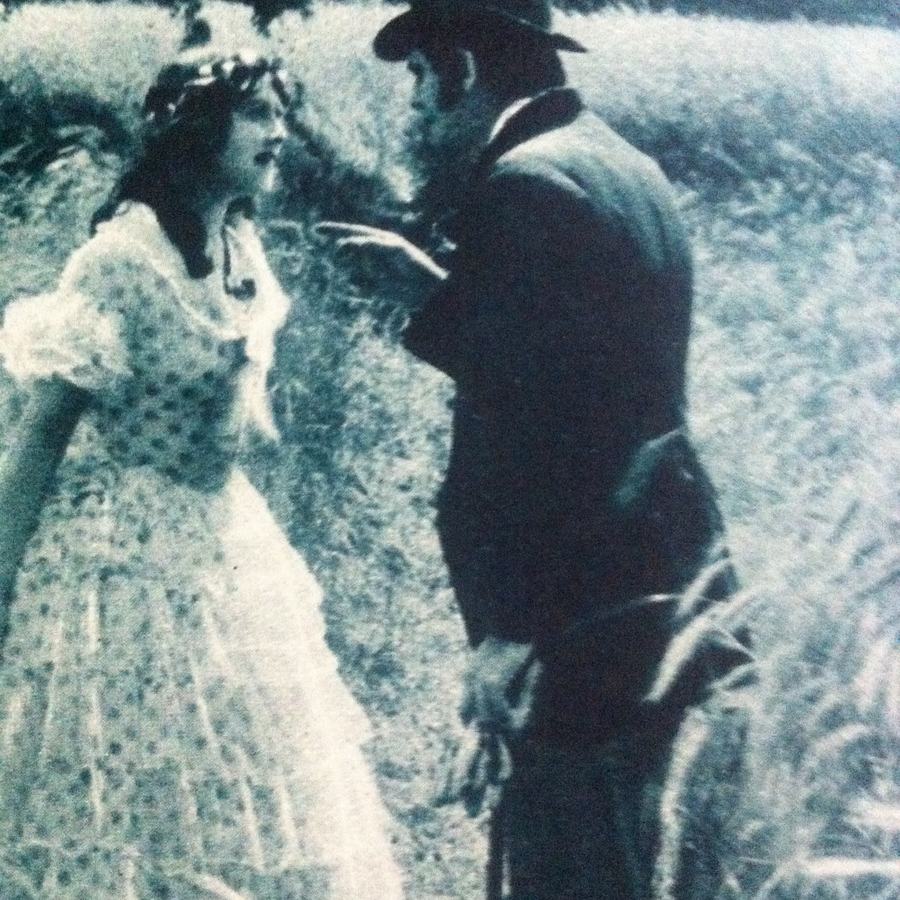
In many ways, it shares DNA with 'A mala nova, another film that prioritizes its regional identity over broad commercial appeal. Both films suffer from a certain narrative thinness, but they succeed in creating a specific atmosphere that you won't find in more polished productions. The film doesn't try to be anything other than a slice of Asturian life, and there is a certain honesty in that narrow focus.
Bajo las nieblas de Asturias is a difficult film to love but an easy one to respect for its commitment to its setting. It is essentially a silent travelogue disguised as a melodrama. The mountains look incredible, the mist is atmospheric, and the people look like they belong to the earth. But as a piece of dramatic storytelling, it is primitive. It lacks the rhythmic editing of its contemporaries and relies too heavily on the audience's patience. Watch it for the views, but keep your expectations for the story underground.

IMDb 5.5
1935
Community
Log in to comment.