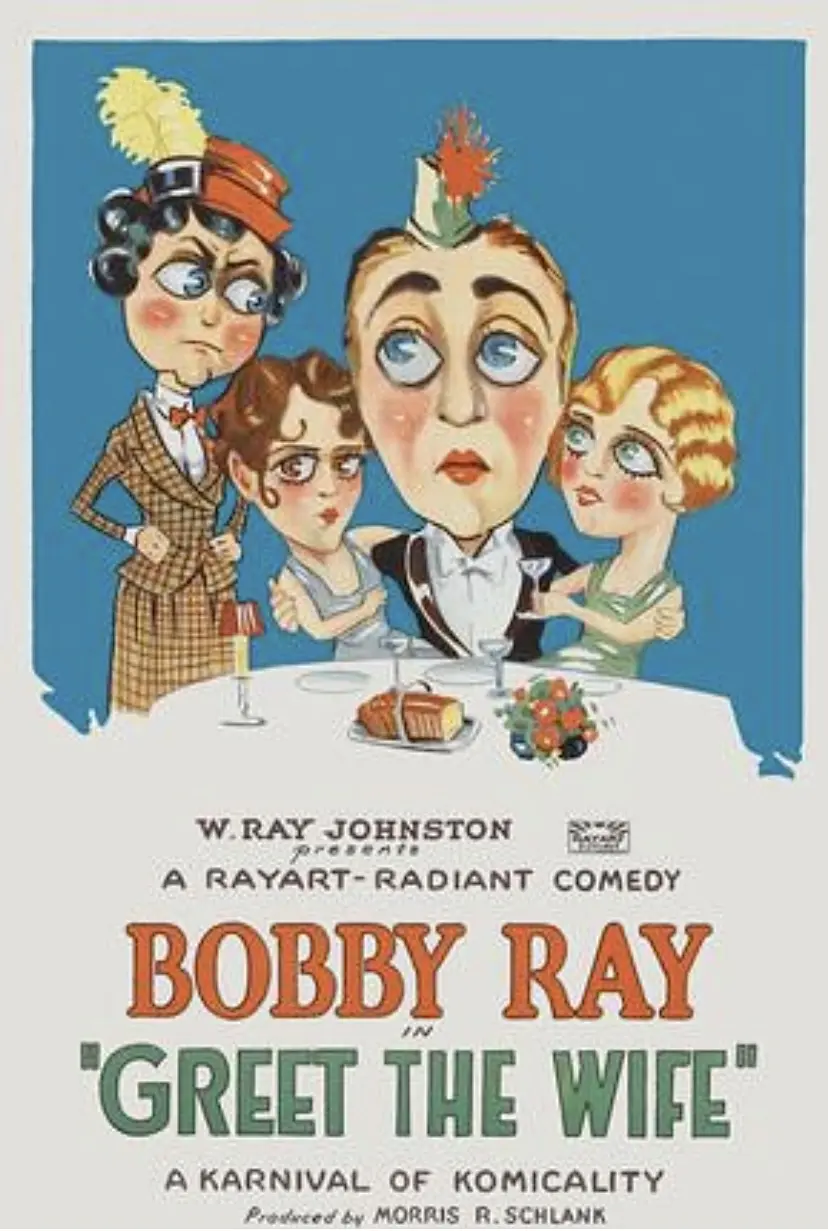
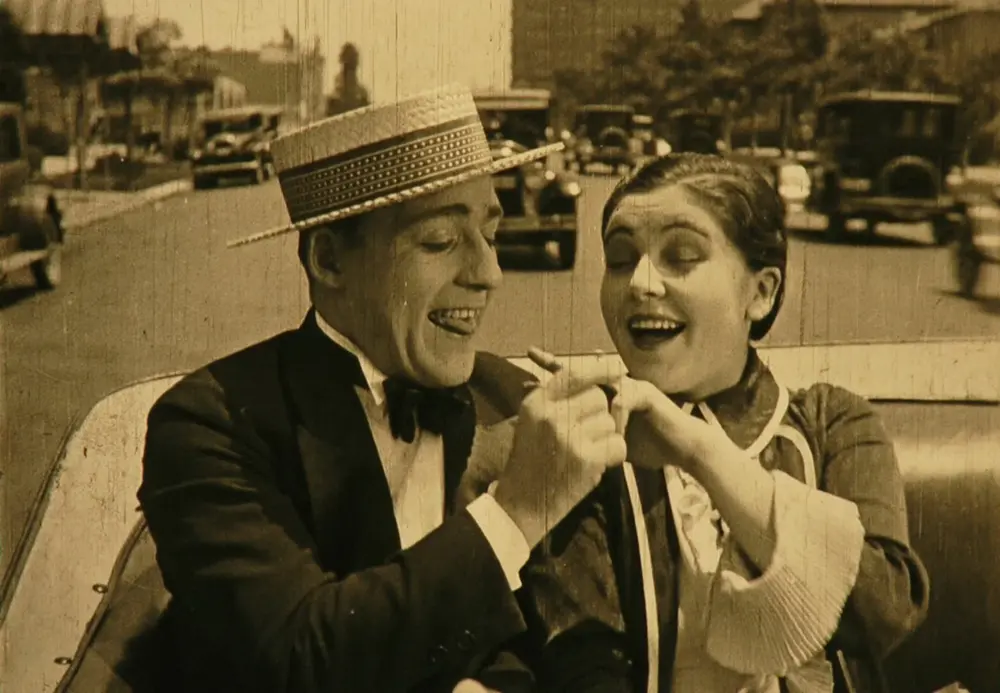
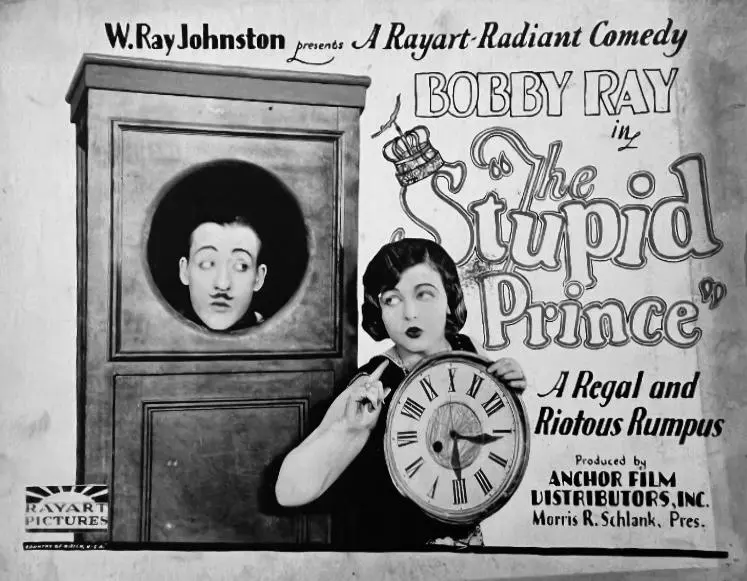
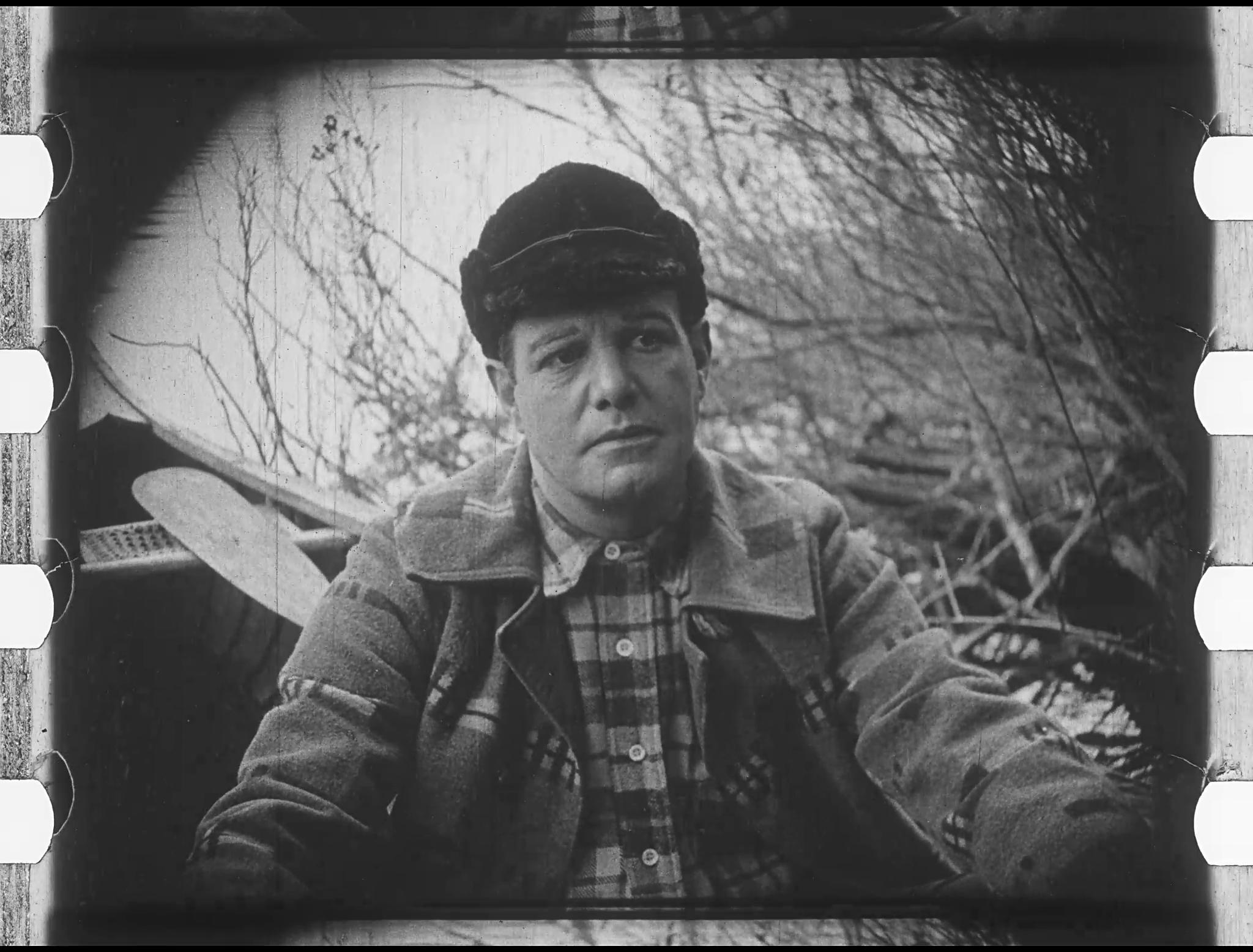
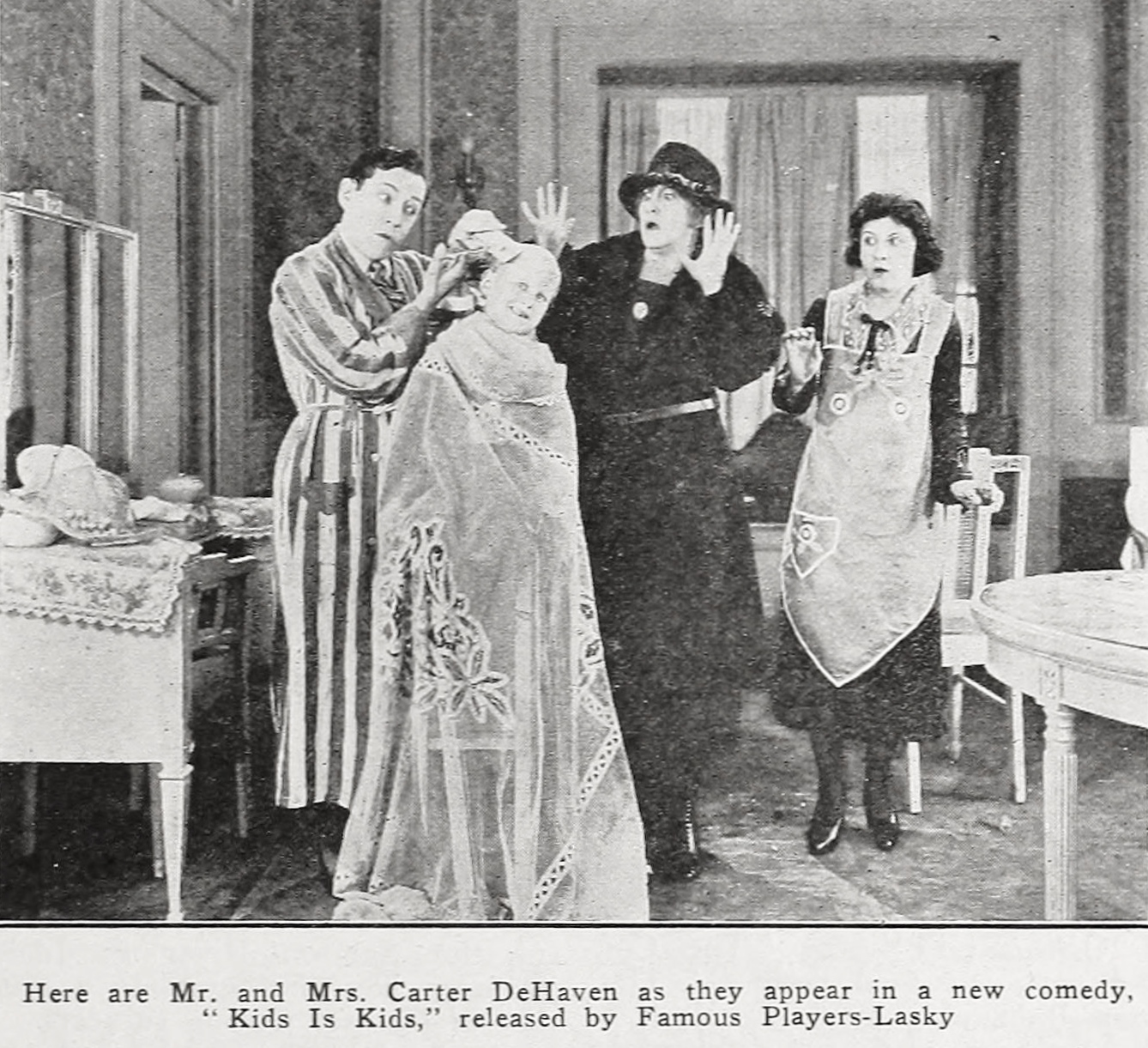
"Some people have bright futures; others are married," says an opening title even before we glimpse the protagonists illustrating that bleak sentiment in this nonetheless frantic silent comedy. Bobby Ray stars as the husband whose mutual sub-bliss with a blonde flapper wife is sustained by her mother's cheques (which were intended to support the offspring they haven't bothered to have).
Al Martin
United States

Is 'Grandma's Child' worth watching today? For silent film aficionados and those curious about the roots of American slapstick, the answer is a resounding yes, but with caveats that temper its initial frantic charm.This two-reeler is a fascinating, if slight, historical artifact that will appeal to viewers interested i...
Comparing the cinematic DNA and archive impact of two defining moments in cult history.
Scott Pembroke
Lloyd Ingraham
Community
Log in to comment.
In the frantic, often morally ambiguous world of 1920s silent comedy, Al Martin’s Grandma's Child presents a stark, albeit farcical, look at marital opportunism. The film chronicles the domestic arrangement of Bobby Ray, an energetic male-ingenue, and his flapper wife, whose luxurious idleness is entirely subsidized by the wife’s mother. The catch? These generous cheques are explicitly intended for the support of a grandchild the couple has conspicuously failed to produce. When the suspicious matriarch announces an imminent visit, the duo plunges into a desperate, no-holds-barred scramble to procure an infant, any infant, to maintain their lavish deception. It’s a narrative built on the precarious tightrope walk between sustaining a comfortable lie and the inevitable, chaotic exposure.
"Is 'Grandma's Child' worth watching today? For silent film aficionados and those curious about the roots of American slapstick, the answer is a resounding yes, but with caveats that temper its initial frantic charm.This two-reeler is a fascinating, if slight, historical artifact that will appeal to viewers interested in the evolution of comedic timing and performance, yet it will likely test the patience of anyone seeking deep narrative or modern comedic sophistication.Released in an era brimmin..."
Deep dive into the cult classic
Discover similar cinematic experiences
A Directorial Spotlight on Scott Pembroke