DbcultAccessing Vault...
7.2/10
Senior Film Conservator
A definitive 7.2/10 rating for a film that redefined the boundaries of cult cinema. Balançoires remains a cornerstone of transgressive art.
So, is Balançoires something you should watch today? Yeah, if you’re in the mood for something that just… sits with you. Not for everyone, certainly. If you need a fast plot or big, loud moments, best to steer clear. But for those who appreciate quiet observation, a film that really lets moments breathe, you might just find something rather lovely here. It’s a real slow burn, for sure. 🔥
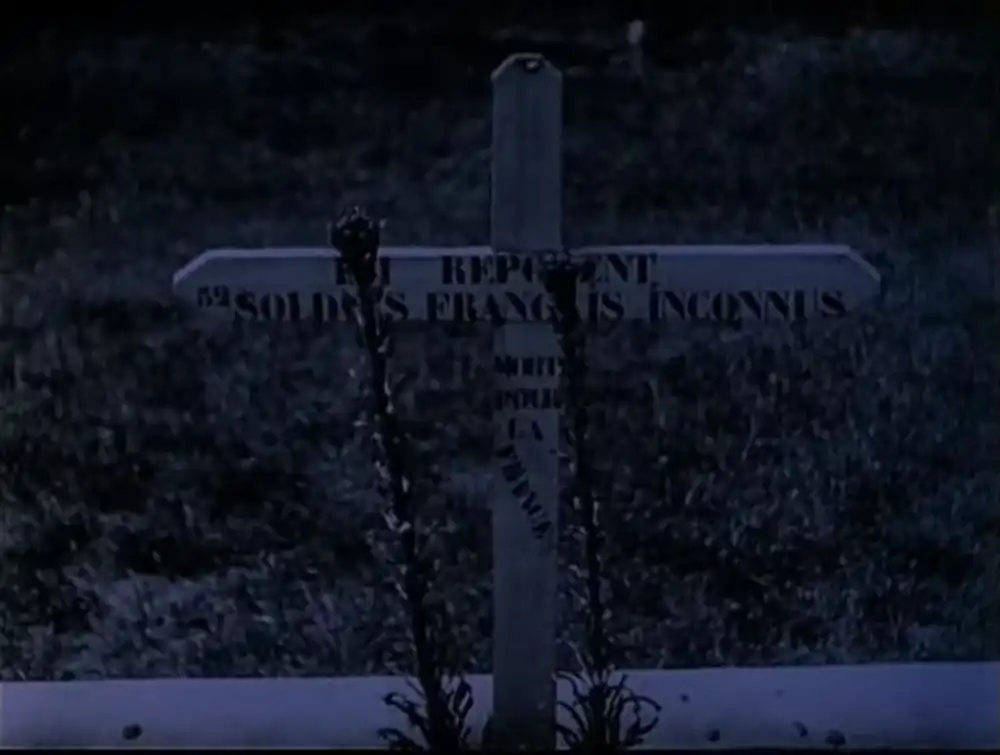
This movie feels less like a story being told and more like a collection of memories unfolding, not always in order. It has this way of looking at everyday things, making them feel significant. A creaking swing set, for instance, gets a lot of screen time, and honestly, it earns it.
Huguette Dore, she’s got this presence. You see her character just observing, often from a distance, and there’s so much happening behind her eyes without her saying a word. It’s like she’s carrying a whole world of thoughts, and the camera just lets us sit with that. One scene, she’s just watching children play, and the camera lingers for what feels like a good minute. It’s a long shot. Some might call it indulgent. I thought it was kind of perfect, actually.
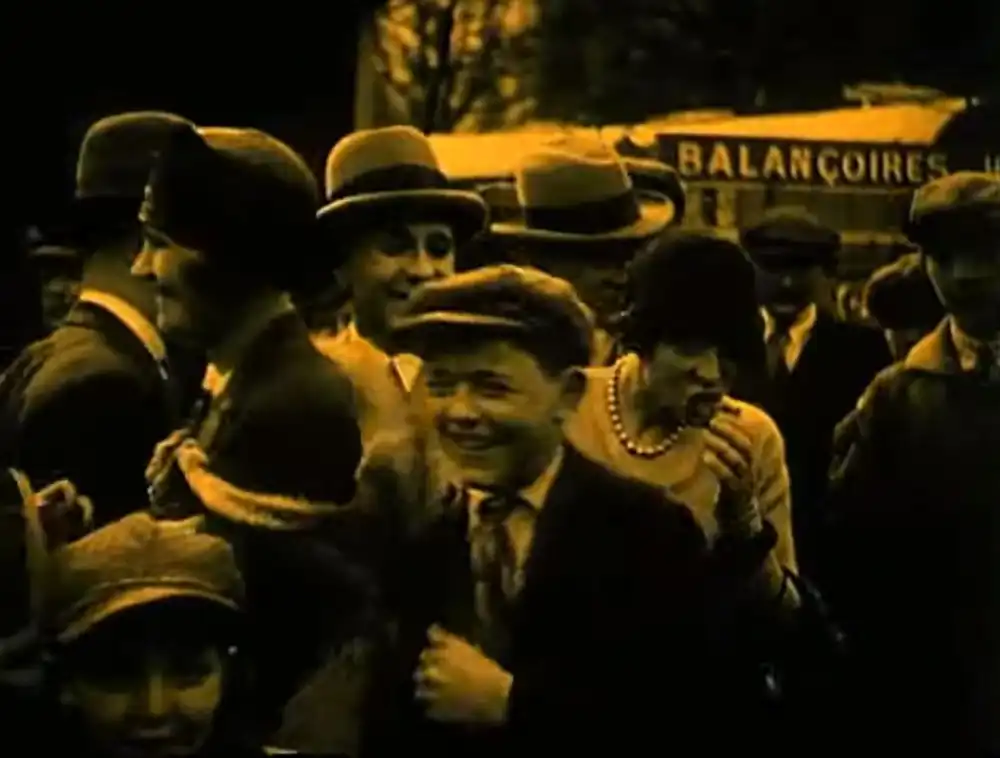
The pacing, it's something else. It lets scenes play out, sometimes to an almost uncomfortable degree, but then that awkwardness turns into something else, something deeper. You start to notice things you wouldn't in a faster film. Like the way light hits a dusty windowpane. Or the precise rhythm of an old man's walk.
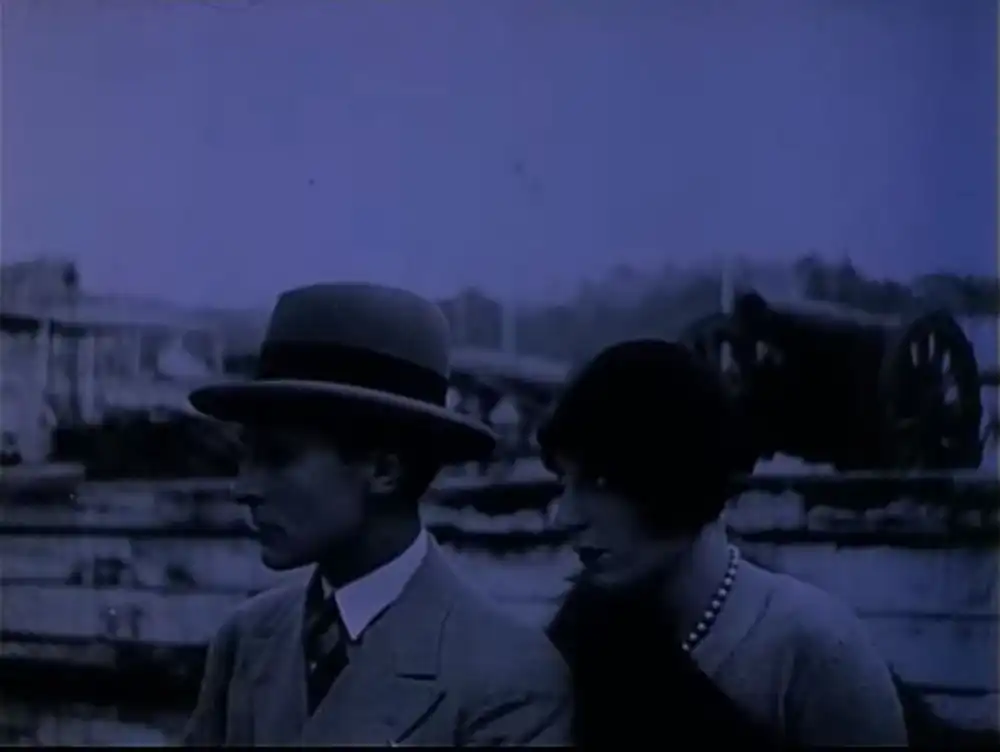
Hubert Daix brings a certain kind of grounded weight to his scenes, even when he’s just sitting quietly. He often feels like the anchor of whatever scene he's in. And there’s this quiet conversation with Valentine Gragowska, it’s not about the words, really. It’s about the pauses, the way they look at each other, or perhaps, don't look at each other. You can almost feel the weight of unspoken things between them. It’s good.
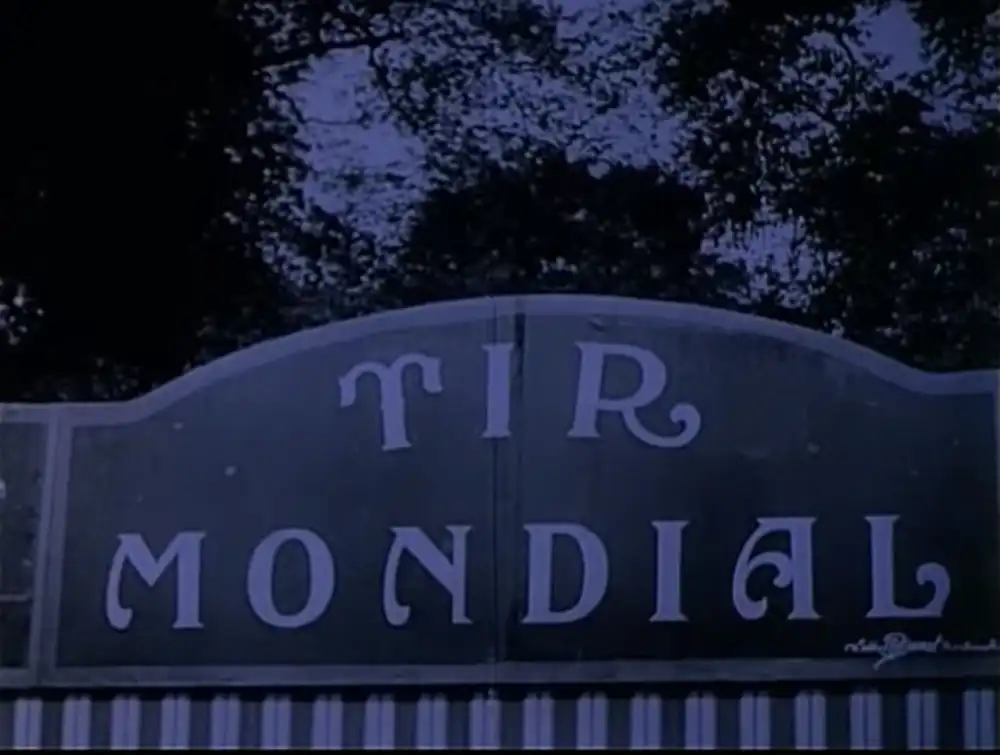
The film doesn't really have a 'plot' in the traditional sense. It meanders. One moment you're in a park, the next you're inside a rather plain apartment, and then back outside again. It feels less like a narrative and more like an experience. Like you’re just visiting for a bit.
One scene, I remember thinking, is this going somewhere? It was just Roland Six’s character, making coffee. The whole process. Grinding the beans, pouring the water. It goes on a bit. But by the end, you feel this weird calm. This small, mundane ritual somehow feels important.
The music, when it comes in, isn't a big, soaring score. It’s more like a subtle hum, or sometimes just the natural sounds of the environment, amplified. The creaking of the swings, the distant chatter of children, a sudden laugh from Josette Perdriat that just cuts through the quiet. It’s really effective, making you lean in a bit more.
It's not a film that gives you easy answers or neatly ties everything up. The ending doesn’t resolve anything, not really. It just… stops. Like life often does, you know? It leaves you with a feeling, a mood, a gentle melancholy, maybe. Or perhaps a sense of quiet understanding. 🤷♀️
This Balançoires review isn't going to tell you it's the most exciting film you'll ever see. It’s definitely not that. But it’s one that sticks with you, quietly. It reminds you to appreciate the small things, the moments between the big events. And sometimes, that's exactly what you need a movie to do.
IMDb 5
1924
Community
Log in to comment.