DbcultAccessing Vault...
7.2/10
Senior Film Conservator
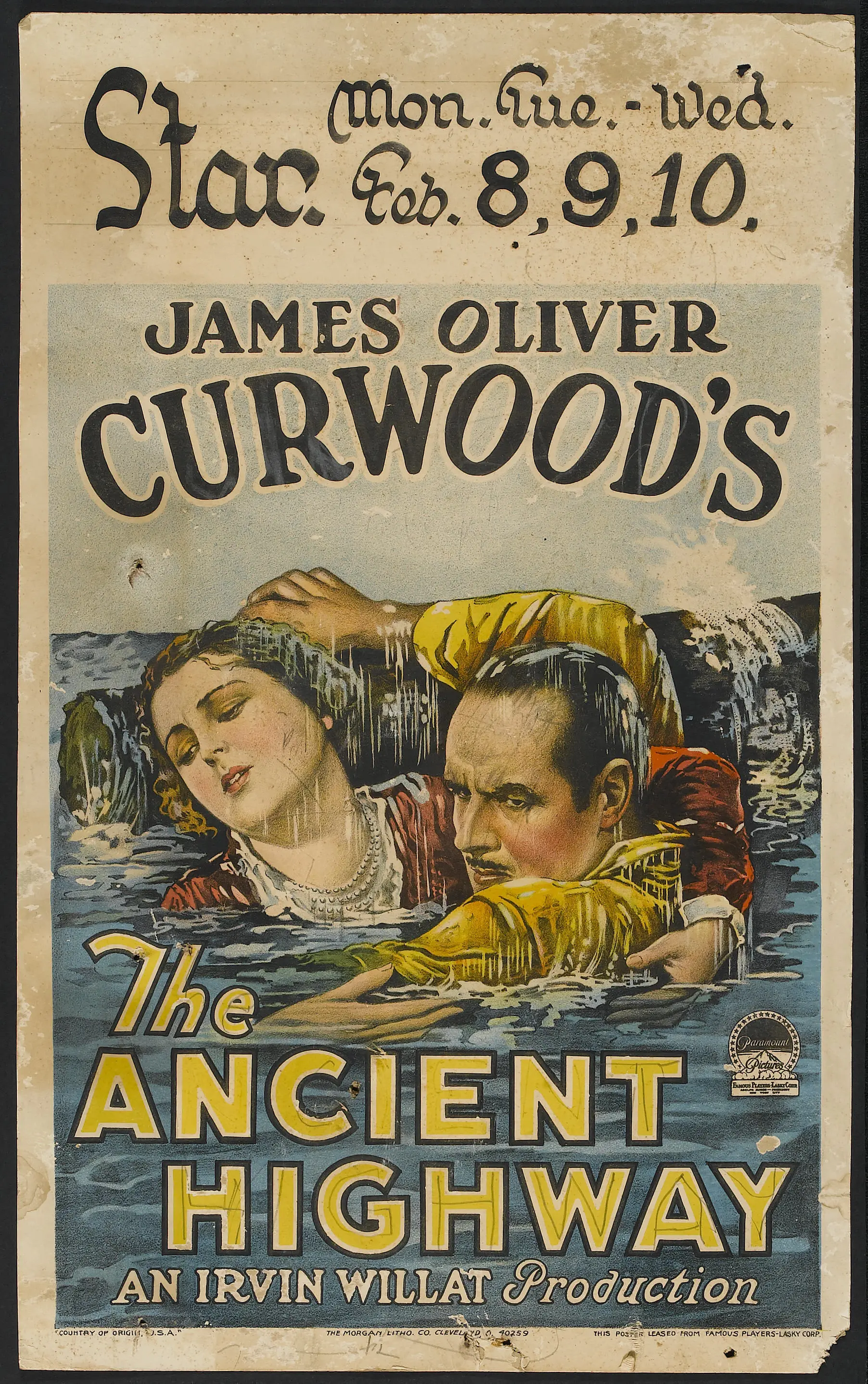
A definitive 7.2/10 rating for a film that redefined the boundaries of cult cinema. The Ancient Highway remains a cornerstone of transgressive art.
Does The Ancient Highway offer a journey worth taking for modern audiences? Short answer: yes, but only if you trade your expectations for spectacle for an appreciation of atmospheric grit. This is a film for those who find beauty in the intersection of natural landscapes and human desperation, though it will likely alienate viewers who require the breakneck pacing of contemporary thrillers.
The Ancient Highway is a curious artifact of 1920s cinema that feels surprisingly modern in its cynicism toward local authority and corporate greed. It doesn't rely on the stagey mannerisms common in films like Trilby; instead, it leans into the physical reality of its setting. It works. But it’s flawed. The narrative structure occasionally stumbles over its own backstory, yet the core conflict remains as sharp as a jagged rock in the St. Lawrence rapids.
The Ancient Highway is a solid example of 1920s outdoor adventure that holds up due to its authentic locations and Jack Holt's grounded performance. While the plot follows familiar revenge tropes, the river-based escape sequences provide a unique tension that distinguishes it from standard studio fare. It is a vital watch for silent film enthusiasts but a 'skip' for those who find the slower cadence of the era tedious.
1) This film works because it treats the Canadian wilderness as a claustrophobic trap rather than just a postcard.
2) This film fails because the transition from the global travel backstory to the small-town revenge feels rushed and poorly explained.
3) You should watch it if you prefer your silent era protagonists to have more dirt under their fingernails than grease in their hair.
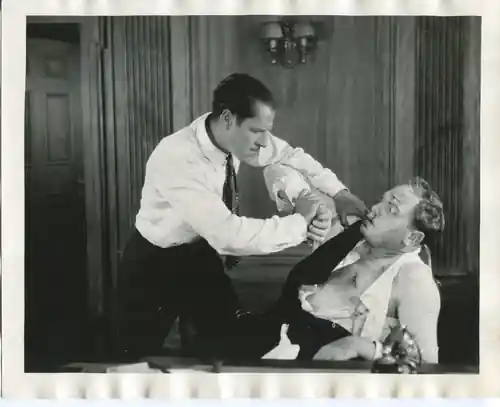
The film opens with a sense of impending doom that many silents of the era, such as The Secret of the Moor, struggle to establish. Clifton Brant’s return is not celebrated; it is a disruption. Jack Holt plays Brant with a weary intensity that suggests his world travels weren't a vacation, but a long hardening process. When he confronts Ivan Hurd, played with a delightful, oily menace by Montagu Love, the tension isn't just personal—it’s economic. Hurd represents the encroaching industrialist who views the river as a ledger, while Brant views it as a heritage.

The pacing in the first act is remarkably tight. We see the mechanics of Hurd’s corruption as he effortlessly turns the local constabulary into his personal goon squad. The scene where Brant is forced to flee into the woods is a masterclass in spatial storytelling. Unlike the more whimsical escapes in M'Liss, the stakes here feel physical. You can almost feel the dampness of the river air. However, the film slows down significantly once Brant meets Antoinette St. Ives. While Billie Dove is luminous, the script pauses its momentum to establish a romance that feels secondary to the much more interesting theme of mutual survival.
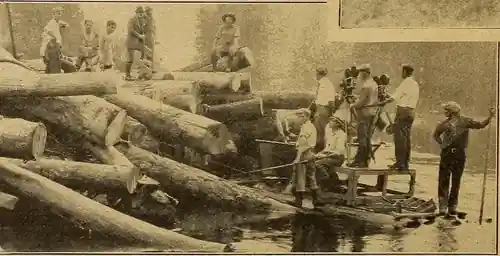
One of my more debatable opinions is that the St. Lawrence River is the true lead of this film, outshining even Jack Holt. The camera captures the water not as a backdrop, but as an obstacle. In the pivotal sequence where Brant uses the timber rafts to evade capture, the cinematography shifts from static wide shots to more dynamic, medium-close perspectives that emphasize the danger of the logs. It’s a sequence that rivals the physical stunts found in The Bull's Eye, yet it feels more grounded in reality.

The lighting, particularly in the night scenes along the banks, is surprisingly sophisticated for 1925. There is a specific moment where Brant and Antoinette are hiding in the brush, and the flickering light of the searchers' lanterns creates a rhythmic strobe effect across their faces. It’s a simple technique, but it heightens the paranoia of the scene. The director understands that the 'Ancient Highway' isn't just a road; it’s a labyrinth of shadows and currents that only those with nothing left to lose can navigate.
Jack Holt was often cast as the stoic hero, but here he allows a flicker of genuine rage to penetrate the mask. In the scene where he discovers the state of his father's house, his stillness is more communicative than any grand gesture. He doesn't weep; he calculates. This is a refreshing change from the over-the-top histrionics often found in films like Human Collateral. Holt understands that for a man who has been 'dead' for years, emotions are a luxury he can no longer afford.
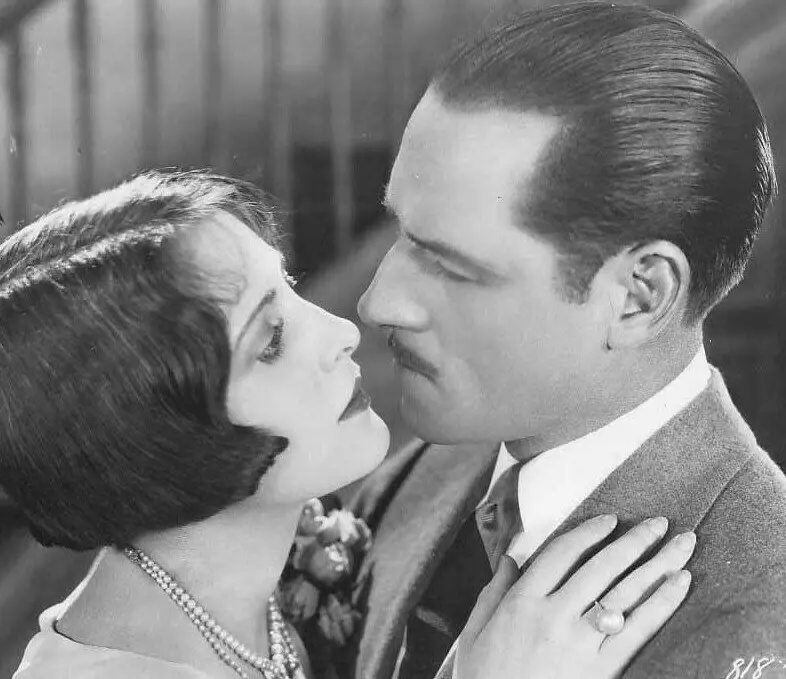
Billie Dove’s Antoinette is a more complex figure than the typical damsel. While she is certainly a victim of Hurd’s machinations, she possesses a sharp, vengeful streak that matches Brant’s. When they hatch their plan, she isn't just a cheerleader; she is the architect of the social infiltration that eventually brings Hurd down. Their chemistry is built on a shared grievance, which makes their eventual union feel earned rather than inevitable. It’s a far cry from the more traditional romantic structures seen in The Charm School.
When placed alongside other 1925 releases, The Ancient Highway stands out for its lack of artifice. While films like La tragica fine di Caligula imperator were leaning into historical spectacle and theatricality, this film feels like it was pulled directly from the mud of the St. Lawrence. It shares some DNA with the outdoor spirit of Bulling the Bolshevik, but replaces the comedy with a somber, almost nihilistic worldview. The film suggests that the law is not a shield for the weak, but a sword for the wealthy—a surprisingly cynical take for a mid-20s adventure.
Even the writing by Eve Unsell and James Shelley Hamilton avoids the flowery title cards that plagued many adaptations of the time. The dialogue is punchy and direct. There is a brutal simplicity to the way characters speak to one another. Hurd doesn't offer long monologues about his villainy; he simply uses his power because he can. This lack of 'movie-villain' posturing makes the conflict feel much more urgent and dangerous.
The Ancient Highway is not a masterpiece, but it is a vital piece of genre history. It eschews the fluff of many of its contemporaries to tell a story about displacement and the reclamation of identity. It’s a film where the environment is just as likely to kill the hero as the villain is, and that environmental pressure keeps the stakes high even when the plot thins out. If you can forgive the traditional silent-era tropes that occasionally creep in, you’ll find a surprisingly tough and resonant adventure. It works. But it’s flawed. And in that flaw lies its humanity.
Ultimately, the film succeeds because it respects the audience's intelligence. It doesn't over-explain the 'Ancient Highway' metaphor; it lets the viewer feel the weight of history and geography. For those looking to explore the deeper cuts of the silent era beyond the usual suspects like Mrs. Leffingwell's Boots or Die Liebschaften des Hektor Dalmore, this is a detour well worth taking. It reminds us that before cinema was a polished product, it was a raw, physical medium that wasn't afraid to get its hands dirty in the river mud.
IMDb —
1928
Community
Log in to comment.